Seven tiny European nations you must visit in 2026
These small countries punch well above their weight in terms of culture, history and views. This is your guide on where to stay and what to see
Checking off the sights on vacation can be tiring, with arduous journeys from one landmark to another.
But in these tiny European countries, sightseeing without schlepping is guaranteed. Even the biggest can be easily driven across in a few hours, while the smallest is about the size of the average shopping mall.
The appeal doesn’t end there. They’re no less memorable for their size, packing in an extraordinary concentration of eye-opening landscapes, culture and fascinating history within their pint-sized dimensions.
There’s the minute nation that’s home to over 70 castles and a hidden labyrinth; the bijou principality with over 65 mountain peaks above 6,500ft and over 190 miles of ski slopes; and the country that’s smaller than Central Park in New York where you’ll find some of the most glamorous hotels in the world and a top-tier Formula 1 motor-sport circuit.
Our portfolio of petite nations also includes one that’s home to some of the greatest art ever created.
Next, the big question: which one would you like to visit first?
1. Luxembourg
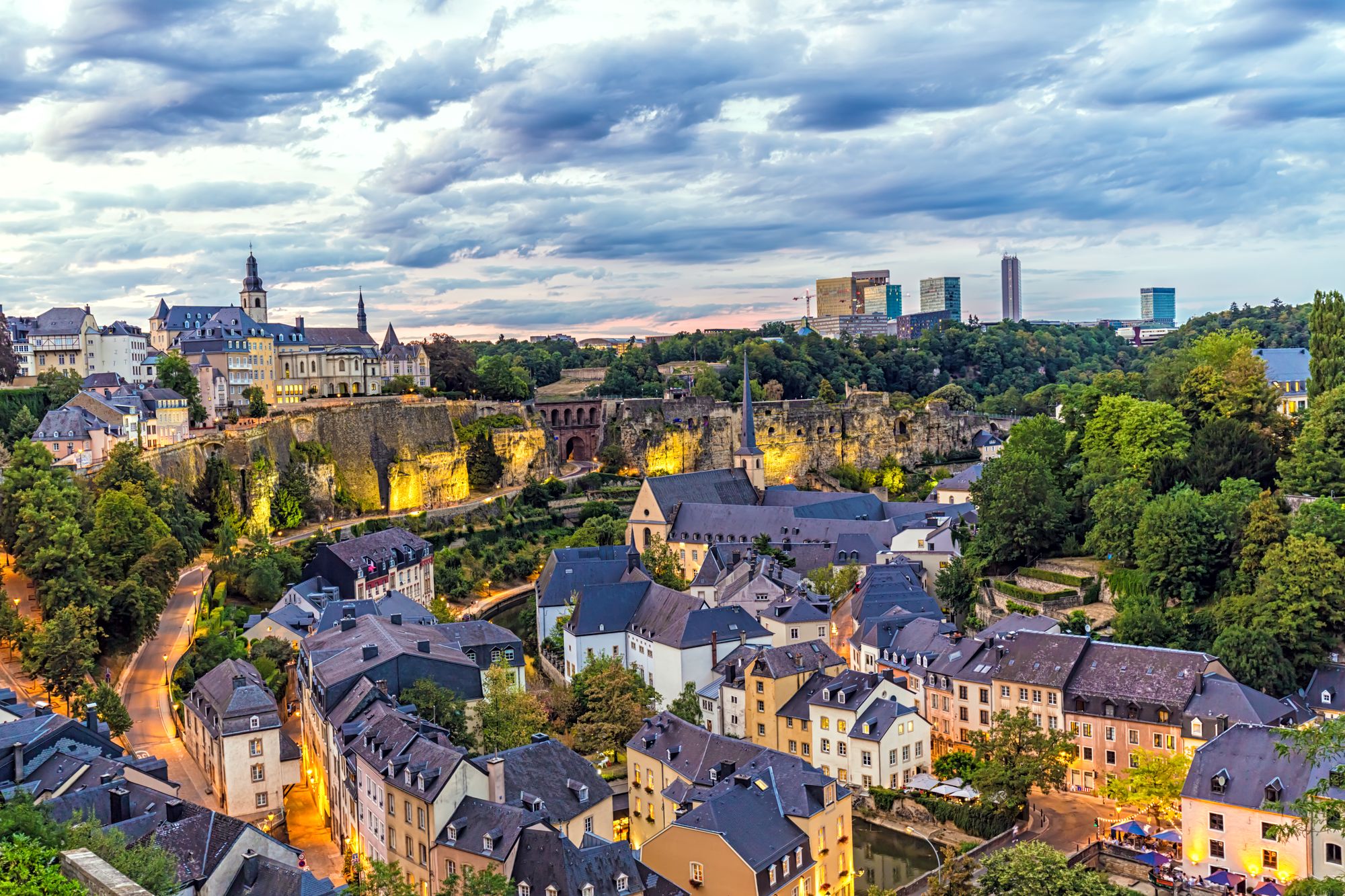
Luxembourg is the largest country on this list at 998 square miles, yet that’s only two-thirds the size of Rhode Island.
However, it’s hugely rewarding culturally and has an enticing concentration of forests, valleys, and spellbinding architecture, plus a generous peppering of medieval castle sites. In fact, it’s known as the “Land of Castles”, with over 70 scattered within its borders.


Not-to-be-missed highlights include the 11th-century castle of Vianden in the northeast of the country; the Müllerthal Region, dubbed “Little Switzerland” for its fairytale gorges and waterfalls; and the Bock Casemates subterranean tunnel network in Luxembourg City, a hidden labyrinth that fans out beneath the Old Town.
Above ground, wander the cobblestone streets of this beautiful, Unesco-listed district, located at the confluence of the Alzette and Pétrusse Rivers on a dramatic rocky outcrop. To refuel, duck into snug Chocolate House Nathalie Bonn for a hot chocolate and pastry, or Brasserie du Cercle for Luxembourgish classics such as Judd mat Gaardebounen (smoked pork collar with broad beans) and bouneschlupp (green bean soup with potatoes and bacon).
Getting there: Fly to Paris or Frankfurt, then hop on a high-speed train to Luxembourg City in around two hours. Direct flights operate seasonally. Once you’re there, public transport nationwide is free.
Where to stay: Hotel Le Royal Luxembourg (from $300 per night) is located in the heart of Luxembourg City and features an indoor pool and spa, a fine-dining restaurant and soundproofed, en-suite accommodations with free wifi and 24-hour room service.
Read more: Seven Unesco sites in Europe that are worth the hype
2. Andorra
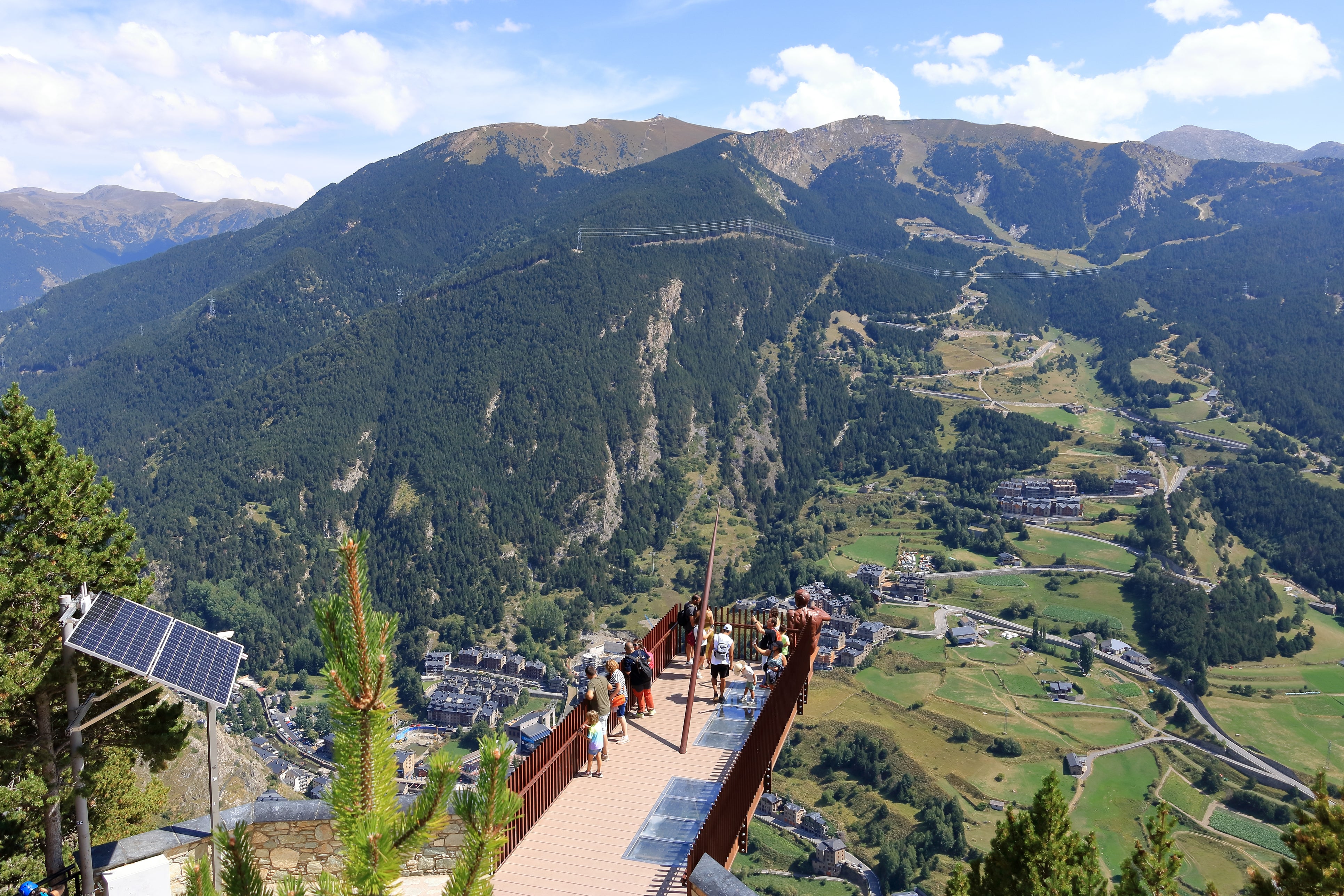
The pint-sized principality of Andorra — sandwiched between France and Spain — is just 181 square miles, or about four-fifths the size of Chicago. But it packs a punch scenery-wise, with over 65 peaks above 6,562ft and one, Coma Pedrosa, towering to a height of 9,656ft.
A spectacular spot to take in the majesty of Andorra’s landscape is near the town of Canillo at the Mirador Roc del Quer viewpoint, a dramatic viewing platform that juts 40ft out from a cliffside 6,400 feet above sea level.
During the summer months, Andorra is a mecca for cyclists and hikers, and a playground for skiers during the winter: between its two principal ski areas, Grandvalira and Pal Arinsal, there are 219 slopes that would stretch to 191 miles end to end.
To refuel for summer and winter activities, visit the capital, Andorra la Vella, and try some hearty Pyrenean cooking (think potato and cabbage hash and slow-cooked meats) at restaurant Borda Sabaté.
Getting there: As Andorra has no airport or rail station, you’ll need to fly to Barcelona in Spain or Toulouse in France, and continue by car or direct bus. The drive time from both cities is around three hours.
Where to stay: Sport Hotel Hermitage & Spa (rooms from $420), about a 25-minute drive north-east of Andorra la Vella, has ski-in/ski-out access, plus indoor and outdoor pools and a stunning spa that’s almost worth the trip alone.
Read more: 10 awe-inspiring European road trips everyone should experience at least once
3. Liechtenstein
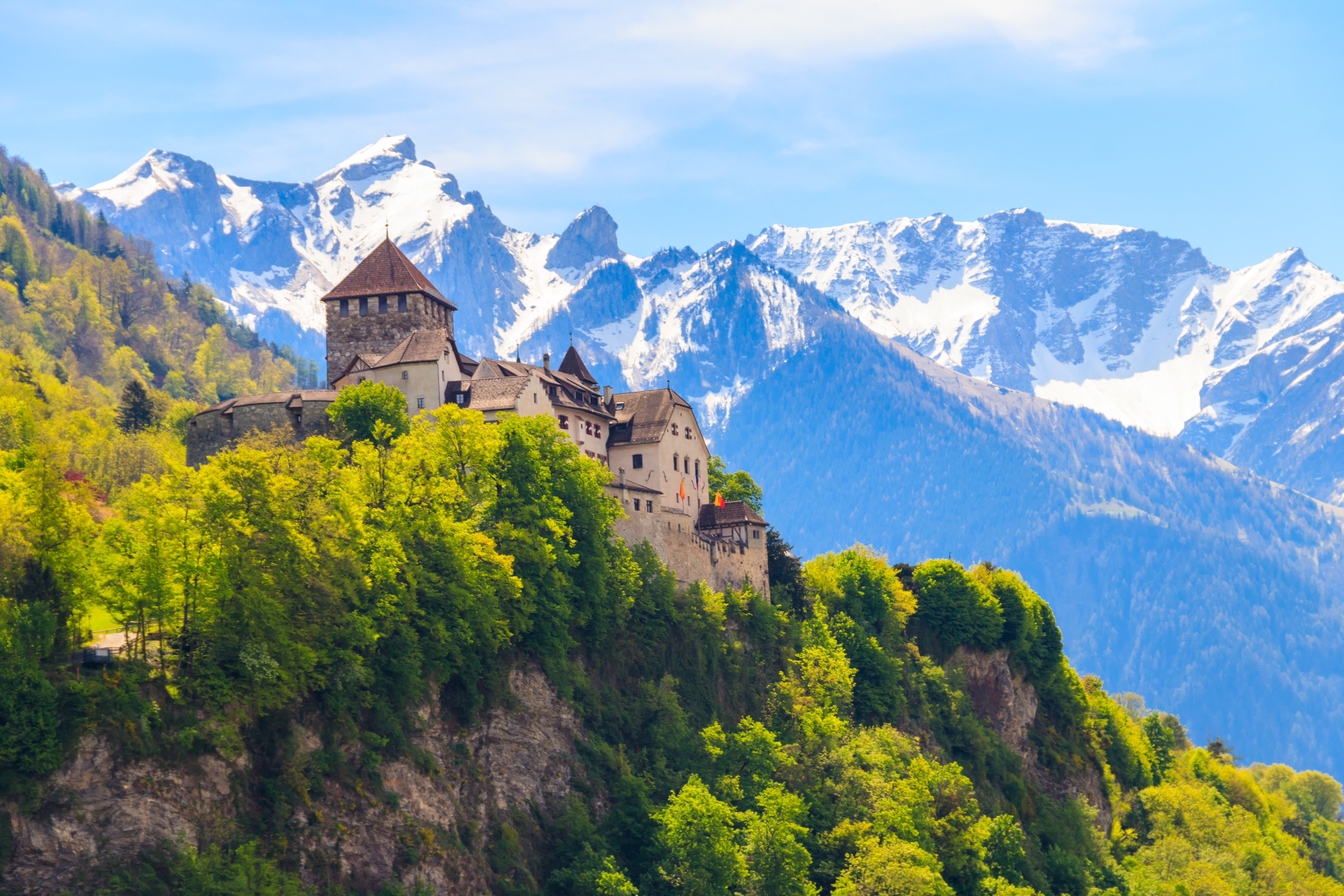
At just 62 square miles, the microstate of Liechtenstein, wedged between Switzerland and Austria, is slightly smaller than Washington, DC — you could set off in the morning and drive across it twice before lunchtime.
But it’s a country you’ll quickly realize should be slowly savoured.
Amble around the capital, Vaduz, and you’ll discover fascinating museums to explore, from the Liechtenstein National Museum (for history) to the Kunstmuseum Liechtenstein (for modern art), and charming cafes to linger in. While at the picture-postcard Vaduz Castle you can soak in panoramic views of the surrounding peaks.
For more majestic mountain views, drive to the alpine village of Malbun. From here, you can hike well-marked trails in a single afternoon along ridgelines that separate three countries.
Getting there: Liechtenstein doesn’t have a commercial airport. The easiest way in is to fly to Zurich, Switzerland, then continue by car or bus to Vaduz, which takes up to two hours.
Where to stay: Park Hotel Sonnenhof (rooms from $430), perched above the capital, offers boutique luxury and stunning valley views.
Read more: Seven European lakes you must visit at least once — from A-list favorites to under-the-radar gems
4. San Marino
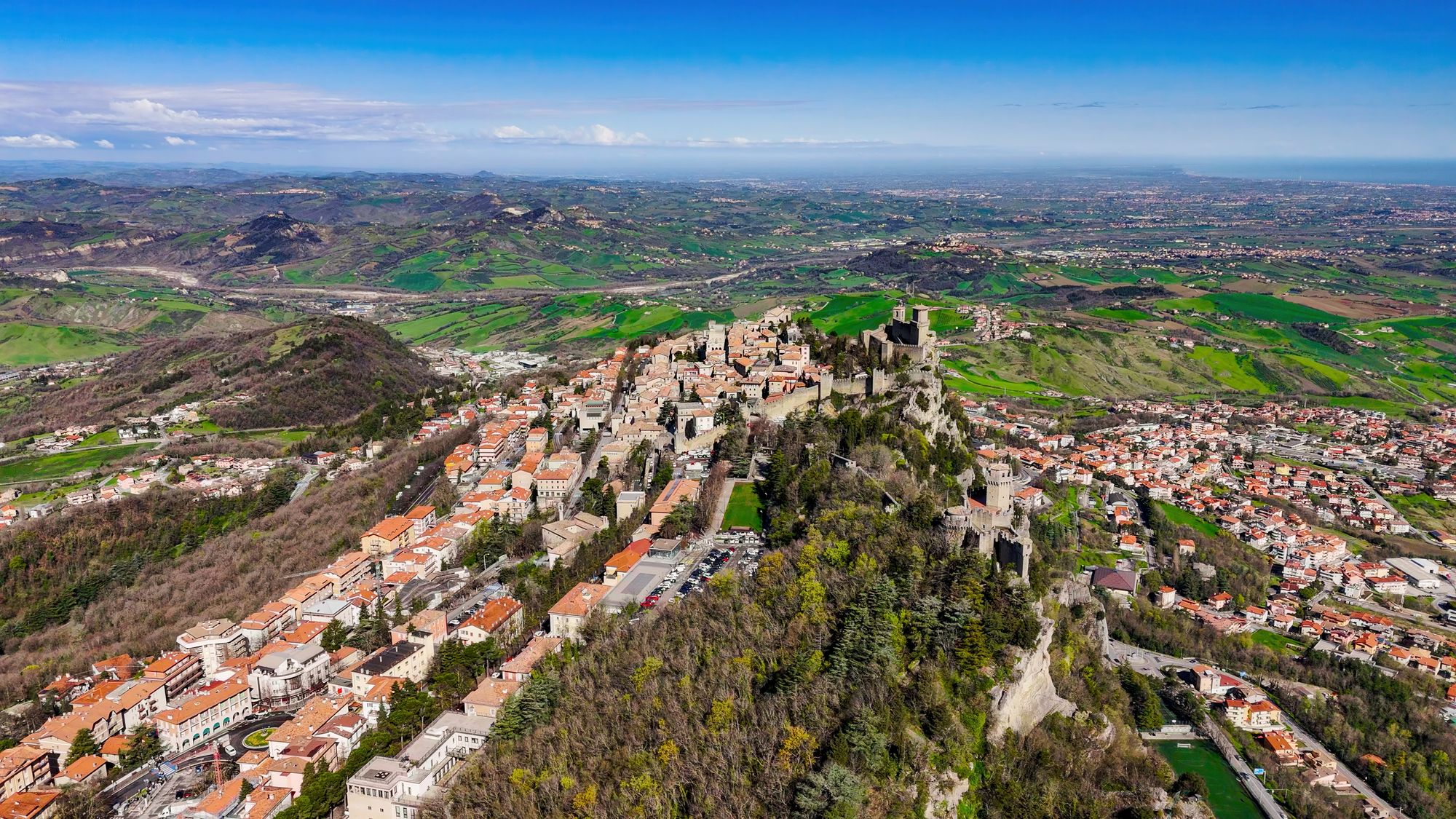
At 24 square miles, San Marino covers an area that is around three-fifths the size of Florida’s Disney World theme park.
The theme in San Marino? Resolutely Italian: it lies in northeastern Italy and is surrounded by it on all sides. And that geography shapes everyday life in the microstate – the official language is Italian, pasta is the national cuisine and the architectural vibe is Italian hill town.
However, San Marino is fiercely independent, and claims that its founding date of AD 301 makes it the oldest surviving republic in the world.
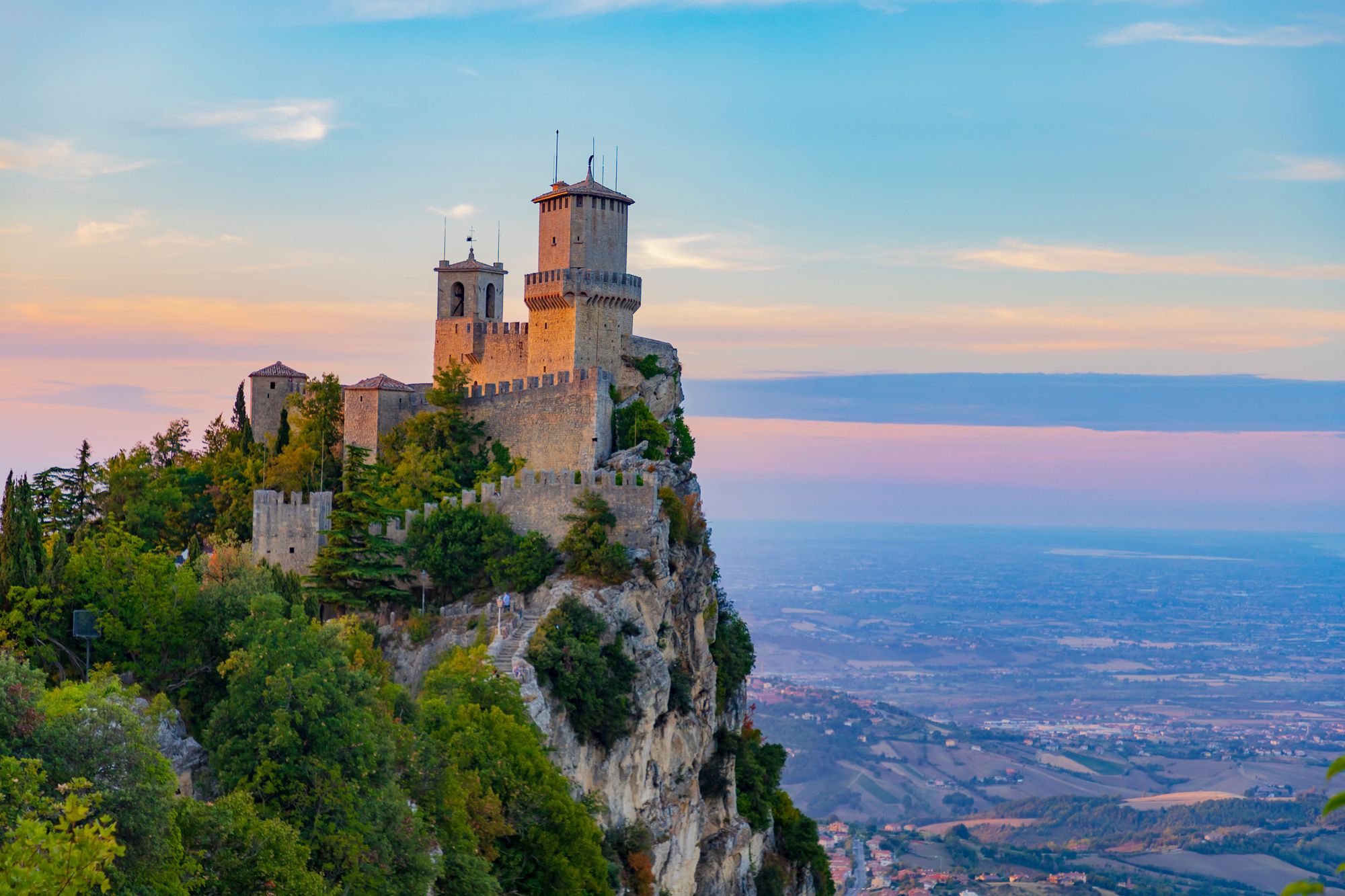
To discover its fascinating history head to the Unesco-listed old town of the City of San Marino, which sits atop Mount Titano and is home to three grand towers: 11th-century Guaita, 14th-century Montale, and — crowning the highest point of Mount Titano at around 2,400 ft above sea level — 13th-century Cesta.
Guaita and Cesta are both open to the public, the latter being home to the Museum of Ancient Arms. On clear days you can see the glistening Adriatic, 15 miles away, from the top.
Afterwards, wander the Old Town’s maze of cobblestone lanes and visit Ristorante Righi for a taste of the local pasta dishes.
Getting there: San Marino has no airport or train station. Fly to Bologna, hop on a train to Rimini, then drive or take a bus to San Marino City, a journey of around 45 minutes.
Where to stay: Titano Suites (rooms from $220) sits within the historic center of San Marino City, putting the towers, picturesque streets and expansive vistas on its doorstep.
Read more: 10 great British cities to visit instead of London (that are far less crowded)
5. Monaco

Monaco, nestled between France and the Mediterranean Sea, is the second smallest country in the world at just 0.8 square miles — or about three-fifths as big as Central Park in New York City. What it lacks in size it more than makes up for in glitz and glamor.
Eye-catching houses and hotels are stacked together, one above the other, on a hillside overlooking a harbor perpetually packed with superyachts. While legendary landmarks stand almost cheek by jowl.
Stroll from the Casino de Monte-Carlo to the Opéra de Monte-Carlo and the striking Oceanographic Museum, then take the elevator up to the Old Town, Monaco-Ville, where you’ll find the Prince’s Palace of Monaco — home to the ruling Grimaldi family and seasonally open to visitors.
The harbor at Port Hercule is also a memorable spot for a stroll, but factor in some time to get behind the wheel of a hire car and trace the route of the Formula 1 Grand Prix, which sees hairpin roads double as exhilarating sections for one of the world’s most prestigious motor sport circuits.
To eat, try Le Castelroc in the Old Town for Provencal classics and harbor views.
Getting there: Fly to Nice, then take the train or drive. The journey along the Monaco coast takes around 25 minutes.
Where to stay: Hôtel de Paris Monte-Carlo (rooms from $650), opposite the casino, is a showstopper inside and out, with Belle Epoque architecture, a three-Michelin-starred restaurant and lavish bedrooms.
Read more: Billionaire lifestyle on a budget: How to do a bucket-list trip to the F1 Monaco Grand Prix
6. Malta
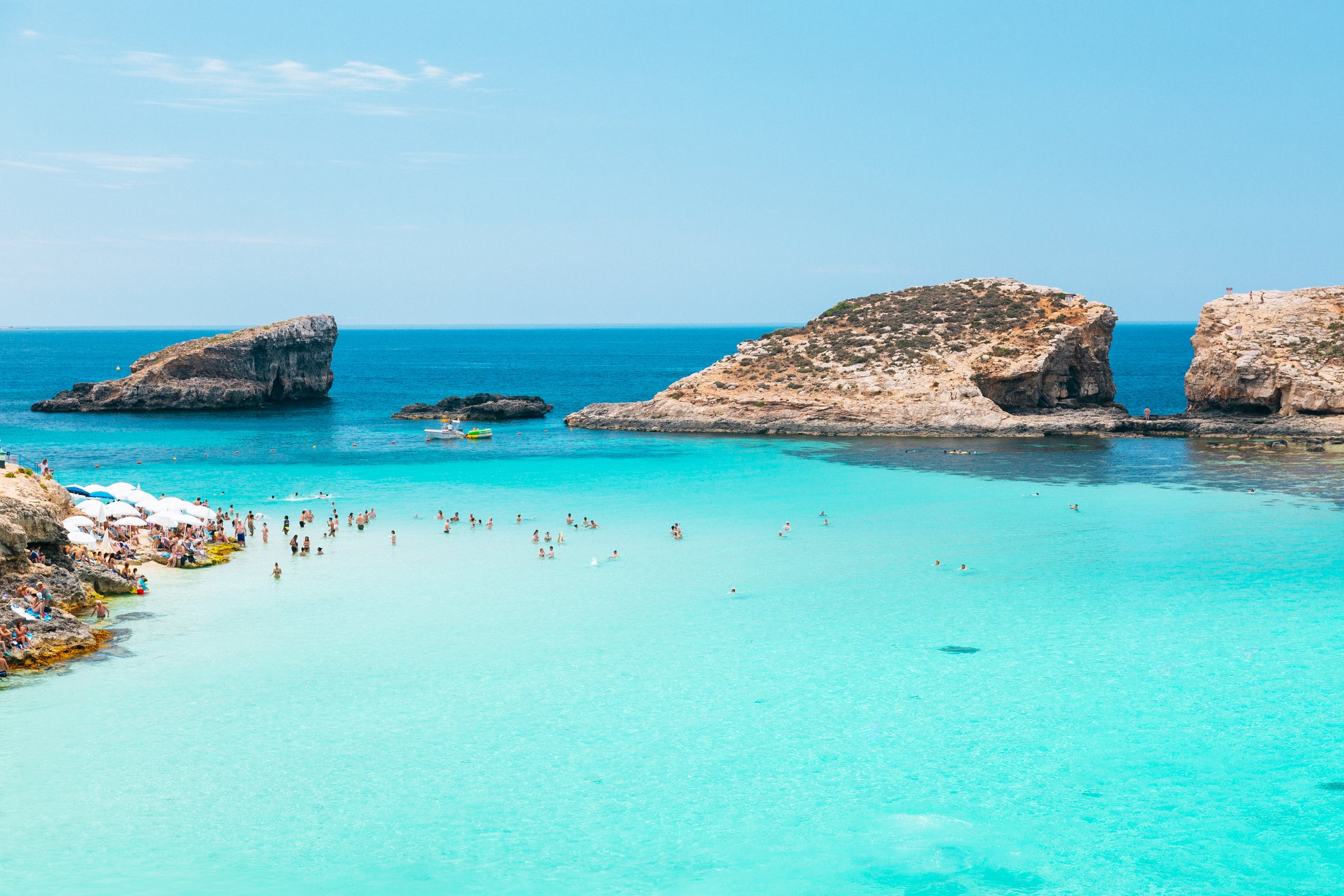
Visit Malta and you’ll discover over 7,000 years of history squeezed into a country that, at 122 square miles, is slightly smaller than the city of Los Angeles. Plus, the three-island archipelago — made up of Malta, Gozo and Comino — is home to some of Europe’s dreamiest beaches, coves and lagoons.
For the most intense history hit, linger in Malta’s enchanting capital, Valletta, built by the Knights of St John in 1566 and now a Unesco World Heritage Site crammed with 320 monuments, from St John's Co-Cathedral to the opulent Grand Master's Palace.
Just south of the city is the Hal Saflieni Hypogeum monument, a remarkable subterranean cemetery dating back 6,000 years.
You can also step back in time in mysterious Mdina, the ancient capital. There, historical, car-free lanes thread between ornate, honey-colored churches and grand palaces.
The beach, meanwhile, is a year-round option, with the Blue Lagoon off the coast of Comino one of the most sensational spots for a swim thanks to its incredible milky-blue waters.


For a refined take on Malta’s cuisine, book a table at Noni in Valletta, where you can indulge in the likes of ember-grilled sea bream served with cuttlefish, cabbage and spinach; and suckling pig with roast-bone sauce.
Getting there: Fly to Malta International Airport. From the U.S., most services connect via London or major European hubs. Valletta is around 20 minutes by car from the airport.
Where to stay: The grand Phoenicia Malta (rooms from $360) lies just outside Valletta’s city gates and blends postcard-worthy harbor views with sumptuous interiors and top-tier amenities, including an indoor and outdoor pool.
Read more: Best hotels in Valletta for a stylish stay in Malta’s capital
7. Vatican City
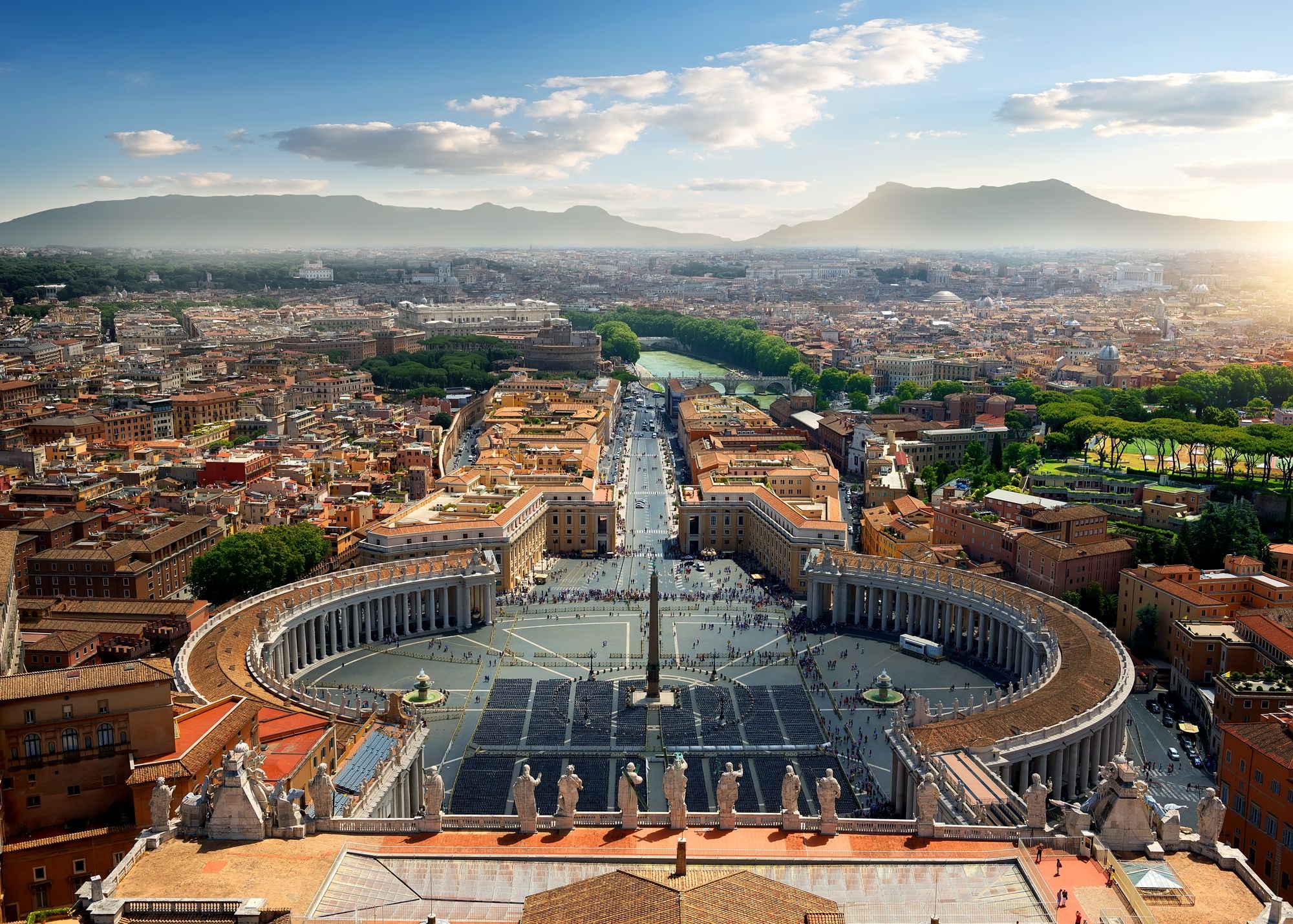
Smaller than the average shopping mall, and walkable in minutes. Welcome to Vatican City, entirely enclosed by Rome and measuring just 0.17 square miles. Yet within lies a lifetime of art, architecture and religious history.
At the country’s heart is the vast colonnaded piazza of St Peter’s Square, where the Pope addresses the world. It forms the grandest of entrances to St Peter’s Basilica, the heart of Catholicism and the largest church in the world by interior area (275,750 sq ft).
Inside are Renaissance masterpieces, notably Michelangelo’s Pietà, and steps leading to the top of the dome from where you can gaze across the Vatican’s rooftops and into Rome beyond.
A short walk away is the Vatican Museums complex, a treasure house containing a seismic art and antiquities collection amassed over centuries and, without fear of hyperbole, one of the most spellbinding artistic achievements in human history: Michelangelo’s ceiling in the Sistine Chapel.
To refuel and reflect, book a table at Ristorante Arlu. It’s just outside the Vatican walls and serves classic Italian comfort fare.
Getting there: Fly to Rome, then take the metro to Ottaviano–San Pietro or walk in from nearby neighborhoods.
Where to stay: Luxurious Residenza Paolo VI (rooms from around $400) has a bar overlooking St Peter’s Square and can organize art tours of Rome with art history graduates.
Read more: Anantara Palazzo Naiadi Hotel, Rome, hotel review
Join our commenting forum
Join thought-provoking conversations, follow other Independent readers and see their replies
Comments
Bookmark popover
Removed from bookmarks