The Independent's journalism is supported by our readers. When you purchase through links on our site, we may earn commission. Why trust us?
Fitbit’s new AI coach finally makes sense of your health data (and it’s surprisingly bossy)
The personal health coach arrives in the UK and on iOS, promising to turn your stats into an action plan
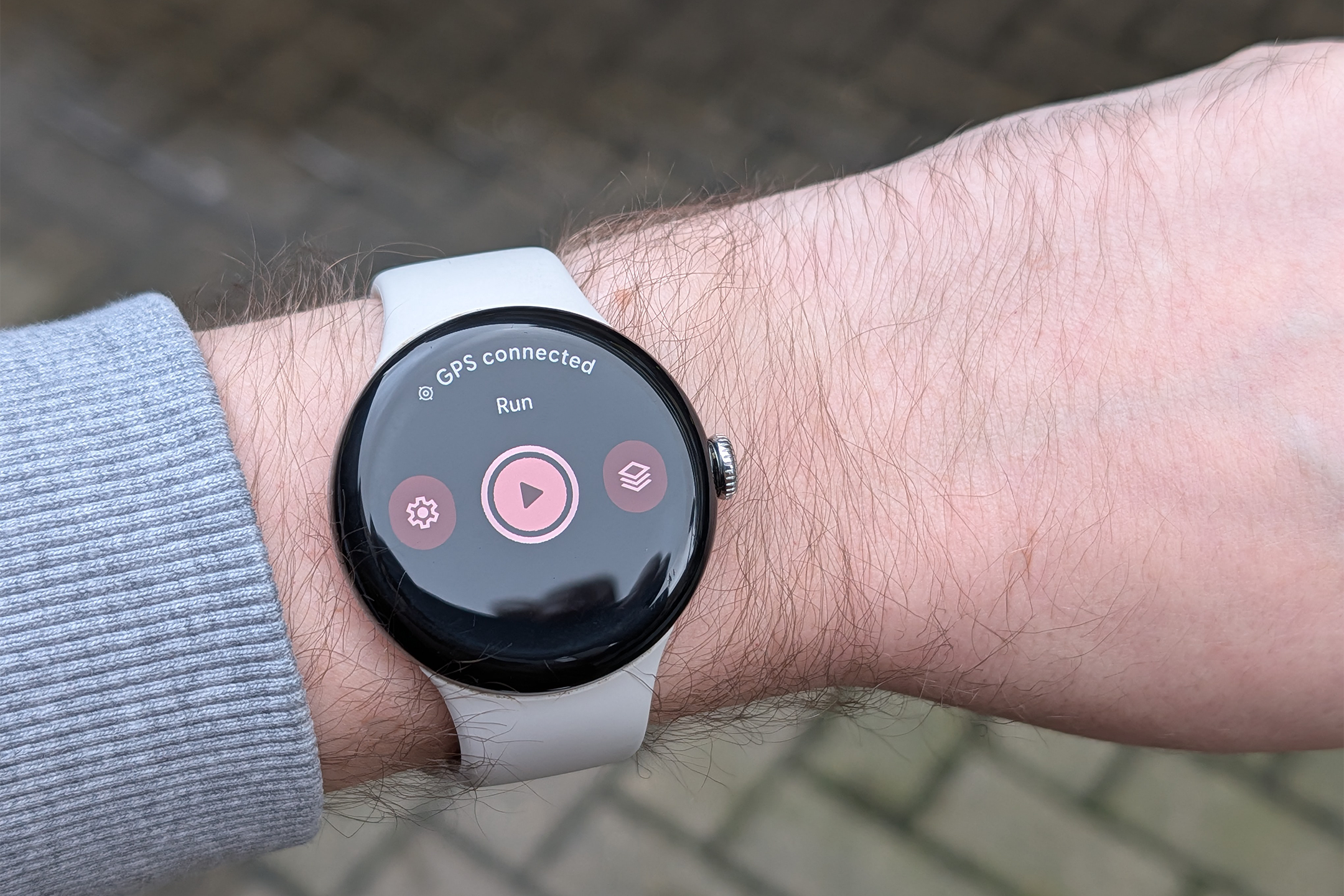
If there’s one thing the best fitness trackers do best, it’s hoarding your data. Whether it’s the Apple Watch 11 or the Pixel Watch 4, they silently hoover up gigabytes of information about your heart rate variability, sleep stages and step counts, then present it all in flashy graphs that look impressive but have limited practical use.
This week, Fitbit attempts to bridge that gap with the UK and iOS rollout of its personal health coach. Powered by Google’s Gemini AI, it’s a tad more sophisticated than the annoying notification that tells you to stand up once an hour. It’s a full conversational chatbot living inside the Fitbit app, designed to interpret that mountain of health data and build a fitness routine that adapts to your life, your equipment and your excuses.
I’ve been putting the new feature through its paces, and for a stats-brained health narcissist like myself, it already feels like the hyper-personalised experience that wearables have been promising for a decade.
Read more: I wore the Whoop 5.0 non-stop for a month
How the personal health coach works
Having neglected my running shoes since the end of January, I decided to test the AI coach by asking for a weekly training plan to improve my endurance and maintain the habit.
Rather than serving up a generic couch to 5K template, the AI reached back into my workout history, noting that I was comfortably running 5K distances at the start of the year but had been slacking for a few weeks. What it spat out was a sensible, tailored re-entry plan: a relaxed 25-minute run to shake off the cobwebs, followed by a more typical distance run at the weekend. It felt measured, intelligent and devoid of judgement.
It was when asking for help with strength training that the coach aspect really impressed. I asked for a plan focusing on arms and chest (I want to turn heads at the pool parties this summer and I don’t care who knows it). First, it asked what equipment I had access to. Then, it dropped a couple of days of chest presses, tricep curls, and bicep curls into my schedule.
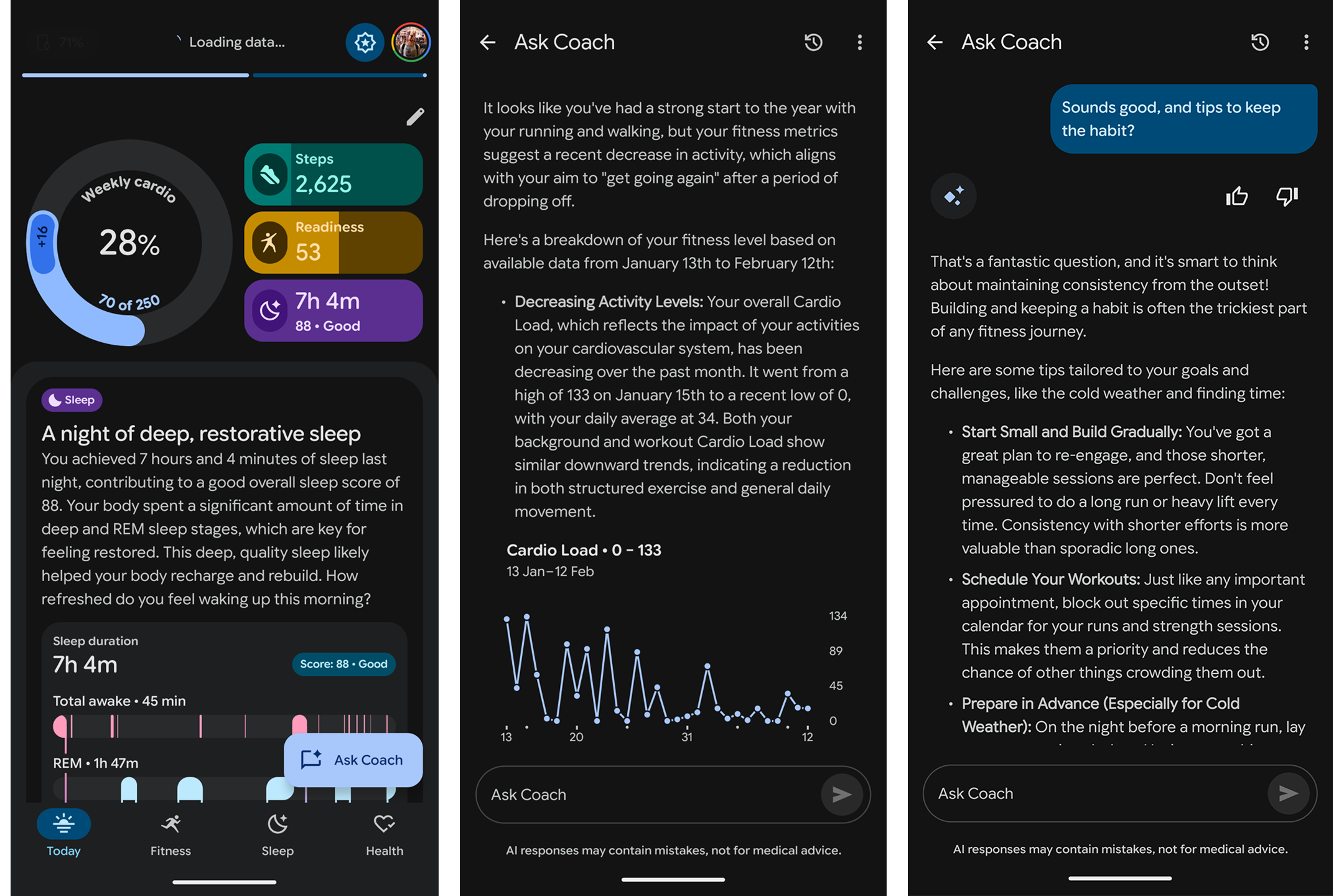
But it didn’t just nod and agree. Like a human coach who knows better than you, the AI pushed back, suggesting that I should consider full-body, core and leg workouts to complement my running goals, rather than focusing on glamour muscles. It was right, of course, even if I didn’t want to hear it.
The true test of any fitness plan is how it survives contact with reality. In my case, one of my new year’s resolution dumbbells has gone missing in the post. I told the coach about my lopsided situation, and it deftly adjusted the plan to include only weight training suitable for single weights. It even asked me to let it know when the second one arrived so it could adapt the plan again.
It handles the weather, too. Tell the coach it’s raining and you don’t fancy a run, and it will shuffle your workout days around to keep you on track without forcing you into a downpour. That’s obviously something you can do manually in any other training app, but it feels seamless and natural here.
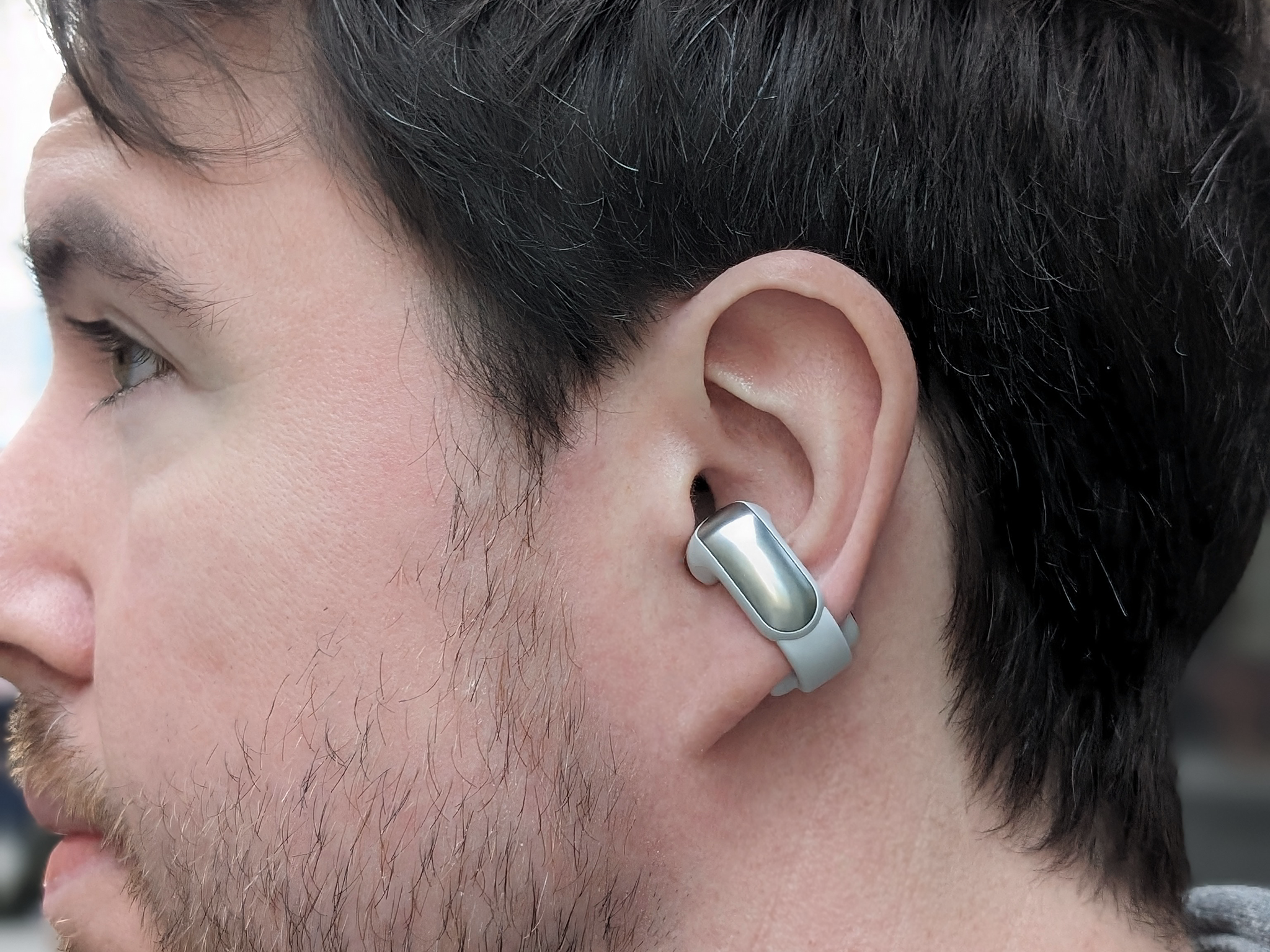
Thankfully, the AI does you a favour by not checking the actual weather to see if you’re telling porkies. As you hit your targets, the coach tracks your progress, tweaking the intensity to keep pushing you further.
The new Fitbit Premium front page has been overhauled to put the coach front and centre, floating cards about your recent workouts or last night’s sleep with a reply button that lets you dive straight into a chat for deeper insights. It turns metrics into a conversation.
The upgrade is locked behind the Fitbit Premium subscription, but the Personal Health Coach is the value-add the previously feature-light paid tier has been waiting for. It bridges the gap between data collection and coaching, offering a level of adaptability and context that standard apps simply can’t match.
Google Pixel Watch 4: Was £349, now £279, Amazon.co.uk
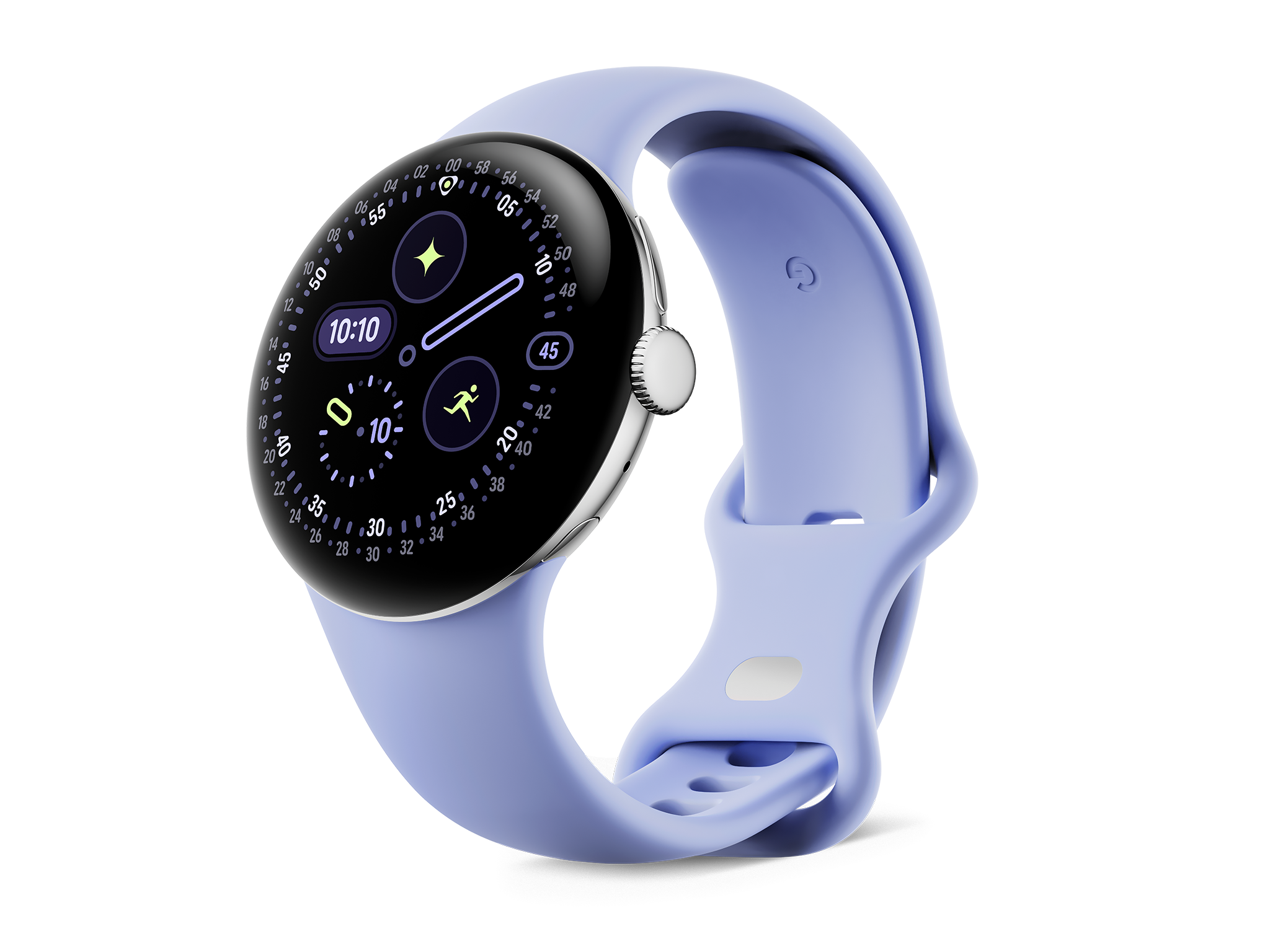
If you want to get the most out of Fitbit’s new AI features, the Pixel Watch 4 is the best vessel for Google’s software. It blends smart features like Google Wallet and Maps with Fitbit’s deep health tracking, ensuring the data feeding your new AI coach is as accurate as possible.
Crucially, the most recent watch fixes the battery anxiety of previous models, reliably lasting a full day even with the always-on display active. With its stylish, minimalist round design, it’s easily the best-looking smartwatch you can buy, and the default choice for Android users who want a clear view of their health.
Want more help? Here’s the winter running kit you need to get going again
Bookmark popover
Removed from bookmarks