Forget alarm-clock Britain – Reeves was talking to the bankers
For an address broadcast live to the nation, this was a speech aimed at the Square Mile – but how will the markets respond to the prospect of tax hikes and the call that ‘we will all have to contribute’ to rebuild Britain, asks Sean O’Grady


Talk about “alarm-clock Britain”. The chancellor clearly wanted to get some critical “messages” across in what was officially described as a “scene-setter speech” for the Budget. Given that the devoutly cakeist British public don’t much like being confronted with “tough choices” and pay little attention to any politician (understandably enough), that’s a bit of an ask.
So what better way to dominate the news than by dramatically dragging the very cream of the nation’s political journalists out from under their lovely snug duvets and into the cold comforts of Downing Street, to be lectured about the mess the country is in, and given a barely disguised warning that there are more tax hikes to come?
To an attuned ear, one phrase in particular stuck out as Rachel Reeves attempted – she’s no Winston Churchill – to appeal to the Dunkirk spirit: “If we are to build the future of Britain together, we will all have to contribute to that effort – each of us must do our bit for the security of our country and the brightness of its future.”
Translated, that means the income tax is going up – and, most likely, the basic rate, for the first time since 1975, when a previous Labour chancellor, Denis Healey, also faced an incipient crisis in the public finances. It wasn’t enough, by the way.
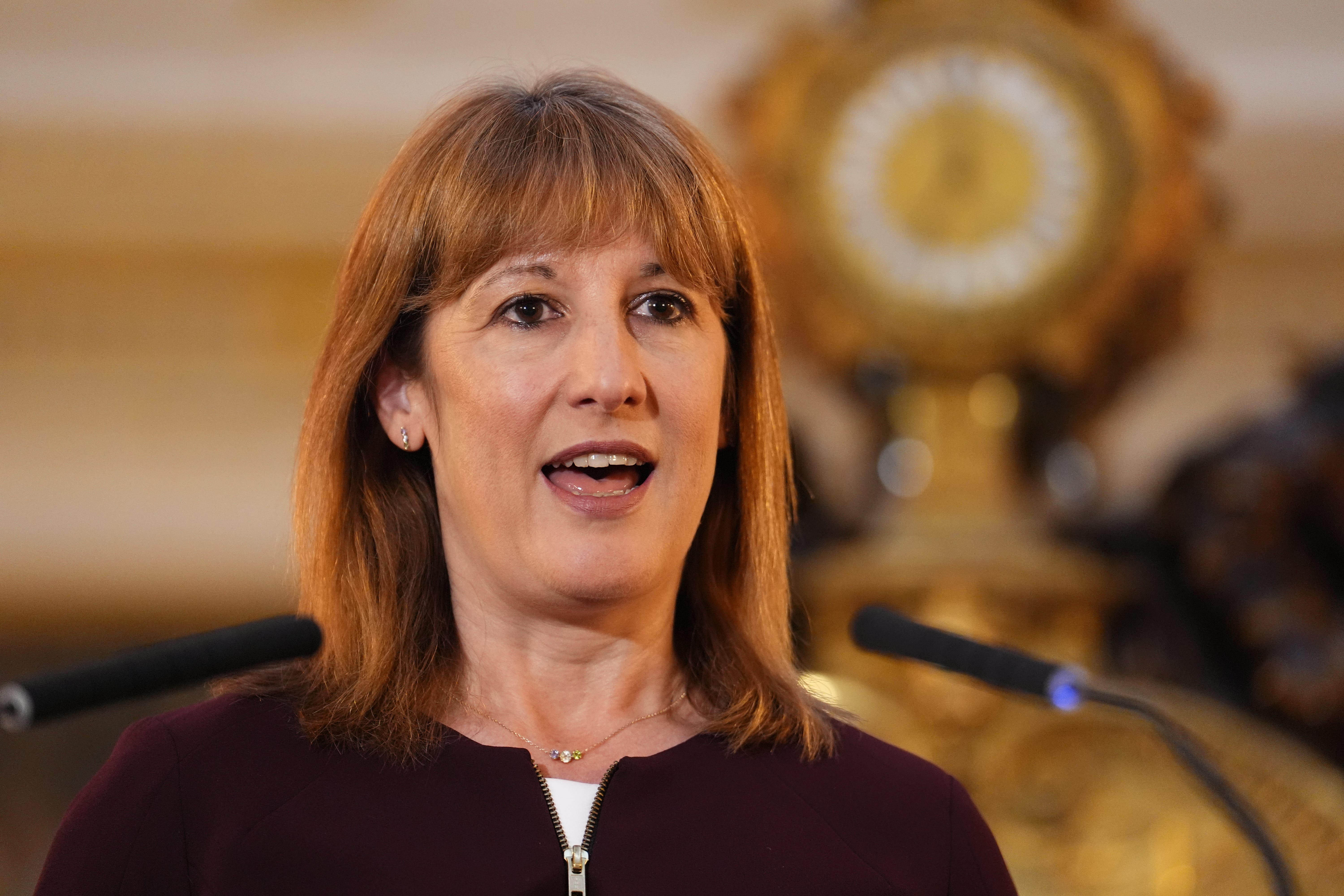
Time and again, Reeves pledged – just as Keir Starmer has in recent months – that there would be “no return to austerity”. She derided the way that previous, Conservative governments had cut investment in, say, green energy and the roads in order to balance the books. There was some mention of welfare reform in her remarks, and a fleeting mention of the new work and pensions secretary, Pat McFadden. She went so far as to declare, as she has before, that there “is nothing progressive about refusing to reform a system that is leaving one in eight young people out of education or employment”.
But a clear commitment to go to war with the Parliamentary Labour Party again, after the humiliation of Starmer, Reeves and Liz Kendall earlier this year, was conspicuous by its absence.
By contrast, she was out, loud and proud, about reducing NHS waiting losses and “protecting” it. Politically, there’s a clear dividing line here between the Labour government on one side and Reform and the Tories, who do advocate deep cuts, on the other.
Reeves is tacking a little to the Left. Deep spending cuts are out, even if McFadden and others manage to trim some programmes back – and don’t forget she’s now committed to increased defence spending.
Economically, that won’t matter so much provided she sticks to the fiscal rules, doesn’t borrow more, and, as she states, she has a plan to get the national debt (£2.6 trillion and counting) and the cost of servicing it (£100bn a year) down, and interest rates with it.
She knows as well as the markets do – but not yet the British people – that this means taxes will have to go up, and at such a scale that there’s no alternative to hiking up income tax.
What Reeves couldn’t say without revealing the Budget decisions she’s actually not yet finally taken was what this might mean to take-home pay. Here, the numbers matter.
Say she needs to find £25bn (it could easily be more). A 1p-in-the-pound increase in the basic rate of tax raises about £8.3bn, and a 1 per cent cut in your wages. A 1p increase in the higher rate will bring in some £2.1bn, and the same rise in the additional rate about £265m. So some £11bn or so from busting the sacred manifesto promise, and you’re still not even halfway there to making your sums add up.
Reeves will still have to raise the smaller taxes – say, fuel duty, gambling taxes and a new higher council tax band – to restore the fiscal headroom she failed to give herself last year.
She wants to win the argument, and she will have to convince the markets.
Early signs suggest that confidence remains fragile. The pound fell to $1.3064, a new six-month low, as City traders anticipate tax rises in this month’s Budget.
Sterling lost more than 0.5 per cent today – around three-quarters of a cent – reflecting growing caution about Britain’s near-term growth prospects.
They will want to be convinced that “this time it’s different”. Economically literate, they are sympathetic to much of what she says. Better than most, investors understand what the Truss mini-Budget was a disaster, why the Tories’ spending plans were fanciful, and why Trump’s trade wars have slowed world growth.
Markets don’t care about what it says on page 21 of the 2024 Labour manifesto. If Reeves persuades them that the Budget package will keep debt under control and boost the longer term health of the British economy, making it a better “bet”, then she will ensure that the UK doesn’t go insolvent in the next few years, and the financial crisis so wishfully dreamt about by Nigel Farage doesn’t come to pass (with the valuable bonus that it makes a chaotic economy-wrecking Reform government less likely to be elected, too).
At base, this will be a Budget that depresses consumption in order to boost investment, and in economic terms that’s entirely the right, indeed inevitable, choice.
Join our commenting forum
Join thought-provoking conversations, follow other Independent readers and see their replies
Comments
Bookmark popover
Removed from bookmarks