Rachel Reeves came to reassure us… but ended up on the rack
If the chancellor’s breakfast address was supposed to convince Britain that her coming Budget will tackle tough problems, it did not help that she blamed everyone else for her plight, writes John Rentoul


The chancellor delivered an unusual speech that combined an admirable clarity about the problems facing her with a wilful refusal to accept responsibility for the position she finds herself in.
She seemed to be taking half of the right advice, which is that, when faced with difficult decisions, you have to do what is right for the country – and you have to explain yourself. You have to take the initiative, prepare people for what is coming, and talk them through the decisions you are making.
Hence, an early morning speech that was almost an address to the nation, three weeks before a Budget – a Budget in which the central decision, to break a manifesto promise not to raise taxes, has now been taken.
She explained, in simple language, what had changed since the last Budget: the world economy had slowed, interest rates had risen, new defence spending pledges had been made and productivity was “weaker than previously thought”.
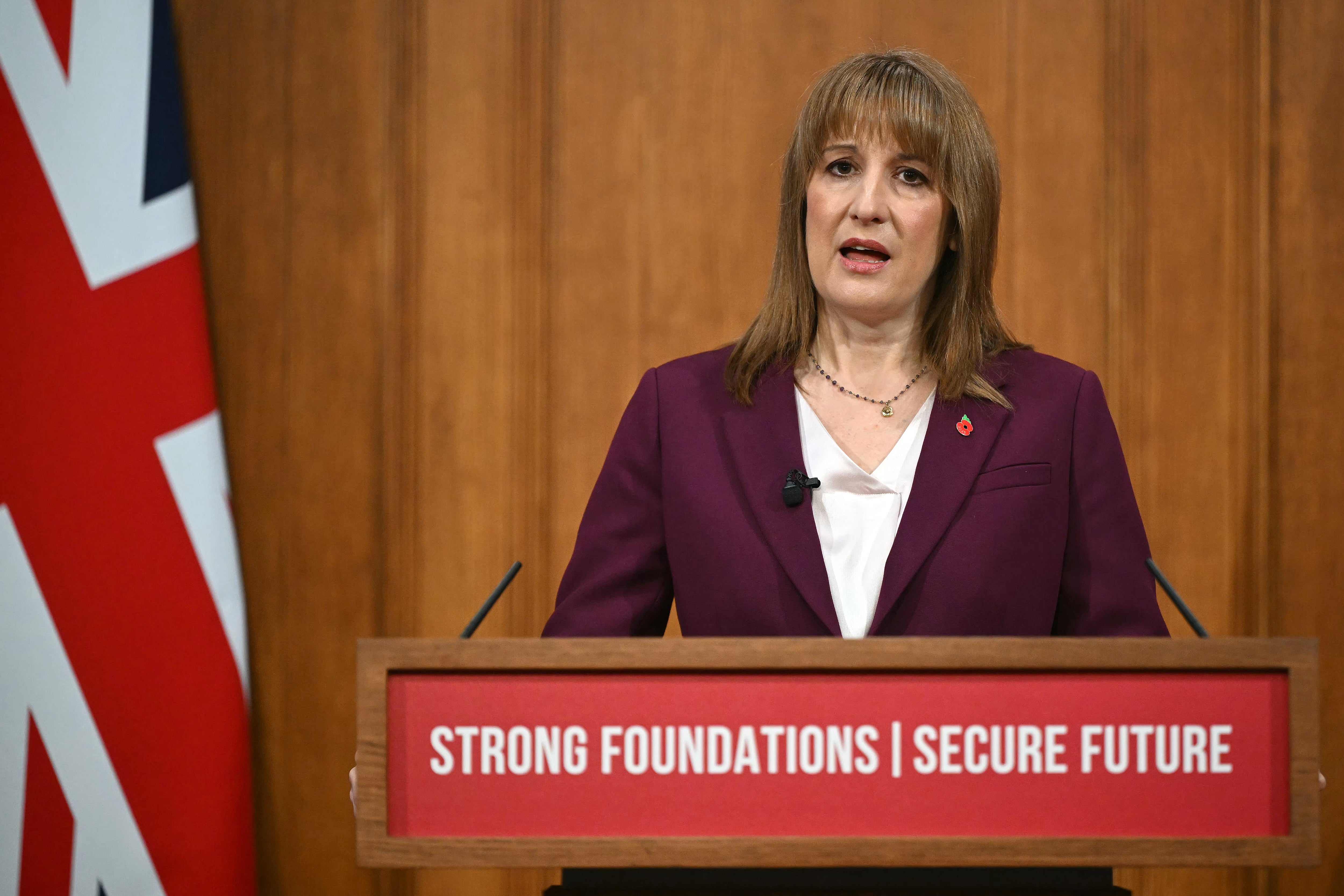
None of those was her direct responsibility, but they were all foreseeable last year when she made the foolish claim to have “fixed the foundations”. It took some cheek, therefore, to stand at a lectern emblazoned with the words: “Strong foundations, secure future”.
So Rachel Reeves followed the first half of the advice. She took the initiative, set out some of the reasons for things having gone wrong, explained why debt is a problem, and that she can take no chances with the government’s creditworthiness.
But instead of accepting that she had been reckless in last year’s Budget – leaving no margin for error in the face of foreseeable problems – she tried to blame others. The “high level of debt left by the previous government” – well, that hasn’t changed in the past 12 months. “Austerity” after the financial crisis – ditto. The “instability and indecision” of the later Conservative years – that is something that may not have come to an end yet. And a “rash and ill-conceived Brexit” – which is just taking her audience for fools; or perhaps hoping that enough of them are so fixated on the Remain cause that they fail to see the logical jump.
The second half of the speech was a torturously delivered assembly of slogans: dealing with the world as we find it, not as we would want it to be; real progress takes time; country before party; doing not what is popular, but what is right.
And when it came to the central point, it was addressed in a sentence and a half: “To protect public services from a return to austerity ... we will all have to contribute to that effort – each of us must do our bit.”
Thus, she whisked evasively over the only question that matters. People might accept tax rises if they are seen as fair – and part of that fairness means that they have to be accompanied by spending cuts. Without spending cuts, it looks as if she is failing to do everything she can to protect people from the tough decisions. In tough times, it makes sense for government to make do with less.
People might even accept that, if they want decent public services, they have to pay for them. But everyone knows that the disability benefits budget is rising unjustifiably, and that Reeves’ blunt attempt to restrain its growth was thrown out by Labour MPs. An honest chancellor would take that problem head on and ask Labour MPs to think again before going to the taxpayer for a bailout.
She should have tried to turn the crisis to the country’s advantage by upping the pace of reform, but she missed that opportunity. Significant reform of welfare, in particular, seems to be off the agenda – not to mention productivity improvements in the public sector. This from a government that settled the doctors’ pay claim last year without requiring changes in work practices.
Instead, Reeves repeated stock phrases, making Theresa May seem like a creative and imaginative politician.
The chancellor said she was not going to “choose the road to ruin” that Liz Truss and Kwasi Kwarteng chose. Instead, she was going to choose a different road – to a different, and slower, ruin.
Join our commenting forum
Join thought-provoking conversations, follow other Independent readers and see their replies
Comments
Bookmark popover
Removed from bookmarks