Most by-elections don’t matter – but Gorton and Denton does
With Labour, the Greens and Reform neck and neck in the only opinion poll, the Greater Manchester by-election result on Thursday could force Keir Starmer to choose between his party’s factions – and redefine Labour’s strategy before the next general election, says John Rentoul


In order to vote tactically, you need to know how other people are planning to vote. That knowledge has been lacking in Gorton and Denton, where people have already been voting by post for Thursday’s by-election.
All three parties in contention – the Greens, Reform and Labour – have therefore been making unsubstantiated claims that voters must back them to stop one of the other two.
Then, on Friday, the first opinion poll of the constituency by a British Polling Council member was published. In a narrative twist worthy of a thriller, it showed all three parties roughly level – within the margin of error of each other.
The tactical advantage remains unclear. Labour is plainly worried that its supporters will see the Green candidate narrowly ahead and draw their own conclusions.
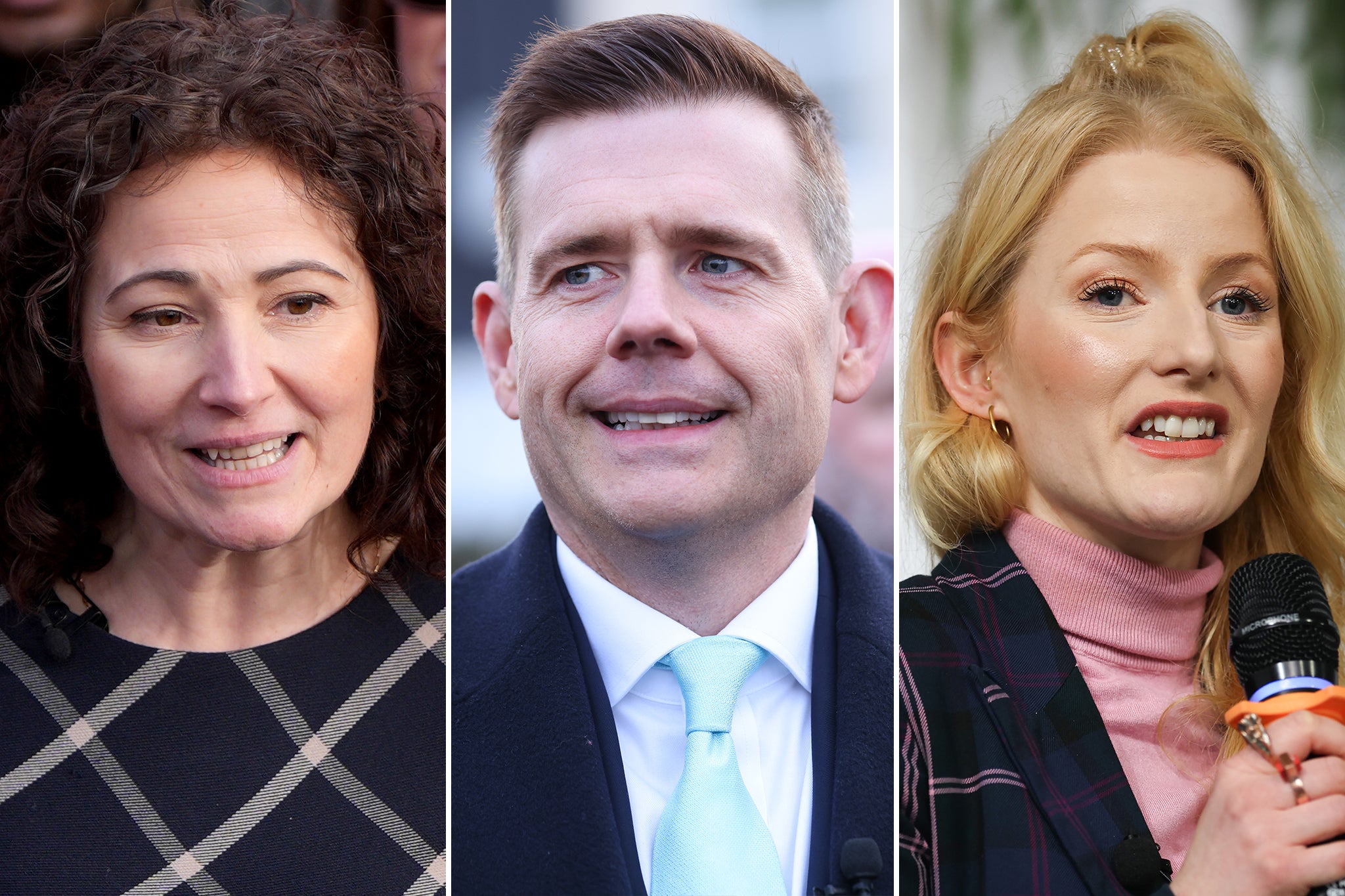
The poll put plumber Hannah Spencer, the Green candidate, on 33 per cent, GB News presenter Matt Goodwin for Reform on 29 per cent, and Manchester city councillor Angeliki Stogia for Labour on 26 per cent. (Other, lower figures you may have seen include those who said they didn’t know or wouldn’t vote.)
Labour was quick to point out that the poll had been commissioned by a company whose directors include Brian Eno. The musician supported Jeremy Corbyn and is now a green activist and pro-Palestinian campaigner. The implication was obvious: that the poll was published to boost the Greens’ chances.
That does not make it wrong. Omnisis, which conducted the survey, cannot afford a reputation for partisan polling. It is possible, as Ben Walker of the New Statesman has suggested, that stronger Green wards were over-represented in the sample – but not deliberately.
We are set, then, for a cliffhanger in the early hours of Friday morning, from which any of the three parties could emerge as the winner.
Ordinarily, this would not matter much. By-election history is littered with sensational upsets – often by the Liberals or Liberal Democrats – that left the governing party untouched and were reversed at the subsequent general election.
Gorton and Denton feels different. First, because the Labour government is fragile, led by a prime minister prone to being buffeted by panicky MPs. Secondly, because parliamentary politics across Great Britain is split five ways, with the pecking order unsettled. Will Reform or the Conservatives lead the right at the next election? Will Labour, the Greens or the Lib Dems lead the left?
As Ed Balls said in his podcast on Thursday, a Green win would heap pressure on Keir Starmer to “play to the Lucy Powells, the Ed Milibands and the Andy Burnhams”. It was hardly a compliment to the leader under whom he once served as shadow chancellor. When his co-host, George Osborne, asked him what he made of Miliband’s green energy deal with Gavin Newsom, the governor of California, Osborne quipped: “If only listeners could see your face!”
A Reform victory would pull Starmer in the opposite direction. He would revert to the Morgan McSweeney strategy – framing the next general election as a stark contest between Labour and Nigel Farage. In that scenario, the prime minister would “play to the Shabana Mahmoods, the Mike Tapps and the Tony Blairs”.
There remains, of course, the possibility that Labour wins. That seems unlikely: by-elections exist, constitutionally speaking, to register protest against the government. Yet if Stogia were to prevail thanks to a split Green and Reform vote, it would embolden Starmer and prompt a thousand think-pieces about a corner turned – and about how Margaret Thatcher, too, was deeply unpopular at the outset.
Each outcome would shape politics for months. It could influence tactical-voting calculations in May’s Scottish, Welsh and English local elections, and beyond to the general election.
For Starmer, the worst result would be a Green win, although even that might be preferable to Andy Burnham returning to the Commons, which is why he was blocked. The “wasted vote” case against Zack Polanski would collapse. Disillusioned Labour supporters would conclude they can back the Greens without ushering Farage in. Labour’s claim to be the principal anti-Reform force would weaken, and the pressure to shake the magic money tree would grow.
Most by-elections do not matter. This one does.
Join our commenting forum
Join thought-provoking conversations, follow other Independent readers and see their replies
Comments
Bookmark popover
Removed from bookmarks