How Mount Etna has turned Sicily into one of Italy’s best destinations for foodies
Thanks to its namesake volcano, Etna is an astonishing fertile region that has spawned a unique food and drink scene. Harriet O’Brien goes on an epicurean tour to taste the spoils
Etna dazzled. For two days the volcano had lurked obdurately behind clouds, out of sight to the extent I had wondered if it was there at all. But with a burst of sunshine suddenly all was revealed. Standing near the ruins of the mighty fortress, Castello di Lauria, I gazed in awe at the 11,000 ft mountain, shimmering under a fresh topping of snow.
Complete with the remains of its 12th-century castle, the picture book Medieval village of Castiglione di Sicilia stands commandingly over the Alcantara Valley, in the shadow of Europe’s largest active volcano.
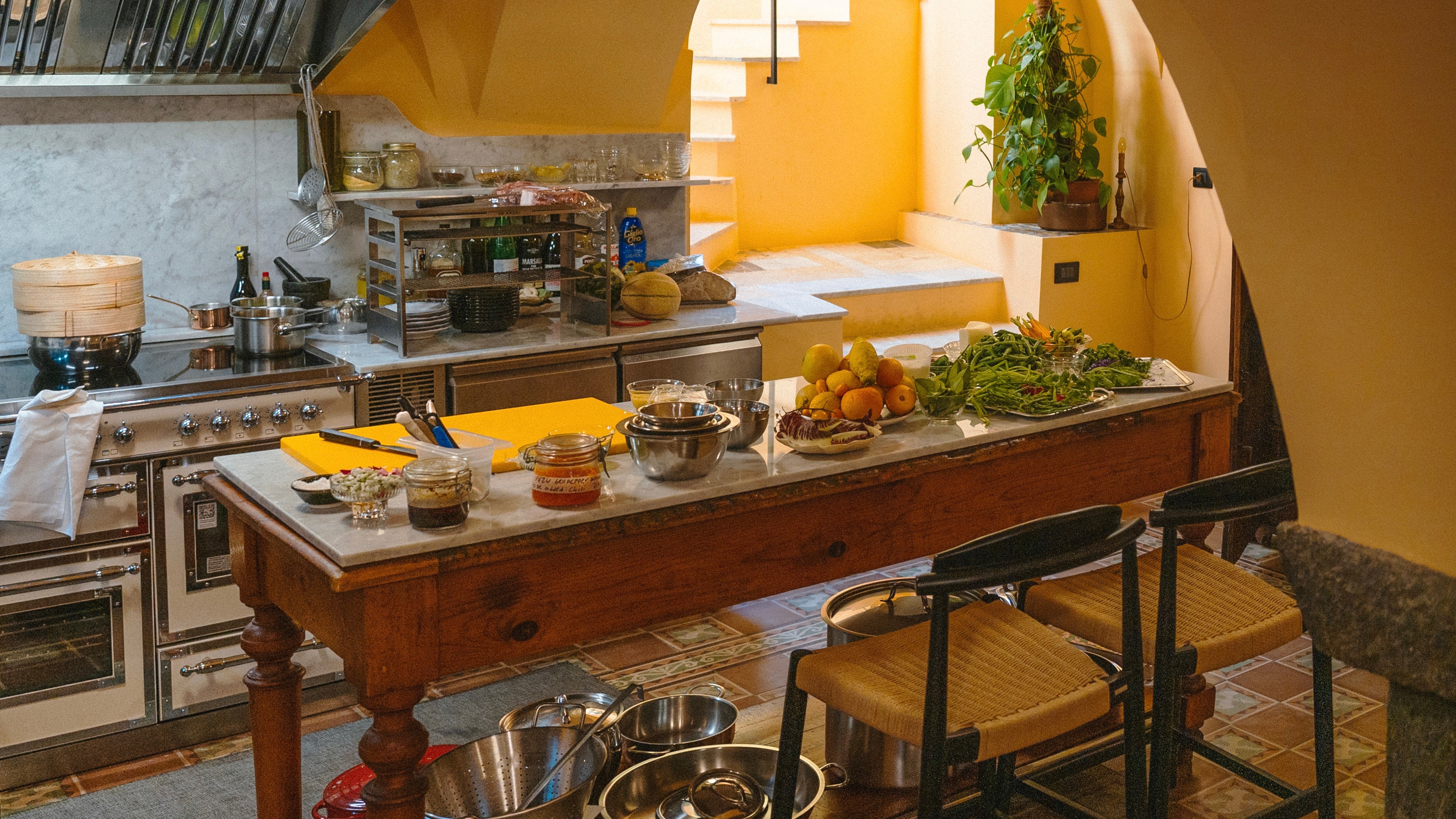
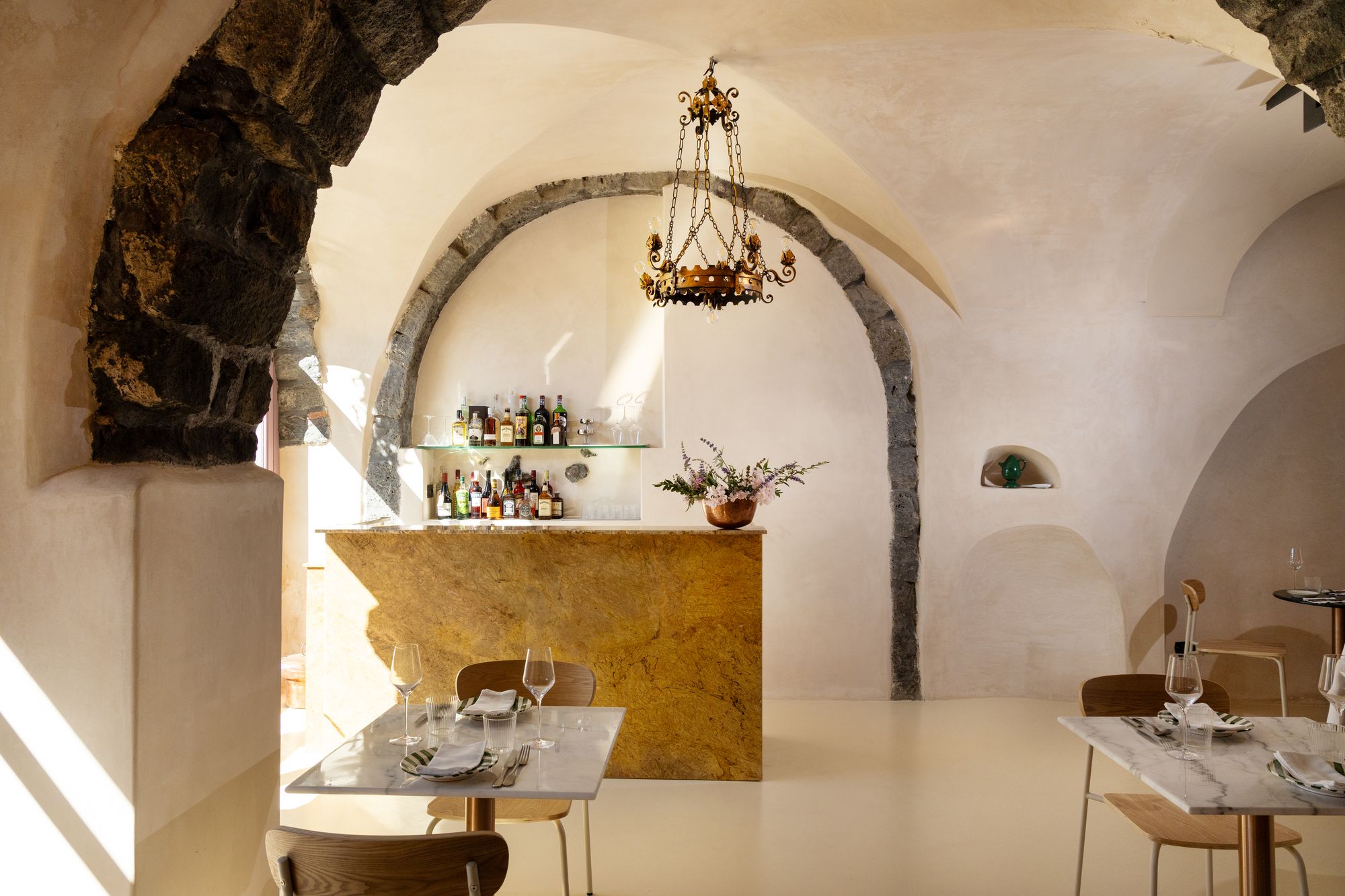
I was there at the start of a tasting tour in the northern area of Etna – or Mongibello as the volcano is also known locally. The trip was arranged by Alfio Puglisi, owner and host of my hotel, Palazzo Previtera, in the nearby little town of Linguaglossa. My stay is a foodie boutique venue and as part of its gourmet ethos, Alfio had devised epicurean trips in the area for me and was enthusiastically acting as my guide.
Read more: 10 best places to visit in Sicily
The volcano’s last serious eruption was in June 2025, with fountains of lava and with columns of ash and gas rising several miles into the air. Was it completely calm now? I asked Alfio. Not entirely, he replied cheerfully: “There’s always activity of some sort – hence the plume of smoke that it continually produces.” Etna, I learnt, has been a habitual smoker since about 1500 BC.


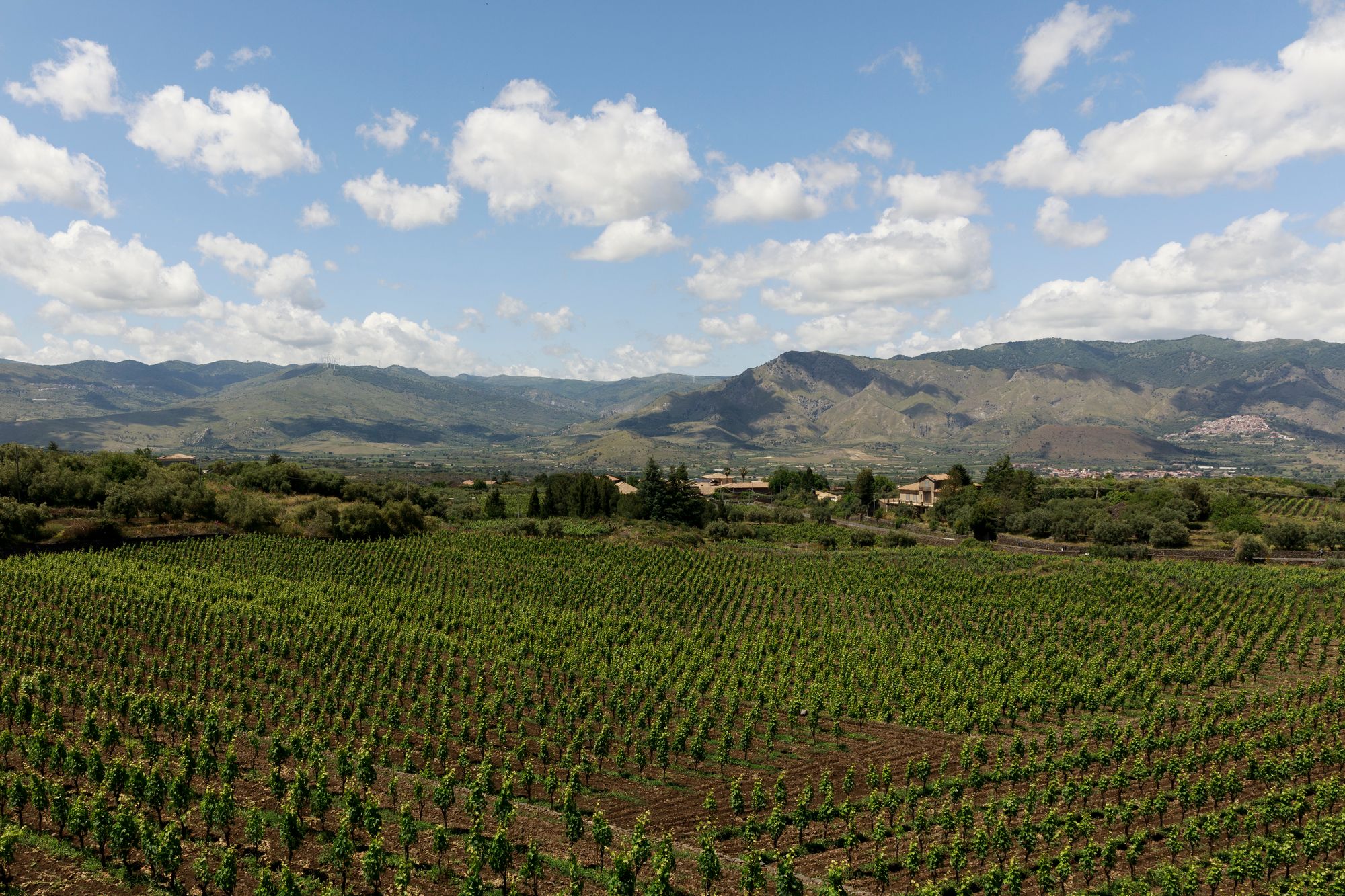
Alfio pointed to the patchwork of fields in the valley far below us, smallholdings with a profusion of olive trees, lemon trees, vines, vegetables and more. It was a land of abundance because of Etna, he remarked with more than a hint of reverence.
The astonishing fertility of the region is largely thanks to mineral-rich volcanic ash feeding into the soil. “The volcano is, of course, a force of destruction,” said Alfio. “But it’s also an incredible resource – and we understand how to benefit from it.”
We strolled on, stopping at a small greengrocers to admire the spread of local produce outside: peaches, apples, hazelnuts, chestnuts, kiwi fruit, avocados, and mangoes that are farmed near Fiumefreddo on the eastern fringes of the Etna region. Though, aside from the views and the vegetation at charming, hilltop Castiglione, we were there to taste cheese.
Read more: Best beach hotels in Sicily
We made our way down narrow streets to Alcantara Formaggi, a family concern that has been producing ricotta, pecorino, caciotta and other cheeses for four generations. Giuseppe Camuglia had just finished taking in the morning’s supply of milk and ushered us into his shop.
As we savoured slivers of smoked scamorza and mellow nero dell’Etna, he told us how he had a close working relationship with the herders of cows and sheep (and some goats) that roam the nearby area. Importantly, the grass and wild herbs impart generous flavour to the unpasteurised milk he uses.
Mouths zinging pleasantly with the taste of a semi-hard provolone aged with an Etna lemon, we moved on.
Driving along small rural lanes, we passed fields of olive trees, prickly pears and vibrant yellow broom (used to flavour gin) divided by walls made of lava stone. Then we reached wine country.
Etna’s wines are increasingly acclaimed and today there are some 200 DOC (Designation of Origin) producers. It’s a particularly exciting industry here because of the diversity of conditions and landscapes. Alfio explained that there’s an enormous range of microclimates in the Etna region, and wines made even within a few kilometres of each other may vary immensely.
We wound past vineyards and stopped at the main site of Terrazze dell’Etna winery, which was set up in 2008 and has grown fairly rapidly. In its sophisticated tasting room (ash-grey walls offsetting a bright red wine cabinet in obvious symbolism), I had a crash-course in Etna grape varieties, the most notable in the northern area being the red grape Nerello Mascalese.
As we got down to the important business of tasting, it took centre stage, particularly in the winery’s deep red Carusu, filled with flavours of cherry and black pepper. While Ciuri, an elegant white wine, is made from the red grape by pressing it gently to separate juice from skin.
At the village of Maletto, about 15 kilometres west, Sonia Gambino runs a very different sort of winery. This is an area traditionally renowned for strawberries, and a little further south west, pistachios; hers is a pioneering winemaking business. Trained in France, she returned to her native Sicily in 2020 to join a big winery in Marsala but Covid promptly arrived and operations stopped.
She went back to her family’s old holiday home in Maletto to sit it out. Her grandfather used to make wine with villagers there, and, finding his old press, she began experimenting with grapes grown by a neighbour.
Soon other villagers started donating grapes grown on their small plots in exchange for wine and so her business, Gustinella Wines, evolved. It is still partly a feel-good community concern, with some plots of vines rented for payment in labour. “We use a lot of Grenache and also a local white variety, Grecanico Dorato, but there are some field grapes we haven’t yet identified,” Sonia explains.
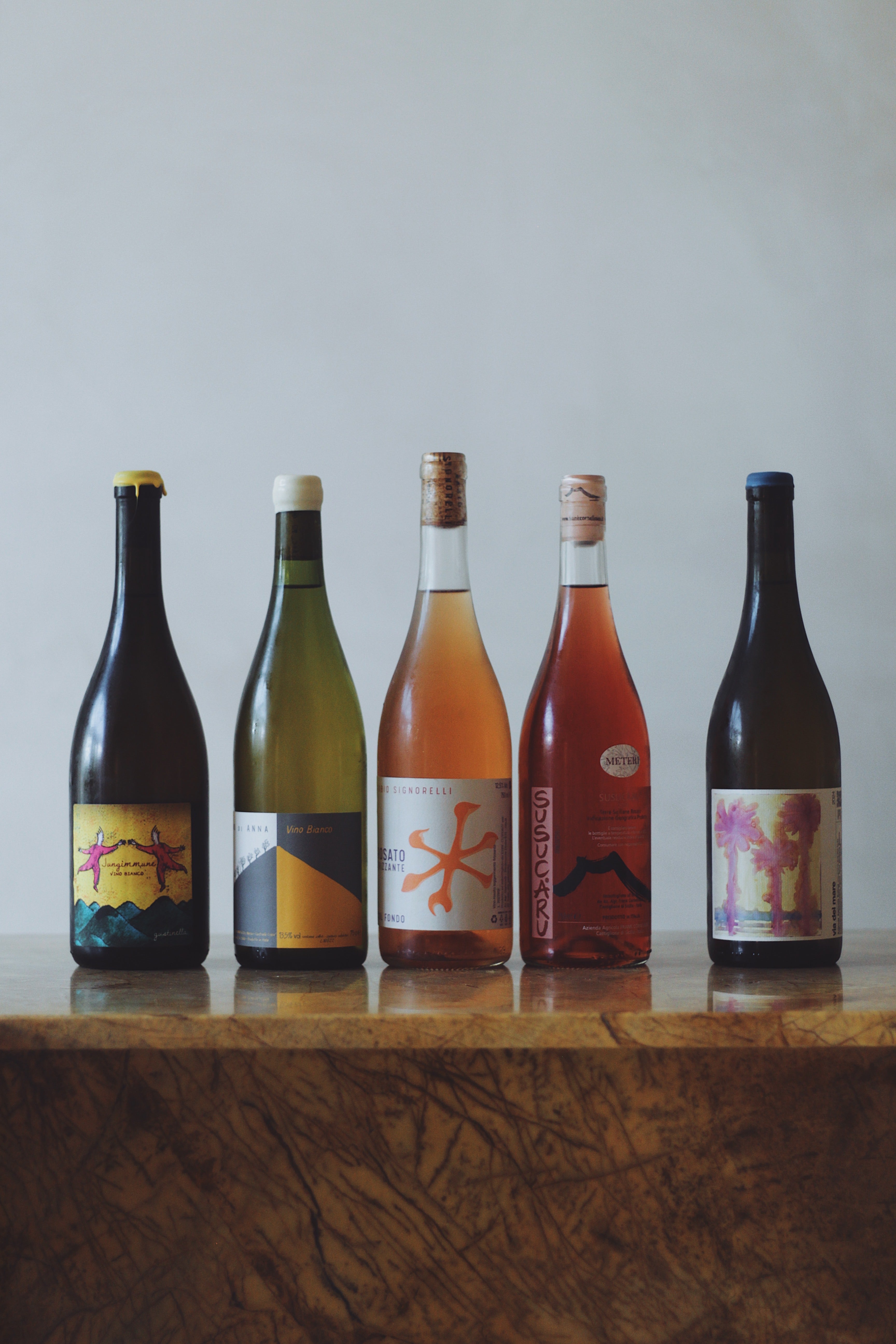
Her flagship wine, Vino di Confine, is a piquant red made with a field blend; but for me the real winner was Jungimmune, her fresh, dry white.
Back at my hotel in Linguaglossa, I took a head-clearing walk around town. Near the 17th-century church of SS Annunziata a series of murals caught my eye. Painted in the 1990s, they celebrate the natural riches of the area, the most striking among them being an image of Etna. The volcano is depicted as a golden-haired woman with an inscrutable smile. Below her is a great basket filled with the bounty of land – olive oil, wine, mushrooms, chestnuts, lemons and more.
Read more: The best hotels in Sicily for luxury retreats, beach stays and family holidays

.jpeg?quality=75&width=230&crop=3%3A2%2Csmart&auto=webp)

Harriet’s stay was hosted by Palazzo Previtera
Where to stay
Doubles at Palazzo Previtera start from £174. The hotel offers tailor-made wine and food trips in the area. A five-hour tour with a driver and a guide costs from £243 per person, including lunch.
Join our commenting forum
Join thought-provoking conversations, follow other Independent readers and see their replies
Comments
Bookmark popover
Removed from bookmarks