Iran’s exiled crown prince says ‘the slaughter of protesters has not stopped’ in fresh appeal to Trump
The recent protests are some of the biggest Iran has witnessed since the 1979 Islamic Revolution
Iran’s exiled crown prince, Reza Pahlavi, has accused the Tehran regime of killing an Iranian protester “every 14 seconds” as he declared the “slaughter has not stopped”.
Pahlavi, the exiled son of the last Shah, said that the Islamic Republic “will fall soon” and called on the international community to support the Iranian people in the face of a brutal crackdown.
His comments came after the US moved the nuclear-powered USS Abraham Lincoln aircraft carrier to the Middle East, a signal of mounting tensions between Washington and Iran.
Trump has warned the regime to halt the killing of protesters but appeared to step back from military action earlier this week, saying he had received assurances that planned executions were not taking place.
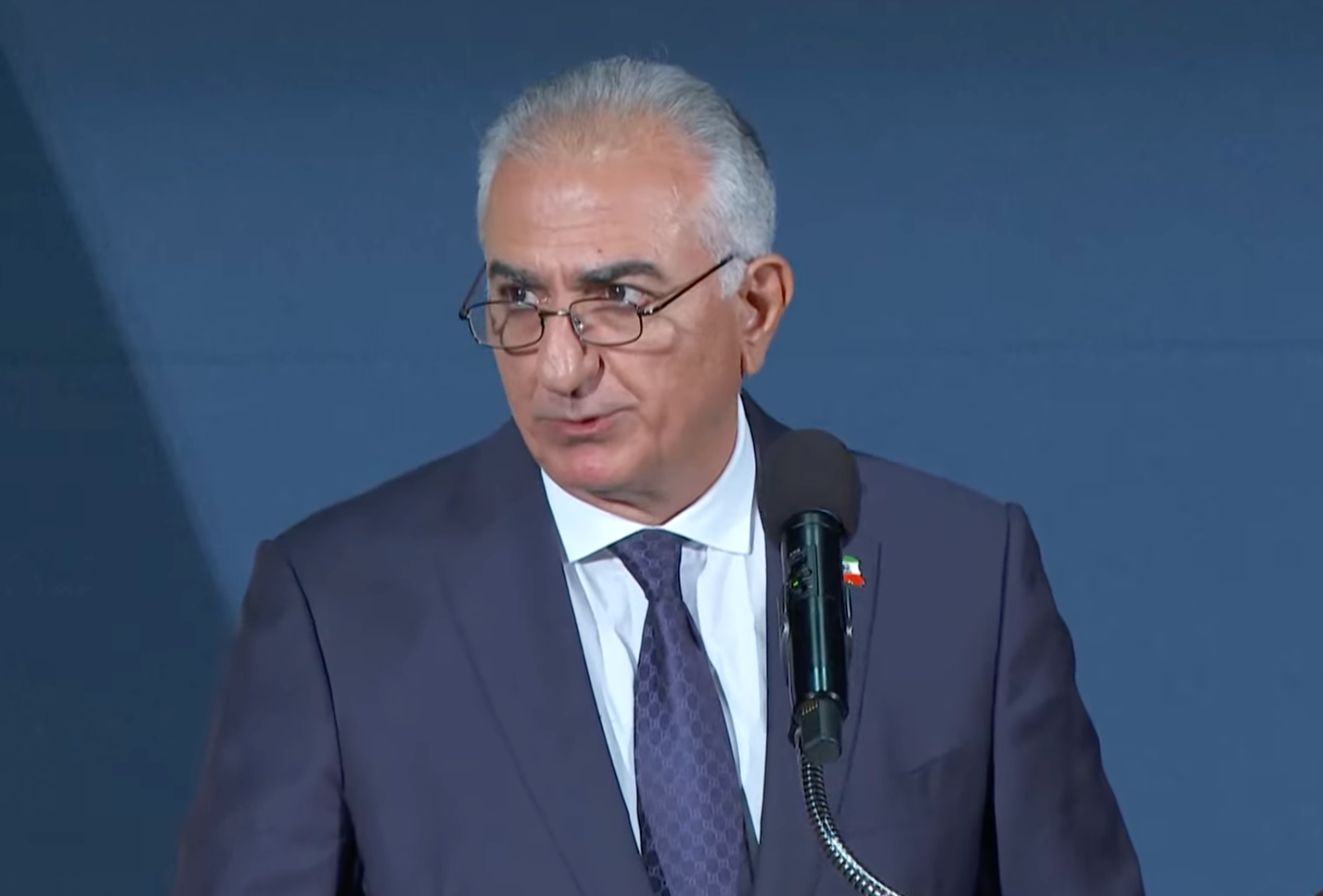
“The Iranian people are taking decisive action on the ground. It is now time for the international community to join them fully,” Pahlavi said, vowing that he would return to Iran because he is “uniquely positioned to ensure a stable transition”.
“The regime will fall. Stand with the people now or watch the cycle of instability continue,” he continued. Addressing the international community, he said: “My brave compatriots ... we need your urgent help right now.”
The American warship and its strike group have moved west from the Indo-Pacific region, satellite data from Copernicus shows, carrying with it fighter jets, guided missile destroyers and an attack submarine.
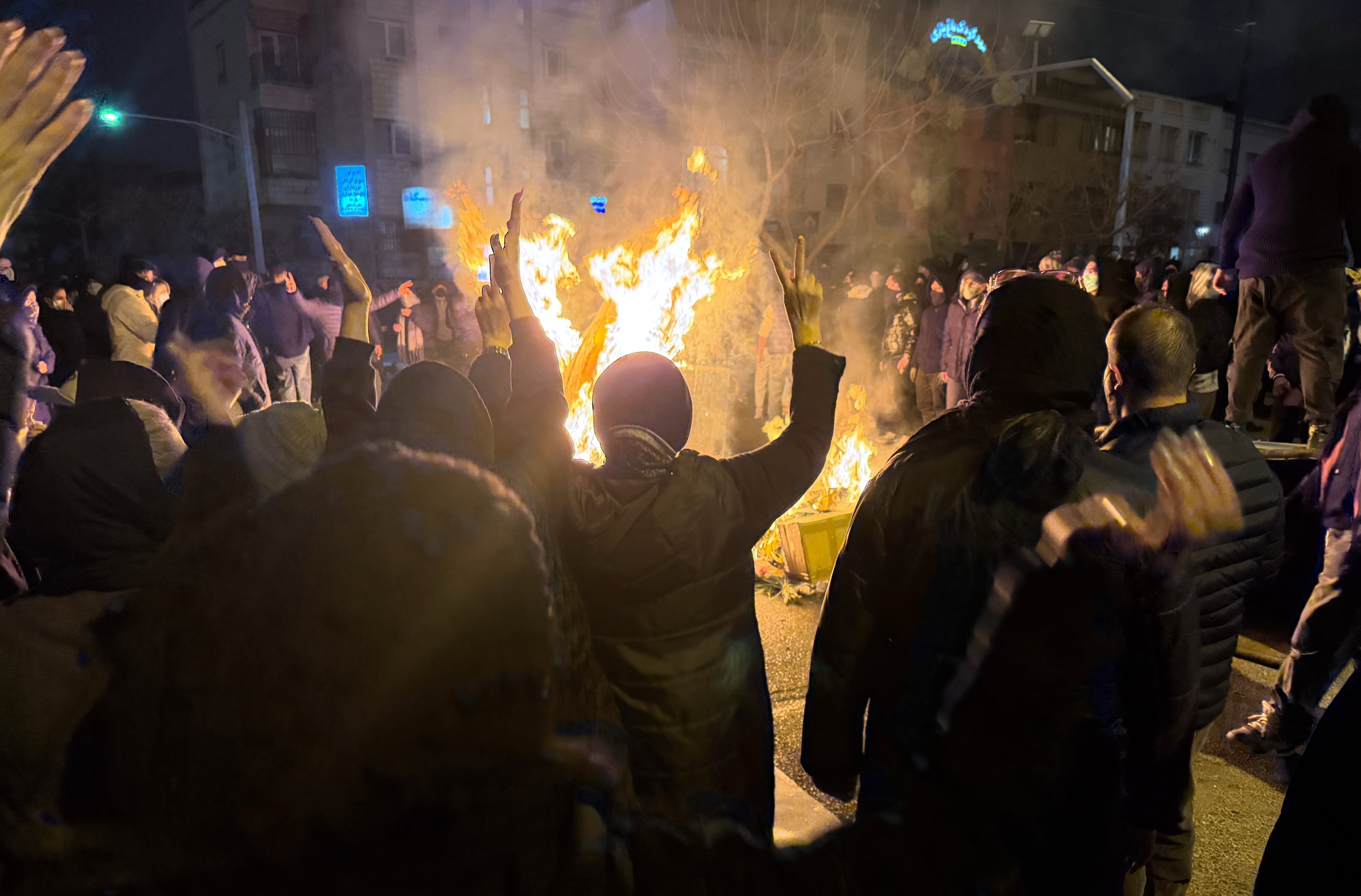
The Trump administration had warned Tehran there would be “grave consequences” if there was further bloodshed in Tehran, after serious unrest in Iran saw the death toll surpass 2,500. Pahlavi claimed that 12,000 Iranians had been killed since the protests began late last month.
The protests began over economic grievances before spiralling into some of the most widespread and deadly protests in years. However, the unrest appears to have receded in recent days, largely due to an internet blackout.
Fears also grew that hundreds of Iranians were set to be executed by the Iranian regime, which in 2025 carried out nearly twice as many executions as it did in 2024.
White House spokesperson Karoline Leavitt said Trump had received assurances that 800 scheduled executions were halted, but that the president was keeping “all of his options on the table”.
Erfan Soltani, 26, was named by Norway-based Kurdish human rights organisation Hengaw as the first Iranian scheduled for execution in relation to the protests. His family had been told he faced execution on Wednesday, just days after he was arrested.
But Iran’s judiciary later denied it had scheduled his execution. It said Mr Soltani faced charges of “colluding against national security" and “propaganda activities”, but that neither is punishable by the death penalty, according to state broadcaster IRIB.

An internet and phone blackout imposed by the Iranian regime during the protests has meant that information leaving the country since last Thursday has been scarce.
Iranian foreign minister Abbas Araghchi said earlier this week that the blackout would be lifted, without providing a timeframe. It appears to have been partially relaxed, with some Iranians able to call people outside the country, and accounts of the violence are now becoming clearer.
Several residents of Tehran said the capital had been quiet since Sunday. They said drones were flying over the city, where they’d seen no sign of protests on Thursday or Friday.
One woman in Tehran told Reuters over the phone that her daughter was killed on Friday after joining a demonstration near their home. “She was 15 years old. She was not a terrorist, not a rioter. Basij forces followed her as she was trying to return home,” she said, referring to a branch of the security forces often used to quell unrest.
Hengaw said that there had been no protest gatherings since Sunday, but “the security environment remains highly restrictive”.

“Our independent sources confirm a heavy military and security presence in cities and towns where protests previously took place, as well as in several locations that did not experience major demonstrations,” the group said in comments to Reuters.
But there have been indications of some minor unrest in certain areas. A nurse was killed by direct gunfire from government forces during protests in Karaj, west of Tehran, according to Hengaw.
The state-affiliated Tasnim news outlet reported that rioters set fire to a local education office in Falavarjan County, in central Isfahan Province, on Thursday.
An elderly resident of a town in Iran’s northwestern region, where many Kurdish Iranians live and which has been the focus for many of the biggest flare-ups, said sporadic protests had continued, though not as intensely.
Join our commenting forum
Join thought-provoking conversations, follow other Independent readers and see their replies
Comments
Bookmark popover
Removed from bookmarks