What is happening in Iran? Internet blackout continues after widespread anti-regime protests
Donald Trump continues to threaten Iran’s Islamic regime with military action
Donald Trump continues to threaten the use of military action in Iran after a deadly crackdown on protests appeared to have quelled threats to the regime.
At least 2,637 have been reported killed, according to the US-based Human Rights Activist News Agency and around 20,000 have been arrested.
Some experts suggest that the numbers are a gross underestimate and that up to 12,000 to 20,000 people could have been killed in the repression, according to CBS. The death toll includes at least 135 security personnel.
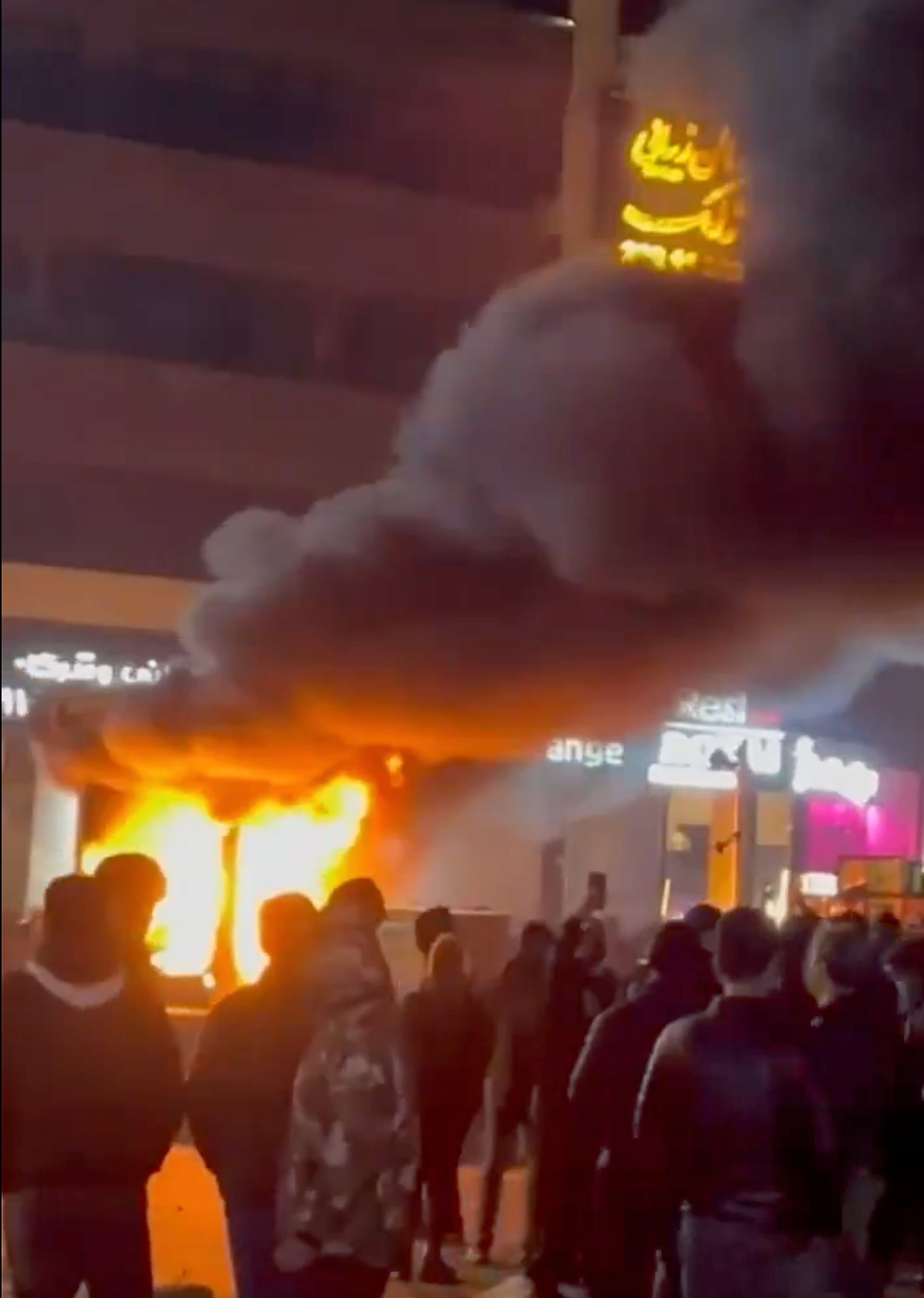
Buildings, buses and shops were burned to the ground, turning Iran’s capital Tehran into a “war zone” as protests broke out nationwide a fortnight ago.
Follow the latest updates here.
This unrest follows a tumultuous period for the regime, which is still recovering from a heavy 12-day conflict in June, initiated by Israel, that saw US forces bomb Iranian nuclear facilities.
Here’s what to know about the protests and the challenges facing Iran’s government.
How widespread are the Iran protests?
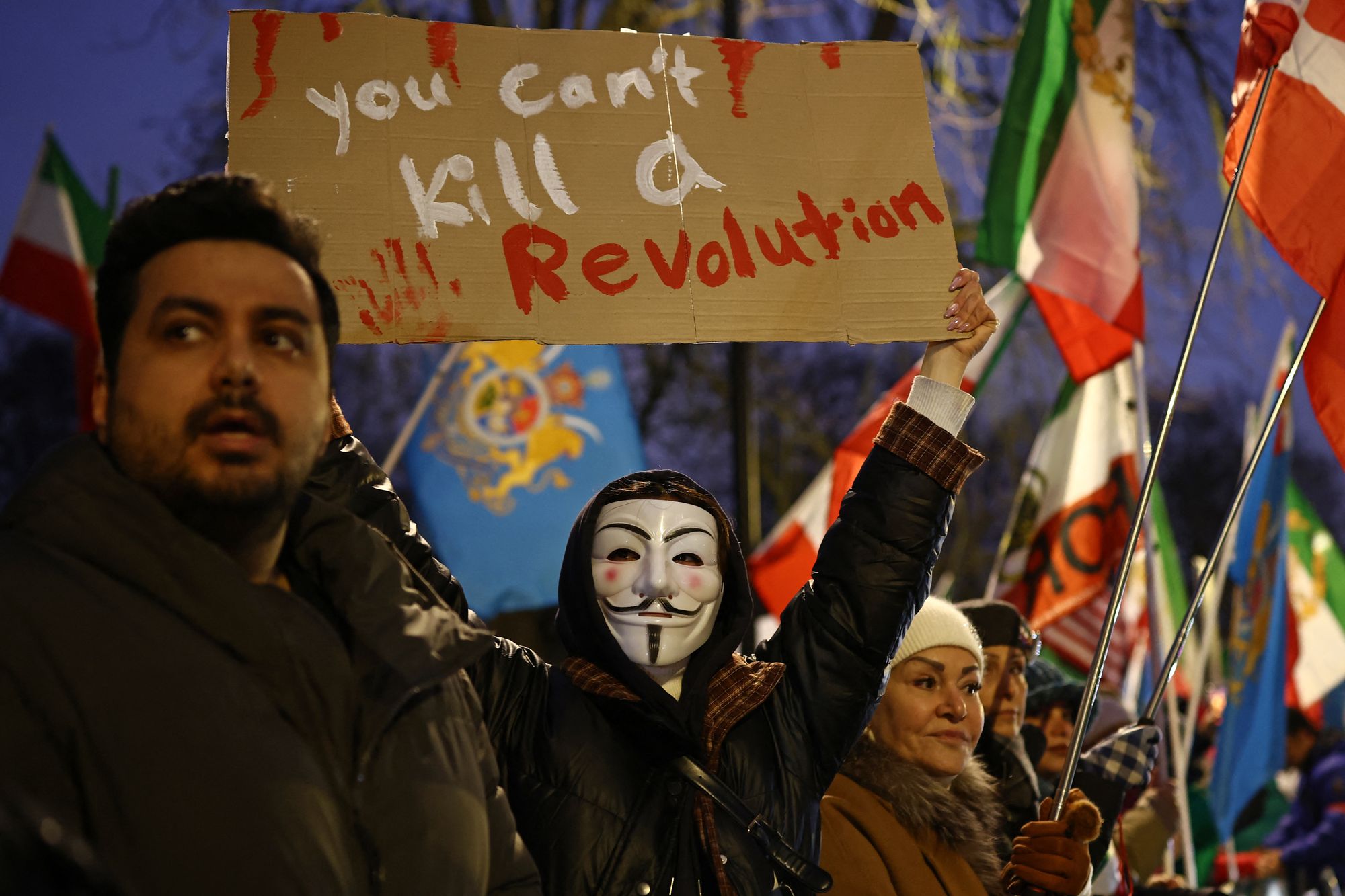
Iran has seen hundreds of protests erupt across all 31 provinces in the last two weeks.
The US-based Human Rights Activists News Agency (HRANA) said demonstrations had formed in 585 locations, across 186 cities.
Tallying casualties and monitoring the spread of protests has been made difficult by Iran’s decision to impose a nationwide internet blackout on Thursday, as opposition factions encouraged Iranians to resist.
Online videos offer only brief, shaky glimpses of people in the streets or the sound of gunfire. Journalists in general in Iran also face limits on reporting such as requiring permission to travel around the country, as well as the threat of harassment or arrest by authorities.
Why did the protests start?
Protests broke out in two major markets in downtown Tehran on 28 December, after the Iranian rial plunged to 1.42 million to the US dollar, a new record low.
The collapse of the rial has led to a widening economic crisis in Iran. Prices are up on meat, rice and other staples. The nation has been struggling with an annual inflation rate of some 40 per cent.
In December, Iran introduced a new pricing tier for its nationally subsidised gasoline, raising the price of some of the world’s cheapest gas and further pressuring the population. Tehran may seek steeper price increases in the future, as the government will now review prices every three months.
Meanwhile, food prices are expected to spike after Iran’s Central Bank ended a preferential, subsidised dollar-rial exchange rate for all products except medicine and wheat.
While protests initially focused on economic issues, the demonstrations soon saw protesters chanting anti-government statements as well.
Anger has been simmering for years, particularly after the death of 22-year-old Mahsa Amini in police custody in 2022. Amini died in hospital after being arrested by the so-called ‘morality police’ for allegedly not wearing a headscarf in line with local rules.
Nationwide internet blackout: ‘Escalating digital censorship’
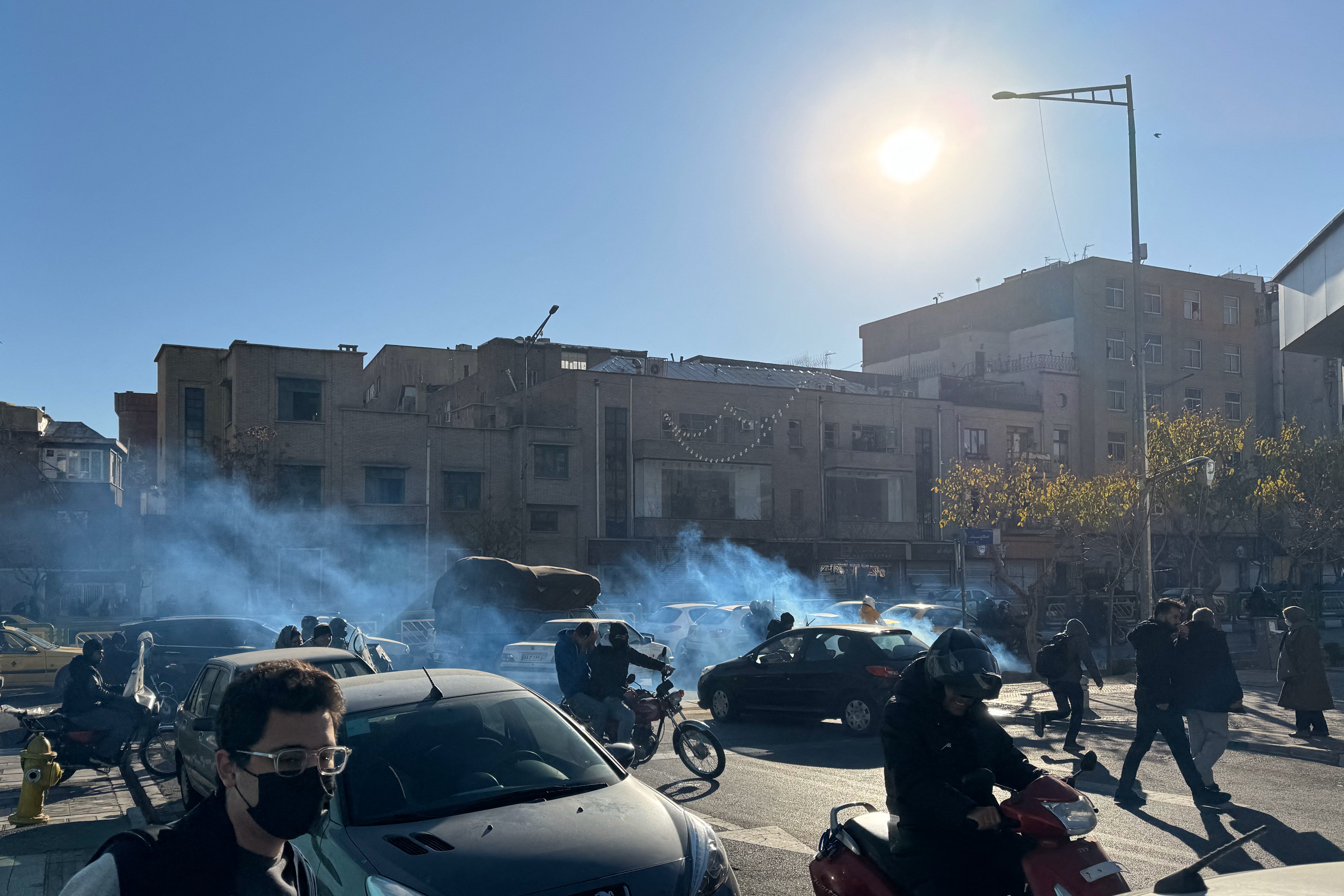
A nationwide internet blackout was reported in Iran on Thursday 14 January, according to internet monitoring group Netblocks. Iranians abroad have said they have been unable to contact their families due to the restrictions in place.
A statement from the group reads: “Live metrics show Iran is now in the midst of a nationwide internet blackout; the incident follows a series of escalating digital censorship measures targeting protests across the country and hinders the public's right to communicate at a critical moment.”
National connectivity flatlined at ~1% of ordinary levels, and information on the protests dried up. Iran’s military continued to warn civilians against joining protests, and rights groups continued to publish updated figures on casualties.
Ayatollah Khameini’s response to political unrest
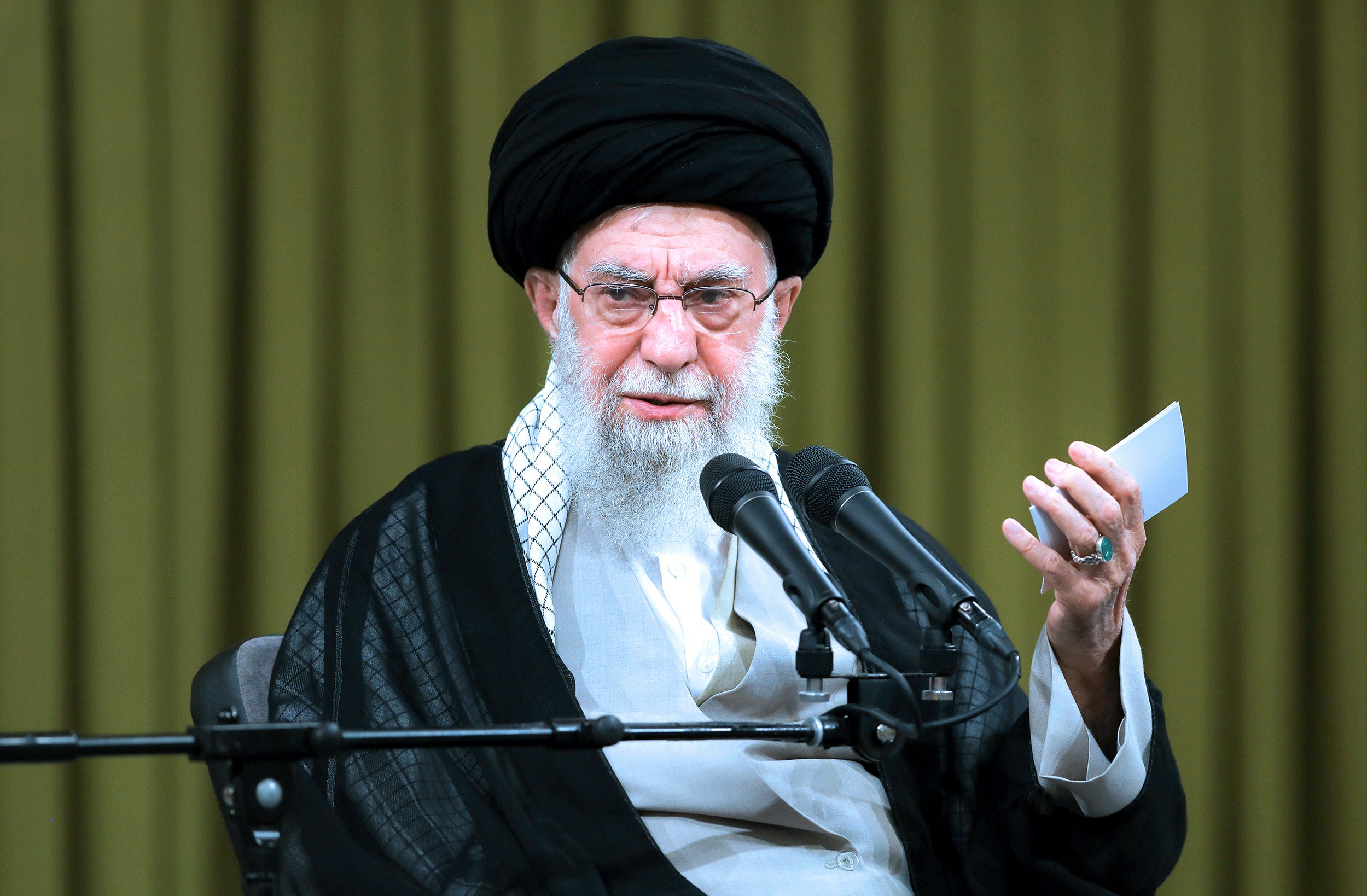
Khameini insisted the Islamic Republic would not “back down” in an address to the nation.
“The Islamic Republic will not tolerate mercenaries working for foreign powers,” he continued. “To President Trump: focus on the problems in your own country.
“Everyone should know that the Islamic Republic came to power with the blood of hundreds of thousands of honourable people, and it will not back down in the face of saboteurs.”
Iran’s president Masoud Pezeshkian originally said that protesters concerns must be listened to but he soon switched tack citing the involvement of foreign agents who are reported to be encouraging a revolution.
In a statement broadcast by state TV, the Islamic Revolutionary Guard Corps - an elite force which has suppressed previous bouts of unrest - accused "terrorists" of targeting military and law enforcement bases. It said several citizens and security personnel had been killed and public and private property set on fire.
At least 800 people are reportedly due to be executed for their involvement in the demonstrations. Erfan Soltani, a 26-year-old clothes shop owner, was due to be executed earlier this week according to rights groups. His death was delayed after Iran gave Trump reassurances that no protesters would be killed.
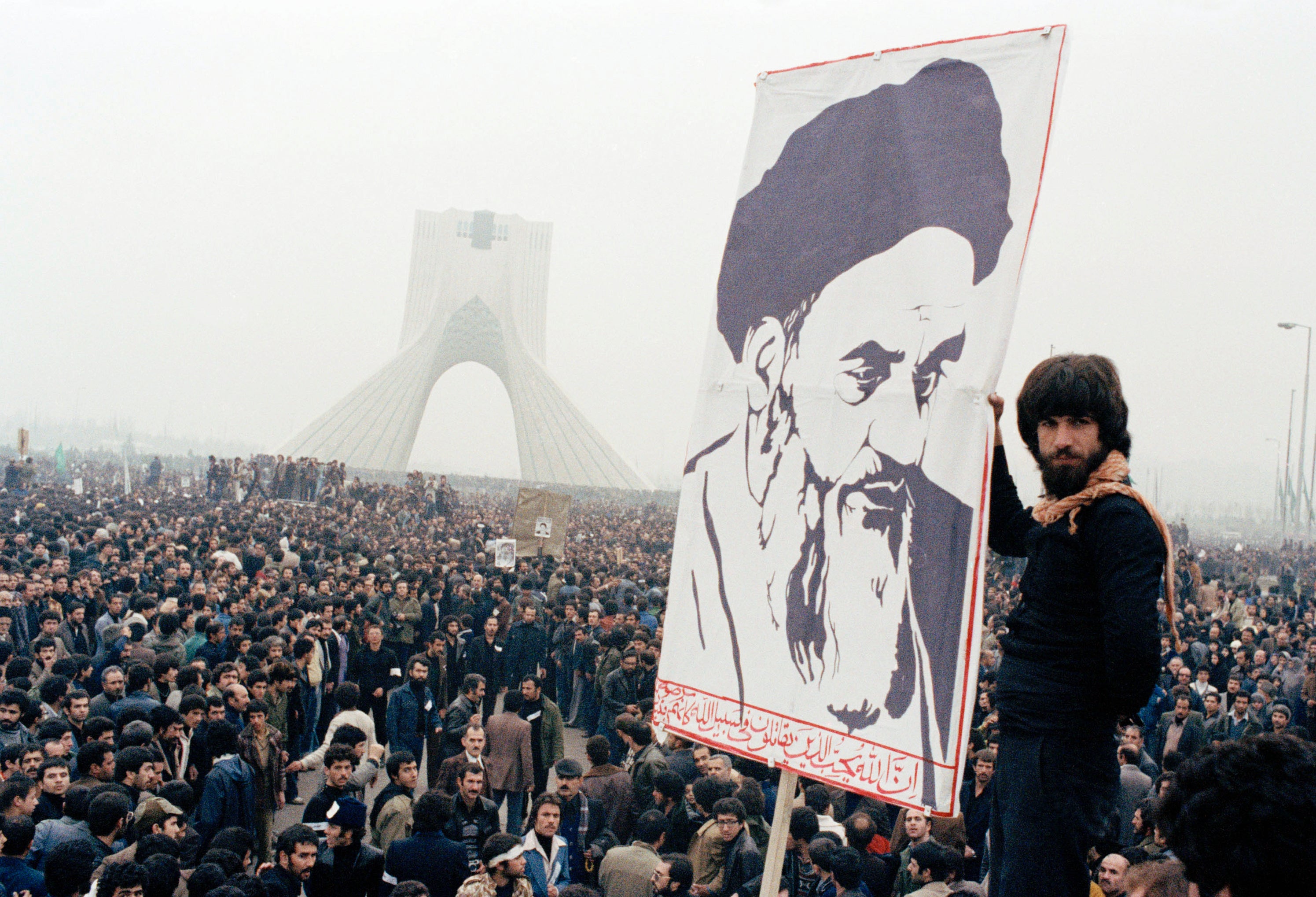
What does it mean for Iran’s nuclear capabilities?
Iran has insisted for decades that its nuclear programme is peaceful. However, its officials have increasingly threatened to pursue a nuclear weapon.
Iran had been enriching uranium to near weapons-grade levels prior to the US attack in June, making it the only country in the world without a nuclear weapons programme to do so.
Tehran also increasingly cut back its cooperation with the International Atomic Energy Agency, the UN’s nuclear watchdog, as tensions increased over its nuclear programme in recent years. The IAEA’s director-general has warned Iran could build as many as 10 nuclear bombs, should it decide to weaponise its programme.
US intelligence agencies have assessed that Iran has yet to begin a weapons programme, but has “undertaken activities that better position it to produce a nuclear device, if it chooses to do so”.
Iran recently said it was no longer enriching uranium at any site in the country, trying to signal to the West that it remains open to potential negotiations over its atomic programme to ease sanctions. But there’s been no significant talks in the months since the June war.
Are Trump, the US and Israel involved?
Iranian authorities have blamed “terrorist agents” from the US and Israel for the unrest. The Ayatollah called protesters “saboteurs” and said they were “ruining their own streets [to] make the president of another country happy”.
Israel’s heritage minister Amichai Eliyahi sparked backlash when he suggested that Israeli agents were involved. “When we attacked in Iran during 'Rising Lion' we were on its soil and knew how to lay the groundwork for a strike. I can assure you that we have some of our people operating there right now,” he told Galei Tzahal Army Radio, according to Israel Hayom.
US president Donald Trump warned that if Tehran “violently kills peaceful protesters” the US “will come to their rescue,” threats that acquired fresh resonance following the capture of Venezuelan President Nicolas Maduro, a long-standing ally of Tehran.
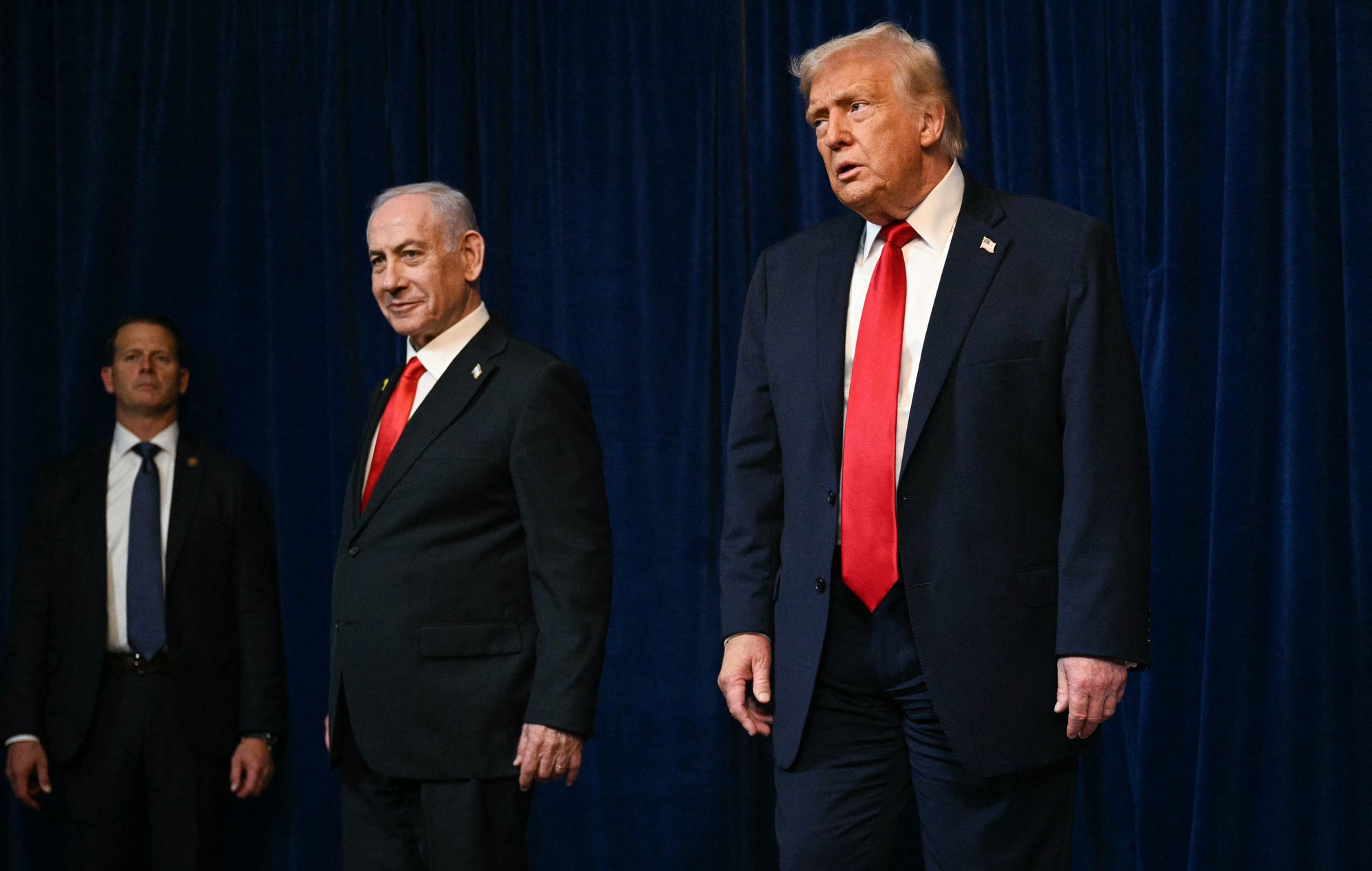
Iran's parliament speaker, Mohammad Bagher Qalibaf, warned that the US military and Israel would be "legitimate targets" if America strikes the Islamic Republic.
"In the event of an attack on Iran, both the occupied territory and all American military centres, bases and ships in the region will be our legitimate targets," Mr Qalibaf said.
"We do not consider ourselves limited to reacting after the action and will act based on any objective signs of a threat."
Threats of a strike appear to have lessened after “last-minute” talks with officials from Saudi Arabia, Oman and Qatar appeared to persuade Trump to refrain from attacking the region. Israeli prime minister Benjamin Netanyahu is also reported to have talked Trump out of striking the country, according to a White House official as reported by the New York Times.
Join our commenting forum
Join thought-provoking conversations, follow other Independent readers and see their replies
Comments
Bookmark popover
Removed from bookmarks