‘Little Napoleon in an SS coat’: Border Patrol commander Greg Bovino’s rise and fall
Customs and Border Protection commander stood down from Trump administration’s Minneapolis operation after second fatal shooting of a U.S. citizen in a month
Greg Bovino, Customs and Border Protection’s Commander at Large, has been removed from his role fronting President Donald Trump’s illegal immigration crackdown in Minneapolis, according to reports.
The decision follows the fatal shooting of Alex Pretti, 37, after a confrontation with officers on Saturday, which followed the earlier killing of another demonstrator, Renee Good, also 37, on January 7.
Amid growing public hostility to the ICE-led operation, Trump moved to act on Monday, placing border czar Tom Homan in charge of operations in the state, staging late-night crisis talks with Homeland Security Secretary Kristi Noem and her top aide Corey Lewandowski, and sending Bovino, 55, back to his native California.
DHS Assistant Secretary Tricia McLaughlin denied that the CBP leader, who has been nicknamed the “Little Napoleon” for his short stature, had been demoted.
“Chief Gregory Bovino has NOT been relieved of his duties,” she wrote on X (Twitter). “As White House Press Secretary Karoline Leavitt stated from the White House podium, Commander Bovino is a key part of the president’s team and a great American.”
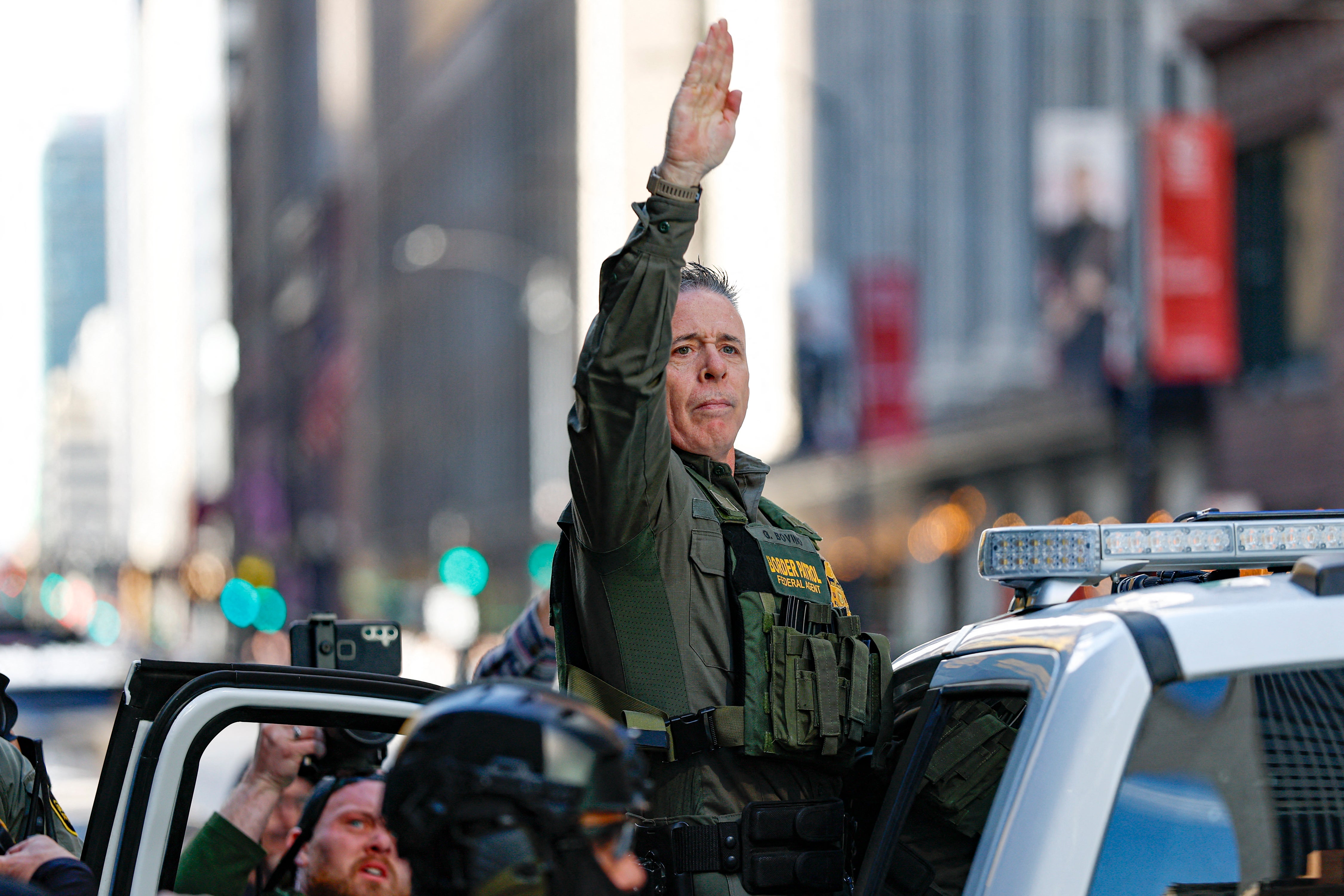
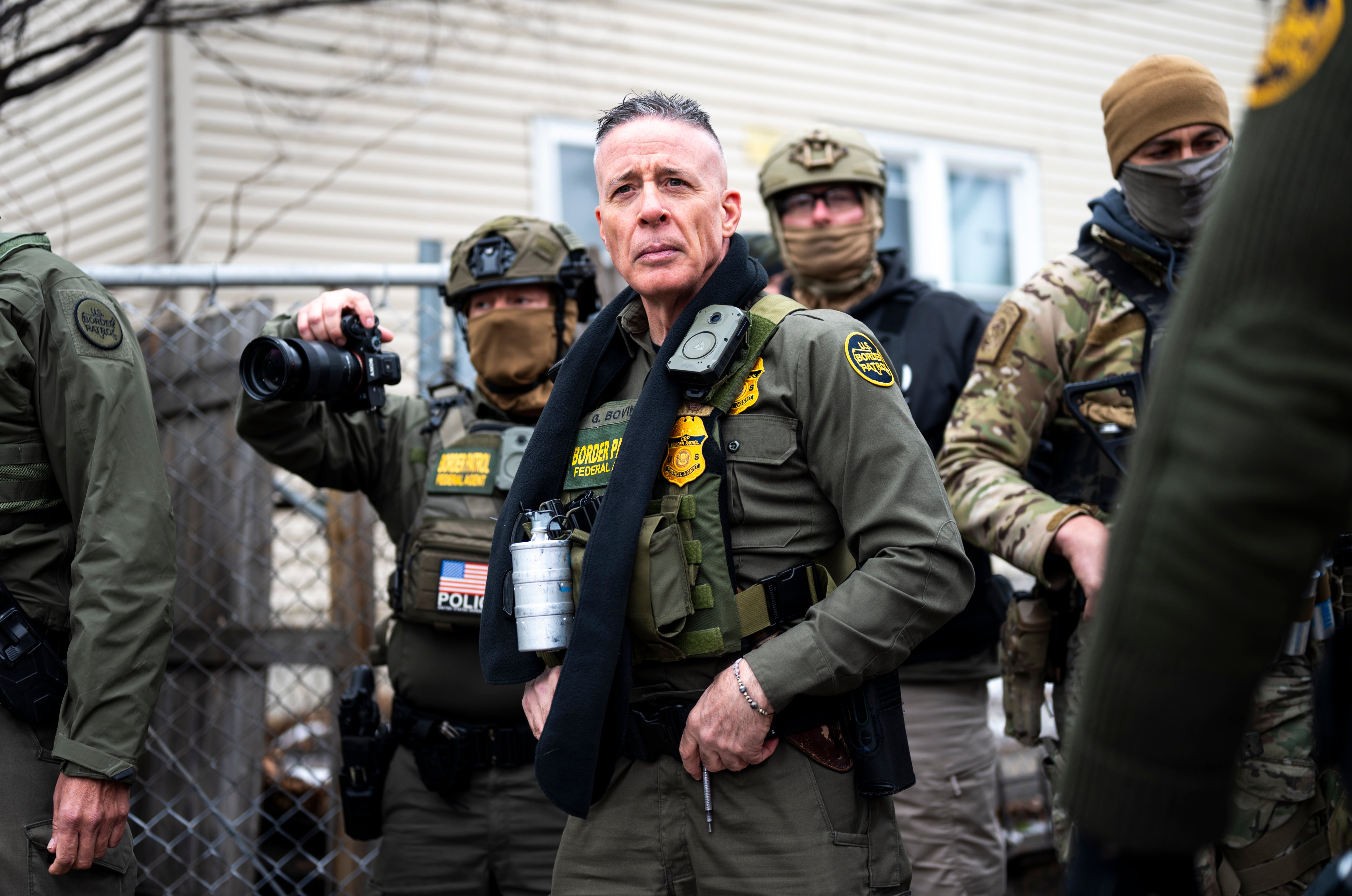
Bovino has become one of the faces of the Trump administration’s anti-immigration push in the last six months.
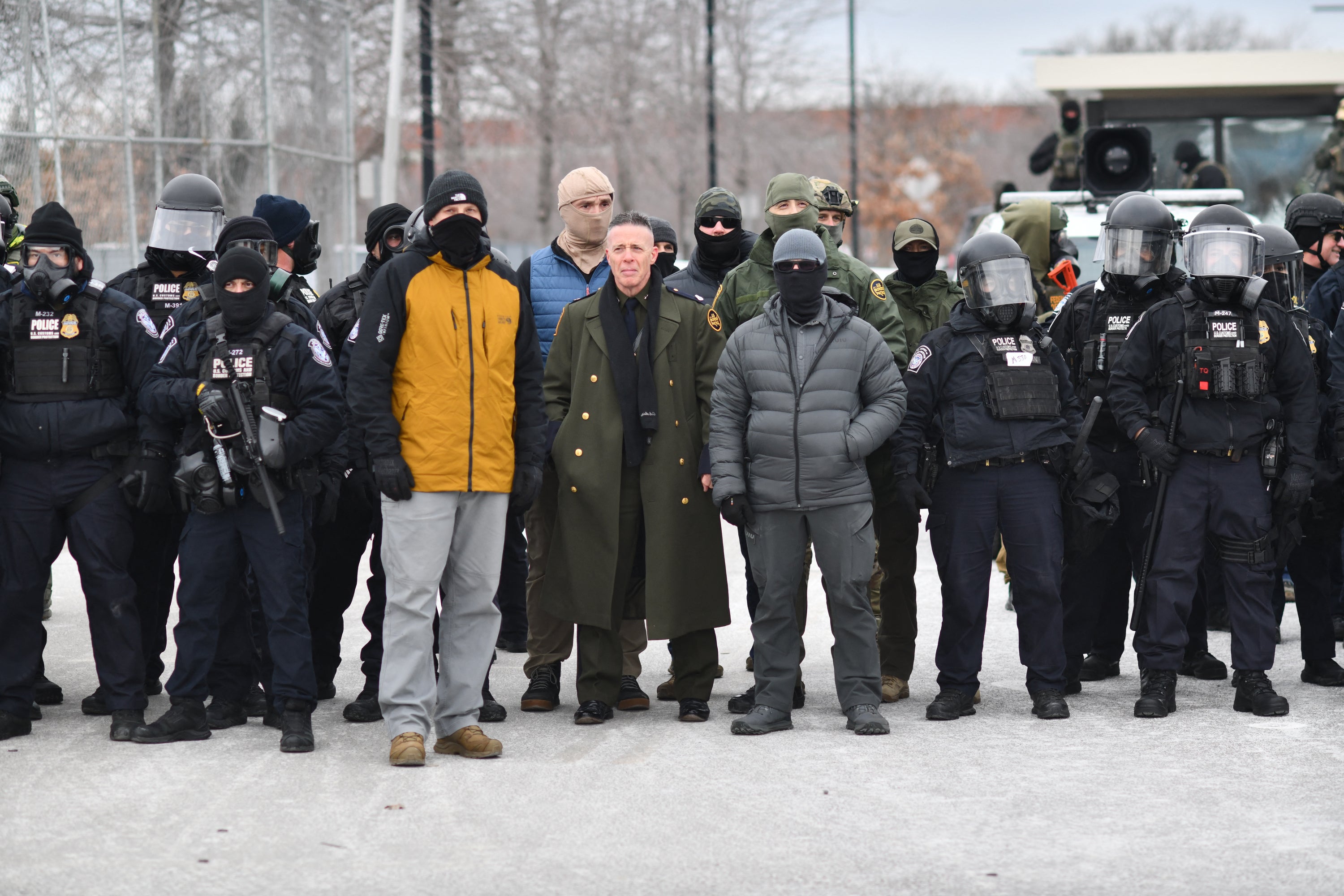
Critics of the operation on social media regularly point to photographs of the commander, with his jarhead haircut and penchant for long military coats, of echoing the fascist aesthetics of the past.
California Gov. Gavin Newsom joked at the World Economic Forum in Davos last week that Bovino dressed “as if he literally went on eBay and purchased SS garb.”
Ironically, Bovino’s own family only relatively recently migrated to the United States: his great-grandfather, Michele, came from Calabria, Italy, in 1909, originally to work in Pennsylvania's coal mines.
Gregory Kent Bovino was born in 1970 in San Bernardino County, California, before his parents relocated to Blowing Rock, North Carolina.
His father, Michael, who had worked on a Golden State military base during the Vietnam War and later owned a bar, was a “hard” man, according to Bovino’s sister Natalie, who bought his son his first gun at age eight and taught him to shoot rabbits and squirrels.
At 11, according to The Times, Bovino was impressed by the 1982 action filmThe Border, starring Jack Nicholson and Harvey Keitel, but disapproved of its portrayal of officers defending the U.S.-Mexico border as lawless and corrupt.
Around the same time, Bovino’s family fell apart after his father killed a young woman in a drunk driving accident, and subsequently pleaded guilty to a misdemeanor charge of death by motor vehicle, spending four months in prison.
The tragedy forced him to sell his bar, and the family suffered financial hardship, ultimately causing Bovino’s parents to divorce.
Bovino nevertheless graduated from Western Carolina University in 1993 and attended Appalachian State University for graduate school and, in 1996, joined CBP and was assigned to El Paso, Texas.
He quickly rose through its ranks, serving as an assistant Border Patrol chief in Yuma, Arizona, from 2008 and ultimately led sectors in New Orleans and El Centro, back in California.
Bovino was sued by two Black officers during his time in Louisiana, who accused him of overlooking them for promotion in favor of a white officer with whom he was a personal friend.
In recent years, Bovino reportedly became incensed by the actions of President Joe Biden, who he felt had rolled back what he considered to be the good work of the preceding Trump administration and allowed illegal immigrants to come flooding back into the country from Central America.
Bovino was promoted by the returning Trump last year because, in the words of McLaughlin, the president considered him a “badass” and admired his unapologetically macho approach to the task.
His actions in Los Angeles and Chicago last year, including aggressive “turn and burn” tactics in minority communities and allegations of racial profiling, have since caused him to rise to national prominence, not to say notoriety.
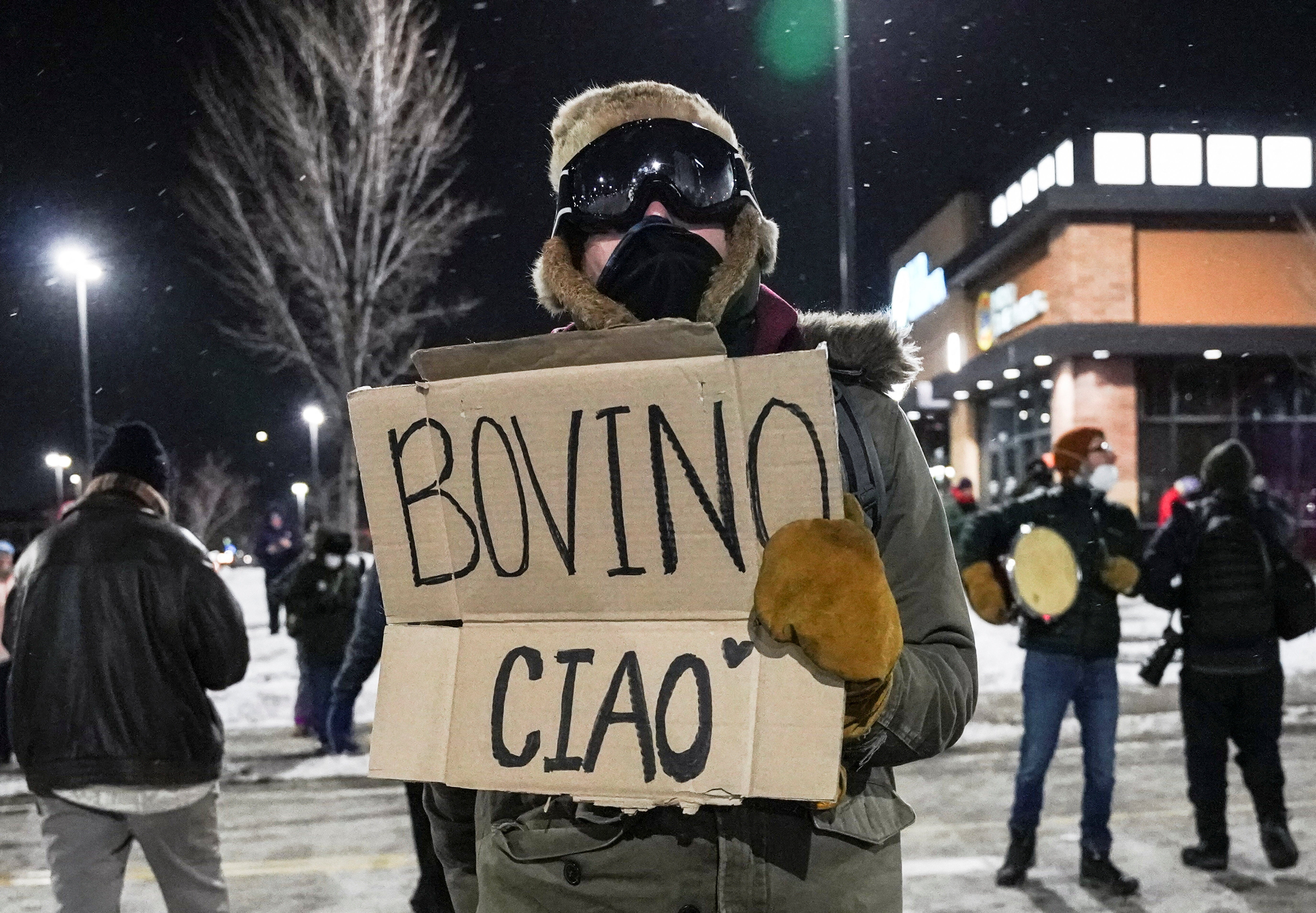
Bovino appeared in court in Chicago in October and was accused of lying by U.S. District Judge Sara Ellis, who disputed his claim that he had been hit in the head with a rock thrown by a protester, which he had given as justification for firing tear gas on activists opposing the administration’s Operation Midway Blitz.
Jenn Budd, author of the book Against the Wall: My Journey from Border Patrol Agent to Immigrant Rights Activist, had a more surprising label for Bovino, telling theTimes he is “the Liberace of the Border Patrol.”
“He was just a little Napoleon who wants you to think that he is the most moral and capable guy in the world, and everything around you is dangerous but he’s the one who’s going to save you,” Budd said. “It’s all a show for him.”
She continued: “He laughs when they call him out on the stuff, and it’s just a bro thing. He’s just going around with his bros, just capturing migrants and people of colour and harassing people.
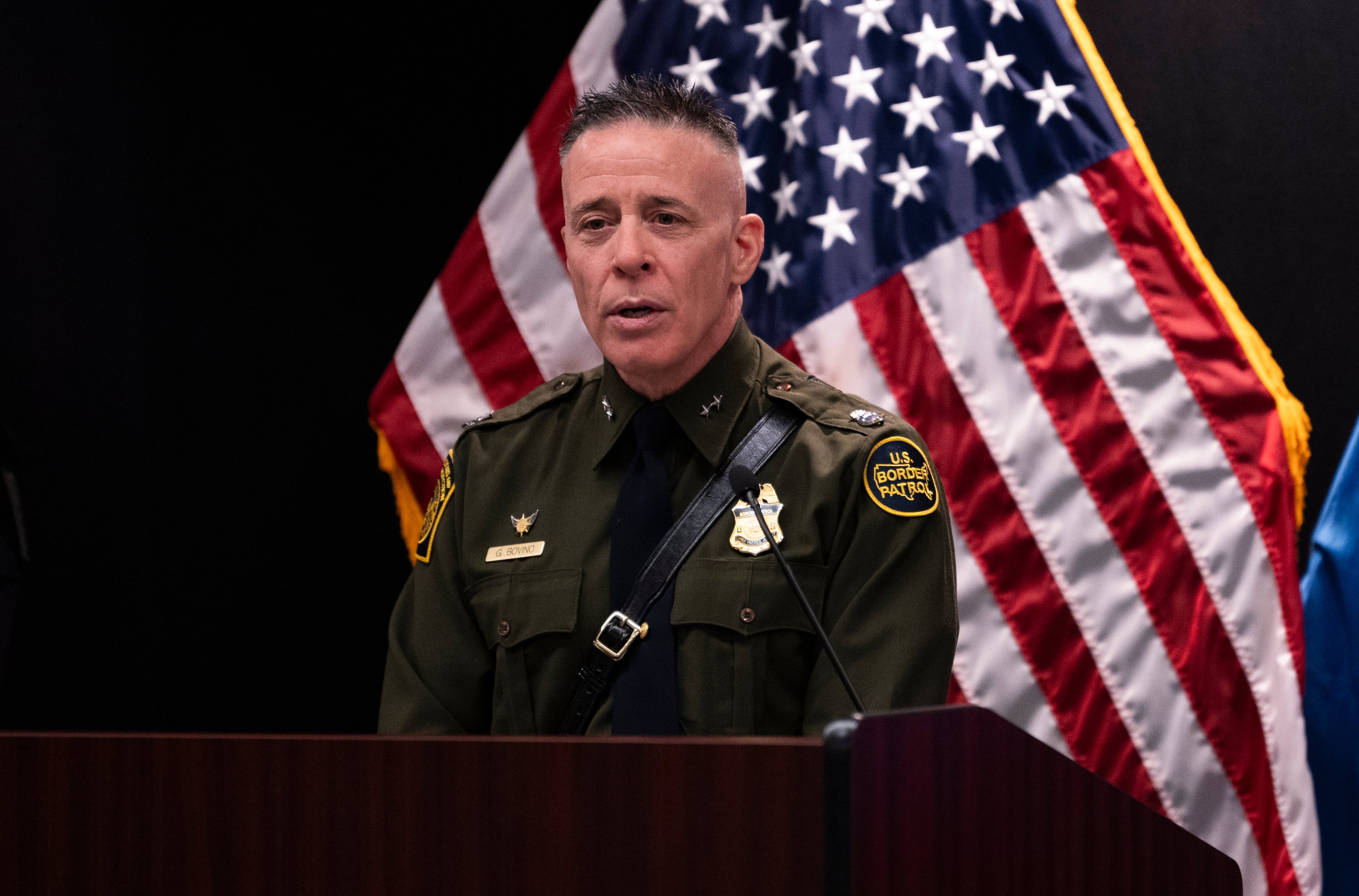
Bovino delivered a press conference over the weekend in response to the death of Pretti, at which he claimed the victim, who was armed, had been intent on inflicting “maximum damage” and was seeking to “massacre law enforcement,” for which there is little evidence.
He also blamed Democrats and journalists for the escalating tensions in Minneapolis and dodged questions about whether his agency bore responsibility.
“When politicians, community leaders and some journalists engage in that heated rhetoric we keep talking about, when they make the choice to vilify law enforcement, calling law enforcement names like Gestapo or using the term kidnapping, that is a choice that has made their actions and consequences that come from those choices,” he said.
CNN has since reported that his actions on social media accounts have been suspended, and The Atlantic has said he could “retire soon” following his return to El Centro.
Bovino previously told the Associated Press last year that he intends to return to North Carolina to harvest apples as soon as he reaches the mandatory retirement age of 57.
Join our commenting forum
Join thought-provoking conversations, follow other Independent readers and see their replies
Comments
Bookmark popover
Removed from bookmarks