The Independent's journalism is supported by our readers. If you submit a form or click links to other sites on this page, we will earn commission.
How much do new windows cost in 2026?
We break down average window prices, outline the factors that affect costs and help you compare quotes confidently for any window upgrade

Replacing your windows can significantly improve your home’s warmth, comfort and energy efficiency, but understanding how much new windows cost isn’t always straightforward. The cost of new windows can vary widely depending on the style you choose, the frame material, the number of windows you’re replacing and where you live in the UK. A simple uPVC casement window may sit at the budget-friendly end of the spectrum, while aluminium, timber or bespoke designs can raise the overall price considerably.
In this guide, we break down typical costs for the most common window types, explain the factors that influence the final quote and outline what you can expect to pay for a full-house replacement. Whether you’re swapping out a single ageing window or planning a whole-property upgrade, knowing the price ranges upfront will help you compare installers with confidence and avoid unexpected costs.
Get a quote for new windows in your home
Use our comparison tool to get free quotes from some of the UK’s leading window installers.
UK windows prices at a glance
The cost to replace windows in the UK can vary considerably depending on the number of windows, their size, and the materials used. On average, most homeowners spend between £4,000 and £7,000 to replace all the windows in a typical three-bedroom semi-detached house, but this figure can rise to more than £15,000 for larger properties or premium materials.


To provide expert context on what homeowners can expect to pay when budgeting for their replacement windows cost, we spoke with Victoria Brocklesby, COO and co-founder of Origin, a leading manufacturer of aluminium doors and windows, to share typical starting prices across different materials and glazing types:
Average UK window prices vary significantly depending on the material, glazing, and complexity of installation. To provide expert context on what homeowners can expect to pay when budgeting for their replacement windows cost, we asked Brocklesby, to share typical starting prices across different materials and glazing types:
- uPVC windows – from £200 + VAT per frame (most affordable option, but less durable over time).
- Aluminium windows – from £300 + VAT per frame (mid-range, low-maintenance, long-lasting).
- Timber windows – from £950 + VAT per frame (premium look and feel, but highest maintenance costs).
- Glazing – upgrading from double to triple glazing typically adds £100–£150 per window to the double glazing cost.
- Installation – like-for-like replacements are cheaper; resizing openings increases costs due to structural work.
“Several factors influence the cost of new windows, including the material, quality, size and glazing chosen,” Brocklesby says. “Traditionally, uPVC is the cheapest material and timber is the most expensive, with aluminium somewhere in the middle.
“However, in reality, the actual cost will vary depending on the manufacturer and mainly comes down to quality, including the window’s thermal efficiency, security features, and design,” she adds. “The size of the window makes a big difference, too. The bigger the window, the more it will cost.“
The type of glazing chosen will also impact the final price. Triple glazing usually costs significantly more than double glazing due to the additional glass required.
While these figures from Brocklesby reflect starting prices per individual window frame, the overall cost of new windows for homeowners is usually higher once installation, design features and the number of windows in a property are factored in. Our table below sets out the average installed cost for a full set of windows in a typical three-bed home, alongside examples for casement, bay, bow, sash and tilt-and-turn styles. This gives a clearer picture of how initial frame costs can translate into the total new windows cost and replacement windows prices you might expect to pay.
Material | Casement cost for an average 3-bed | Bay cost per window | Sash cost for an average 3-bed | Tilt and turn cost for an average 3-bed | Bow cost per window |
| uPVC | £4,500 | £2,250 | £6,500 | £5,900 | £2,250 |
Timber | £14,000 | £6,700 | £18,000 | £18,000 | £6,700 |
Aluminium | £9,600 | £4,500 | N/A | £12,000 | £4,000 |
How much do double-glazed windows cost by material?
The type of frame material you choose has one of the biggest impacts on the cost of new windows. Each material comes with very different starting prices, durability levels, and long-term maintenance requirements. Brocklesby explains how the three most common materials compare:

uPVC windows cost
uPVC is the most common choice in the UK because it’s the most affordable. Victoria explained that uPVC frames typically start at around £200 + VAT per frame, making them accessible for most households. They are easy to clean and require little maintenance, but they don’t always stand the test of time. uPVC can shrink, expand or warp when exposed to the elements, which means they may need replacing sooner than other materials. Still, for many homeowners, the low double-glazing cost with uPVC makes it the default option.
Pros of uPVC windows:
- Large range of installers to choose from
- Easy to maintain
- Easy to repair
- Lots of options, including colour and finish
- Relatively cheap
- A good option if you are planning to be in your home 10 years or less
Cons of uPVC windows:
- With a lifespan of 20 or so years, they won’t last as long as aluminium or timber, although timber needs regular maintenance to outlast uPVC
- Less pleasing to the eye than wood
Aluminium windows cost
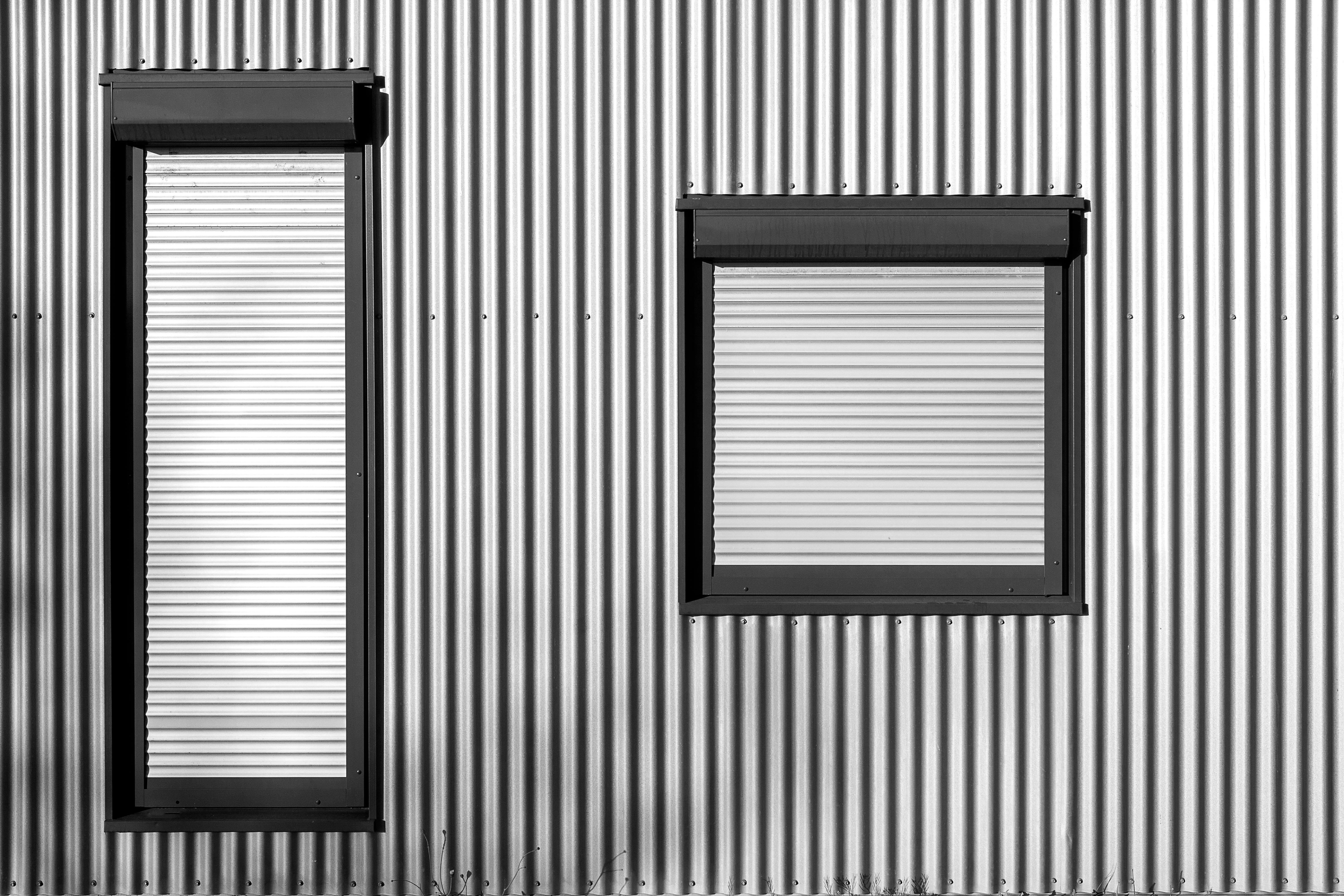
Aluminium sits in the mid-range, with Origin’s frames starting from around £300 + VAT per frame. Aluminium is inherently strong, resistant to rust and corrosion, and provides long-term durability with very little upkeep.
Modern aluminium systems incorporate thermal breaks and seals that give them excellent energy performance. Aluminium is also versatile in design: slim sightlines, a wide range of colour options, and compatibility with both modern and period homes. While the replacement windows prices for aluminium are higher than uPVC, Victoria noted that they are becoming increasingly popular due to their longevity and sleek appearance.
“Aluminium windows are becoming more popular due to their longevity, thermal efficiency and sleek appearance,” Brocklesby says. “Unlike other materials that may degrade over time, aluminium windows will maintain their alignment, look and high performance for decades.”
Pros of aluminium windows:
- Very long-lasting – 40 to 50 years
- Thin, rust-resistant frames
Cons of aluminium windows:
- More expensive than uPVC
Timber windows cost
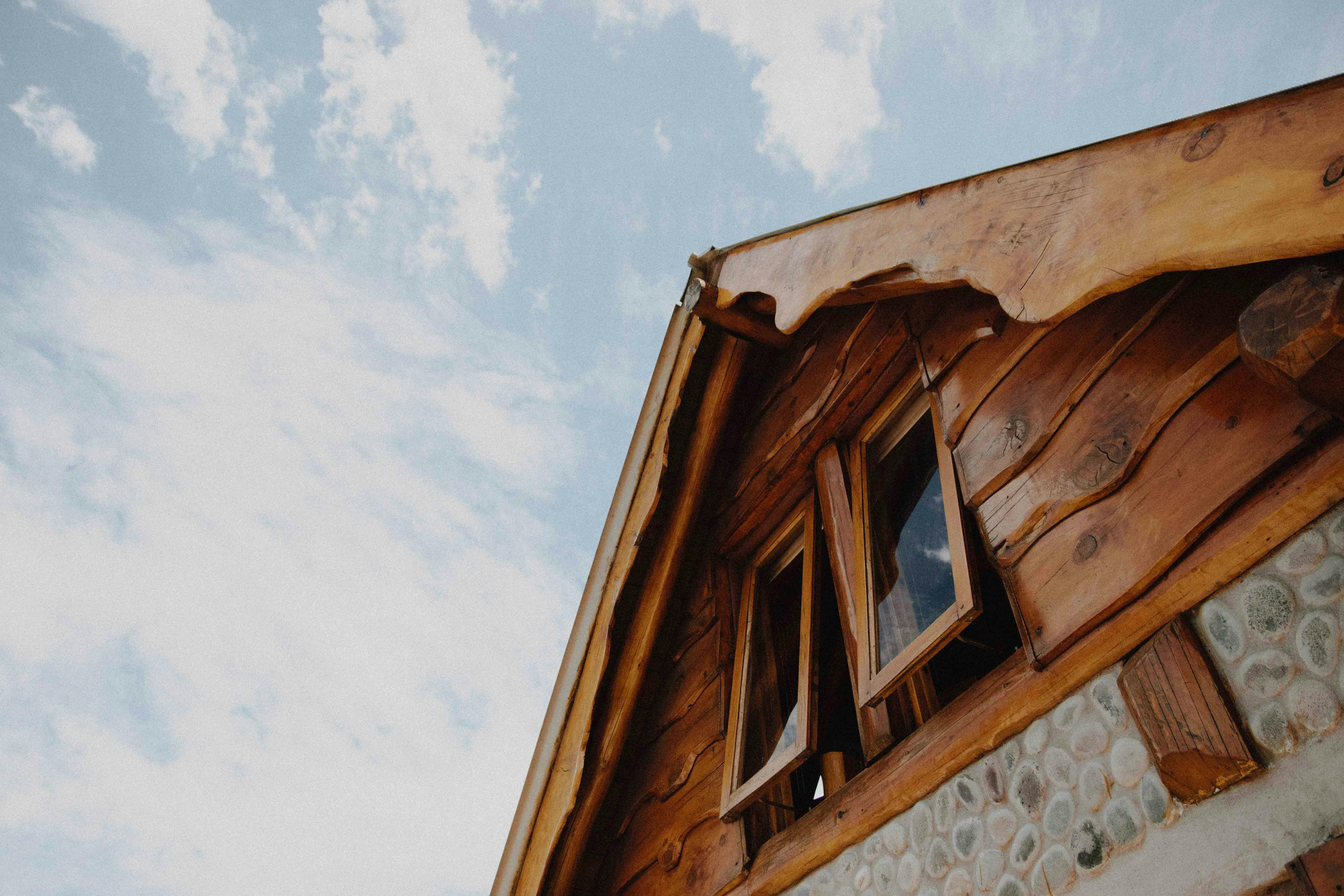
Timber is the premium option, with prices starting at about £950 + VAT per frame. Homeowners often choose timber for its traditional look, particularly in period properties or conservation areas. However, this material comes with the highest maintenance demands, requiring regular sanding, painting, or resealing to prevent weather damage. Professionally maintained, timber can last for decades, but both upfront and lifetime costs are significantly higher. As a result, timber tends to drive the highest UK window prices compared to aluminium or uPVC.
Long term, Brocklesby says timber frames tend to be the most expensive because they are most susceptible to degradation when exposed to the elements. In other words, they need more maintenance. “They may need sanding and resealing frequently, which is costly, especially when done by a professional,” she says.
Pros of timber windows:
- Look good
- Last a long time if well maintained
Cons of timber windows:
- Costly
- Need regular maintenance
How much do double-glazed window styles cost?
Casement windows cost
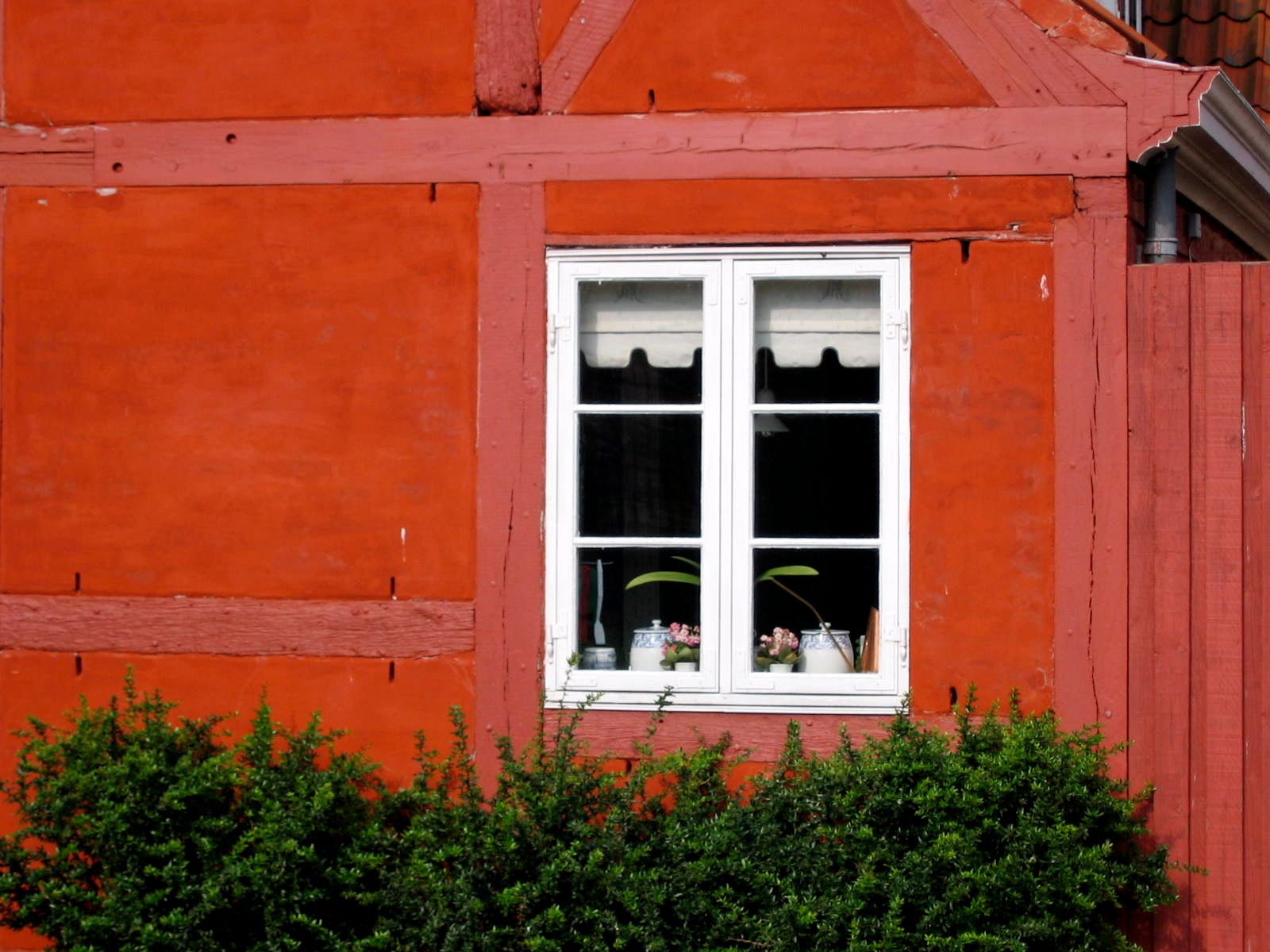
Casement windows are the standard for most homes, especially newer ones. They are your simple, hinged frames, which typically open outwards.
Our estimation of £4,500 to double-glaze an average three-bed home with uPVC frames was calculated with casement windows in mind. They are the cheapest and suit most homes.
They are affordable, look good and are functional, although if you want something different, they are not the best choice.
Sash windows cost
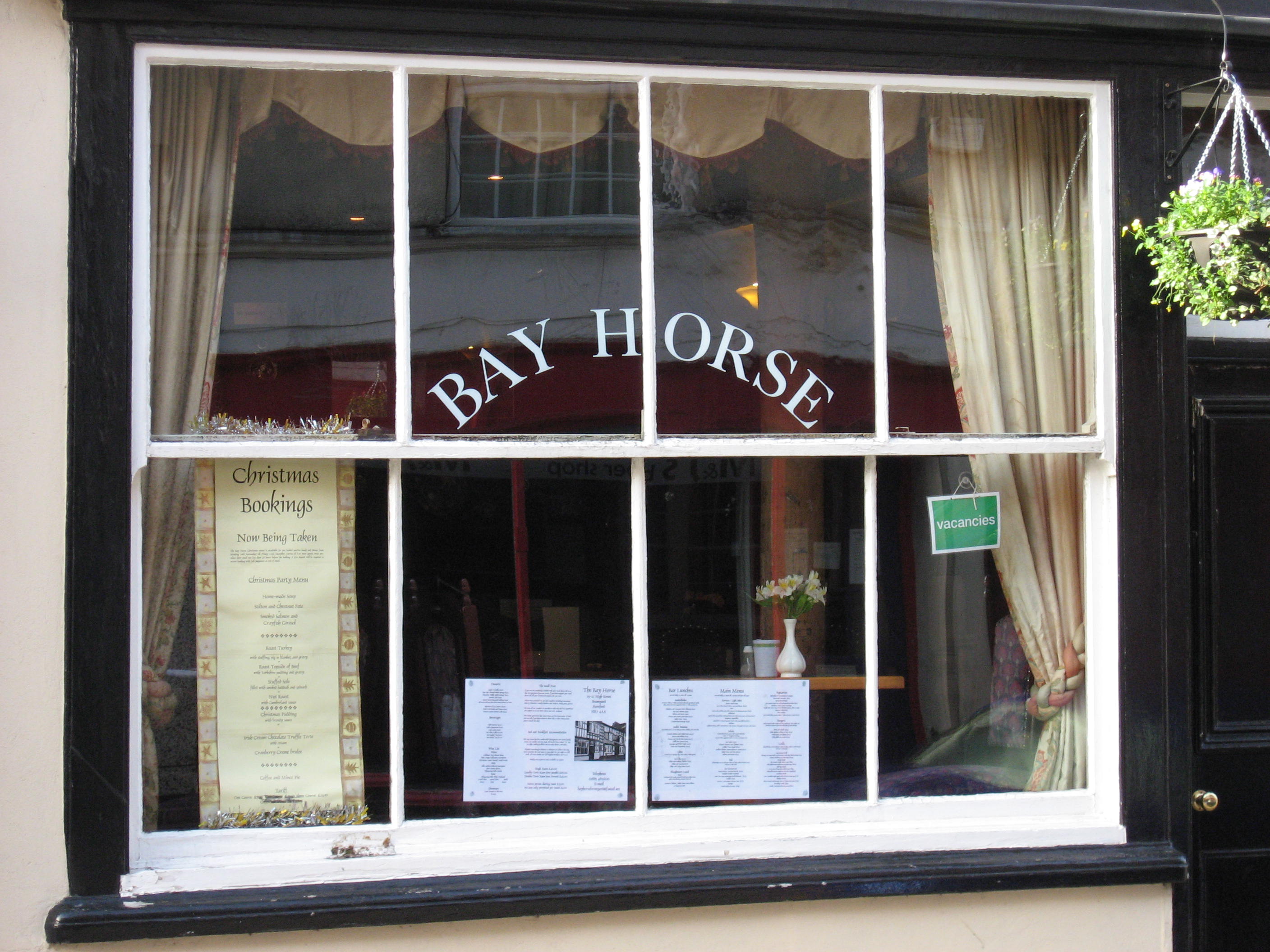
Sash windows slide up and down in place, rather than opening in or out. They have a long history in the UK, having traditionally been used with properties during the Victorian era.
Traditionally, they are made of wood, but uPVC sash windows are also available. They often operate using weights to stop them from moving, which adds to their expense.
Fitting out a home with sash windows in uPVC will cost about £6,500, according to research by The Independent, while a fresh set of timber sash windows could cost you £18,000. Bear in mind, timber sash windows can be repaired, which is considerably cheaper. It is possible, but unlikely, that you will need to replace every single window.
They are good-looking and practical windows, but they are expensive.
Tilt and turn windows cost

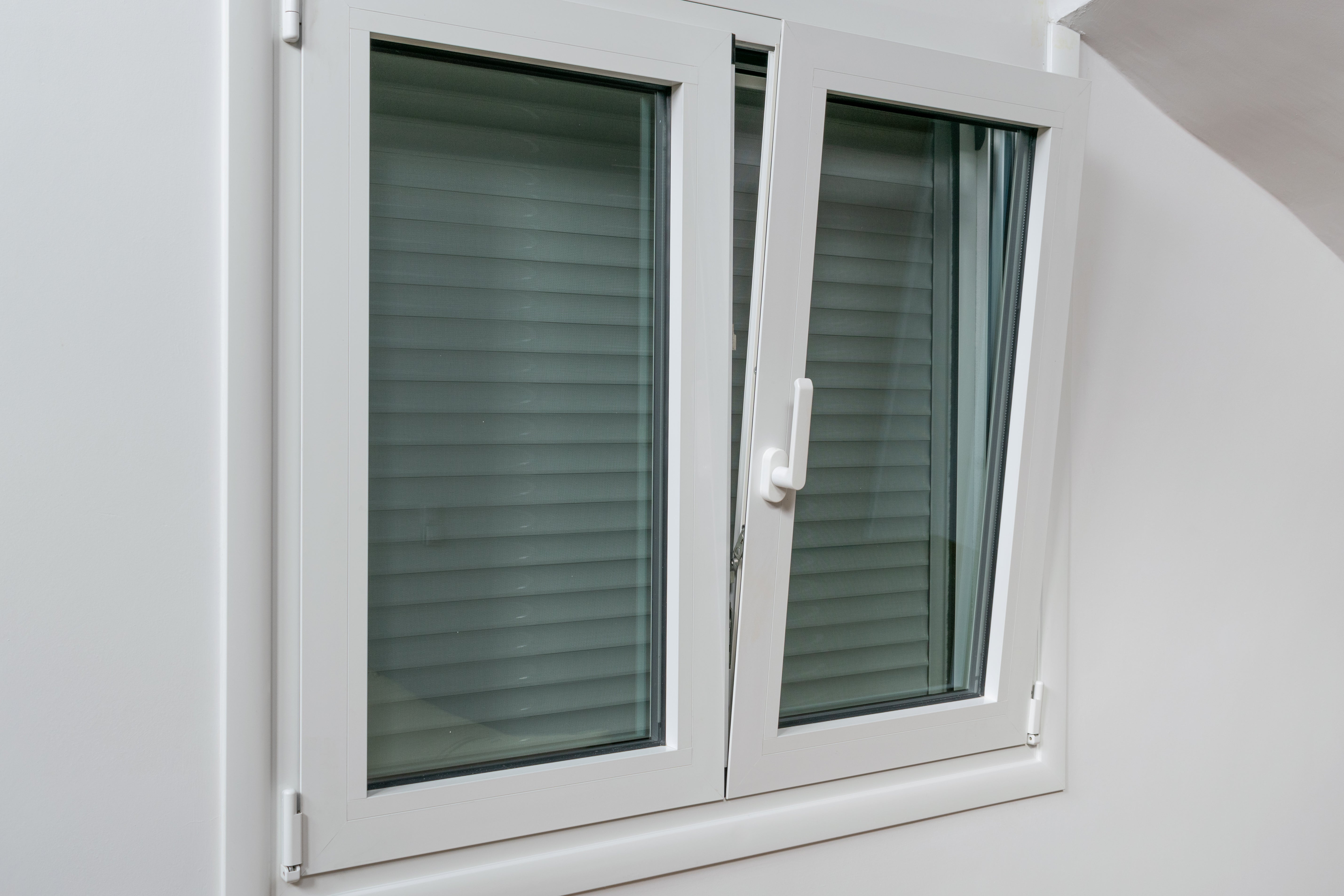
Tilt and turn windows are the most adaptable frames, since you can open them in two different ways, typically hinged at the side like a casement window, and then also hinged at the bottom, to allow ventilation.
Unlike casement windows, they can also open inwards.
They are great if you want to make the best use of a balcony or other outside space, but they are mechanically more complex and so will require more maintenance.
If you want tilt and turn windows for the whole house, an average three-bed home will cost £5,900 in uPVC, £18,000 in timber and £12,000 in aluminium, assuming eight windows.
Bay windows cost
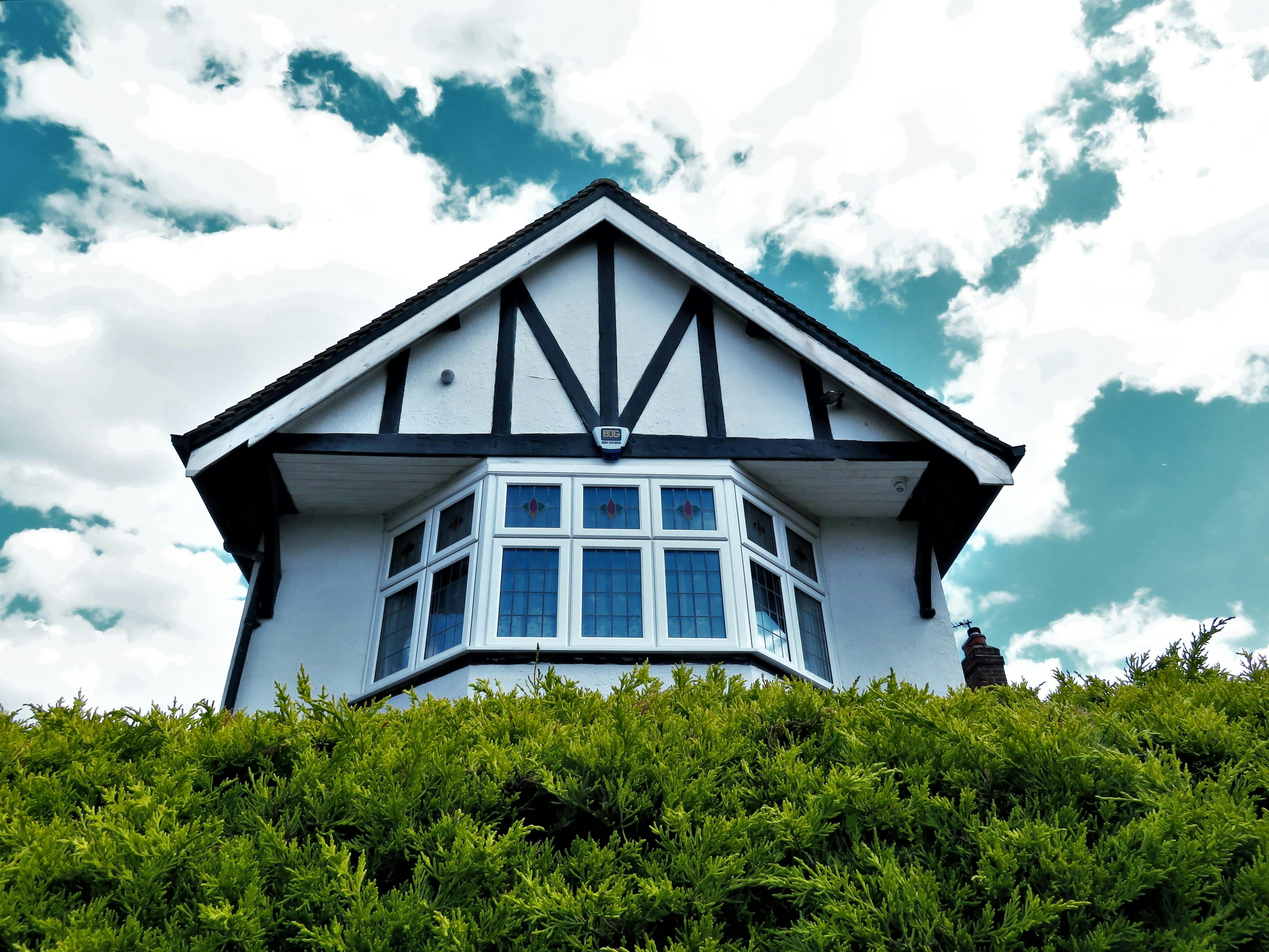
Bay windows are among the most expensive window options, but they can also be the most impressive.
They project from the home rather like a turret, and they can incorporate a seat on the inside, in order to take in the view or read by natural light. Their expense comes mainly from the fact that they are really three windows in one – a facing pane, with one either side.
You may have a bay window to re-glaze, but if you are having an extension added – or are thinking about more serious remodelling – they are a good choice for maximum light.
A well-made bay window will brighten up most homes whilst also keeping the heat in. You can opt for uPVC, wood or aluminium and each unit will cost on average £2,250, £6,700 and £4,500, respectively. It would be quite eccentric for every window in a home to be bay, hence why we have prices for individual units.
Bow windows cost
Similar to bay windows, bow windows follow a gentle curve rather than a boxy projection out from the house. They can be thought of as a little like a compromise between a bay window and a large casement model.
Sometimes called compass windows, they allow for more light and a better view. Some buyers prefer their arched layout over the boxier bay style.
Just like bay models, you can opt for uPVC, wood or aluminium, and each unit will cost on average £2,250, £6,700 and £4,500.
Key factors driving UK window prices
Beyond the material and style, there are a number of factors that influence your overall new windows cost or replacement windows prices. Brocklesby highlights the following as the main elements homeowners should be aware of:
Size of the window
The larger the frame, the higher the cost. Bigger windows require more material and glass, which quickly increases overall spend. For example, bay or bow windows will cost more than standard casement windows.
Glazing type costs
Switching from double glazing to triple glazing adds around £100-£150 per window. While this raises the double glazing cost, Brocklesby notes it isn’t always necessary depending on the home’s location, insulation levels and energy goals.
Installation cost
The cost of window installation in the UK usually accounts for 20 per cent to 40 per cent of your total replacement bill. Most installers charge between £200 and £400 per window, depending on the size, location, and ease of access. Simple ground-floor replacements tend to cost less, while upper-storey or bay windows that require scaffolding or complex fitting will be more expensive.
If you’re replacing several windows at once, many companies offer a reduced per-unit rate. For example, fitting 10 new uPVC windows might cost around £3,000 to £4,000 in total, including materials and labour, while the same number of aluminium windows could reach £5,000 to £8,000.
Replacing windows like-for-like is the cheapest route. But if you resize openings or change the window type, you may need additional structural work and engineers on-site, adding substantially to the new windows’ cost.
Features and finishes
Coloured frames, slim sightlines, glazing bars or flush casements can all increase costs, as well. However, Brocklesby points out that not every feature is a premium extra; some manufacturers include customisation at no additional cost.
It's also worth reviewing any quote to see what is included and what is an added extra. Opting for standard options can often bring the price down.
U-values and energy ratings
The energy efficiency of windows and doors is measured by how much heat passes through them from one side to the other. This is known as the U-value, expressed in W/m²K. In simple terms, it shows how well a window insulates a home: the lower the U-value, the less heat escapes and the better the performance.
However, when comparing windows, it’s important to know which U-value you’re looking at. Brocklesby warns against relying on the “centre pane” U-value alone. “This only measures the performance of the glass,” she explains. “It doesn’t reflect how the entire window performs. Always check the whole U-value, which includes the frame and gives a more accurate picture that meets building standards.”
Another key metric is the Window Energy Rating (WER), which looks at a window’s overall performance. This includes insulation, air leakage, and solar gain – how much heat from the sun enters the home.
WERs are graded from E to A++, similar to energy labels on appliances. In the UK, windows must meet at least a C rating, while A++ represents the highest level of efficiency.
“High-performing windows can reduce energy bills over time by improving a home’s overall efficiency,” says Brocklesby. “Look for low U-values to keep homes warmer in winter and cooler in summer.”
How to get the best price for your new windows?
Get multiple window quotes
Getting quotes from at least three installers is one of the simplest ways to avoid overpaying. Prices can vary widely depending on labour costs, lead times, and the products being offered, so comparing like-for-like quotes helps you spot what’s reasonable and what isn’t.
Just as important as price is who you’re buying from. It’s best to choose an installer registered with a government-approved scheme such as FENSA or CERTASS, which ensures work meets UK building regulations and comes with a guarantee. This allows you to self-certify the installation and can save you money and paperwork, while offering greater protection if anything goes wrong.
What to look for in your quote
A good quote should clearly break down what you’re paying for. As outlined in this guide, check whether the price includes the window frames and glazing type, installation and labour, removal and disposal of old windows, and any finishing work such as trims or making good plaster.
Pay close attention to energy efficiency ratings, security features, warranties, and VAT, as these can significantly affect the final cost and long-term value. If anything is unclear or missing, ask for it to be itemised before you commit—vague quotes often lead to unexpected extras later.
Negotiate
In a word, haggle. There are hundreds of window double-glazing companies in the UK and there will be dozens in your area. If you offend one by asking for a lower price, so what? Be bold. Haggling is something of a lost art in the UK, since so much is bought online or in shops where no room for negotiation is allowed. But for big purchases like cars, homes, windows and renovations, it can save you thousands of pounds.
The key thing is to understand your own priorities and those of the fitter. Perhaps you are in no hurry and the fitter has a load of other jobs to do first, but they would value a pipeline of work. That could mean you can negotiate a discount because you can guarantee the fitter's future work, something which will give them some breathing room.
Perhaps you are willing to take their financing, which is often very lucrative for the fitting company, but you insist on a very steep discount to do so. They may add a new door at half price if you’re having five windows done, for example, or maybe you’ll give your business to their competitors if they don’t.
Don’t be afraid to ask for discounts beyond any offered upfront. It may be their summer sale, but there’s often room to negotiate the price down a little further. And don’t be pressured into accepting deals on the same day they’re offered. This is a ploy to keep you from shopping around for quotes from other firms.
Remember: you won’t find pricing on most double-glazing companies’ websites. That’s because they’re flexible.
For the big-name fitters, operating nationally, you should aim to get a chunky percentage off the price you are shown. Don’t be surprised to be told that £9,000 rather than £4,500 is a fair price to fit the eight uPVC windows that a standard three-bed house has.
The salesperson is there to get the best commission. You are armed with our research to get the best price. The £4,500 figure still allows them a decent profit margin.
How to pay for new windows
Try to pay in cash. Window fitters offer loans but they are expensive. The biggest national fitters Everest, Anglian and Safestyle offer 12.9 per cent from 36 months with deposits from £249 and most others offer similar terms.
Britannia Windows offers 12 months of buy now pay later at 0 per cent plus a £29 fee. Borrowing is 15.9 per cent if the bill is not paid after the first year. With a shorter three-month deferred payment, a lower rate of 11.9 per cent is offered.
Coral Windows offers interest-free payments if you can pay over 24 months and settle half the bill when the work is done. Other borrowing options start at 11.9 per cent.
A personal loan will be cheaper, with banks offering about 6-7 per cent a year. But if you can pay most or all of it in cash, you will be better off, as no savings account can offer rates like these.


What are the signs I should replace my windows?

Here are some of the signs you may need new windows:
- Condensation between panes. See our guide on how to remove condensation from your windows.
- Draughts
- Higher energy bills
- Increased noise
- Stiff openings
- Visible damage
- Not knowing the last time they were replaced
Can I have my double glazing repaired?
Checking your warranty, if you have one, should be your first port of call. If your windows are leaking, sticky, fogging up (especially between the glass panes) or letting draughts and noise in, it could mean they need repairing. If they’re in warranty, your fitter should be available to fix them. Otherwise, it’s worth getting a quote to see if they can be fixed more cheaply than a replacement, especially if it’s only one or two windows causing problems.
If these problems arise and your windows are 20 years old or more, it could be time for a fresh set.
How we made this guide
We spoke to customers and fitters across the UK, as well as insiders in the double glazing market, such as our interview with Origin founder Victoria Brocklesby, to find you the average prices for windows of all styles.
They gave us tips on how to negotiate and save money and they told us never to say yes to the first quote you are offered.
Why trust us?
The Independent has been reporting on green energy and climate matters since it was founded in 1986. Since then, we have written hundreds of reviews and news stories on energy, including the best window fitters, the best window finance and various other guides on green power. And since 2023 we have helped more than 15,000 homeowners across the UK find quotes for new windows.
Join our commenting forum
Join thought-provoking conversations, follow other Independent readers and see their replies
Comments
Bookmark popover
Removed from bookmarks