The Independent's journalism is supported by our readers. When you purchase through links on our site, we may earn commission. Why trust us?
Could an electric blanket cut your heating bills? Experts reveal the numbers
How much do they cost to run, and how does this compare with central heating? We have the answers
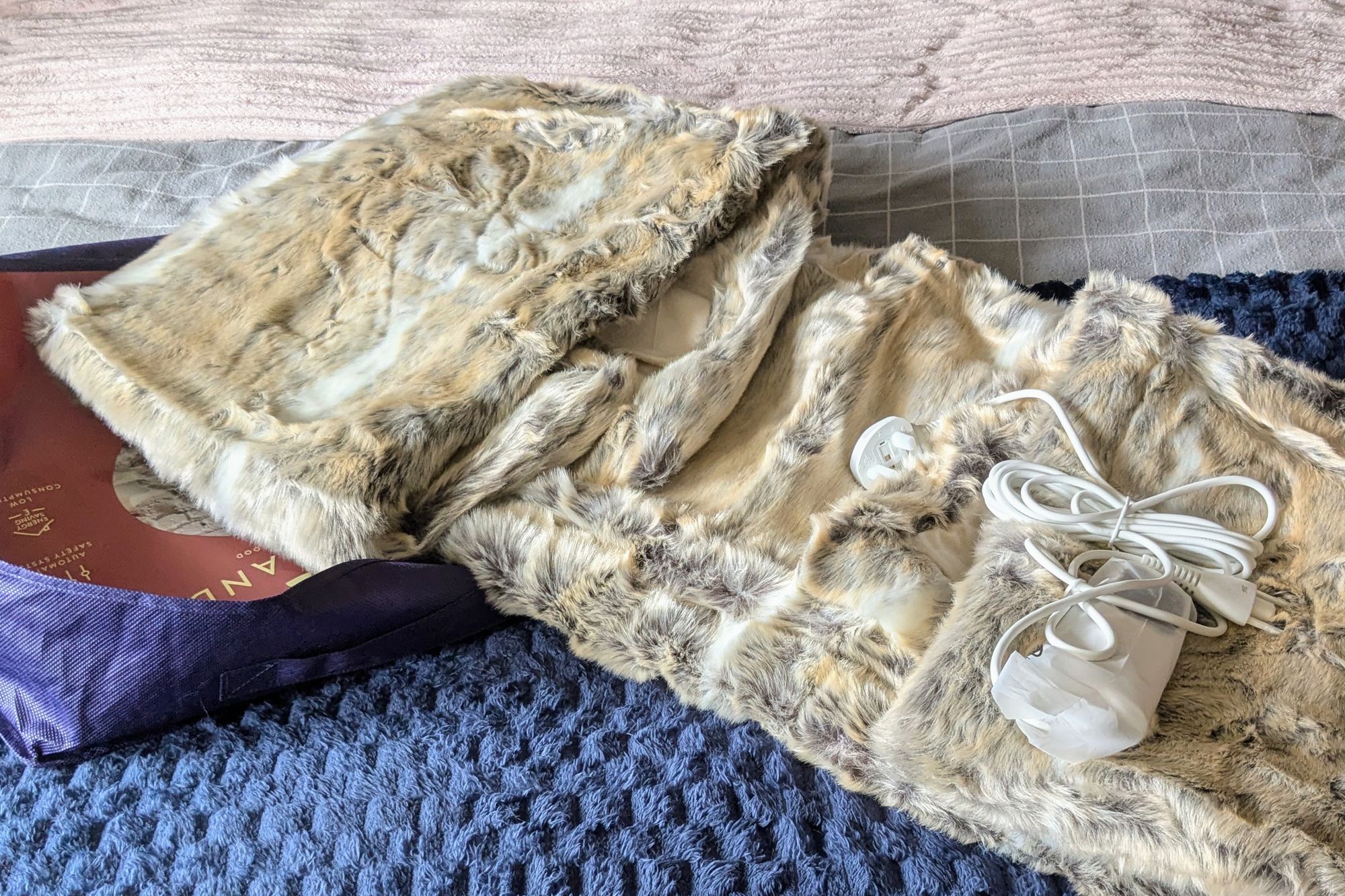
With energy costs at the forefront of many of our minds this winter, finding ways to stay warm while keeping energy usage down has never been so important. Luckily that’s where the best electric blankets come in.
Price-comparison service Uswitch estimates that most electric blankets have an energy rating of 100-300W, meaning they cost just pennies per hour to run. Plus, from heated mattress protectors to snuggly blankets, there’s a wide range of cosy electric covers to choose from, so you can find one that will suit your needs.
To stay safe while using the device, the London Fire Brigade has shared some advice, which includes not using a hot water bottle at the same time as using your electric blanket and to replace it if the fabric is worn or there is damage to the electric cord.
But exactly how much does it really cost to run an electric blanket? And how does this compare against the price of turning on the central heating?
To help clear things up, I consulted the experts, who weighed in to shine a light on running costs and offer some saving tips. Plus, I’ve worked out how efficient our favourite tried-and-tested models are.
Read more: Best electric blankets and heated throws to keep you warm and toasty, tried and tested
How much it costs to run an electric blanket
As they are designed to only heat the space around them, electric blankets are very energy-efficient.
“Three in 10 homes in the UK (30 per cent) use a heated electric blanket to keep themselves warm in the winter, and the good news is that these gadgets cost very little to run,” explains Ben Gallizzi, energy expert at Uswitch.com. “Electric blankets typically use 100W of power on average, and cost only 3p an hour to run based on current energy prices.”
To calculate the running cost of your electric blanket, first check its power rating. This will indicate the maximum amount of electricity it will consume over the course of an hour. Then multiply your blanket’s wattage by the number of hours you turn it on for, multiplied by how much you pay for per unit rate of electricity (you can find this on your electricity bill).
To give you a rough estimate, on the lower end of the energy rating scale, a 40W electric blanket running for eight hours a day at the maximum setting will cost 9p, according to Uswitch when using the January 2026 price cap (27.69p/kWh for electricity). This is equivalent to about £33 a year. On the other end of the spectrum, running a 250W electric blanket for eight hours a day at the maximum setting will cost 56p, working out to about £202 a year.
Electric blankets typically take 5-10 minutes to warm up and if it can automatically adjust its temperature, it’ll switch itself off once it reaches temperature, then switch back on to maintain the heat when needed, helping to save energy.
What affects costs
Several factors can affect the running costs of electric blankets but for Gallizzi, the time and heat setting used are the most important to consider. “The overall cost to a household will depend on how long the blanket is used for and the temperature setting,” he explains. “Higher heat settings draw more power, but putting it on high to pre-warm the bed for 30 minutes instead of running it all night on a lower setting may be more cost effective. It’s also worth bearing in mind that older blankets can be less energy efficient than newer versions.”
AO’s small appliances expert, Katie Lillywight, agrees. “Bear in mind that how long your leave this blanket on and how high a temperature setting you use, will impact how much it costs to run per use,” she says. “If you’re trying to keep costs down, then try to use a timer on this blanket or combine this with a duvet or throw to help retain heat – allowing you to use lower settings. Another useful tip for keeping costs down is to layer with other blankets or bedding, to maintain the warmth, without the requirement to turn up the power or central heating system.”
The style of electric blanket – whether that be an underblanket (which fits on top of the mattress and underneath your sheet), an overblanket (an extra layer on the bed), a mattress protectors or a heated throw – plays a role.
According to Uswitch, underblankets, which have a typical energy rating of 200-250Wh, cost about 7p an hour to run. The same goes for mattress protectors and overblankets. Heated throws have a higher energy rating of 300Wh on average, meaning a slightly increased running cost of 8p an hour. Heat pads are the cheapest to run at less than 1p per hour for 25Wh models.
Additionally, a blanket’s size, its heat settings, whether it has automatic temperature adjustments and multiple heating zones affects cost. These are good features to look for before buying an electric blanket. Setting the blanket to a lower temperature and only using it during the colder months will also reduce costs.
Read more: How much it really costs to run a dehumidifier, revealed by experts
Electric blanket vs central heating
Any electric blanket is far cheaper to run than central heating, because it warms only the area around you rather than your entire room or home. Using the January 2026 gas price cap, which set gas at 5.93p per kWh, someone with a 24kW gas boiler would pay £1.42 an hour to run it. Whereas heating yourself with an electric blanket costs mere pennies per hour.
Phil Steele from Octopus Energy explains: “Electric blankets can be a brilliant, energy-efficient way to stay warm, particularly for people spending long periods in one place, or as a supplement to central heating.
“Octopus Energy’s research shows that using an electric blanket to heat yourself – rather than running central heating for the whole house – saves a typical household 10-20 per cent of their electricity bill in winter months. Over the year, that’s around a £300 saving.”
However, electric blankets shouldn’t be used as a complete replacement for central heating, warns Laura North, project development manager at National Energy Action (NEA).
“An electric throw works brilliantly to heat a person. However, these should be used alongside your central heating, not instead of, because of the health implications that come with an unheated home,” she explains. “Cold and damp homes can worsen or even cause various health conditions, including those related to your respiratory, cardiovascular, nervous systems and more. You should aim to keep your home between 18C and 21C when you’re in it.
“Using an electric throw alongside central heating does allow you to use your heating less, by keeping you warm during those times of the day when you want to warm up but don’t want to turn your heating on.”
One of the best dehumidifiers can reduce damp conditions, and we’ve demystified the running costs of these appliances, too.
Additionally, North advises: “If you really can’t afford to use your central heating, then the best way of using an electric blanket is to put it under your sheets on the bed and make sure you turn it off before you go to sleep.
“Electric or heated throws are different to blankets and they go over you if you’re sitting on the sofa. If you buy a more energy efficient electric blanket or throw, then it will cost less to use.”
Energy saving tips
For Steven Donovan, vulnerable customer lead at OVO, you can really cut down your costs by harnessing energy-saving tips in conjunction with an electric blanket. While the blankets can help reduce the cost of heating your home, he says “it is the combination of both energy-saving tips and products that help households make the most significant savings of up to £360 per year.”
“Our top energy saving tips include: installing loft insulation, switching to low-energy lightbulbs, reducing boiler flow temperature, and draught proofing to stay warm this winter,” he adds.
Other tips include smart thermostats, tracking your energy usage, switching electrical appliances off standby and using thermostatic radiator valves, which let you control the temperature in each room by sensing the room’s air temperature and adjusting the flow of hot water until the room reaches the temperature you’d like.
Read more: This budget-friendly electric heater does more than just warm the home
How much our tried-and-tested electric blanket models cost to run
Slumberdown elegantly warm luxury heated throw: £28, Amazon.co.uk
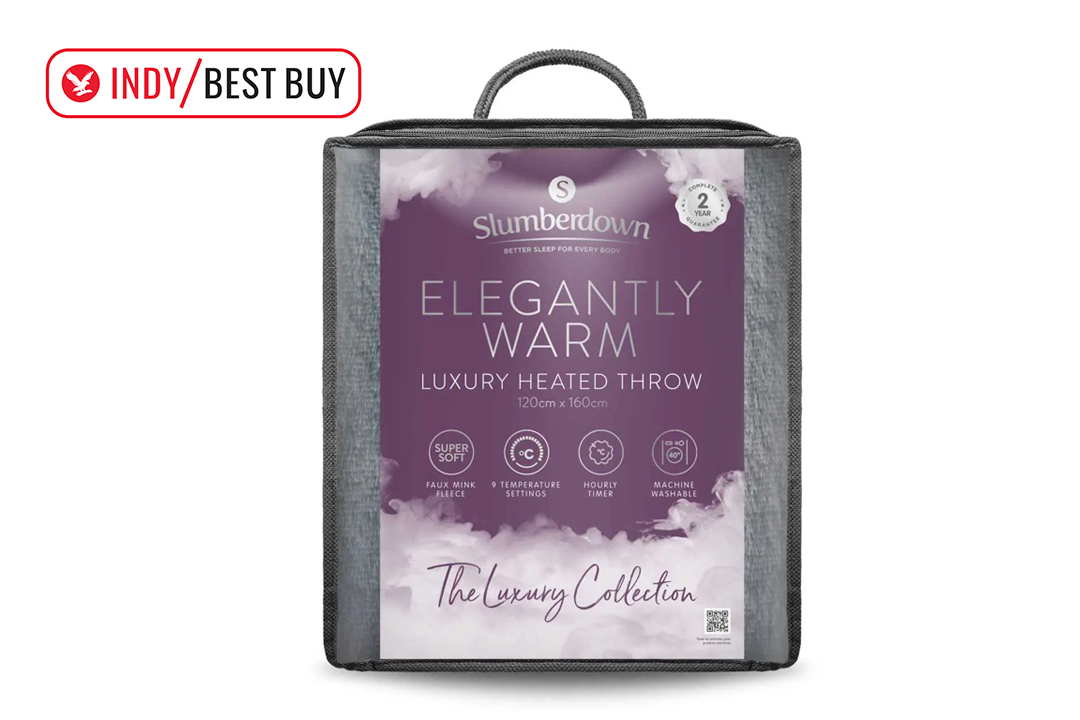
After reviewing the Slumberdown elegantly warm luxury heated throw, IndyBest tester Caroline Preece gave it the top spot in her guide to the best electric blankets. She found the design plush and enjoyed that it doesn’t look gadgety on the sofa, adding: “The desired warmth arrived within just a few minutes and spread by the 10-12-minute mark on higher settings, with no lumpy wire runs to spoil the drape.”
Using the January 2026 price cap (27.69p/kWh for electricity), using the blanket on its maximum setting (70W) for one hour would cost 1.9p.
Silentnight hotel collection double electric blanket: £44.99, Boots.com
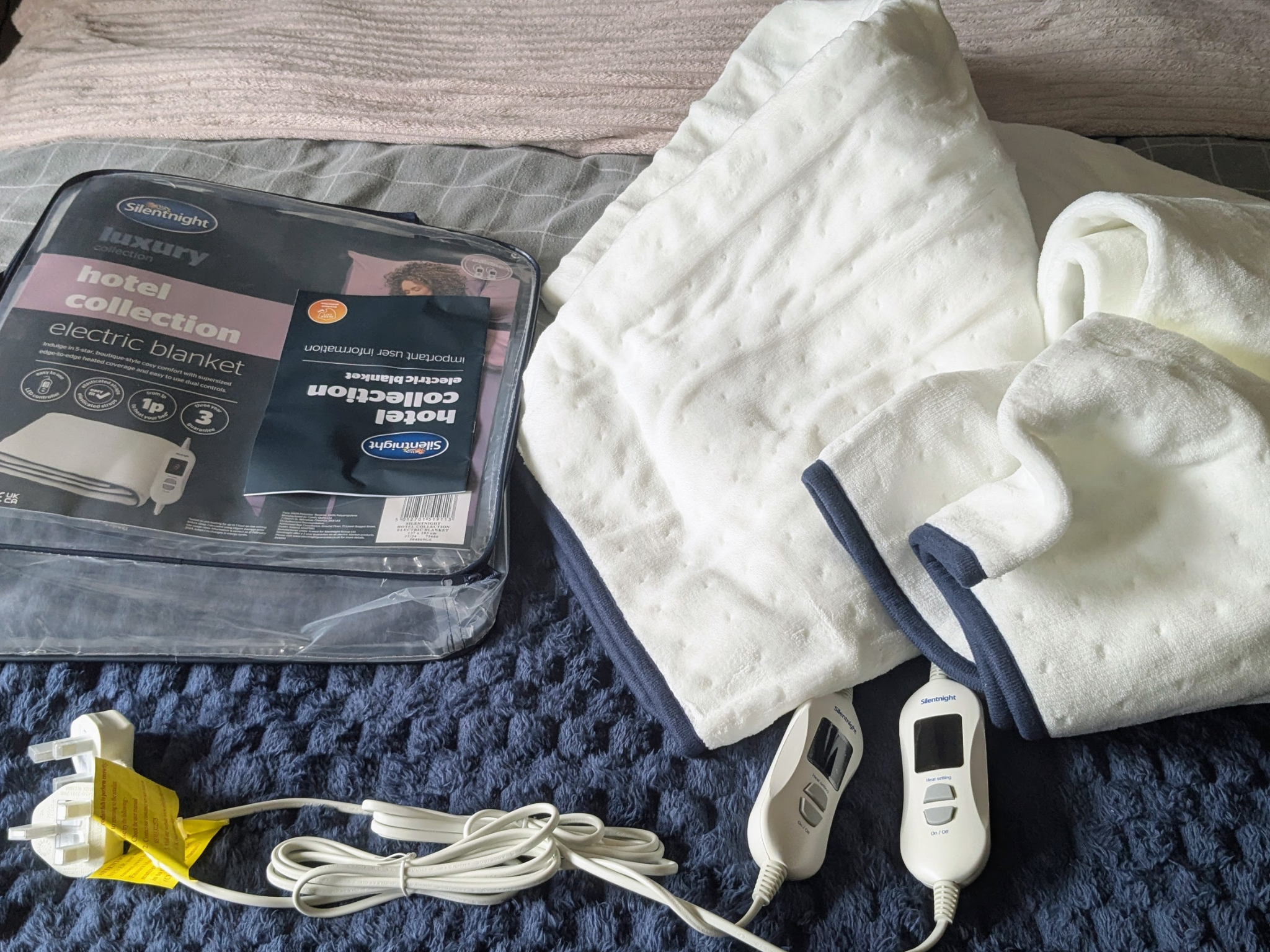
In her review of Silentnight’s hotel collection double electric blanket, IndyBest reviewer Caroline Preece said it’s the fuss-free underblanket she’d turn to for everyday use. “During testing, it delivered consistent, even heat. In timed preheat runs, warmth reached the feet in around three minutes on high, with a uniform spread by the 10–12‑minute mark,” Caroline explained.
This model uses a maximum of 65W, working out to 1.7p an hour when using the January 2026 price cap.
Dreamland hygge days luxury faux fur warming throw: £79.99, Amazon.co.uk
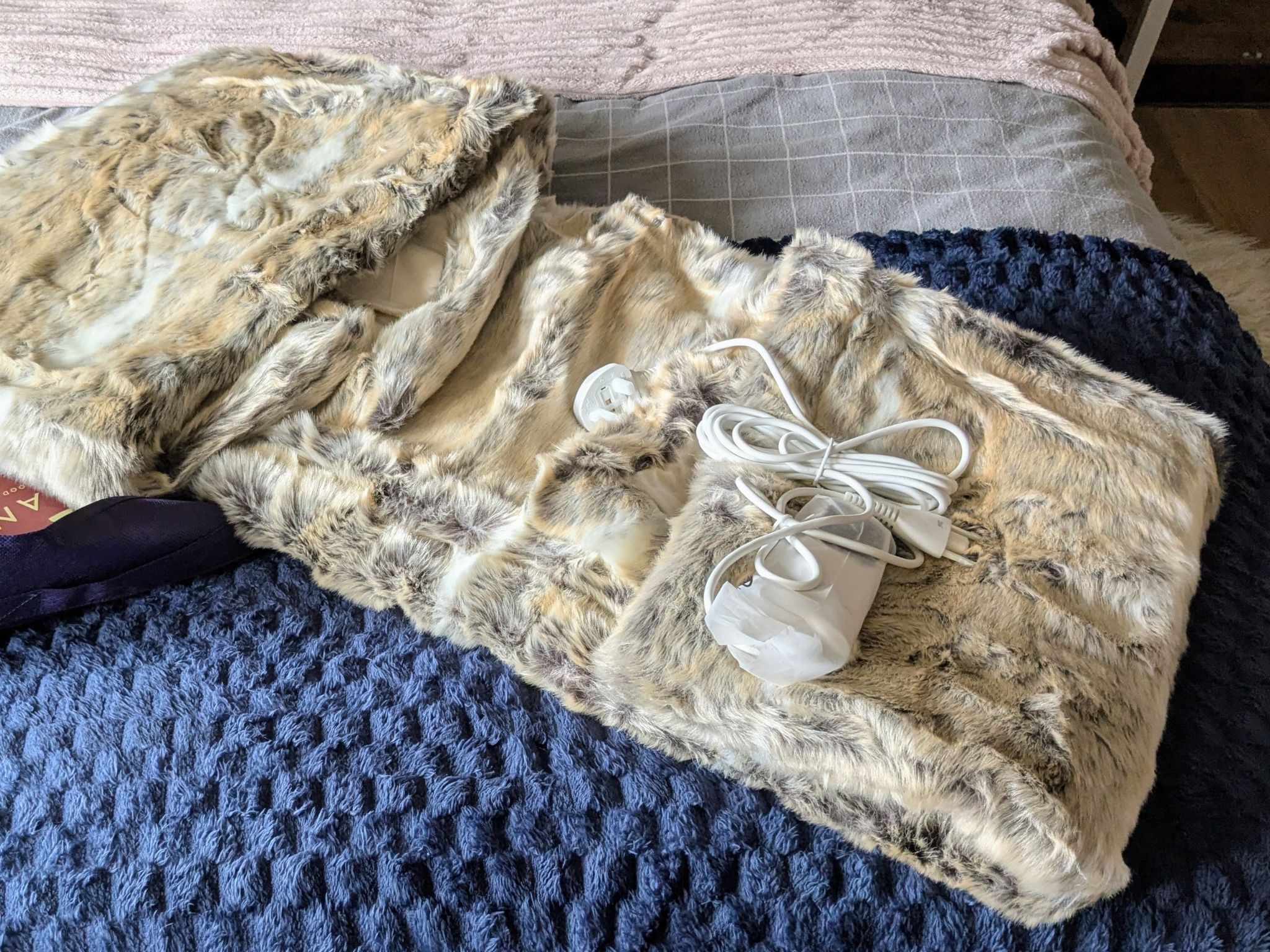
This throw is “the one to reach for when you want proper cocooning comfort with modern, controllable heat”, said Caroline in her review of the Dreamland hygge days luxury faux fur warming throw. She added that the plush faux fur looked convincingly like a normal blanket and holds heat beautifully.
Crunching the numbers, on its maximum power of 150W, this model costs 4.1p an hour (when using the January 2026 price cap for electricity), putting it on the more expensive end of the scale.
Experts have also cleared up how much it really costs to run a dehumidifier
Bookmark popover
Removed from bookmarks