The Independent's journalism is supported by our readers. When you purchase through links on our site, we may earn commission. Why trust us?
18 best champagnes to make your Christmas celebrations go off with a bang, taste-tested
From Lidl to Laurent Perrier, these are the finest bubbles for any occasion
- 1
 2
2
- 3
 4
4
- 5
 6
6
- 7
 8
8
- 9
 10
10
- 11
 12
12
- 13
 14
14
- 15
 16
16
- 17
 18
18
‘Tis the party season, which means the fridge is heaving, those unforgivable Christmas jumpers are on, and we can hear the pleasing pop of a corks. But if you’re yet to buy the best champagne to raise a glass with this festive season, I’ve got you covered. Below are a range of budget-friendly and luxury tipples, all of which are bound to impress your guests.
But with prices drastically increasing for champagne over the past few years, as much as 25-30 per cent – largely accounting for its biggest decrease in sales in 25 years – sometimes it's harder to justify champagne, and instead people are looking towards crémant, and even cava as it comes back into vogue, as some begin to tire of prosecco.
But there is method, and skill, in the madness of price hikes. In order to qualify to put champagne on the label, the wine needs to be produced in France's Champagne appellation, which has a 100-mile radius. It also needs to follow the 'traditional method' process, also known as 'méthode traditionelle'. This includes a secondary fermentation in the bottle, then when the yeast (known as the lees) has finished doing its job, it rises to the neck and is 'disgorged' (forced out), and then the sugar is added to finish the champagne, of which there are varying levels, which are listed below.
But, as the climate crisis is making the Champagne region much hotter and drier now, many English vineyards in Sussex, Kent and beyond are benefitting from the weather Champagne had 30 years ago. The proof really is in popping here, as many sommeliers now say lots of English sparkling wine is as good, or whisper it, even better, than many champagnes. Plus, they're not being imported, reducing the carbon footprint of the product. One classic French champagne house, Pommery, even had the foresight to plant vines in Hampshire in 2017, and is making its own English sparkling wine too (we've included one below), made following the traditional method.
I've seen how English sparkling has blossomed over the past few years, and for that reason, I've included some here as it seems outdated to insist on peddling old rules – especially when even a French champagne house is moving with the times. I’ve also included supermarket own brands with bottles costing less than £30 and even £20, as well as some of the most well-known names at the other end of the scale.
As for more expert recommended and taste-tested festive tipples, head over to my review of the best mulled wine and our taste-tested review of the best proseccos. Looking to elevate your home bar ahead of a big New year’s Eve soirée? You’ll find plenty of inspiration on how to do it for less, in our guide to the supermarket whiskeys that experts recommend.
The best champagnes for 2025 are:
- Best champagne overall – Laurent Perrier la cuvée brut: £53, Ocado.com
- Best budget champagne – Aldi Veuve Monsigny brut champagne: £15.49, Aldi.co.uk
- Best English sparkling rosé – Maid of Bruton rosé brut: £35, Farmshop.co.uk
How I tested

I've had a flat full of champagne bottles, and enlisted some helpers to pop the corks with me to get tasting. I approached each bottle with the same care and curiosity as any true champagne lover would. Taste came firs and I paid close attention to the aromas, the complexity of flavour, the quality of the bubbles and, of course, the all-important finish. Value for money also played its part and appearance mattered, too: each glass needed to be bright and clear, with fine, persistent bubbles that signal true quality. Finally, I only included reputable Champagne houses and growers, from independent artisans to the legendary names that define the region. You can read my testing criteria in full at the end of the guide.
Read more: Best wine advent calendars to toast to this season
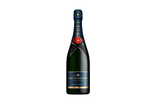
1Laurent Perrier la cuvée brut

- Best Champagne overall
- ABV 12%
- Grapes Chardonnay, pinot noir and pinot meunier
- Region Champagne, France
- Why we love it
- Well rounded classic champagne
- Take note
- One of the most expensive
This might look like a recognisable classic champagne bottle from one of the most well-known and revered champagne houses, but it's actually had a new recipe since 2017.

Made from predominantly chardonnay grapes (usually around 55 per cent), the ‘la cuvée’ in the name refers to using the first press of the grapes, and therefore the premium juice. It's an excellent, well-rounded champagne that everyone who helped me test ranked very highly.
It has light floral notes with a biscuity touch and a light mousse (how the bubbles feel in your mouth). It's one to save for a celebration such as the aperitif on Christmas Day.
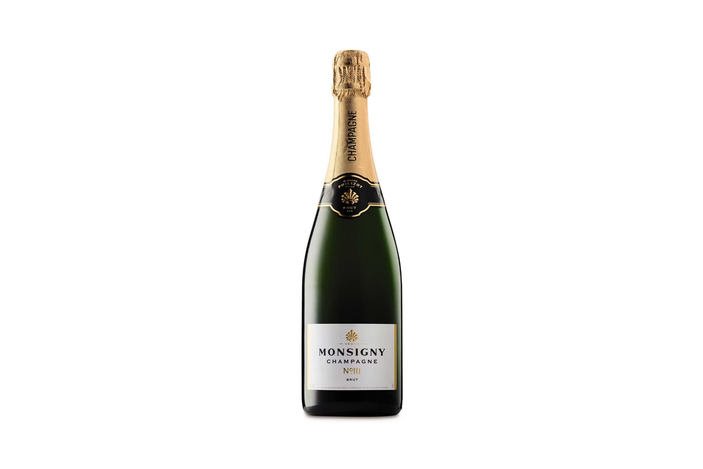
2Aldi Veuve Monsigny brut champagne
- Best Budget champagne
- ABV 12.5%
- Grapes Chardonnay, pinot noir, and pinot meunier
- Region Champagne, France
- Why we love it
- Very affordable, one to stock up on
Coming in at a snip under £16 for a champagne is nothing short of impressive, and it's even more so when it both looks and tastes this good.
It's elegant with notes of freshly cut apples and fleshy peach. While on the palette, there's plenty of baked apple crumble notes along with nutty hints and buttery brioche, too.
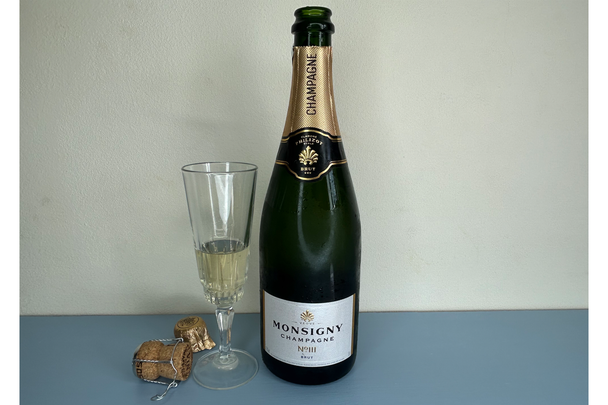
It's become a go-to bottle for in-the-know consumers, and at this price, it's another one to stock up on, especially as it's often on sale. So keep your eyes peeled for that and buy this bottle by the case-load.
As Aldi doesn’t offer online purchases, you’ll have to head in-store to make the most of this good-value champagne.
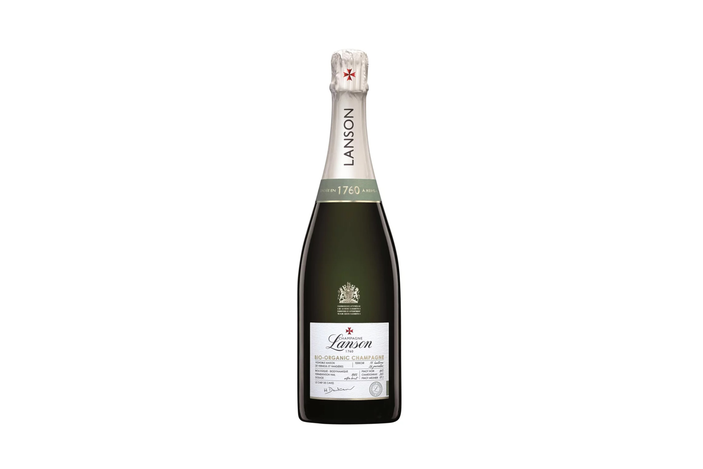
3Lanson organic extra brut champagne
- Best Organic champagne
- ABV 12.5%
- Grapes Pinot noir, chardonnay, pinot meunier
- Region Champagne, France
- Why we love it
- Bio-organic
- Take note
- Expensive
Not many French champagne houses have an organic range, so it's a welcome tonic to see Lanson, which dates back to 1780, as one of the few in its category to create an organic variety of champagne.

Happily, it turned out to be one of the most interesting wines we tasted in this list. Following biodynamic and low intervention practices, the wine gives a true expression of the terroir where the grapes were grown, which is a 16-hectare vineyard on chalk, limestone and marl soil in Vallée de la Marne.
It has a slightly more honey appearance than others, and has notes of baked apple and slight grassy notes on the nose. It's complex and has more earthy aromas than any others on the list, from its biodynamic practices. There are notes of delicious berries, it's soft, mellow and quite fruity. It's from the 2018 harvest and has been aged for four years, which helps give it complexity. As it's an extra brut, it also has a very low dosage, too.
4Maid of Bruton rosé brut

- Best English sparkling rosé
- ABV 12%
- Grapes Pinot noir, pinot meunier and chardonnay
- Region Somerset, England
- Why we love it
- Produced in Somerset
Another excellent English sparkling wine made from vines in Somerset, at Durslade Farm, is the Maid of Bruton. The vines here have been planted on former ancient Roman wine terraces, and the grapes are pressed and fermented just five miles away from the vineyard at Bagborough vineyard.

It's full of delicate light red fruits, with hints of strawberry and stone fruits and a little orange blossom. It finishes with a touch of sweetness, and there's a lovely mousse fizz to it.
5Louis Pommery England sparkling wine brut

- Best English sparkling wine
- ABV 12.5%
- Grapes Chardonnay, pinot meunier, pinot noir
- Region Hampshire, England
- Why we love it
- Made in the UK
- Slightly cheaper than most big champagne house bottles
This is an English sparkling wine that's from the first French champagne house to plant vines in England. The 100-acre vineyard, Pinglestone Estate in Hampshire, was planted in 2017 by Louis Pommery and makes use of the similar chalky soil that runs from France's Champagne region north into southern England.
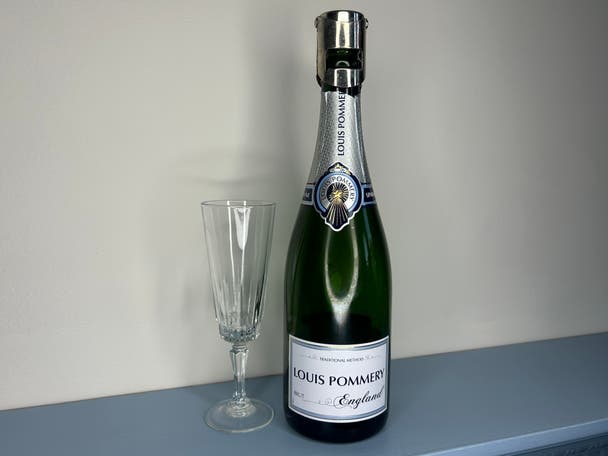
Pommery labels it as an English sparkling wine, and it's been made using the traditional method in collaboration with Hattingley Valley using its winery. Pommery plans to make its own wine on-site in the next few years.
It's pale yellow in colour and is fresh and elegant. There are notes of peach, melon and apple, plus a hint of that chalkiness, giving it a nice saline finish.
6Devaux blanc de blancs champagne

- Best Sustainable blanc de blanc
- ABV 12%
- Grapes Chardonnay
- Region Hampshire, England
- Why we love it
- Made following sustainable practices
This bottle from Devaux champagne house, which dates back to the 19th century, focuses on sustainable practices and is exclusively sold at Majestic. It's from the Frances Côte des Bar region, best known for its pinot noir grapes, but as this is a blanc de blanc, it's made entirely from chardonnay.
This is a well-rounded champagne, and has been aged for at least three years. There are notes of apple, pear and a hint of lemon, and it has a pleasing minerality to it, too.
7Taittinger brut reserve champagne

- Best Champagne from a French family-owned producer
- ABV 12.5%
- Grapes Chardonnay, pinot meunier, pinot noir
- Region Champagne, France
- Why we love it
- An excellent, classic champagne
After almost a century since it began, Taittinger is still owned by the same family, which is now increasingly a rarity in the champagne world. Some of the vineyard includes where 18th century monks had previously planted vines, giving the area new life.
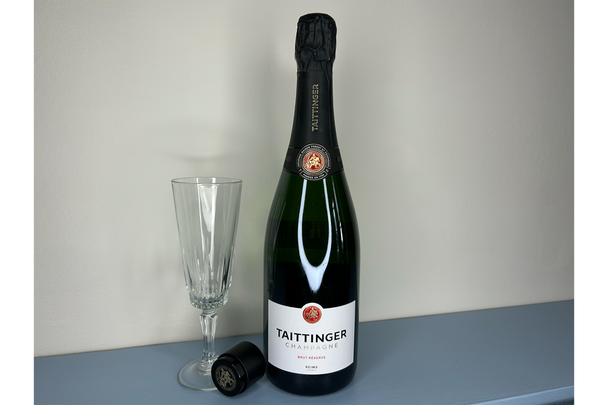
Another classic champagne that's almost too easily drinkable. It's light, with slight honeysuckle notes and a lively mousse, with a crisp finish. If you can't take our word for how good it is, then maybe the fact it was Bond's choice of champagne in the original Ian Flemming novels might sway you.
8Wraxall sparkling classic cuvee
- Best English Classic cuvée
- ABV 12.5%
- Grape Chardonnay, pinot noir, and pinot meunier
- Region Somerset, England
- Why we love it
- Made in Somerset
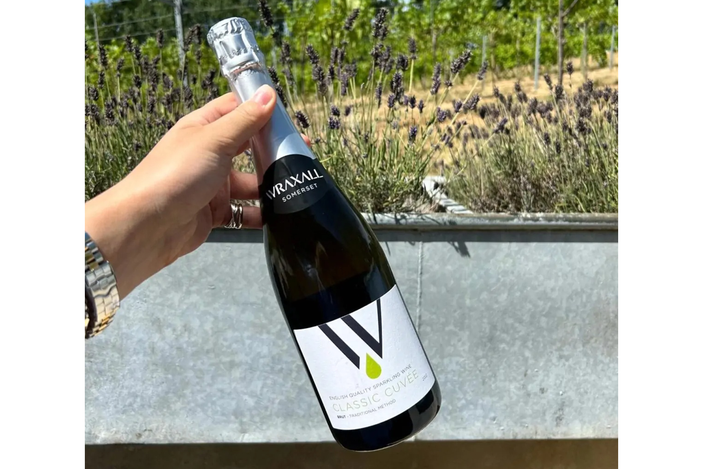
Made using the traditional method, this vineyard in Somerset has been making both still and sparkling wines here for more than 50 years now, making it one of the oldest in the UK, so they certainly know a thing or two about what they're doing.
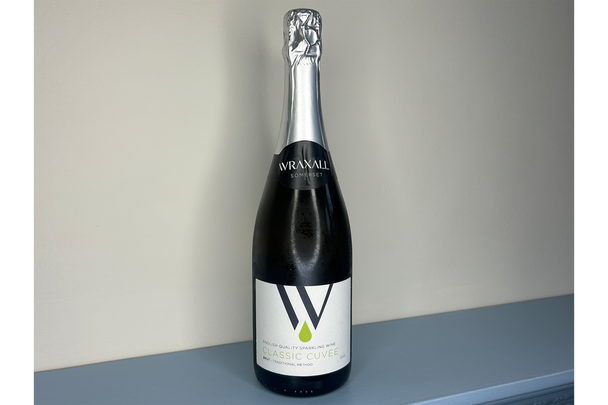
Nicknamed the Somerset sparkling wine, it's full of apple and has notes of pear too and a little sweetness of candied lemon. There's also a delicious sharpness to it. It's a vibrant and balanced sparkling wine that's reminiscent of summer.
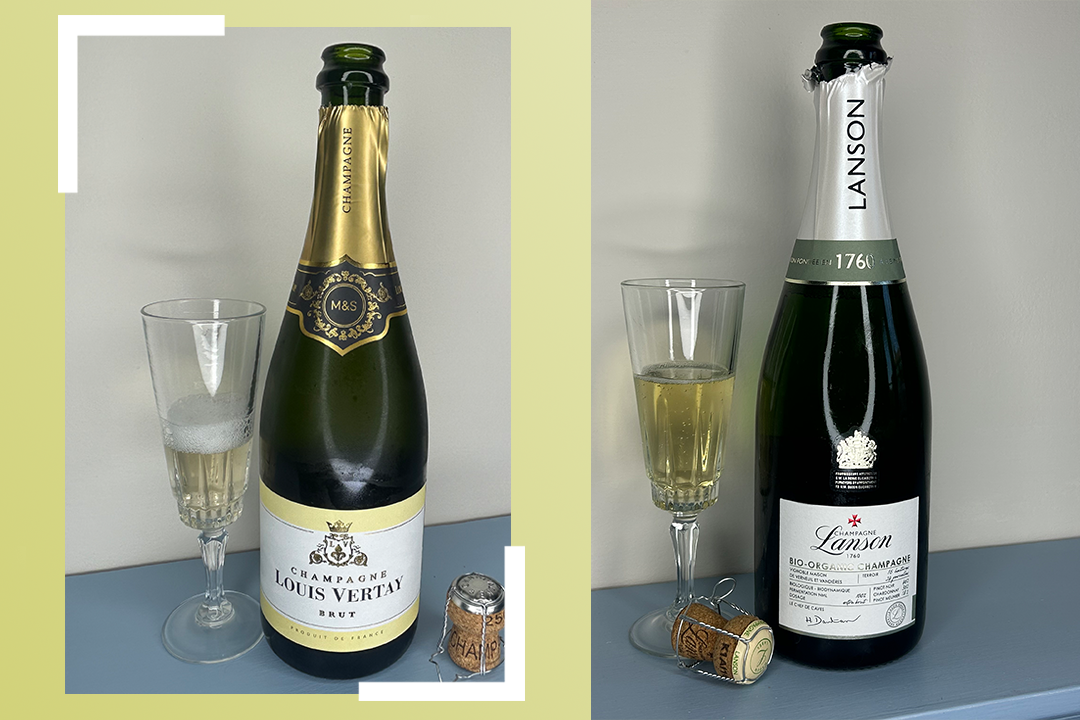
9Marks & Spencer Louis Vertay brut

- Best Value supermarket champagne
- ABV 12%
- Grapes Meunier, pinot noir and chardonnay
- Region Champagne, France
- Why we love it
- Good quality
- Affordable
M&S's food is renowned not only for its reliability, but also for its quality. It's always a safe bet, and when it comes to the wine, you know it will be far better than any average plonk.
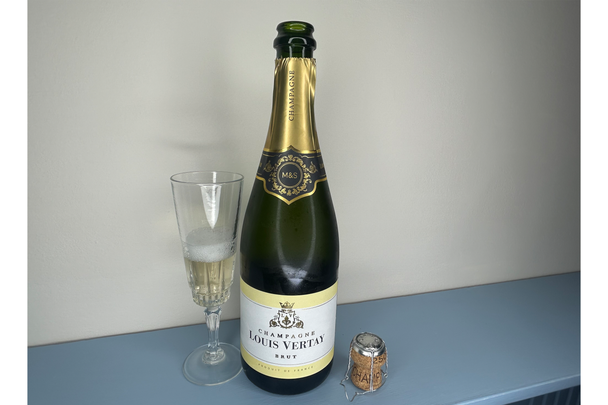
From the supermarket’s own range, this bottle is a case in point. It’s a deliciously rounded champagne with plenty of fruity aromas from fleshy stone fruits, such as peach, apricot and nectarines, and finishing with some well as biscuity and brioche notes. There's also a hint of sharpness. It's a very elegant wine with a good mousse finish, making it another well-priced and balanced champagne that's great for parties.
10Fortnum and Mason blanc de blanc champagne

- Best Blanc de blanc champagne
- ABV 12%
- Grapes Chardonnay
- Region Champagne, France
- Why we love it
- Complex flavour
This blanc de blanc (categorised by being made entirely from white grapes) is made exclusively using chardonnay grapes, creating a supremely elegant and silky champagne that's made for the biggest of celebrations.
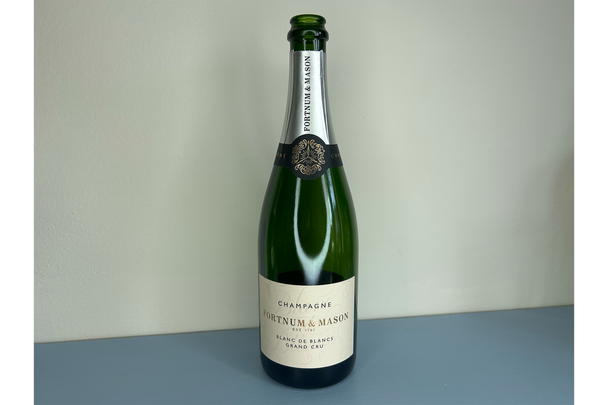
The wine is produced by family winemakers Laurent Hostomme, who have been honing their craft since the 19th century and making wine for Fortnum & Mason for three decades. It's been aged for three years (15 months is the minimum for champagne), which has earned it such complexity. There are notes of pear on the nose, it's zesty and has great acidity, while it finishes with a lovely mousse and a real creaminess to it.
11Carnard-Duchêne champagne

- Best Champagne made with pinot noir and chardonnay
- ABV 12%
- Grapes Pinot noir, chardonnay
- Region Champagne, France
- Why we love it
- Quality pinot noir grapes
This champagne house has been making wine for more than 150 years and is based in the Montagne de Reims region, known for its quality pinot noir grapes. With a deep honey colour, this champagne only uses chardonnay and pinot noir, and has twice as many pinot noir grapes as it does chardonnay.
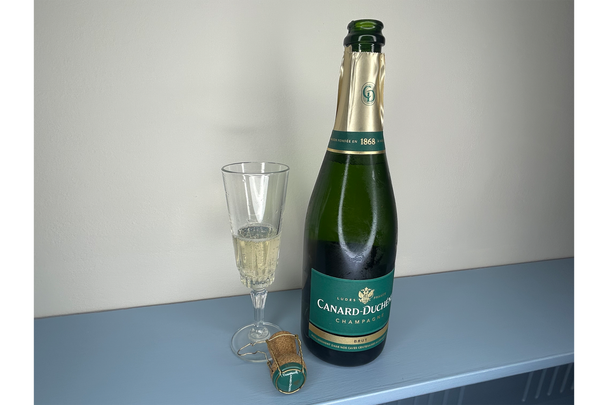
The result is a more bready-flavoured champagne with notes of brioche, along with freshly cut apple on the nose and a great zing. Though it's a brut, we found it to be on the slightly sweeter side.
12Graham Beck brut sparkling wine

- Best South African sparkling wine
- ABV 12.5%
- Grapes Chardonnay and pinot noir
- Region Robertson, South Africa
- Why we love it
- Very affordable
From South Africa, this wine is made following the traditional method, and has lofty fans behind it as it was served not only at Nelson Mandela's inauguration, but also Barack Obama's, too.
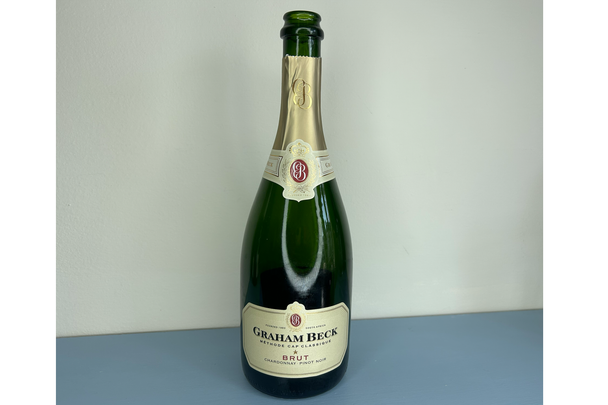
It's so good that many people use it at weddings, as a cheaper French champagne alternative, and guests are none the wiser. It's well-rounded, with citrus lemony notes on the nose and plenty of citrus on the palate, along with plenty of bready, brioche and creamy notes too.
It's also often on offer, making it less than £15 a bottle, so stock up when it's on offer and you'll be whipping bottles out for any reason – which is exactly what we do.
13Leckford Estate brut English sparkling wine

- Best Supermarket sparkling wine
- ABV 12%
- Grapes Chardonnay, pinot meunier, pinot noir
- Region Hampshire, England
- Why we love it
- Made in the UK
As the only supermarket to have its own farm, Waitrose is always in a different league to its contemporaries. The Leckford Estate is in Hampshire and is home to the vineyards where the grapes come from for this brut from 2021.
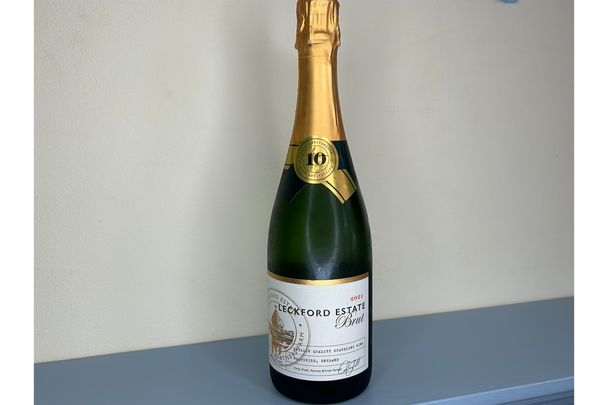
It has been made by the team at Ridgeview Winery in East Sussex, and it's a superbly complex wine that makes an excellent aperitif. On the nose, it's fruitier, but on the palate, it has great notes of toasted brioche and has a long and delicious creamy finish.
14Lidl Comte De Senneval brut champagne
- Best Champagne for parties
- ABV 12%
- Grapes Chardonnay, pinot noir, meunier
- Region Champagne, France
- Why we love it
- Very affordable
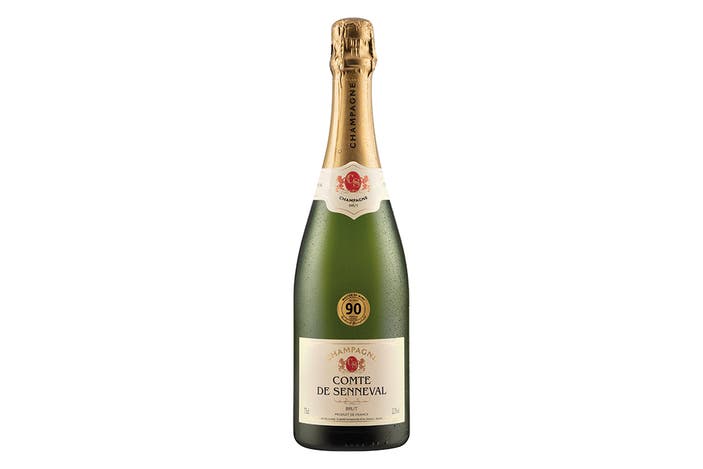
This champagne has a deeper yellow in colour compared to many others on the list, and despite costing less than £15, this has an excellent depth to it, too.
With hints of apple, citrus, lemony notes, a rounded vanilla and honeyed sweetness to it and lovely effervescent light bubbles, it's far more complex than anyone might think, considering it's from a budget supermarket.
At this price (which isn't uncommon to see it on offer for less than £10), it's absolutely the one to take a couple to a friend's festive dinner party. If you want to stock up on this one, you’ll need to visit your local store as it’s not currently available to shop online.
15Nicolas Feuillatte réserve exclusive brut

- Best Champagne to pair with blue cheese
- ABV 12%
- Grapes Chardonnay, pinot noir, meunier
- Region Champagne, France
- Why we love it
- Excellent depth to flavour
Nicolas Feuillatte has just a short history of around 50 years, but within that shorter time frame and cemented itself as one of France's most popular champagnes.
A mellow yellow in colour, this dry champagne has a deep flavour which is owed to being aged for at least three years, compared to the minimum 15 months required.
It's chardonnay-heavy and has notes of stone fruits like apricot and a touch of pear. It's vibrant with intense notes of candied fruit and is quite full-bodied, meaning it can withstand more than just canapes and can be paired with stronger flavours like blue cheese.
16Lidl Bissinger premier cru

- Best Champagne for gifting
- ABV 12.5%
- Grapes Chardonnay, pinot meunier
- Region Champagne, France
- Why we love it
- Very affordable
This pale yellow champagne has a superb freshness to it, making it an excellent aperitif at any festive drinks party. It's fresh and zingy, with citrus notes. There's an excellent mousse, and the finish is a delicious, rounded flavour that's rich and creamy.
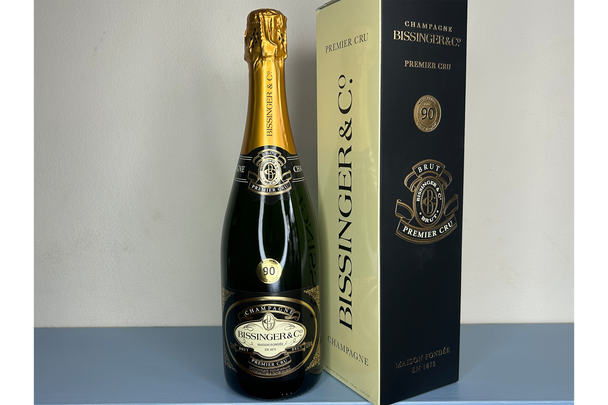
It's also the only one to come in a gift box, meaning this bottle immediately looks far more expensive than it is. Then add in the rather chic cream, black and gold design of the box, and it's absolutely fit for an excellent gift. This is another one you’ll have to head into Lidl to buy.
17Moët & Chandon champagne nectar imperial

- Best Demi-sec champagne
- ABV 12.5%
- Grapes Pinot noir, pinot meunier, chardonnay
- Region Champagne, France
- Why we love it
- A sophisticated alternative to a pudding wine
- Take note
- Much sweeter than brut champagne
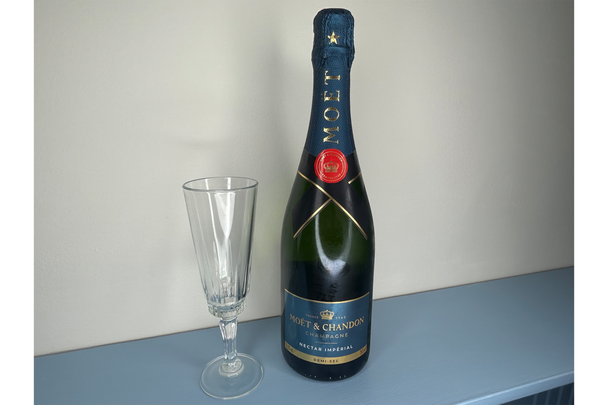
Think of Moët, and the classic brut with a golden foil wrapped around the neck and a red seal will come to mind. But this edition, the nectar-imperial, has a navy foil, and it's not just the appearance that's different, as this is a demi-sec, meaning it's sweeter as more sugar has been added than is to a traditional brut champagne.
There are notes of sweet honeydew melon on the nose with a good dose of honeysuckle, pineapple, and apricot with a full body of creaminess, making it a great, more sophisticated alternative to a pudding wine. Pair it with a heavy dessert like a sticky toffee pudding, and even someone with the sweetest of tooth will be happily satisfied.
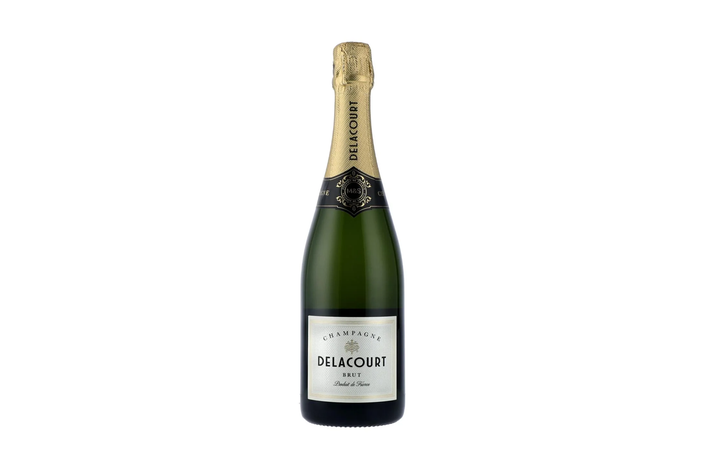
18Marks & Spencer Delacourt champagne
- Best Affordable champagne
- ABV 12.5%
- Grape Pinot Noir, pinot meunier and chardonnay
- Region Champagne, France
- Why we love it
- Affordable price
This is a very classic champagne in both appearance and taste, which has a deeper yellow hue to it in colour, and is dominated by notes of vanilla, brioche, with some fresh peachy notes.

I was really impressed with this champagne, which I felt really stood up to the others from bigger names. An all-round excellent choice, especially for just £25.
Your questions on the best champagnes answered
What is the best champagne?
After popping many corks and a lot of deliberation, it was the Laurent Perrier La Cuvee Brut that consistently won over everyone who helped us test, and that I kept going back to.
I also really rated the unusual Lanson organic extra brut champagne for its incredibly complex and complex flavour, as well as the Maid of Bruton rosé brut sparkling wine from Somerset's Farm Shop. While there were some excellent and very affordable bottles from cheaper brands, including the Veuve Monsigny brut champagne, which is less than £16 and gives fantastic value.
What are the different types of champagne?
Champagne is categorised by its sweetness, and depending on the 'dosage' (amount of sugar) that's added at the end of the wine-making process, before the cork is added. Depending on the number of grams per litre added, the wine is given a different name. The most common categories are split into three: brut (dry), demi-sec (medium-sweet), and doux (sweet), though there is more, which are listed below:
- Nature Brut: This is the driest of champagnes, as it can only have a maximum of 3g of sugar per litre, and some don't even have any sugar.
- Extra Brut: Next up on the dry scale is extra brut, which can have between 3-6g of sugar per litre and pairs well with salty foods like anchovies and cured meats, or oysters and sushi.
- Brut: This is the most common type of champagne you'll see on drinks lists and in shops. It's dry but with a little sweetness, and can have up to 12g of sugar added per litre. This is a great one for a range of canapes too as it goes well with both salty and sweet foods, from mature cheese to fried foods.
- Sec: This is the semi-sweet style of champagne, which can have between 17-32g of sugar per litre and pairs well with aged cheese.
- Demi-sec: Another semi-sweet champagne, but this one has much more sugar and can contain between 32-50g of sugar per litre. It's a good one for saving for the pudding course and can handle dishes such as chocolate puddings and fruity puddings.
- Doux: This is the sweetest type of champagne, characterised by having over 50g of sugar per litre should always be served at the end of the meal to accompany rich and sweet puddings.
What are the different grapes of champagne?
- Blanc de blancs: Made exclusively from white grapes, primarily Chardonnay, resulting in a fresh and elegant profile.
- Blanc de noirs: Made only from red grapes, either pinot noir or pinot meunier, or a mix of both, which creates a deeper and bolder flavour, with plenty of red fruits and more brioche notes.
- Rosé: The delicate pink hue of rosé champagne is achieved in two ways. Either red and white grapes are blended, or using the skins of red grapes to macerate the juice of the white grapes, to give it the pinky colour.
What are the different vintages of champagne?
Lastly, champagne can be categorised by vintage and non-vintage. The former is the most common and is usually made up of a blend of different harvests (which is done each year usually around October), which helps the wine makers create consistency across the years for consumers. While vintage refers to a champagne made using grapes from one single harvest, but will usually only be done if the crop has been particularly good leading to a better wine, that will be a limited edition.
How I selected the best champagnes
To help you find the very best bottles to buy, I considered the following factors when taste testing each tipple:
- Taste: From intensely briochy and biscuity numbers, to more light and floral champagnes, I considered the aromas of the wine, the tasting notes, the complexity of it, the quality of the bubbles and the finish.
- Value for money: Of course, with such a premium product and prices continuing to rise, getting value is important. But many supermarket brands are coming strong with their own brand champagnes too, as well as traditional method English sparkling wines.
- Appearance: I wanted the champagnes to look bright and clear, while the bubbles had to be fine and persistent (both signs of quality) to make the cut.
- Growers: I only included reputable Champagne houses and growers, from independent creations to legendary champagne houses.
Why you can trust IndyBest reviews
Emma Henderson is a writer and editor who specialises in covering food and drink. As the former editor of IndyBest, Emma has written plenty of reviews, from the best supermarket sourdough to orange wines, to help you find the best products to buy in each category. She was also the editor of IndyEats, The Independent’s monthly digital food magazine, and was twice shortlisted for “best food magazine” at the Guild of Food Writers Awards. She’s been to over 30 vineyards in Europe and the UK and has been writing about wine for almost a decade, as well as having a WSET Level 1 qualification in wines, all making her well-placed to deliver a verdict on champagnes.
Want more inspiration? Browse the best supermarket wines, chosen by experts and sommeliers
Bookmark popover
Removed from bookmarks