How much do EVs cost to charge at home and are home chargers expensive to install?
Here’s your complete guide to EV home charger costs, installation and speed
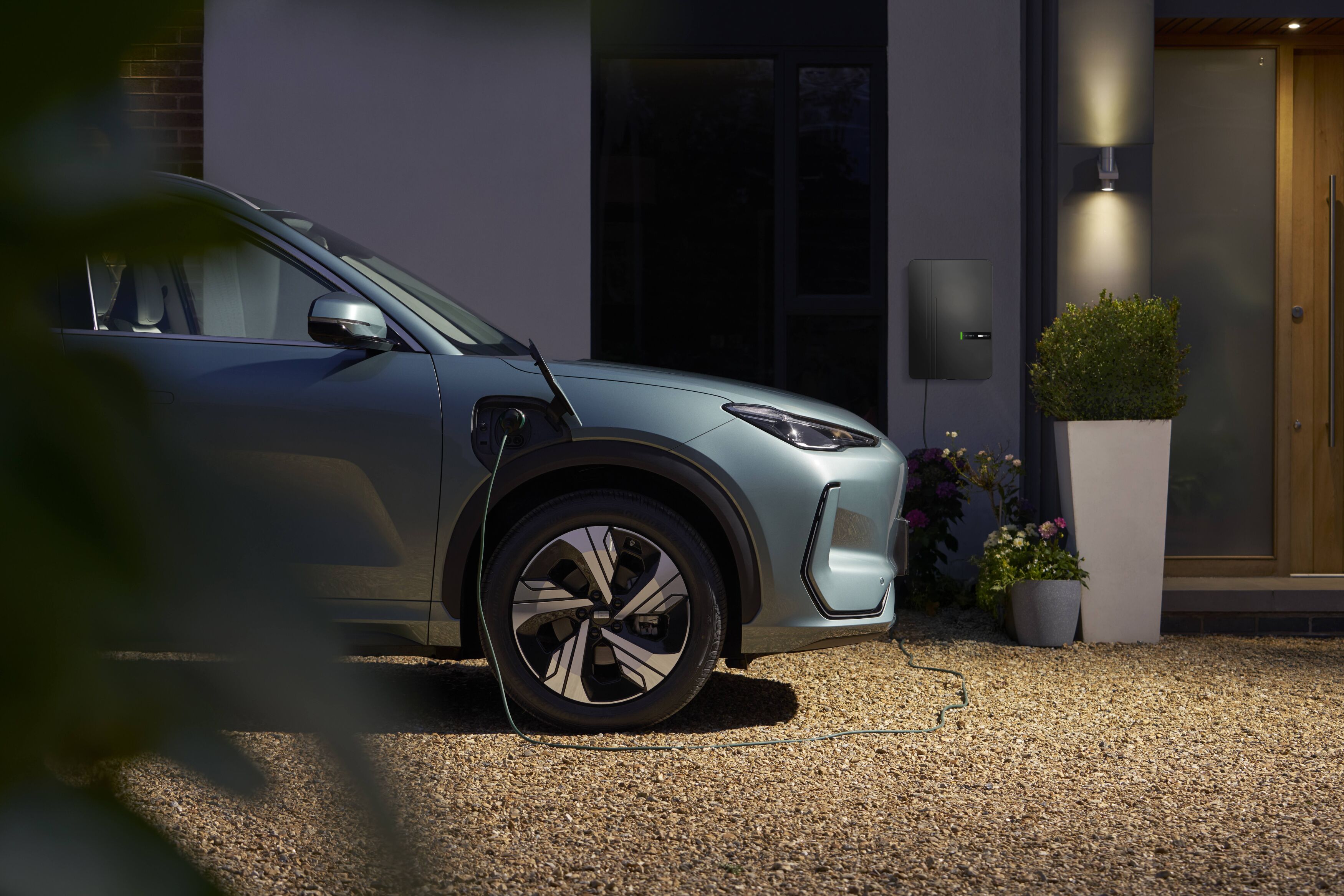
One of the main considerations when deciding to switch to an EV is whether or not you can conveniently charge it at home. Different EVs charge at different speeds, and some charging stations have varying abilities (not to mention prices).
The EV market is growing rapidly with sales up by nearly 24 per cent last year, but there’s still a lot to consider. However, once you’ve got to grips with EV charging, you’ll probably wonder why you didn’t change to an EV sooner. At home, it can be as simple as plugging in your vehicle, with no more fuel smells or spilling petrol on your shoes. Best of all, is the ability to have a full battery every morning, cheaply, thanks to charging at home.
It’s also worth highlighting, right from the off, how electric cars can be much cheaper to run than the equivalent petrol or diesel car. Some EVs can also charge very quickly indeed, filling their batteries from 10 to 80 per cent in under 20 minutes, providing they’re plugged into a powerful charger. And, while EVs charge more slowly at home, the costs are significantly lower – on the right tariff you could be paying less than £2 for every 100 miles you drive. In a petrol car, covering that mileage could cost you around £14.
Another key benefit of EVs to remember is, if you plug your electric car in each night, the battery will be full every morning – and you can even use the app to set your car to warm or cool its interior, so that it’s at just the right temperature when you get in.
Keen to know more? Keep reading for our full guide to EV home charger costs, installation and speed.



How much do EVs cost to charge at home?
Charging at home can be very cheap. Many smart home charging tariffs will see a full charge cost of just a few pounds, which is far cheaper than filling up with petrol or diesel, and also much more affordable than using a public charger.
The key to affordable home charging, though, is to make sure you’re on a low-rate energy tariff that promises charging from as little as around 7p per kWh. If your energy supplier doesn’t offer one of these EV-friendly tariffs, switch to one that does and you can save a fortune on charging costs.
On the right tariff you could be paying less than £2 for every 100 miles you drive. In a petrol car that could cost you around £14
Are EV chargers expensive to install?
Fitting a new EV charger is normally an extra cost over and above the price of the charger. You may have to budget around £300, assuming it's a relatively simple installation. But once you’ve got your home charger, you don’t have to change it every time you change your car.
How long do EVs take to charge?
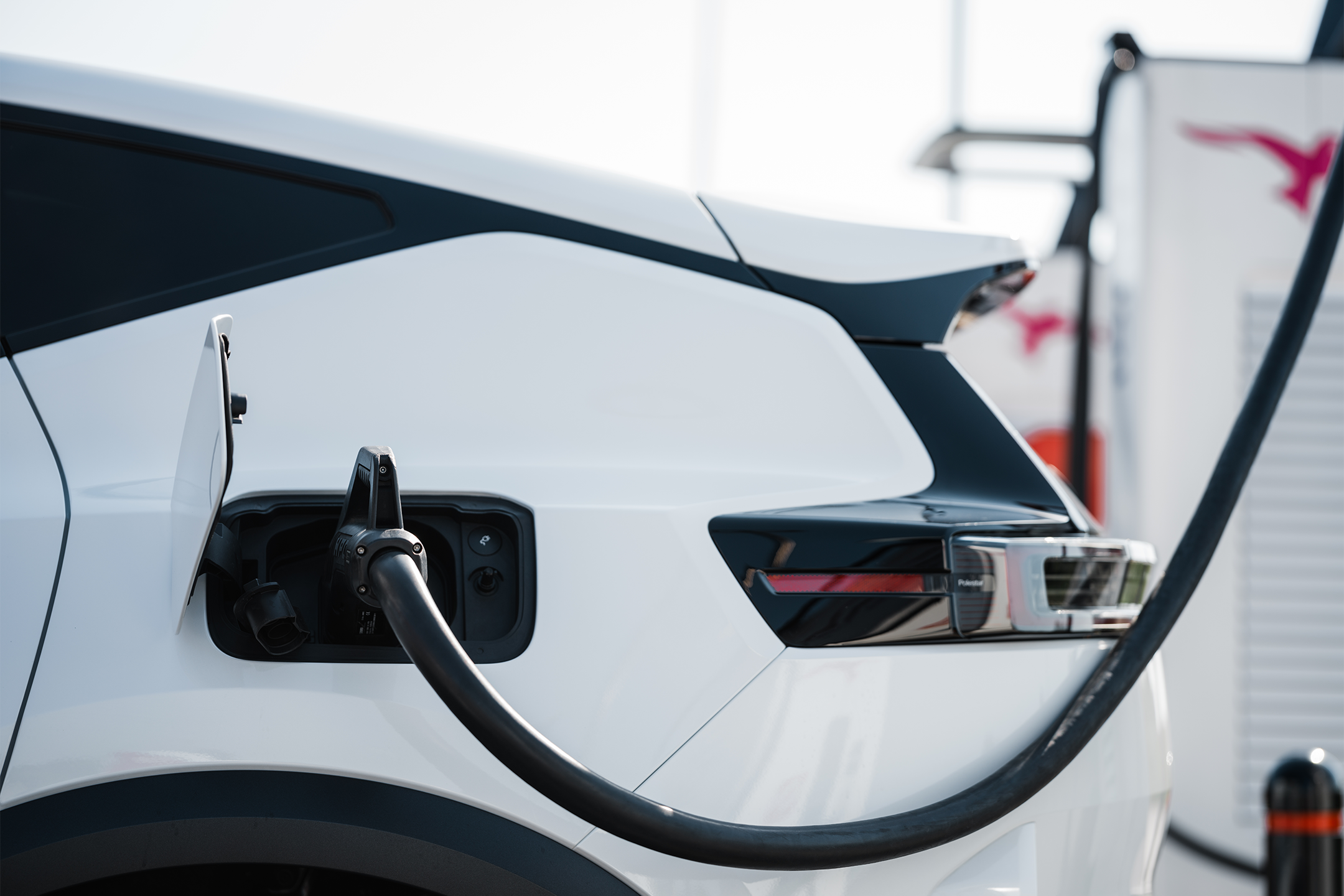
Home charging is usually slower than public charging. Charge speed is measured in kilowatts (kW), with each car and charger capable of its own maximum charge rate. Most mid-market electric cars have a maximum charge rate of between 100kW and 200kW. Broadly speaking, if you plug into a charger that delivers electricity at the same rate, the battery will fill from 20 to 80 per cent in about 20 to 40 minutes.
Home chargers, also known as wallboxes, tend to operate at 3.6, 7 or 11kW, depending on the capability of the charger and of your home electrical system. If your home is fitted with three-phase wiring, a 22kW charger might be an option, but this is rare in the UK.
Plug a fast-charging EV like the latest Porsche Taycan into the fastest public charger you can find, and it’ll fill its battery at up to 320kW – which means a top-up from 10 to 80 per cent can take just 18 minutes. However, plug that same car into a 7kW wallbox charger at home, and you’re looking at 12 hours for a complete fill, or 22 hours if you only have a less powerful 3.6kW charger. Use a three-pin domestic socket, which is possible with just about all EVs, and the Taycan will take over 30 hours to fill its battery – helpful in an emergency, but not the right approach to charging for most drivers.
Taking the Tesla Model 3 as another example, a full charge from almost empty to 100 per cent takes about 15 to 20 hours using a 3.6kW home charger, or eight to 12 hours with a 7kW charger. That may sound quite slow, but you are unlikely to always arrive home with a flat battery, then need it to be full again as quickly as possible, every day. One of the joys of EV motoring is how regular top-ups at home and using cheap overnight electricity mean your car will have a full battery whenever you need it, and at a fraction of the price.
At home, plan for an overnight charge when you won’t be using the car and electricity is likely to be at its cheapest, so you can reap the benefits of the savings and the convenience.
Are EVs expensive to charge?
Public chargers can be much more expensive than charging at home. They are priced per kWh and in many cases the cost is around 60-90p. Taking the Volvo EX30 and its 69 kWh battery as an example, a full charge at 89p per kWh (a common price at high-speed public chargers) would cost £61.41 and give you a real-world range of around 200 to 250 miles. This can make EV motoring more expensive than using fossil fuels, but as EV sales increase this should encourage healthy competition between the charging networks, and prices could start to fall.
Some charge networks offer monthly subscriptions that lower the cost of energy. For example, using a rapid charger from Ionity costs 89p per kWh at the time of writing (February 2026), but if you pay £10.50 per month this rate falls to 46p per kWh.
Cheaper (and slower) options already exist, such as chargers attached to street-side lamp posts. These cost from as little as 40p per kWh and are a good option if there’s one near you that you can plug into overnight. Their prices tend to vary throughout the day, with the cheapest electricity available between midnight and 7am. Plug the same Volvo EX30 in during those off-peak hours and a full charge will cost a far more reasonable £28.
The good news on public EV charging is that there are more and more popping up all the time. They range from on-street chargers to those in public places like shopping centres and your local gym. Chargers across the motorway network are being upgraded, while there are plenty of bespoke charging hubs – like fuel stations, but with multiple fast chargers rather than fuel pumps – opening across the country and close to the major road routes.
Best EV chargers for your home
When it comes to installing a home EV charger, there are lots of different models to pick from. Some have more features than others, some are more compact, and some command a premium for their upmarket, customisable design.
Ideally, you want a 7kW home charger – anything less may struggle to give you a decent ‘fill’ overnight. Budget for around £600 to £700 for a decent charger, while even premium suppliers like Andersen EV will sell you one of its excellent entry-level designer chargers for under £700. Hypervolt and Ohme have good reputations, too.
Cheapest EV chargers to install at home
The cheapest EV chargers will probably cost you around £600, however there are ways you might be able to save on charger and installation costs.
You may save some money by buying your charger through your energy supplier – or when you switch to a new one – or when you buy your new EV. Most car makers have tie-ups with some of the major providers and a charger – if you don’t have one or you want to upgrade – can sometimes be thrown in as part of the deal.
 Are EVs more expensive than petrol or diesel cars? An expert guide to buying an electric car in 2025
 The 10 best Tesla alternatives 2025: Our favourite rivals to Elon Musk’s EVs
 Best family electric cars 2025: practical seven seater EVs tested
 Best small electric cars 2025: Top 10 affordable EVs to buy
Can I charge an EV with solar panels?
Yes, since solar panels simply feed energy into your home and help power whatever’s plugged in, such as an EV. Solar panels won’t charge your car particularly quickly, but it’s entirely possible to use them and a wallbox car charger to fill your EV’s battery.
Can I charge an EV with home batteries?
One of the best solutions is to have solar panels and a home battery system. The solar panels can charge up home batteries during the day and that will enable you to use the power generated when you’re likely to need it more during the evening, or to charge your car.
Are EV charger grants available in the UK?
There are a number of charger grants that are available, each offering £350 towards the cost of a new EV charger. They are available if you own and live in a flat or if you rent and live in any residential property – you must have off-street parking in both cases. You can also get a £350 grant if you live in a property that you own or rent with on-street parking and you’re installing a cross-pavement solution such as a charging gully.
There are also grants available as part of the Workplace Charging Scheme with up to £350 per socket up to a maximum of 40 sockets across all sites. It’s available for businesses, charities and public sector organisations.
Additional grants are available for landlords for residential and commercial properties, for small and medium-size businesses and for education establishments.
Join our commenting forum
Join thought-provoking conversations, follow other Independent readers and see their replies
Comments
Bookmark popover
Removed from bookmarks