Why do French day trips require medical insurance?
Simon Calder answers your questions on EU entry, left luggage and air traffic control strikes

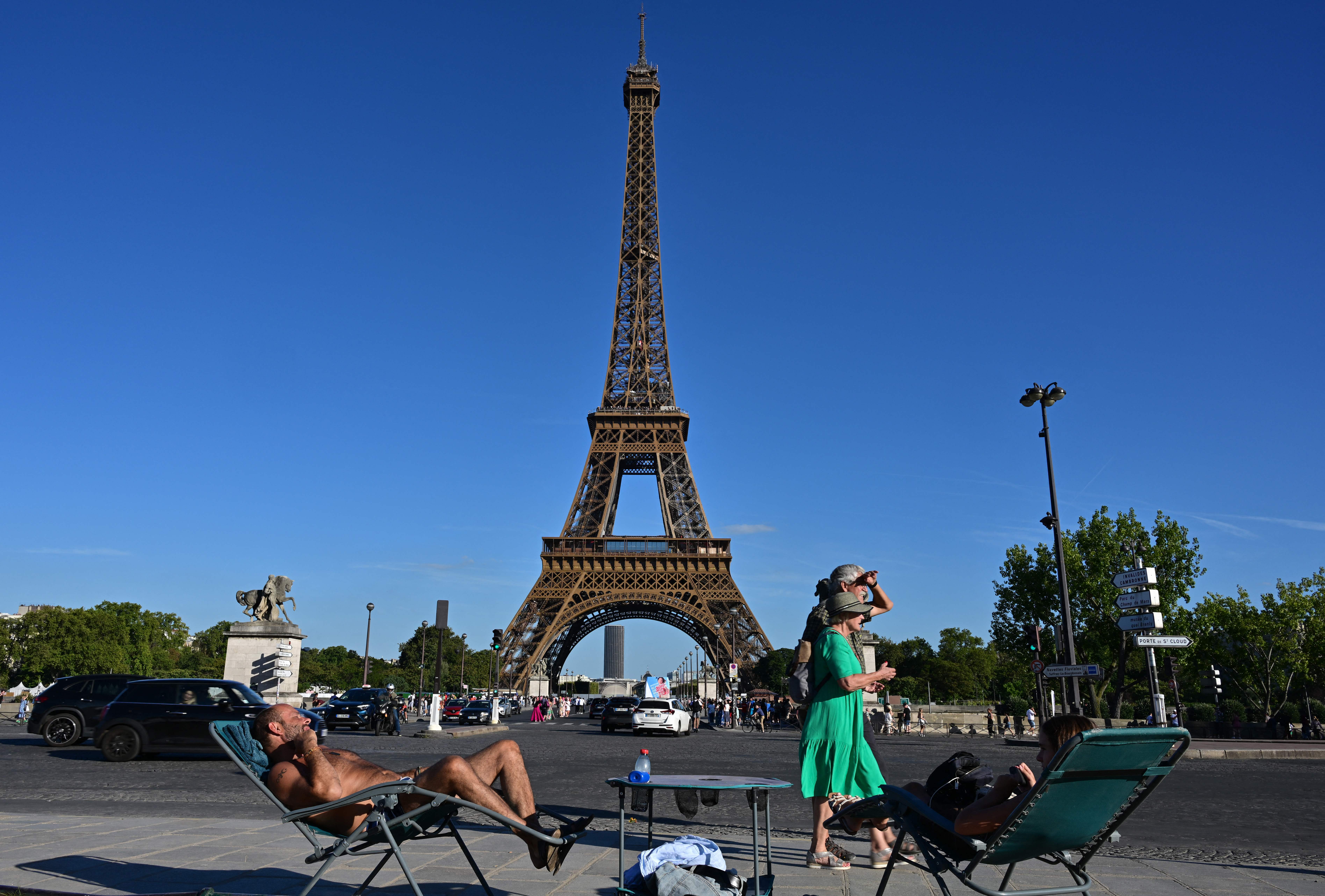
Q Why do you need medical insurance for a day trip to Paris? I have already bought day-trip tickets on Eurostar for a birthday outing. It looks like I will now be refused entry. Fuming.
Kaz G
A The Brexit burden for UK travellers keeps growing. The latest is the demand for Eurostar rail passengers from London to Paris, Brussels and Amsterdam to have proof of medical insurance.
How has this come about? By leaving the European Union and negotiating to become third-country nationals, the British were always going to become subject to the EU entry-exit system (EES). Before the vote to leave, the UK was involved in the early stages of planning the EES. So the impending obligation for us to be fingerprinted and photographed on entry to the Schengen area was known.
Besides providing biometrics, travellers must meet the normal requirements of the Schengen area: having accommodation booked, a ticket out of the zone after a short visit and sufficient money. Each member state can add its own stipulations on top. Most nations confine themselves to specifying the daily amount of funds they expect you to have available. But France has an additional condition: “An insurance certificate covering all medical, hospital and death-related expenses that may be incurred during the entirety of the stay in France, including the cost of repatriation for medical reasons.”
This demand has been around, but dormant, for years. What is new is that France has chosen to include the question “Do you have medical insurance?” as part of the procedure for Eurostar passengers (and possibly arrivals at French airports). Many travellers will be able to truthfully answer that they do. But others will have chosen not to insure – either because they can’t be bothered, or because they have opted to rely on the UK Global Health Insurance Card (Ghic), covering urgent treatment at EU hospitals at little or no cost.
My expectation is that most uninsured passengers will fib and get away with it. But the French authorities warn: “Your answers are binding, you may be asked to provide proof.” To follow the rules scrupulously, you will need insurance. Perhaps you could ask any Brexit-supporting friends or family to crowdfund a policy for you?
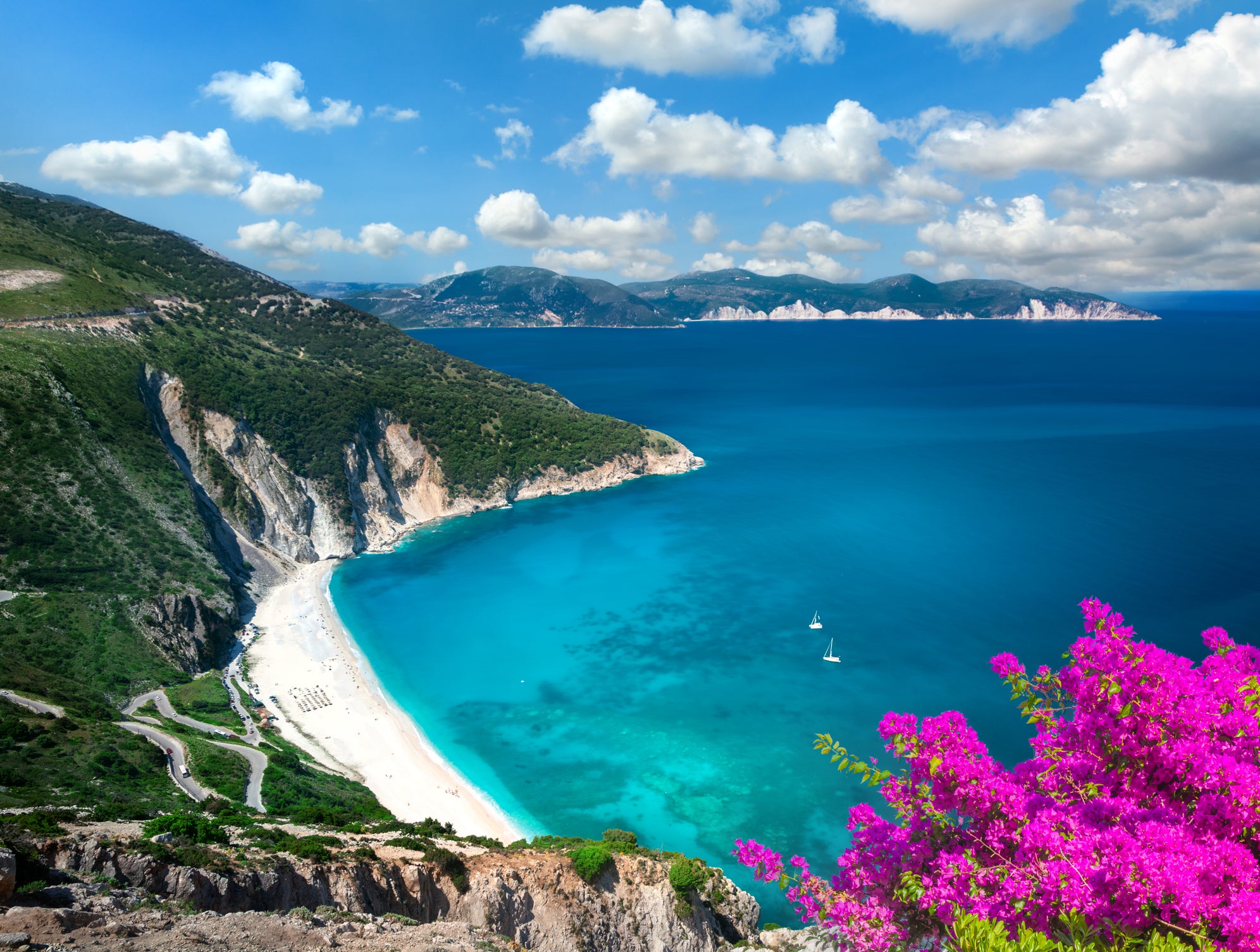
Q Where do I stand as a customer when I’ve booked a flight home from Kefalonia, including 23kg of luggage, but the airline deliberately left it behind due to the plane being overweight? Is this common, and should I be compensated?
Andy E
A Airlines have strict rules about an aircraft’s maximum take-off weight (and on many other issues). Kefalonia is not a particularly long flight: about 1,400 miles to the London area, well within the range of the Airbus A320 and Boeing 737 aircraft used for such holiday trips. But I imagine there are other factors at work, ranging from high temperatures on the Greek island, which would make the air thinner and therefore reduce the maximum weight, to especially adverse headwinds en route to the UK.
The need to reduce an aircraft’s weight is not especially common; if it were, airlines would be more careful with their scheduling, because it always proves expensive. On the rare occasions when it happens, the first option is normally not to load commercial cargo. But freight is not carried on holiday flights to and from Greece, ruling out this option.
Next least-bad choice: leaving passengers’ luggage behind, particularly when, for the vast majority of travellers, it is a homebound journey. The thinking is: while it will be annoying, most passengers will have changes of clothes at home. This does not apply on flights at the start of the holiday.
On compensation: if you can demonstrate that you have had to spend on specific items as a result, you may be able to claim some modest reimbursement from the airline. Your travel insurer may possibly offer a nominal payment for delayed baggage, too.
The airline will bring passengers’ baggage home in the next day or two, and deliver it to your home (or, if you ask, another address such as an office). This will prove an expensive exercise for the carrier, but not as costly as the third option, which is to leave some passengers behind. Or the fourth possibility, to refuel along the way, which racks up costs for the airline in handling charges, and delays the flight, cheesing everyone off.
I hope that your possessions are reunited soon and that the episode serves as a useful reminder about not packing anything essential in your checked baggage.
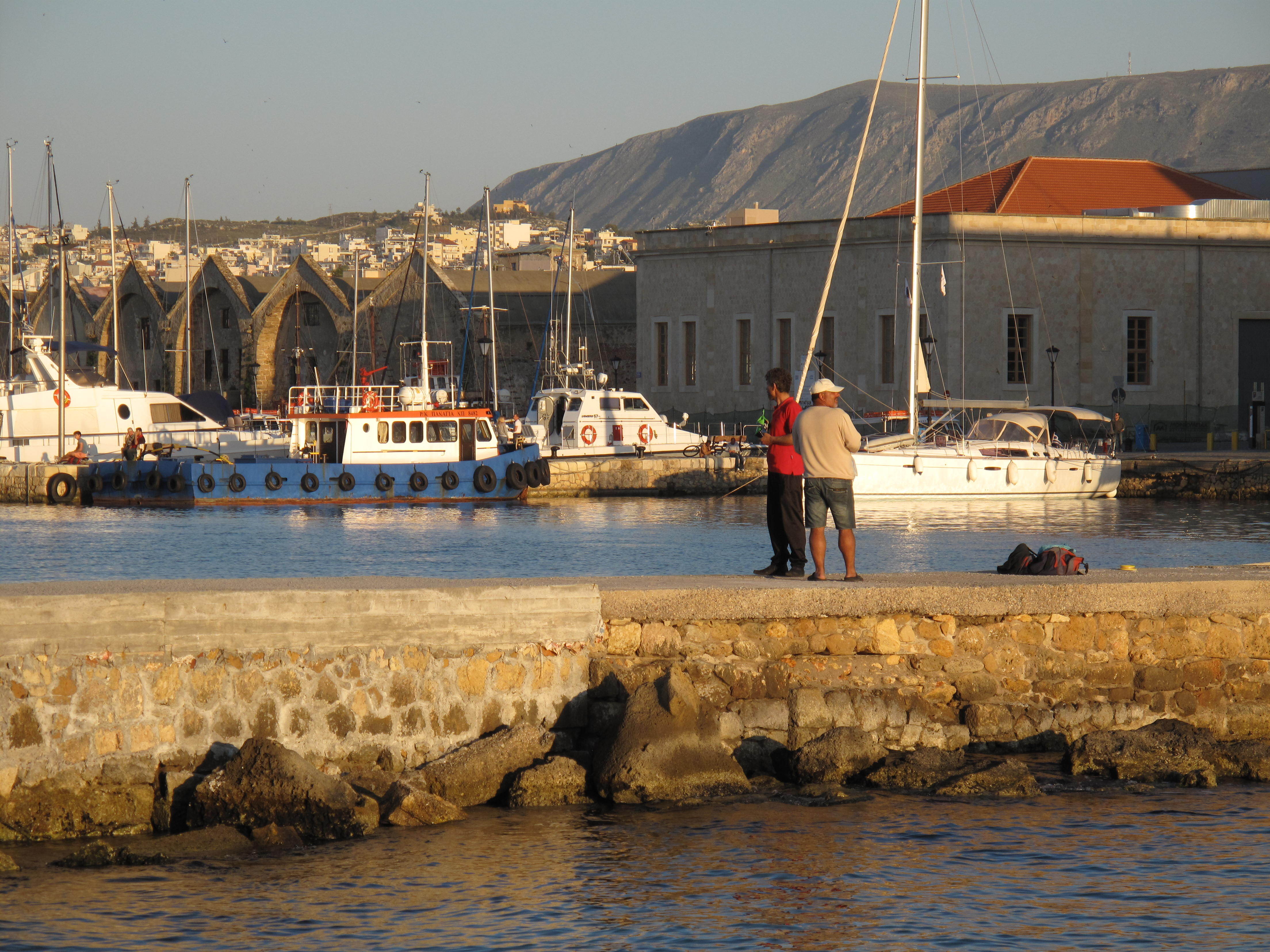
Q Is the French air traffic strike still going ahead from 7 October? Unfortunately, I’m flying home from Crete that day.
Jan P
A The main French air traffic control union, the SNCTA, is planning to strike from the morning of Tuesday 7 October to the morning of Friday 10 October. The union has grievances about “punitive practices and brutal managerial methods”. Since the aim of the strike is to put pressure on the latest version of the French government to replace the management, I see no prospect of the walkout being called off. The only question is: just how devastating will the impact be on airline operations?
One in three European flights is normally routed to, from or over France. The most direct air routes from the UK to many Mediterranean destinations overfly France. A two-day strike in July by two smaller unions representing controllers caused almost 3,000 cancellations. That amounts to around 40,000 to 50,000 passengers whose flights were grounded.
Your flight is far more likely to be delayed than it is to be cancelled. The most direct path between the UK and Crete generally only clips a corner of eastern France. It is trivial to route the flight a little to the northeast, but the problem is that the strike puts pressure on sectors of airspace adjacent to areas controlled by France. Another issue is: if planes are held up in the morning flying between the UK and Spain, France or Italy, there can be knock-on delays.
The effect at this stage is unknowable. The sequence of events is this: two days before the strike starts, controllers will declare whether or not they will be available to work. The French civil aviation authority, the DGAC, will then prescribe what level of service will be provided – and conversely, what proportion of flights airlines must cancel.
Overflights seem to suffer disproportionately: the airports worst affected by the July strike were both in Spain: Palma de Mallorca and Barcelona. Those are the locations likely to be worst affected. So relax and enjoy your Greek island holiday.
Email your question to s@hols.tv or tweet @SimonCalder
Join our commenting forum
Join thought-provoking conversations, follow other Independent readers and see their replies
Comments
Bookmark popover
Removed from bookmarks