Why England’s Calcutta Cup defeat felt so ‘frustrating’ – and raised two key questions
England’s hopes of a Six Nations grand slam charge came crashing down against Scotland
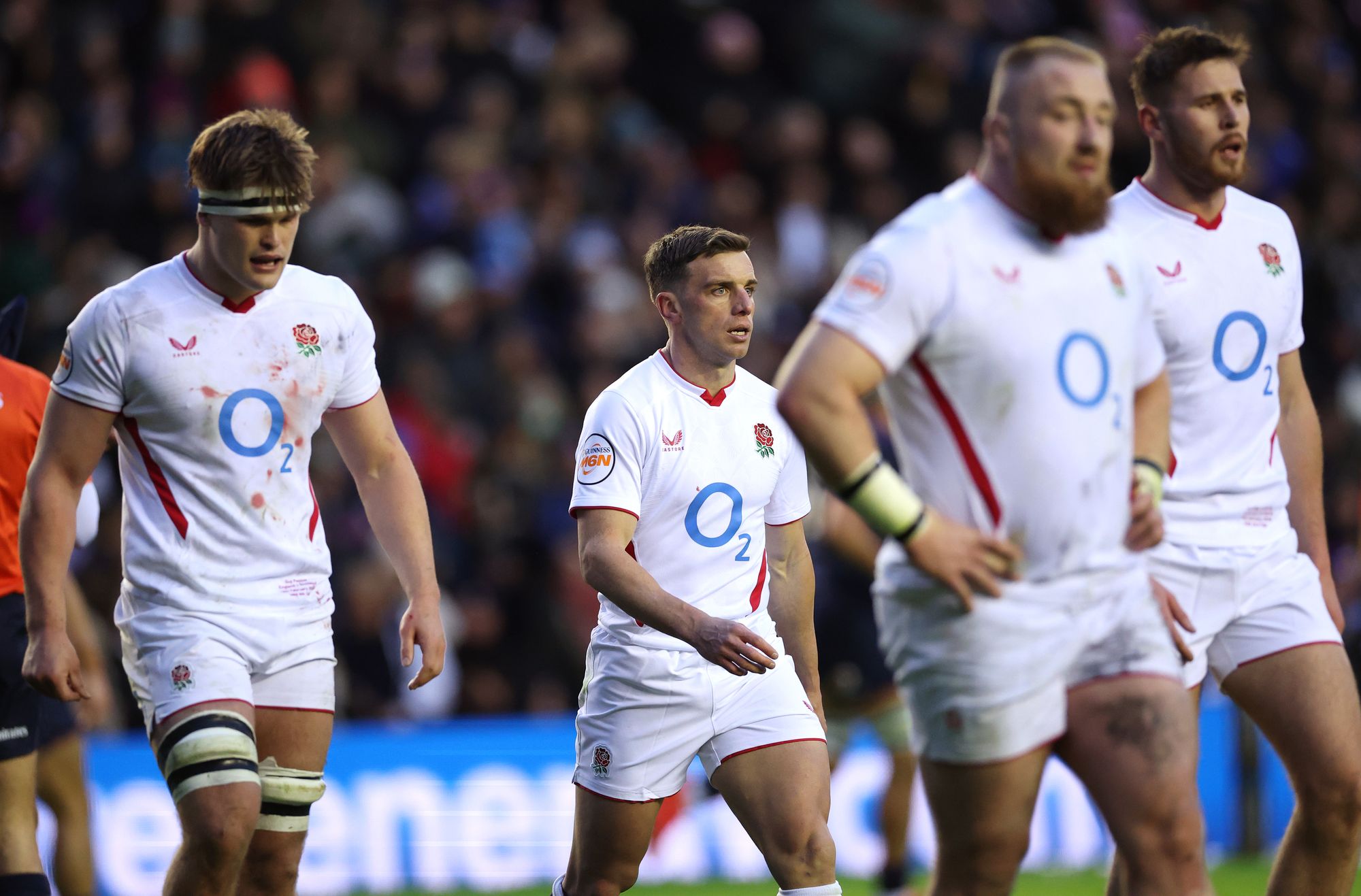
For England rugby, it was a Valentine’s evening to forget. There was a novel feeling to post-match proceedings as a side that had learned how not to lose remembered again how it felt to fall short; after an extended honeymoon period in the forging of a new identity through a run of 12 wins, here was the sort of showing that Steve Borthwick’s side had perhaps been due.
Cue talk of a learning experience, of taking the positives, of building back better, a once-familiar script returned to. “It is frustrating,” centre Fraser Dingwall said, before belabouring the point, using that word seven times in two minutes as he collected the thoughts of a muddled mind. He, and the rest of his England colleagues, could identify what went wrong – aerial inferiority, red-zone inefficiency, high-profile errors – but not really articulate why.
The straightforward solution would be to strike a performance like this from the record; a setback, yes, but an aberration when viewed as part of a rather more positive body of evidence 12 months long. Yet as England gathered after the match, there must have been a galling feel of another haunting night at their Edinburgh house of horrors. Why always here? Why always them? “I think if you look at Scotland, obviously they had a frustrating result last week against Italy, but they bounced back really well and they’re a quality side,” the scrum half Alex Mitchell suggested. “They've showed that for the last couple of years. We’ve not got a result here in however long, but it’s one of them. It’s tough to take.”
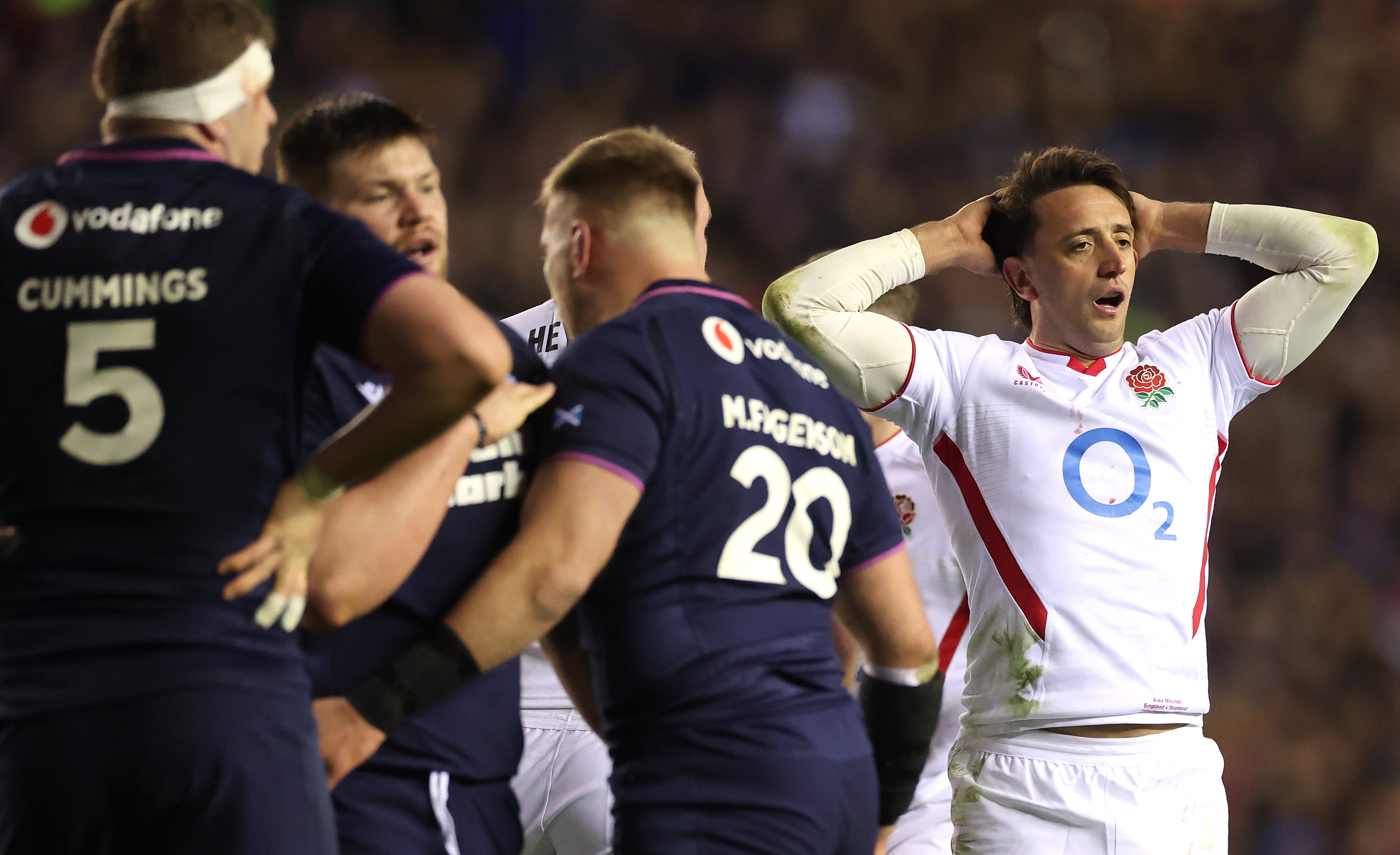
A few have suggested a sort of English exceptionalism was the bedrock to the suggestion that a grand slam charge might be on, but it would be wrong to say that there was not sound reason for a belief in their upward mobility. Frankly, it was hard to see a performance – and result – like this coming based on the last 12; disaster had not exactly seemed around the corner. Which may make it all the more frustrating when Borthwick brings his squad together on Monday morning for what could be a tricky review. There was a real sense that if England could overcome their Edinburgh “bogey zone”, as Ben Earl termed it, they could carry momentum through the rest of the championship.
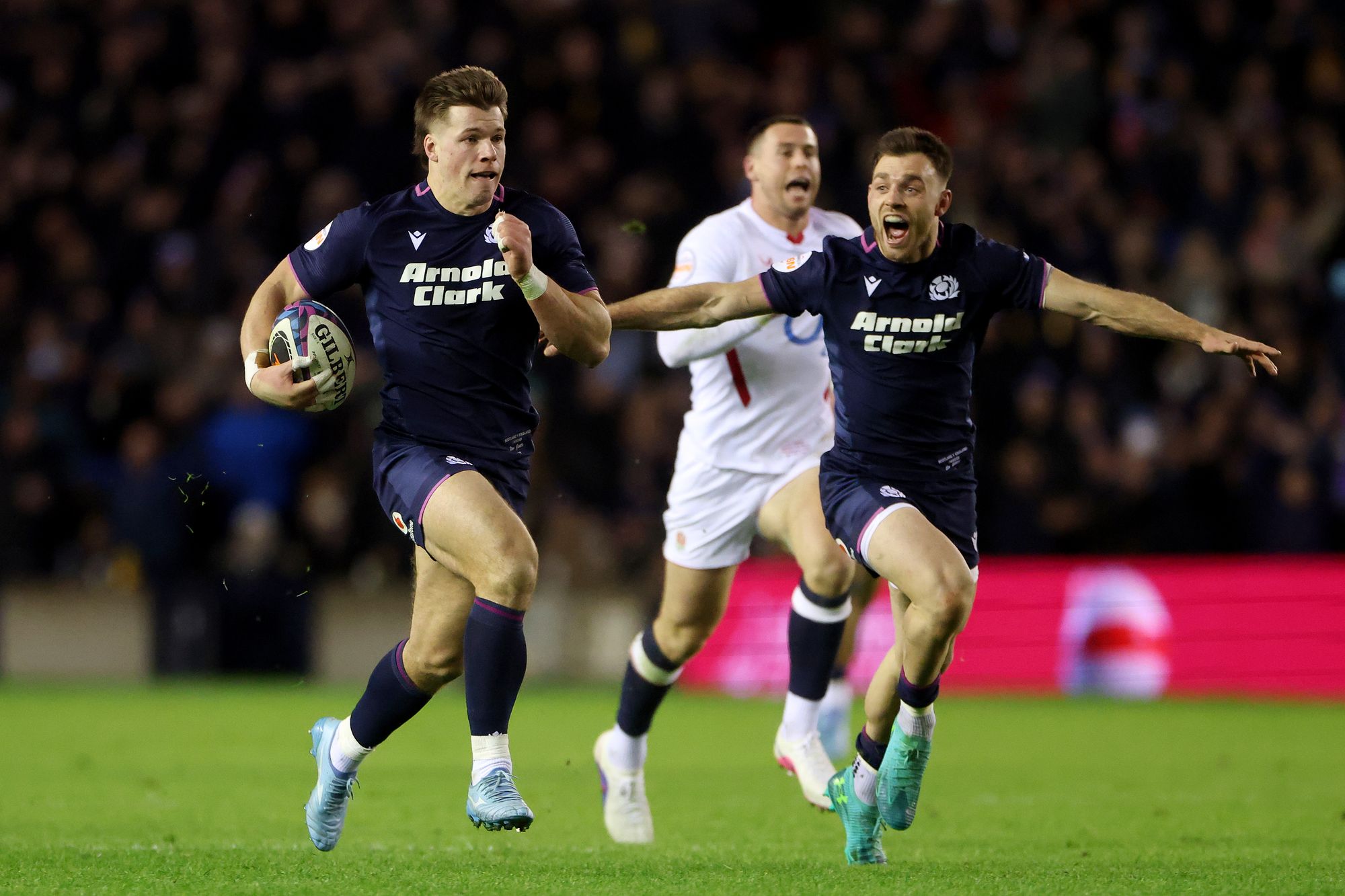
Now, where are they, and what are they? There will be twists and turns to come yet in this Six Nations campaign, but it is now six years since England beat any of Ireland, France or Scotland away from home in the championship; this is their finest side in that span and yet still it feels the fact that holds them back. Looking even beyond Paris on the final weekend, there is a jaunt to Johannesburg in July – the Springboks might have watched this with eager interest.



“I always will try and review a game from a neutral standpoint,” an admirably clear-eyed Dingwall said. “I think that after a win or a loss, you’ve got to be incredibly honest so you kick on and grow and develop, irrespective of the result. As ever, there are parts that won’t be as bad as you think they are, but there are parts that will be tough to watch back as well.
“You’ve got to be honest and confront those in both senses. The emotional side will be around the contact stuff, the physicality stuff, the moments which are based upon desire and effort. But we’ll be very clinical and direct when it comes to detail bits in how we can develop and what we are trying to do.”
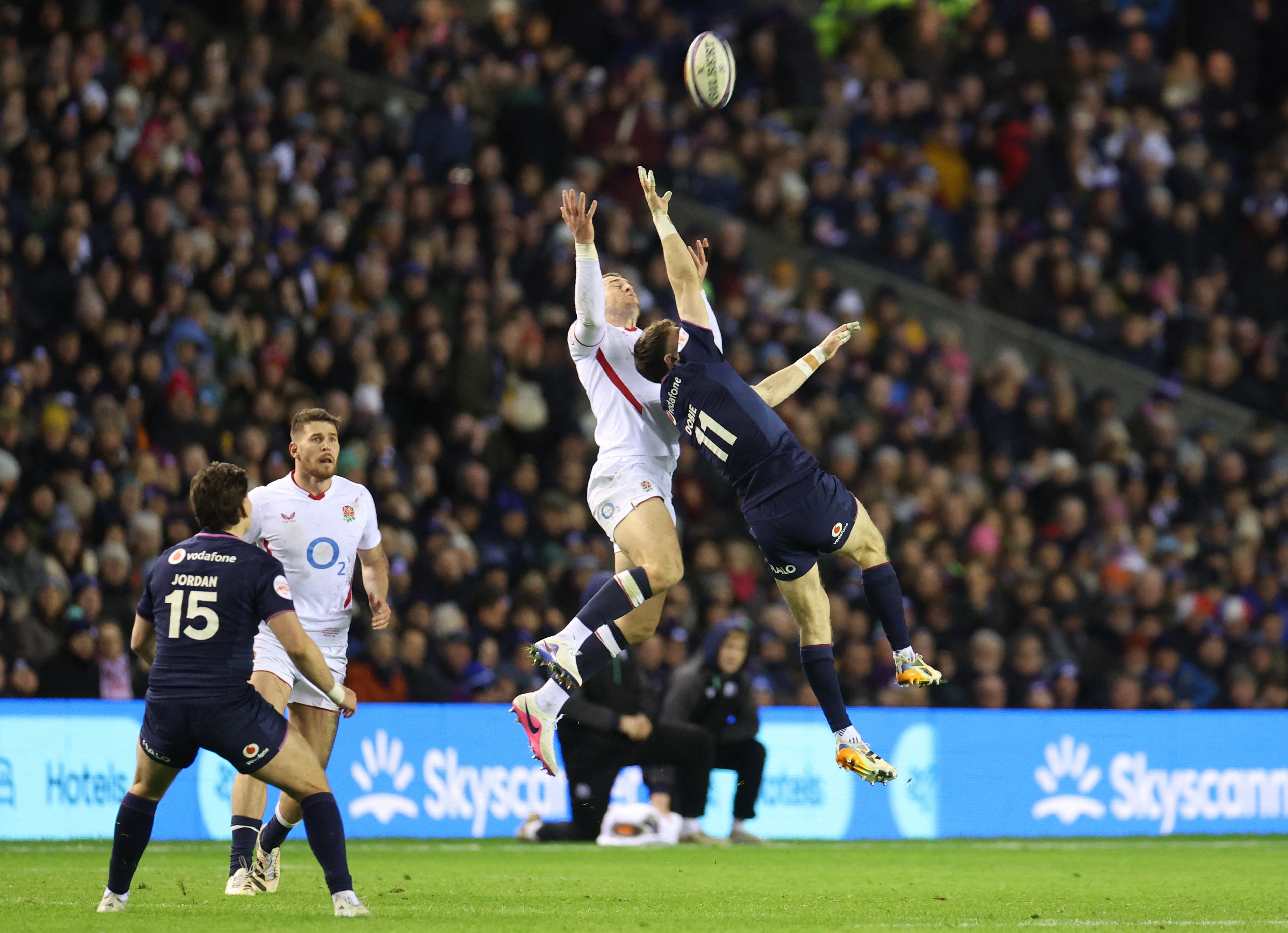
In part, the reason that England’s performance jarred so much is that it felt like their foundation stones failed them. If one were to pinpoint the areas around which England had based their game over their winning run, it would be their contestable kicking game, breakdown accuracy, tactical discipline and edge defence. Against a mightily fine Scottish performance, each faltered; England failed. Suddenly, questions that felt answered must be raised again – the fly half position, for example, is all the more interesting. England have been keen to give Fin Smith more time at international level but, as shown by the reshuffle required after Henry Arundell’s red card, there is probably greater value in having Marcus Smith among the replacements.
It was a tough day for George Ford, too. His decision to drop back into the pocket reflected England’s blunted attack – 12 entries into the Scottish 22 amounted to just two tries – and it is a tactic that has worked for him before. But with ruck ball slow, Matt Fagerson’s blocking provided a 10-point swing. “It’s definitely a tactic to go to, drop it in the pocket and go into the drop goal or go into a kick in the air,” Mitchell explained. “But, yes, it just didn’t go our way. That’s obviously frustrating. He’s normally fantastic at that.”
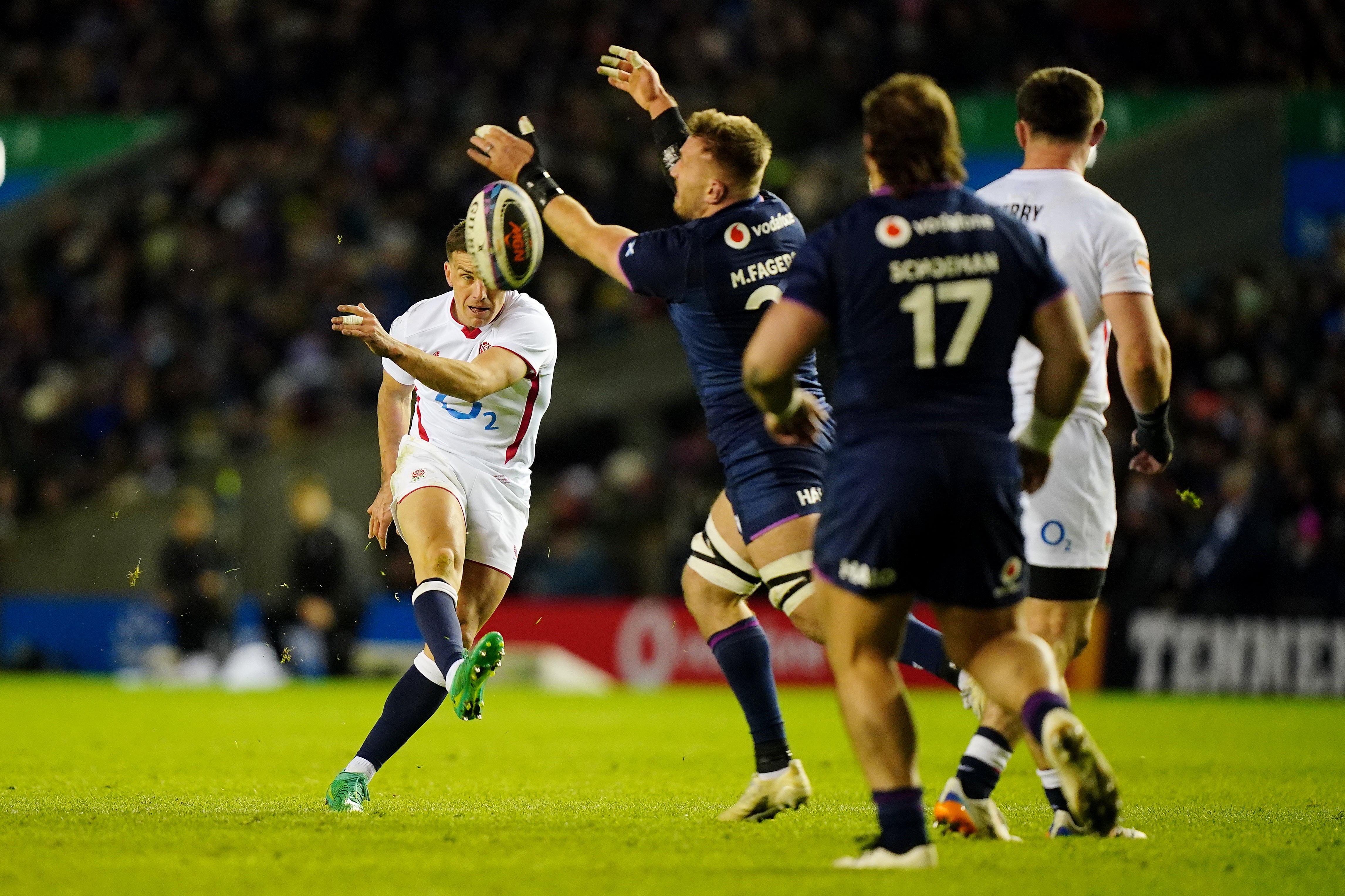
While England’s baby will not be tossed out with the bathwater, the make-up of the rest of the backline is a matter of intrigue. Arundell will probably not face a ban for his two yellow cards, but it feels unlikely he starts against Ireland; with Immanuel Feyi-Waboso out, and Elliot Daly short of sharpness lately, England’s wing stocks are not perhaps as they would like them to be. Bringing in Ollie Lawrence at 13 and returning Tommy Freeman to a familiar role on the wing would be sensible, but represent a shift in short and long-term strategy.
Both Dingwall and Mitchell felt positive that there was another game around the corner, rather than the fallow week that has followed the second round in this competition over the years. Ireland are not short of problems, either. England’s catalogue of errors will surely not be as large again – an international side does not knock on five metres from the line that often. Yet that only serves to underline what may be the truth: England are a good side but not yet particularly near greatness.
Join our commenting forum
Join thought-provoking conversations, follow other Independent readers and see their replies
Comments
Bookmark popover
Removed from bookmarks