Ukrainian skeleton racer loses appeal to be reinstated in Winter Olympics after helmet row
Vladyslav Heraskevych took his case to the Court of Arbitration for Sport after he was disqualified from the Winter Olympics for wearing a helmet bearing the images of Ukrainians killed as a result of Russia’s invasion of the country
Ukrainian skeleton racer Vladyslav Heraskevych will not be allowed to compete at the 2026 Winter Olympics after the Court of Arbitration for Sport upheld his disqualification for wearing a war tribute helmet.
During practice runs at Milan-Cortina, Heraskevych wore a helmet bearing the images of Ukrainians killed as a result of Russia’s invasion of the country, and insisted he would wear the helmet when the competition began on Thursday morning.
The IOC spent the past two days desperately trying to persuade Heraskevych not to wear the helmet, which is in contravention of rule 50.2 of the Olympic Charter, which states: “No kind of demonstration or political, religious or racial propaganda is permitted in any Olympic sites, venues or other areas”.
Heraskevych, however, said he would not stand down, leading to the IOC’s announcement that he would not be able to participate.
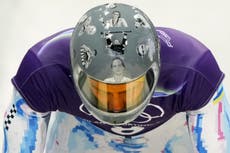
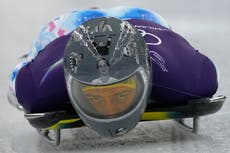
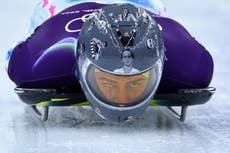
The Ukrainian vowed to appeal the decision which he branded as a win “for Russian propaganda”, insisting ahead of Friday’s hearing that he was not in violation of Olympic rules.
"I feel the same as the last four days," Heraskevych said. "I believe I didn't fail at any rules, so therefore I shouldn't be suspended, and I should be today part of the Olympic Games, part of the competition, but not part of the hearing. So, we continue to fight for our truth."
But his protests have failing to deliver the desired verdict from Cas, who have denied his appeal to be reinstated in the competition.
Heraskevych reacted to the decision by telling Reuters: “Cas has failed us. We will consider our next steps.”
The Cas Ad Hoc Division, which is on site in Milan and can rule on cases in less than 24 hours, rejected his claim after finding that freedom of expression is guaranteed at the Olympic Games, but not on the field of play.
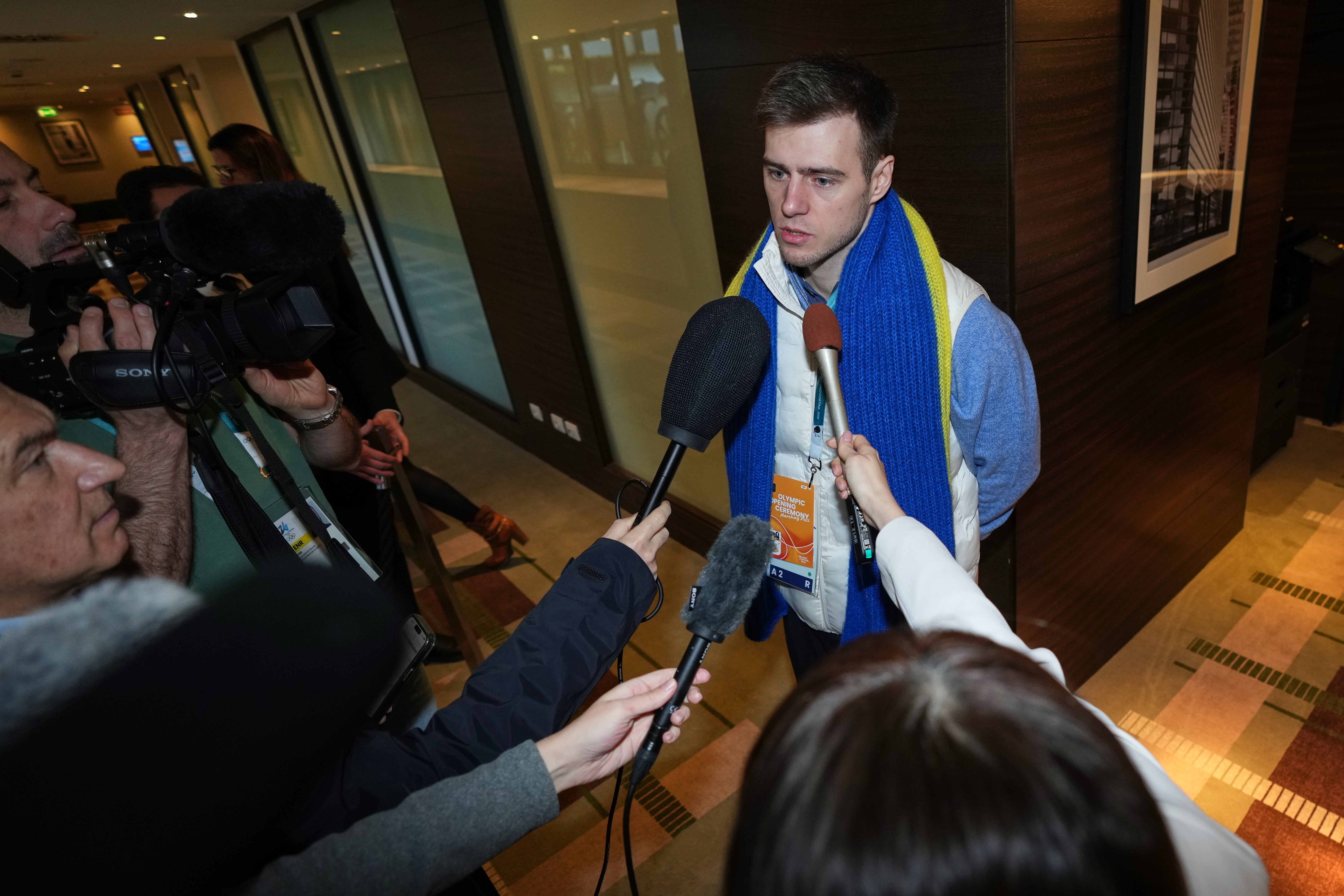
Heraskevych was pessimistic he would get his Olympic moment regardless of the outcome, having already missed the first two runs of his competition, with the final two runs set to take place on Friday evening.
"It looks like this train has left," the 27-year-old, draped in the Ukrainian flag, told reporters after emerging from a two-and-a-half-hour hearing in Milan. "I cannot do another race so it is done."
He remained hopeful that “truth will prevail” but Cas has not sided with his case, finding the limitations of the Olympic Charter “reasonable and proportionate, considering the other opportunities for athletes to raise awareness in mixed zones, in press conferences, on social networks, or in Mr Heraskevych's case, wearing the helmet during four training runs”.
Cas added: "The sole arbitrator appointed for this matter wished to state that she is fully sympathetic to Mr Heraskevych's commemoration and to his attempt to raise awareness for the grief and devastation suffered by the Ukrainian people, and Ukrainian athletes because of the war."
Join our commenting forum
Join thought-provoking conversations, follow other Independent readers and see their replies
Comments
Bookmark popover
Removed from bookmarks