Britain signs historic deal to deploy troops inside Ukraine – with Trump’s blessing
Starmer and Macron commit to military guarantee of any peace deal with Russia
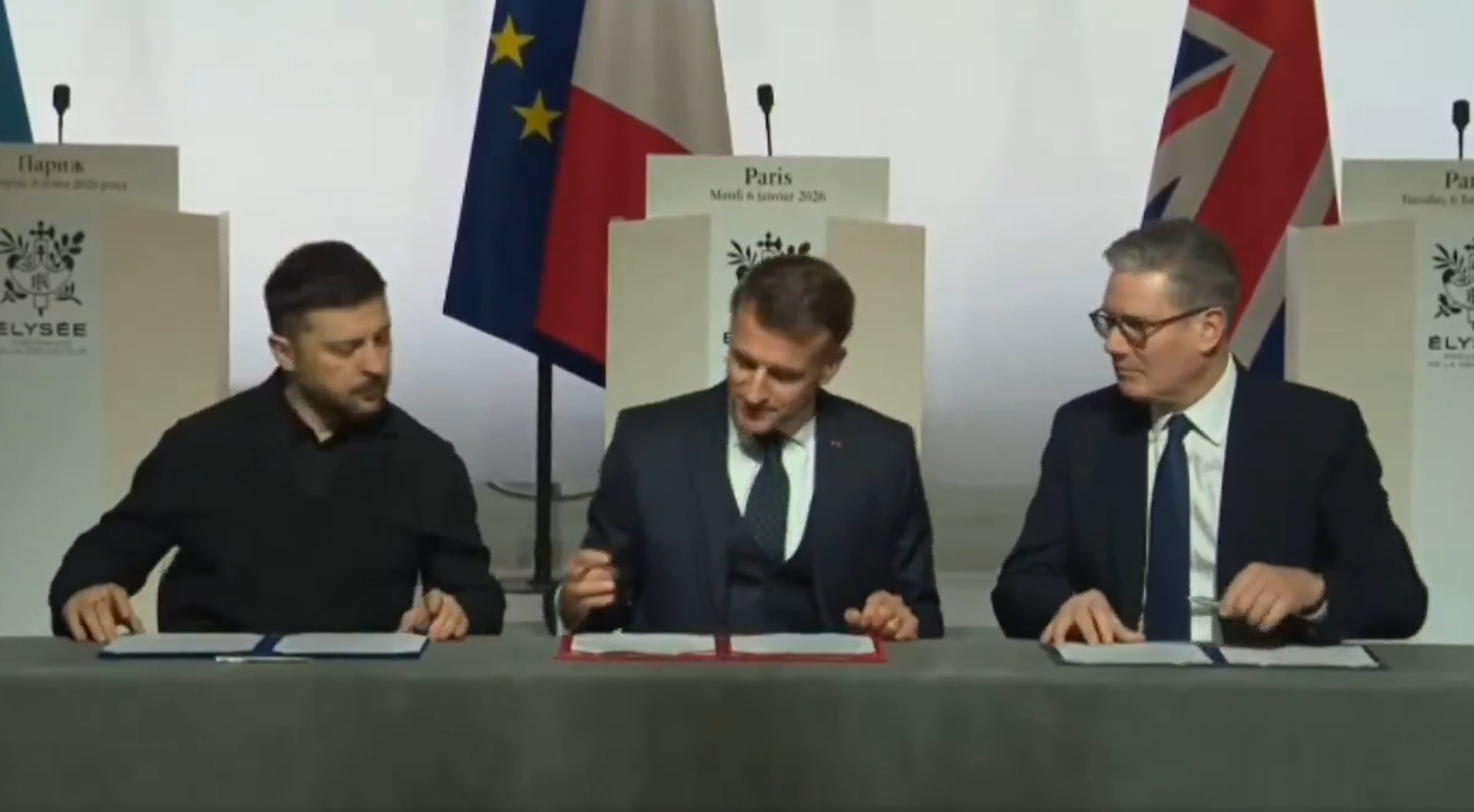
Britain and France have signed a historic agreement committing to boots on the ground in Ukraine as soon as any ceasefire with Russia comes into place.
The document, signed at a summit in Paris by French president Emmanuel Macron, UK prime minister Sir Keir Starmer and Ukraine president Volodymyr Zelensky, was hailed as “a significant step forward” in bringing about the coalition of the willing to guarantee peace in the war-torn country.
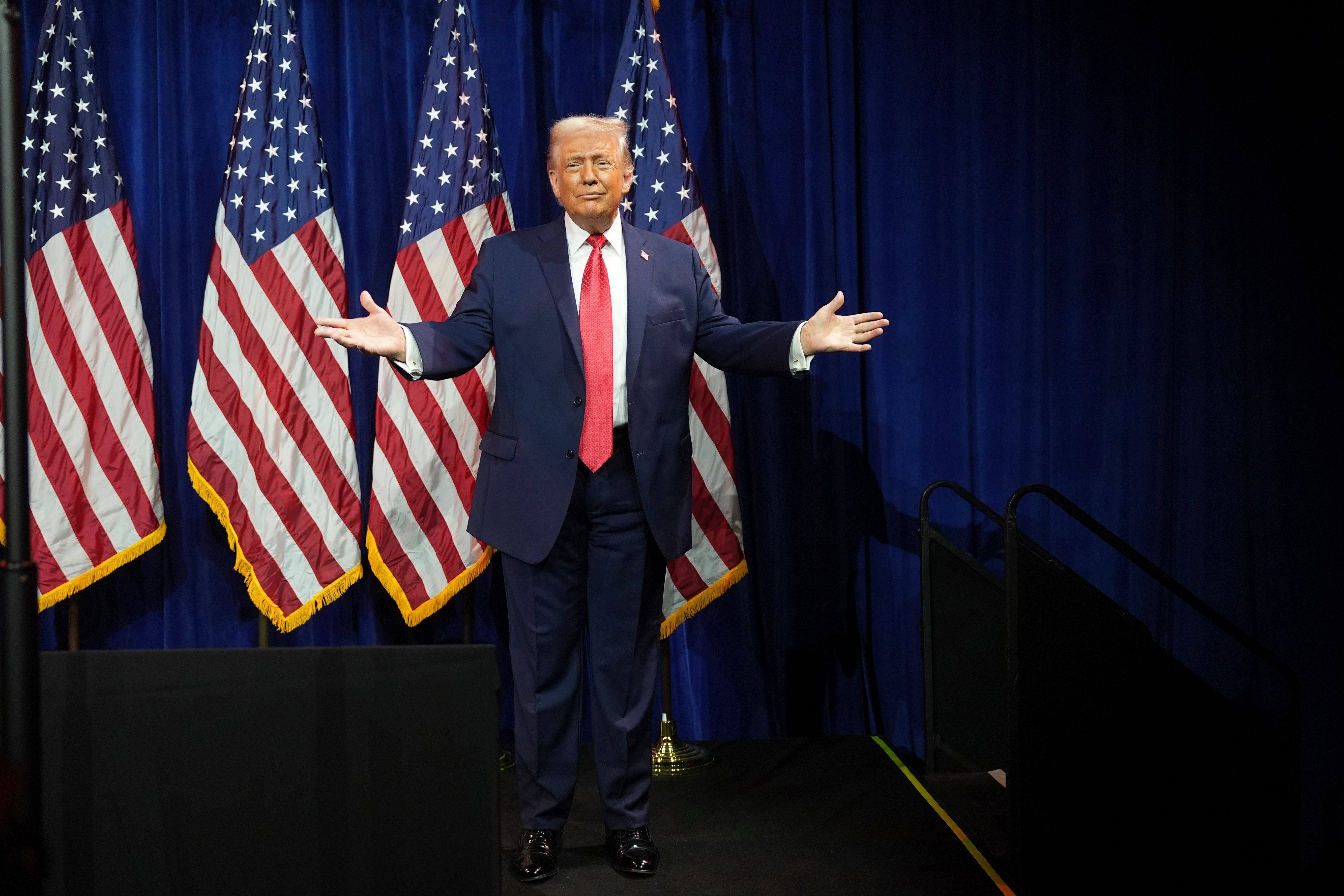
It was made possible by the US presence at the summit, with Donald Trump’s son-in-law Jared Kushner confirming that the president “strongly, strongly, strongly” supports the security guarantees and would provide the backup to make it work.
In addition, German chancellor Friedrich Mertz suggested that his country could also soon sign up to sending troops to Ukraine.
The breakthrough came despite a cloud hanging over the summit, with Donald Trump laying claim to Greenland, the sovereign territory of EU Nato ally Denmark.
It also followed the US intervention in Venezuela, with concerns being expressed that the Trump administration had acted illegally in international law in capturing the country’s president, Nicolas Maduro.
However, both President Macron and Sir Keir slapped down any suggestions of splits among Nato allies. All the parties went out of their way to thank Mr Kushner and Mr Trump’s peace envoy, Steve Witkoff, for being present for the first time at a coalition of the willing summit and providing the support needed to move on with the peace plan.
Mr Macron noted how the agreement was fulfilling Mr Trump’s wishes for Europe to take more responsibility for its own defence as part of increasing its military spending and footprint.
However, the coalition of the willing agreement could delay a ceasefire; Vladimir Putin has already made it clear he opposes a foreign military presence in Ukraine after the war ends.
In his statement on the new agreement, Sir Keir said: “This is a declaration of intent to deploy forces to Ukraine in the event of a peace deal. This is a vital part of our iron-cast commitment to stand with Ukraine for the long term.
“The ‘Multinational Force for Ukraine’ will act as a reassurance force to bolster security guarantees and Ukraine’s ability to return to peace and stability by supporting the regeneration of Ukraine’s own forces.
“The signing of the declaration paves the way for the legal framework to be established for French and UK forces to operate on Ukrainian soil, securing Ukraine’s skies and seas and building an armed forces fit for the future.”
He added: “In today's discussions, we have also gone into greater detail about the mechanics of the deployment of the force on the ground. Alongside our plans for a coordination cell, post-ceasefire, the UK and France will also establish ‘military hubs’ across Ukraine to enable the deployment and build protected facilities for weapons and military equipment to support Ukraine's defensive needs.”
The French president dubbed the agreement the “Paris Declaration” as he proclaimed the “significant progress” made at the summit.
A summary of the agreement shared by the Elysée, the official residence of the French president, said the agreement would include a “proposed US-led ceasefire monitoring and verification mechanism”.
It would also include a long-discussed “multinational force for Ukraine”, led by European allies, “with the involvement also of non-European members of the coalition, and the proposed support of the US”.
There are also “binding commitments to support Ukraine in the case of a future armed attack by Russia in order to restore peace”.
President Zelensky said that the agreements “do not go far enough yet” but welcomed the deal and America’s support.
Mr Kushner was pressed on whether the US would provide military support if allies were attacked attempting to guarantee the peace in Ukraine, and insisted: “America strongly, strongly, strongly stands behind those security guarantees. The president does not back down from his commitments.”
He said that a security guarantee for Ukraine is about having "real backstops" to prevent conflicts in Eastern Europe.
Mr Kushner said: “I think today was a very, very big milestone, and I thank President Macron for assembling this and for all of the work that everyone here has done behind the scenes to bring this together.
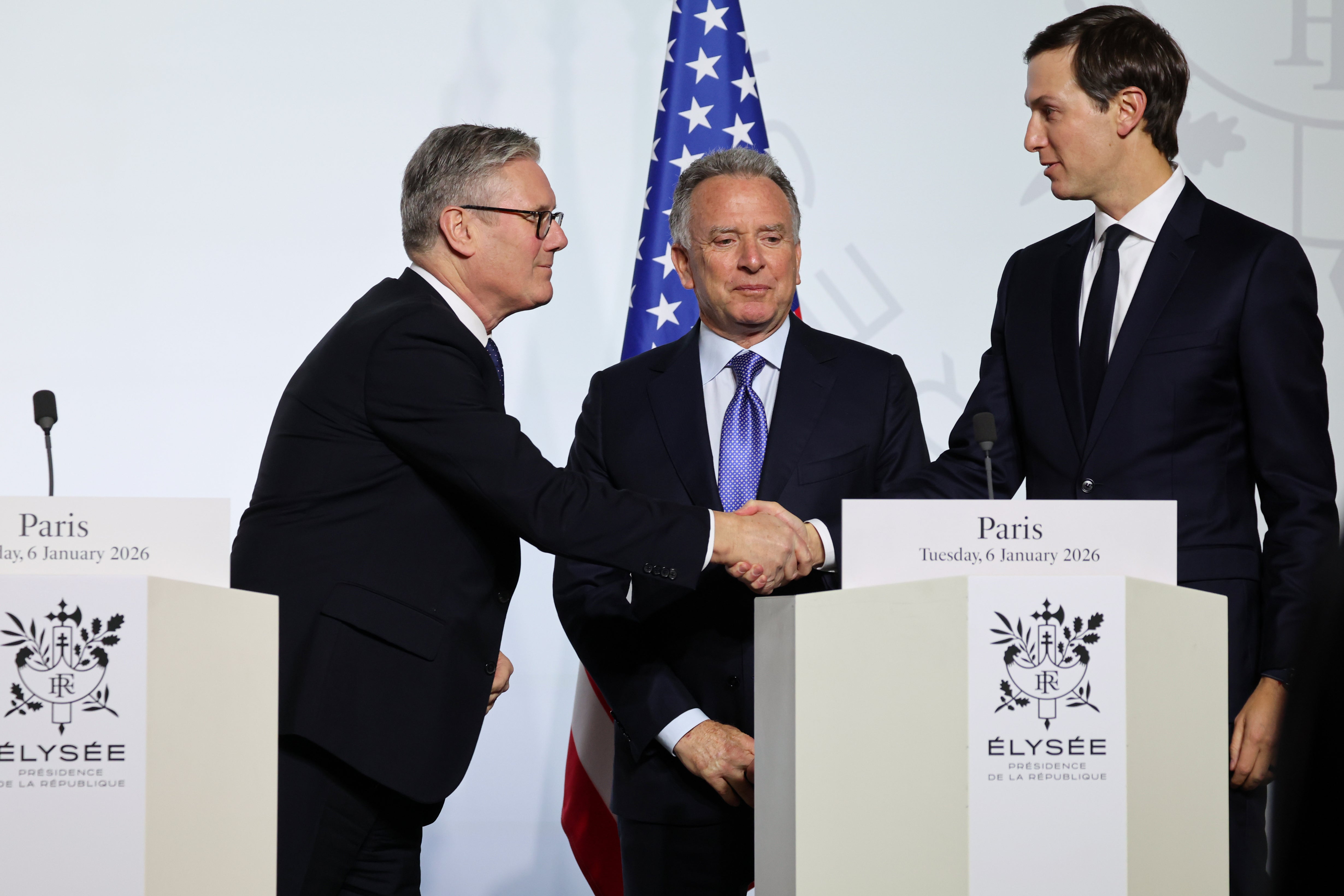
Mr Kushner, who was previously a senior adviser to his father-in-law Mr Trump, said the US president sought “a deal where both sides look to de-escalate” and added: “You create a robust deterrence, you know, peace through strength, where it’s unlikely that somebody will ever go and start this again.”
He added: “This is a really important building block towards an eventual peace deal, and I think that it’s a big, big milestone that’s reached today between the Europeans, with the coalition of the willing.”
It comes amid concerns that the US is positioning itself as “hostile actor” within Nato and turning its back on European allies. Just hours after the Ukraine deal was announced, the White House doubled down on Trump’s insistence that the US is "discussing options for acquiring Greenland" as a “national security priority”.
Greenland is a territory of Denmark, a key and longterm Nato ally. European leaders also released a statement on Tuesday insisting the future of Greenland “belongs to its people”.
Rose Gottemoeller, who served as deputy secretary-general of Nato during Trump’s first administration, told The Independent that any attempt to unilaterally annex the strategic mineral-rich island would force the alliance through an “existential” crisis.
“Nato European countries have woken up to the fact that they're going to have to go it alone without the United States. These events are, no doubt, a short, sharp shock, and a big boost to that wake up call,” she told The Independent .
The UK and France committing to deploy boots on the ground in Ukraine was part of that.
"It is an indicator of Europe taking the lead in a potential Nato-minus-the-US world."
Join our commenting forum
Join thought-provoking conversations, follow other Independent readers and see their replies
Comments
Bookmark popover
Removed from bookmarks