New batch of baby formula recalled over dangerous toxin discovery
Nestle stated the recall is being conducted ‘out of an abundance of caution’
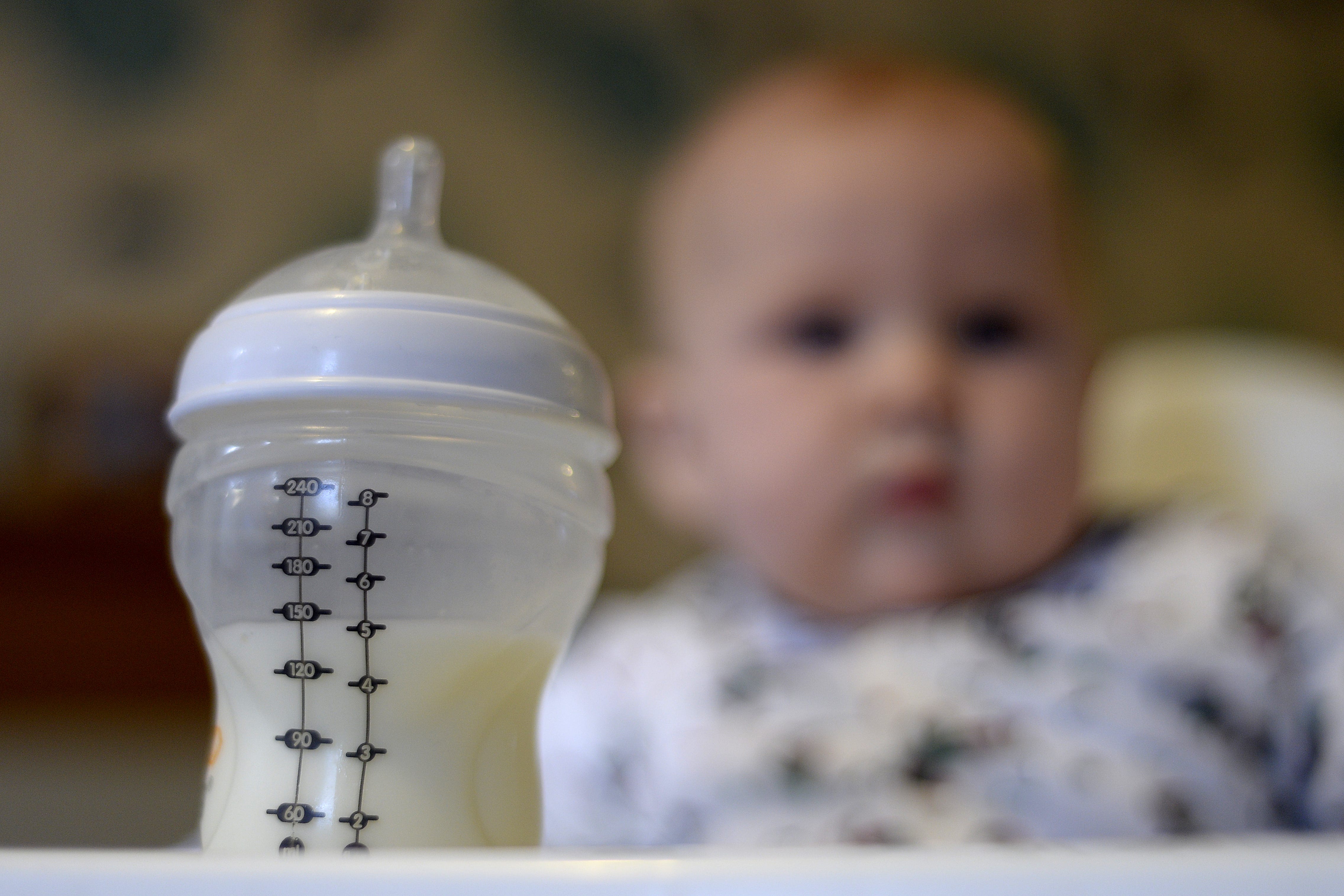
A fresh batch of Nestle's SMA Advanced First Infant Milk has been added to an ongoing product recall following the discovery of a food poisoning toxin.
The food giant previously recalled several SMA infant and follow-on formula batches in January over concerns about the cereulide toxin, which can induce nausea, vomiting, and abdominal cramps.
The latest batch recalled is 800g packs of SMA Advanced First Infant Milk (best before December 2027, marked 53390346AB), which the FSA confirmed was distributed only in Northern Ireland.
Nestle stated that while there have been no confirmed reports of illness linked to the products, the recall is being conducted "out of an abundance of caution."
Other Nestle products affected by the recall include: SMA Advanced Follow-On Milk; SMA Anti Reflux; SMA Alfamino; SMA First Infant Milk; SMA Little Steps First Infant Milk; SMA Comfort and SMA Lactose Free.
On 23 January, Danone also recalled a batch of its Aptamil baby formula product over concerns it could contain cereulide.
At the time, the FSA said only one batch sold in the UK was affected, but additional batches in other countries were also affected.
It emerged last week that the contamination that led to both recalls originated from a shared, third-party, ingredient supplier.
The FSA urged people with any affected products to stop using them, switch to an alternative and contact their GP or NHS 111 if their baby has already consumed the formula.
If formula is prescribed, parents should speak to a pharmacist or doctors before switching, the FSA said.
More detail about which batches have been recalled can be found on food.gov.uk or on the Nestle website.
On Monday, the European Union's food safety watchdog has recommended a significant reduction in the acceptable threshold for a toxin found in infant formula, a move expected to trigger further product withdrawals globally.
The European Commission had tasked the European Food Safety Authority (EFSA) with providing an urgent scientific threshold, or acute reference dose (ARfD), to guide governments and producers on when to remove affected products from sale.
In its assessment, EFSA proposed a stringent new limit of 0.014 micrograms per kilogram of body weight for infants.
The body highlighted that very young babies process substances differently and require enhanced protection, noting that vomiting was the primary short-term symptom considered when setting this new threshold.
Join our commenting forum
Join thought-provoking conversations, follow other Independent readers and see their replies
Comments
Bookmark popover
Removed from bookmarks