Racism is soaring in British schools – is Nigel Farage to blame?
In an atmosphere of bigoted public rhetoric, racist incidents in schools are soaring. Chloe Combi talks to teachers and pupils about how racism is being normalised in British playgrounds, where taunts of “go home” and offensive monkey noises are now a regular occurrence
Before school broke up for the holidays at the end of last year, Archie* (17) called me, laughing. But it wasn’t a jolly, fun-fuelled laugh – it was that kind of laugh people do when they’re in shock. He told me that weekend, he’d woken up, and there was cotton (the wool type you can buy in a chemist) around his bed. The housemaster of his elite and expensive school suggested someone was trying to simulate snow for a Christmassy effect. The trouble was, several other Black students had also woken up to the same cotton around their beds in other houses.
Archie is one of the least easily offended people I know. His background and deep Christian faith instil in him an admirable philosophy of turning the other cheek. He even viewed the bursary he won to the school as a result of his academic achievement as more of a gift from God than his own personal and intellectual gifts. Nonetheless, this tested his genial and philosophical outlook as he felt the school was more intent on hushing it up than getting to the bottom of it.
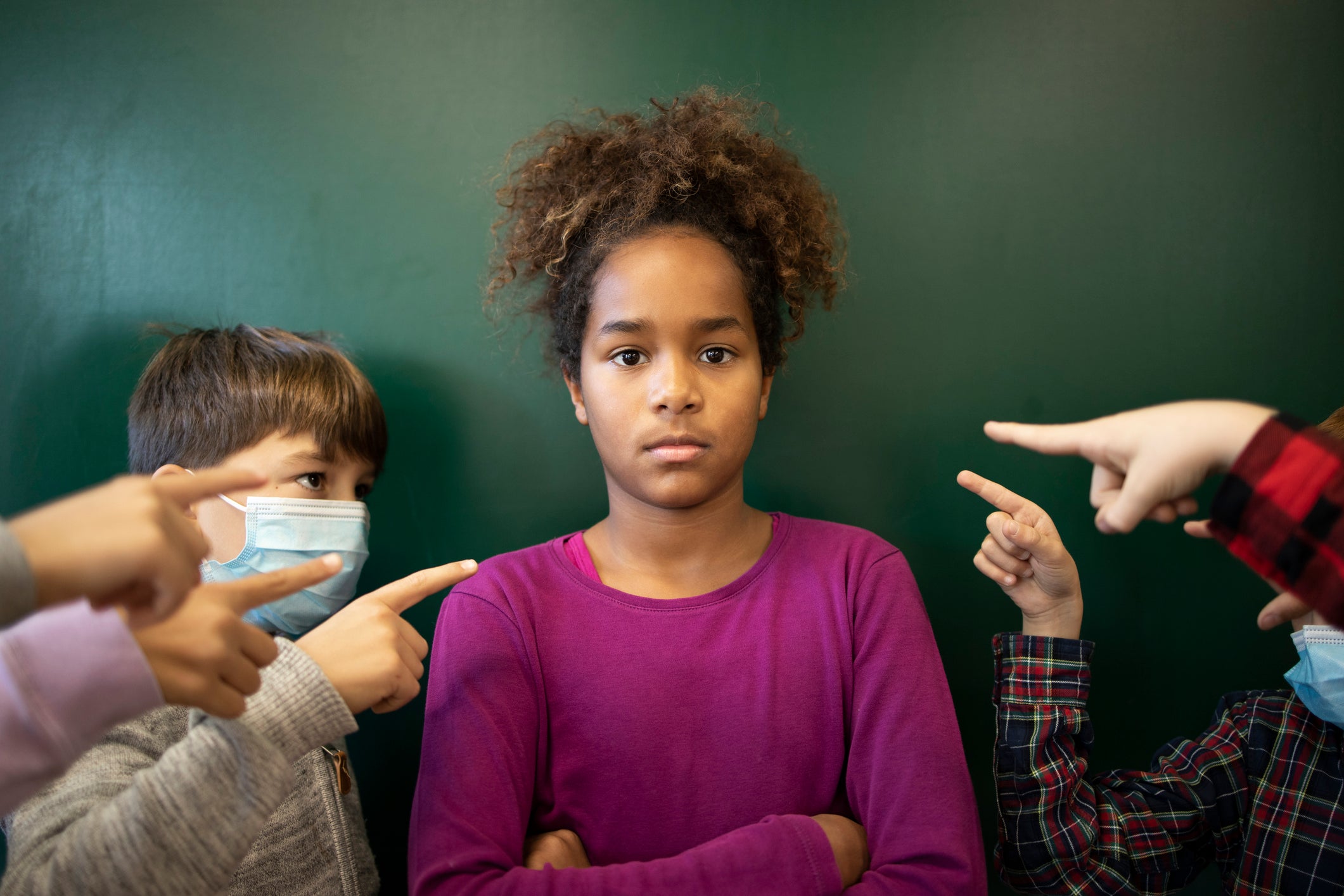
I asked him if he felt the school had a race problem, and he answered carefully. “No. But there has definitely been a change in the last couple of years. There’s that elephant in the room, when they both know there’s a problem but won’t say it, that’s what it feels like.
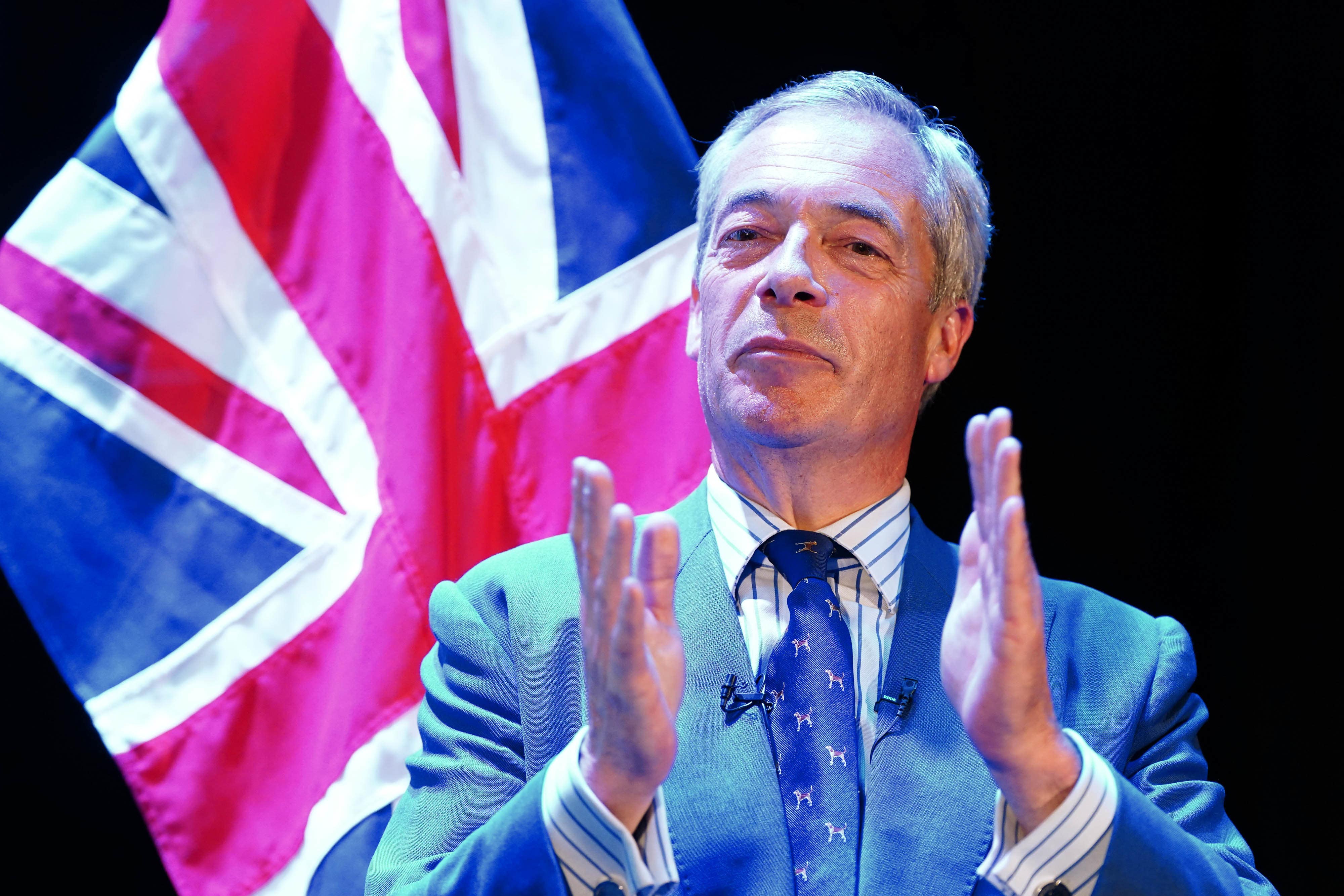
“There’s much more open anti-immigrant language around, much more open support of people like Nigel Farage and Trump and in the younger years, visibly more friendship groups and divides across racial and cultural lines. That bothers me.”
It’s hard to disagree that British children are growing up in an atmosphere where what was once deemed unsayable and unacceptable is now not just openly discussed, but even used as a boast or repeated as a bit of a laugh.
Last week, the issue became supercharged when the President of the United States, Donald Trump, posted a deeply racist video on his Truth Social platform, depicting President Barack Obama and Michelle Obama as monkeys. The White House scrambled to find cover, waving it away as LOLs and scolding people for being too easily offended, and finally settling on ignorance with Trump.
Yesterday, Manchester United co-owner Jim Ratcliffe was forced to apologise after saying that the UK had been “colonised’’ by immigrants. After the prime minister called his comments “offensive and wrong”, the billionaire businessman issued a statement saying that he was sorry that his “choice of language has offended some people in the UK and Europe”. But this was after Nigel Farage had posted a video on social media supporting the Manchester United co-owner, saying: “Areas of our towns and cities have been completely changed. Jim Ratcliffe is right.”
I’ve spoken to a number of students of all ages who view these kinds of incidents as evidence of just how normalised racist rhetoric has become and worry about the effect it is having.
Thea*, 16, a student from London, was devastated by Trump’s post, explaining, “My grandparents had monkey noises shouted at them in the Eighties. Last week, my brother had monkey noises shouted at him on the way to school. He’s 13. It feels like we’re going backwards, and it’s scary and horrible. People in school are saying stuff about supporting politicians with views that would have been taboo even two or three years ago.”
Statistics released last month by Statista Research show that while the Green Party is currently holding the most sway over 18-24s with 38 per cent expressing their intention to vote for them, Reform has seen significant gains in younger cohorts with 10 per cent of 18-24 support and 19 per cent of 25-49s now aligning with Reform.
This is mostly motivated by an antipathy towards the status quo; by their reckoning that traditional parties have done nothing for them, and are more interested in looking after corporate interests and the “other” over them.
Will*, 16, who intends to vote for Reform, explains, “I’m not racist or really anti-immigrant per se, but things aren’t working. How is it fair that I’ll never be able to buy a house and yet someone rocking up here on a boat or whatever gets one straight away?”
I ask him if he’s open about the political leanings. “In my social group, yes, they agree with me. I wouldn’t wear a badge. At our school, people are definitely in groups across racial lines a bit, but also what you believe.”
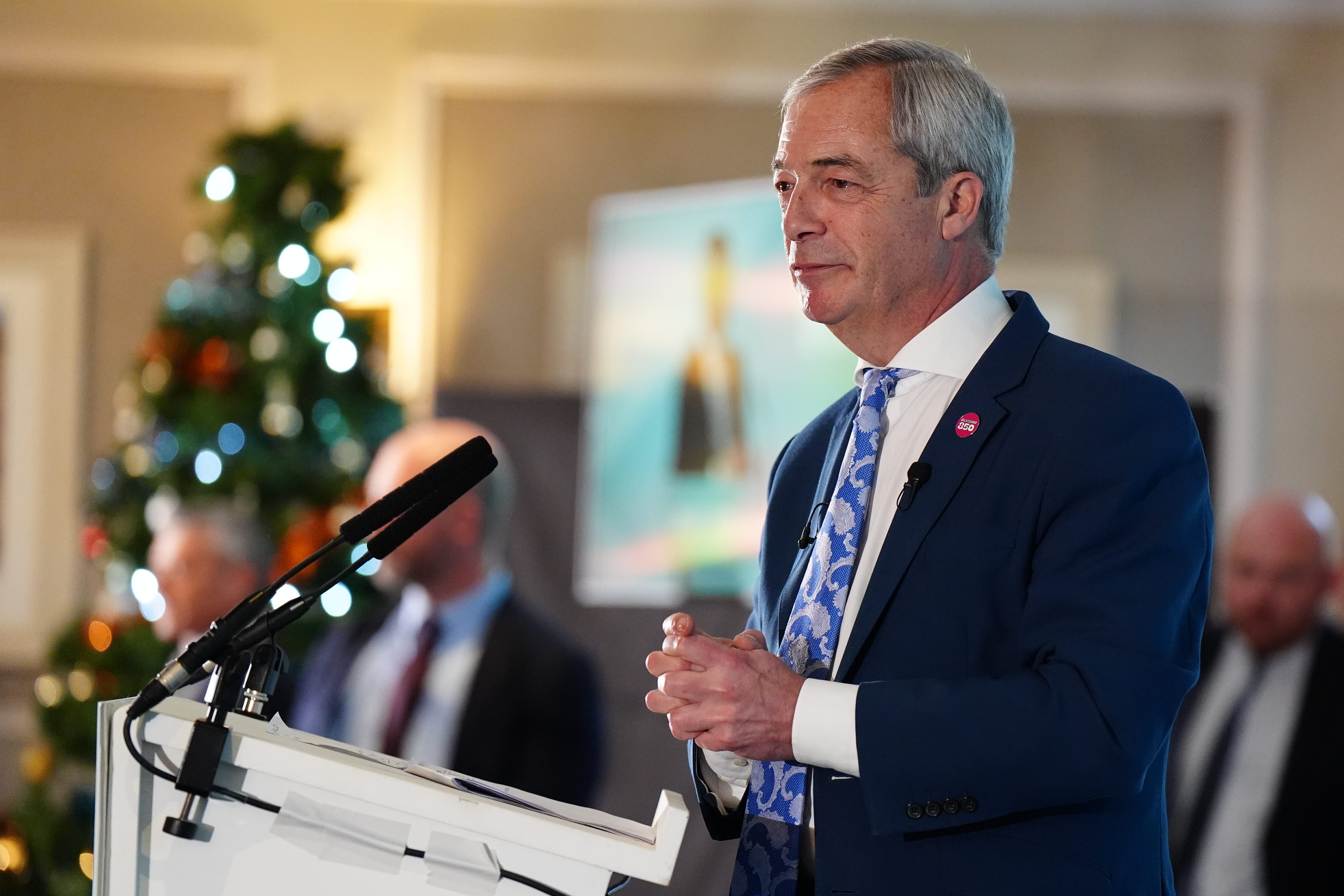
At the end of last year, Farage’s Reform UK was celebrating robust fundraising and momentum, which suggested that racism allegations that had emerged from Farage’s school days were not scaring off supporters.
Could this be because those accusations, which Farage has denied, chime with a current mood? Over in Epping, Essex, Jannelle*, 41, who has taught in secondary schools for 16 years, describes the last three as one of the worst of her career. Her school is close to one of the most reported on migrant hotel protests, and she believes the consequences for local schools were extremely toxic.
She explains: “We had a number of students go to the protests openly with parents and appear on social media waving banners. They’d come back to school on Monday and, of course, it was blowing up. Fights, name-calling. You name it. That animosity can cause huge amounts of racial tension in schools.”
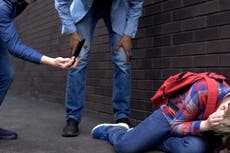


Younger children can be a good barometer of the mood of a country because of their lack of filter. Iain*, 47, has been a primary school head in Hertfordshire and has been alarmed by the spike in racist incidents he’s seen over the last two years. This aligns with recent data from the Department of Education, which reports a 220 per cent increase in suspensions for racist abuse in primary schools nationally.
“The number of our students saying things like ‘go back home’ and ‘get back on the boat’ has increased significantly. They are getting this from parents or families. I was accused by a dad last week of being racist against whites because I had sanctioned his son, who had been making monkey noises at other children.”
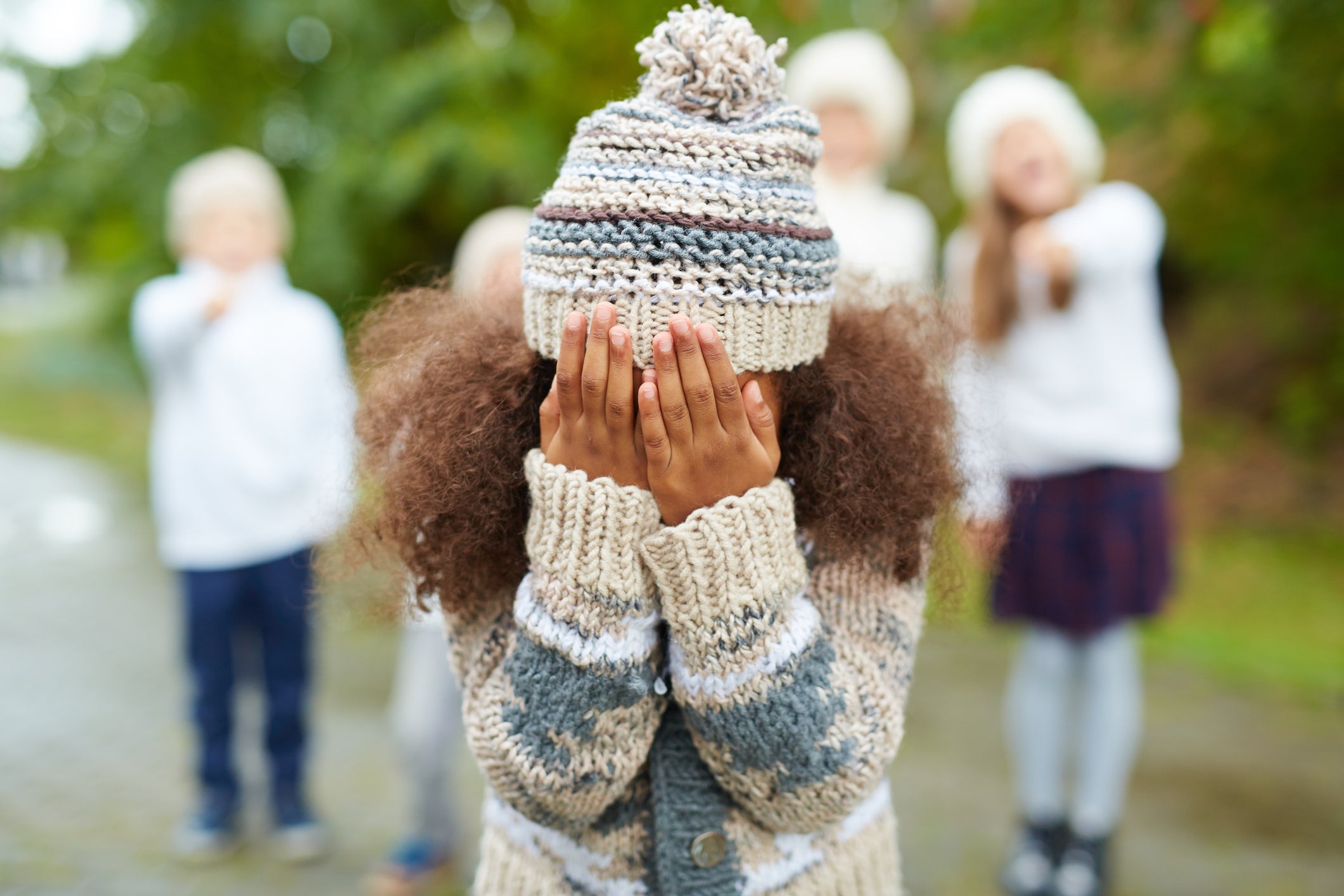
Farrah*, 32, made the transition from teaching at a mixed school secondary to an all-girls school last year and made an interesting observation. “At my previous school, I would get a lot of quite hostile or inappropriate questions from boys about where I was from, what my religion was, why I didn’t wear a headscarf. I don’t get any of that from the girls. None.
“I don’t think boys are inherently more or less racist than girls, but they are consuming content that’s fuelling a lot of this. One of the boys who was a bit of a ringleader, who was very clever and popular, was a big listener of the American talk-show hosts like Nick Fuentes, who wears his extreme views with pride. Far from being a pariah, this kid has only grown in popularity over here in the last couple of years.”
Russell*, 19, says he is also a big fan of American podcaster Nick Fuentes, a powerful voice in the American hard-right and self-avowed Nazi and misogynist. Nick Fuentes' nightly show, America First with Nicholas J. Fuentes, attracts millions of listeners on Rumble, the vast majority of the audience being young men.
Nick Fuentes also promotes ideas that are directly tied to the so-called “Great Replacement” theory (also called replacement or white genocide conspiracy theory), which alleges that white populations in Western countries are being deliberately replaced by non-white immigrants and demographic change. What was a fringe idea has started to become mainstream in the US and here, and has become something Russell is now fully buying into.
“You get on a train in London, no white faces”, he says. “In my school, I was in the minority and got loads of racism directed at me, which I never thought to complain about.” While he was quiet about his political beliefs at school, he has become more open about them, surprisingly, at university.
He explains: “People think universities are all woke, but there are loads of powerful groups forming on campuses who are becoming more public that are about what we should be about, white, conservative, traditional, Christian values. Bring it on.”
Schools are a good bellwether for what is going on in wider society. At a Conservative Association dinner in March, Robert Jenrick, the shadow justice secretary, complained about a lack of visible white people during a visit to Handsworth in Birmingham, saying it was “one of the worst integrated places I’ve ever been to” and that in about 90 minutes he “didn’t see another white face”. He added that “that’s not the kind of country I want to live in” and linked that to concerns about community integration.
While his and Ratcliffe’s more recent comments have been dubbed racist by community leaders, the number of people who say must be “born British” is rising according to analysis by the Institute for Public Policy Research (IPPR) and about one-third of people (36 per cent) thought a person must be born British to be truly British, up from one in five (19 per cent) in 2023, a December YouGov poll for the thinktank found.
Lawrence, 44, has taught at an outstanding mixed private day school for over a decade and has seen a total deterioration in discourse among students and their parents. “If you have a debate, say on immigration, you’ll inevitably get students on both sides upset and calls from parents saying you are encouraging one point of view or anti another. This kind of polarisation is definitely making it less possible to have those debates at a time when they’re most needed.”

A recent coalition of organisations, including the Diana Award, Everyday Racism, the Centre for Mental Health, Not So Micro, the Black Curriculum, UK Youth and the African Caribbean Education Network, called on the Department of Education to start treating racism as a safeguarding issue. Arguing that anti-racism guidance should be published for all schools and colleges, they said: “Racism in schools not only harms the individuals who racist abuse is directed at, but negatively impacts the wider school community, undermining the sense of belonging and cohesion within the school environment.”
When you talk to young people, there is an enormous range of opinions about the issue of racism in schools, but a consensus on one thing: The UK is going in the wrong direction. Seven out of 10 Britons feel that the country is less stable, tolerant, happy, economically viable and united than it was 10 years ago. But there is disagreement over the causes, with the left pointing to the rise of racist rhetoric as straining our tolerance levels, and the right blaming too much tolerance, leading to an inevitable outpouring of anger.
The result of this is that extreme politics and behaviours are on the rise. Far from sinking into apathy, huge numbers of young people now subscribe to the ‘do something’ principle in their politics. They like leaders who have a clear direction, like Zack Polanski of the Green Party on Zohran Mamdani, the new Mayor of New York or more right-wing figures like Farage or Trump, president of the US. All these characters are seen as people of action who are making a stand.
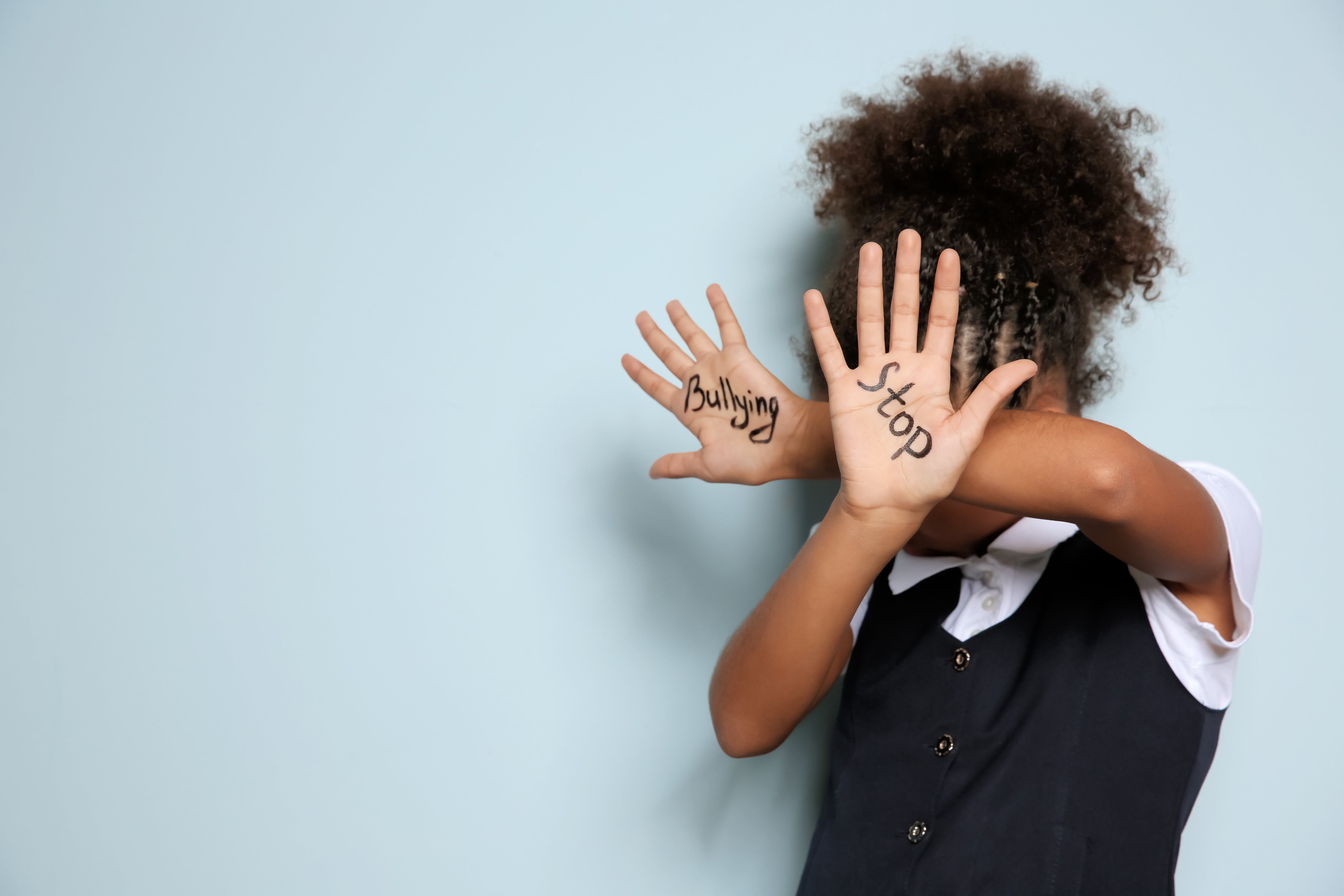
But it’s also true that increasingly, the losers of this ‘do something’ trend, which thrives on deep divides, are children in the playground who are becoming targets of abuse just because of the colour of their skin.
*Names changed
Join our commenting forum
Join thought-provoking conversations, follow other Independent readers and see their replies
Comments
Bookmark popover
Removed from bookmarks