When it comes to bullying, it’s boys and phones that we really need to worry about
As new guidance from Ofcom aims to combat misogynistic abuse and ‘revenge porn’, former school teacher and author Chloe Combi looks at how young men need protection from smartphone abuse too

I heard the news that 17-year-old Flossie McShe was planning on taking legal action against the Department for Education for failure to protect her generation against exposure to extreme content on smartphones with a sigh. No one likes a told-you-so type, but as a young graduate teacher back in 2012, I wrote a series of articles and then a book warning that precisely this digital storm was coming.
Generation Z were the first generation of teenagers to get smartphones, and it was obvious well over a decade ago that these were being used to not just find extreme content like pornography, violence, torture and extreme pranks, but as a way to share this content. This was often done for the shock and giggles, but also as a new form of digital bullying.
Teenagers have always engaged in shock and scare tactics with their peers, whether it was watching Nightmare on Elm Street at a sleepover or looking at a found-in-a-bush copy of Reader’s Wives, but phone bullying was already emerging as something very different and much nastier.
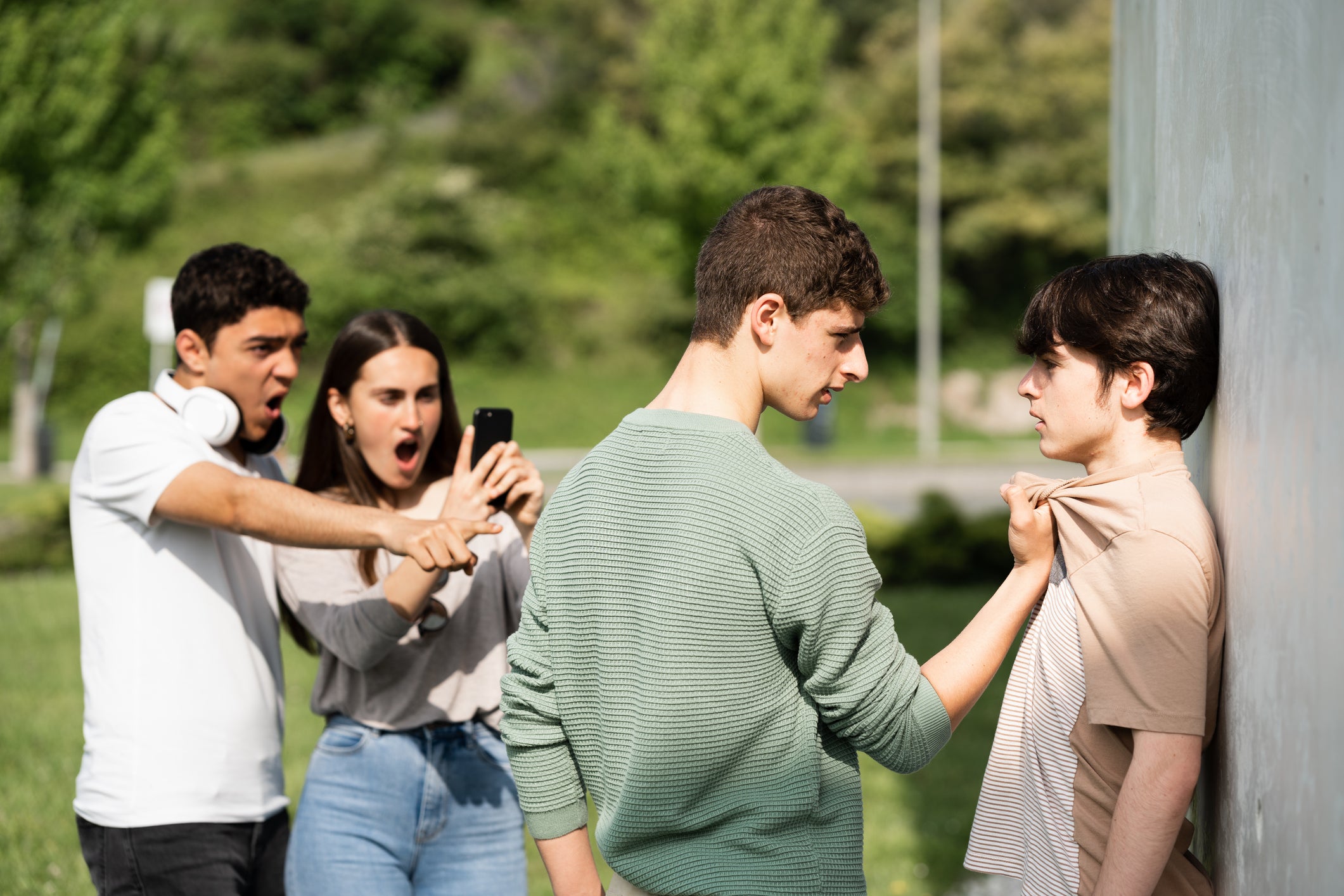
Phones were everywhere then, but they are even more so now. And, despite attempts at parental and school controls, we’ve totally lost control over them. Millions of parents put in blocks and checks on their own children’s phones, but have absolutely no control over what other kids and teens can access.
The Australian government has woken up to the fact that drastic action needs to be taken to mitigate the damage that smartphones can cause, and, from 10 December, in what is a world first, social media companies will have to take “reasonable steps” to make sure that under-16s cannot set up new accounts and that existing accounts are deactivated.
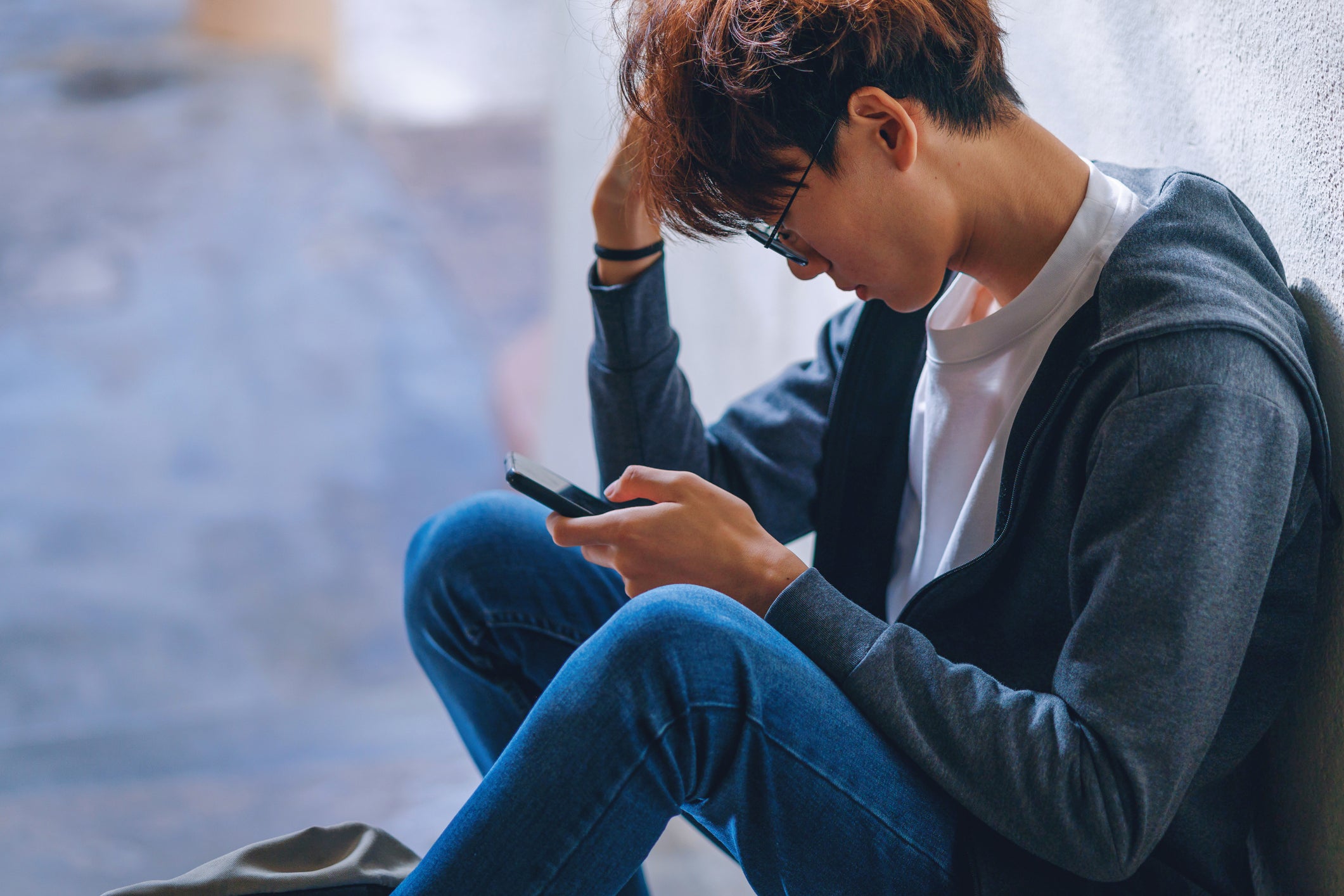
From this week, new guidance from Ofcom, the communications regulator, has been issued to social media platforms to limit internet pile-ons and misogynist abuse and the sharing of images without consent in an effort to protect women and girls abused online.
In any given school, thousands of children and teens will have had a smartphone after their 11th birthday. With those kinds of numbers, digital crowd control has become an impossibility. “Smartphones completely changed my life after Year 7”, said Flossie McShe, describing instant exposure to violence and pornography.



However, the impact of the digital world has been as brutalising and alienating for boys and young men as it has for girls and young women. The so-called manosphere reintroduced tough online social hierarchies and hazing rituals for boys that played out in everything from cruel school pranks and films of verbal bullying that lads are then encouraged to post on platforms like TikTok and Discord.
Jared, who is 20, went to a well-known, very academic boys' day school, which he describes as “hell on earth”. An experience made exponentially worse by smartphones. “The other boys decided in Year 8 I was gay,” he says, adding: “The school paid lip service to LGBTQ+ acceptance, but the bullying was still off the scale. In Year 9 after PE, I was locked in the boys' changing room and was forced to watch really hardcore straight and gay porn on someone’s phone because the older boys wanted to ‘check my reaction to it. This continued on all throughout Year 9 and 10. It was so awful. It still gives me PTSD, and it’s only now I can start to talk about it.”

According to the Office of National Statistics, an estimated 1,544,000 children aged 10 to 15 years 19.1 per cent, have experienced online bullying behaviour in the last year. Over half of children told a parent or guardian about the bullying they experienced in the last year; however, 18.1 per cent who experienced an online bullying behaviour and 14.7 per cent who experienced an in-person bullying behaviour did not tell anyone. An Ofcom report showed that girls are significantly more likely than boys to always tell someone about something worrying that they had seen (62 per cent vs 56 per cent).
The most common way for children to be bullied via technology was through text or messaging apps (56 per cent), followed by social media (43 per cent) or online games (30 per cent). Digital bullying using hardcore pornography is rife in schools. Hundreds of students, boys and girls like McShe report, are being shown porn without consent in classrooms across the country, often to shock or upset. Kylie*, who is 19 and now at Glasgow University, was shown porn daily in Years 9 and 10, between the ages of 13 and 15, which seems to be the peak digital bullying years. But it starts in Year 7, which is when many children get phones.

“It was awful in Year 9, as that was the year we went back after Covid, and it was like everyone had gone crazy,” says Kylie. “We left as little buddies and when we went back post-lockdown, the boys were all worshipping Andrew Tate and calling us sluts.
“When we weren’t being shown porn, we were being shown videos about how it was awesome to slap your girlfriend. But I think the boys were as unhappy as we were. Loads of them stopped talking altogether and would just sit on their phones, gaming. It was like they’d disconnected completely.”
Popular YouTubers like Jake Paul and KSI, once known for dares and jokes, transformed into jacked boxers encouraging their millions of young male followers to follow suit, and their streamed fights would often be illicitly watched on lunch breaks, cultivating an atmosphere of violence and hostility in school playgrounds.

Avi, now 21, was one of the few Jewish kids at his school in London and had to develop broad shoulders in his school years. “There was this dumb craze in Year 10 of showing a Jew a video of a bacon sandwich and recording their reaction, which was way off the mark because as if I’m going to be traumatised by bacon,” he says.
“But phone violence was off the scale. One of my best mates up until Year 10 became radicalised by phone stuff; porn, crypto, gambling, manosphere stuff. He went from being really nice to a total bully via his phone. By sixth form, he was deep into sports betting illegally – that was massive with the boys at our school – they’d spend every moment looking at odds on their phones and shifting around bets. Last year, he took his own life. I hadn’t spoken to him in a long time. I heard he’d got into debt and become a recluse. I think if we’d [been] born pre-phones, he’d be alive, happy and we’d still be mates.”
What’s extraordinary is how much this mirrors the experience of almost every member of Generation Z, who were the digital guinea pig generation in every way. And they bear the scars of what we have to start accepting has been a catastrophically damaging experiment.
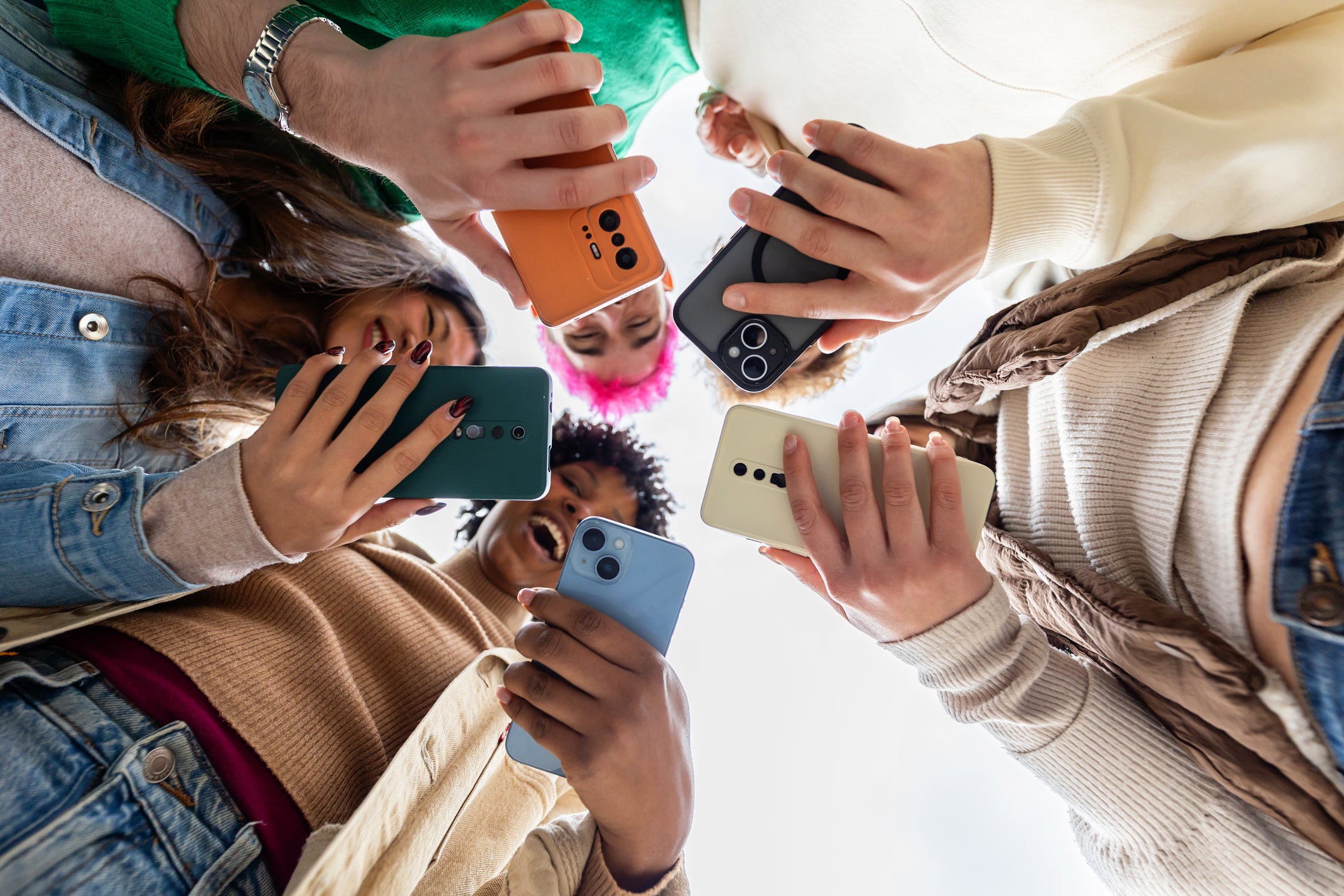
As they now emerge from the teen years and progress into adulthood, they have the distance to be more objective about the metal and glass boxes they all once coveted and reflect on both the collective and individual experiences that reflect genuine generational trauma.
A succession of governments and leaders have watched a generation of young people sink deeper into the mire of digital addiction and radicalisation, but it is only now that any meaningful steps are being taken to protect them. It took years of young minds being bombarded with porn before a meagre age check on Pornhub was finally introduced earlier this year.
It’s for this reason, Will Orr-Ewing, founder of Smartphone Free Schools, is supporting Flossie McShe’s legal action against the government. “We think it’s impossible for schools to uphold their safeguarding obligations whilst kids have access to smartphones, which they do in the vast majority of schools, which run a ‘no see, no hear’ policy,” he says.
“It’s time for smartphones to be banned from schools and every school has a duty of care including transport, toilets, changing rooms etc. up until the end of year 11 - except where they are being used as medical devices As parents, we’re driven by bewildered anger that smartphones have been allowed to let rip through schools when they are both poisonous for learning and demonstrably unsafe.”
*Names have been changed
To read more from Chloe Combi you can find her you can find her on substack The Generation (A-Z)
Join our commenting forum
Join thought-provoking conversations, follow other Independent readers and see their replies
Comments
Bookmark popover
Removed from bookmarks