Taylor Swift’s obsession with self-mythologising makes for boring art
Swift is often an exceptional storyteller and a brilliant pop star, which is why the hollow creativity of her ‘Opalite’ music video is so frustrating, argues Alim Kheraj. Her insularity is isolating her, and she no longer feels part of a wider cultural conversation
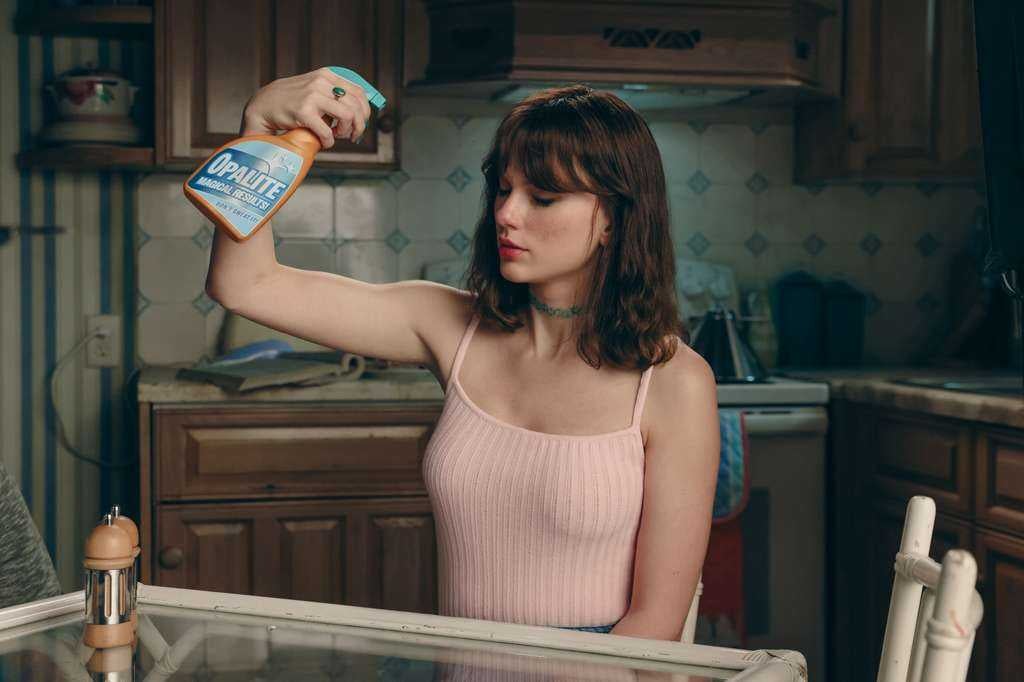
When Taylor Swift unveiled the music video for her latest single “Opalite” on Friday, it was pretty much guaranteed there’d be a few easter eggs in store. Because when it comes to the world’s biggest pop star, nothing – from the colour of her nail polish to the jewellery she wears on the red carpet – is a coincidence.
With “Opalite” starring Domhnall Gleeson, Greta Lee, Jodie Turner-Smith, Lewis Capaldi, Cillian Murphy and Graham Norton, it quickly became apparent that Swift had recruited her fellow guests and their host from an October 2025 episode of The Graham Norton Show, in which she appeared to promote her latest album The Life of a Showgirl. Beyond that, the myriad articles, TikToks and Reddit threads shared in the past few days have pointed out clues hiding in the props, the posters in the background, the messages on the friendship bracelets…
Swift explained that she’d been inspired after Irish actor Gleeson quipped that he’d like to appear in one of her next projects. “He was joking,” she wrote in a post on Instagram. “Except that in that moment during the interview, I was instantly struck with an idea. And so a week later he received an email script I’d written for the ‘Opalite’ video, where he was playing the starring role. I had this thought that it would be wild if all of our fellow guests on The Graham Norton Show that night, including Graham himself, could be a part of it too.”
Once, this kind of Swiftian manoeuvre would have delighted. Swift has been hiding clues in her work since she was 15: “My fans and I have… descended into colour coding, numerology, word searches, elaborate hints, and easter eggs,” she told The Washington Post. “It’s really about turning new music into an event for my fans and trying to entertain them in playful, mischievous, clever ways.” For years, Swifties have eaten this up, speculating, decoding and theorising with the sort of wild-eyed fervour usually reserved for tinfoil hat-wearing conspiracists – as her clues became more and more obscure. There is so much hidden in the music video for 2017 single “Look What You Made Me Do” that Swift has suggested fans still haven’t discovered every easter egg. It’s not just her music, either. Fans have been taught to scour every interview, every outfit choice, the live shows… just in case.
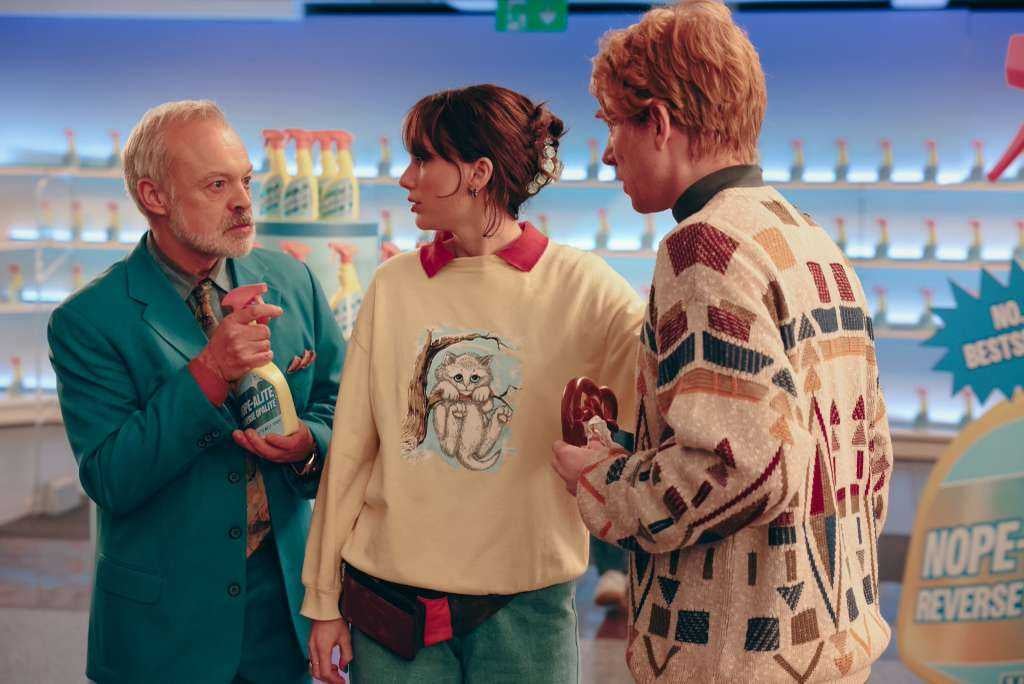
But these scavenger hunts have grown tedious. Swift’s penchant for self-referentiality and meta-narratives makes her music seem impenetrable to casual listeners, and the artist herself overly insular. With the exception of a loose narrative about the lengths people will go to in their search for “the one”, the video for “Opalite” has very little to say. Instead, it feels like another vehicle for Swiftian world-building – less an expression of artistic intent and more like a self-mythologising sales technique.
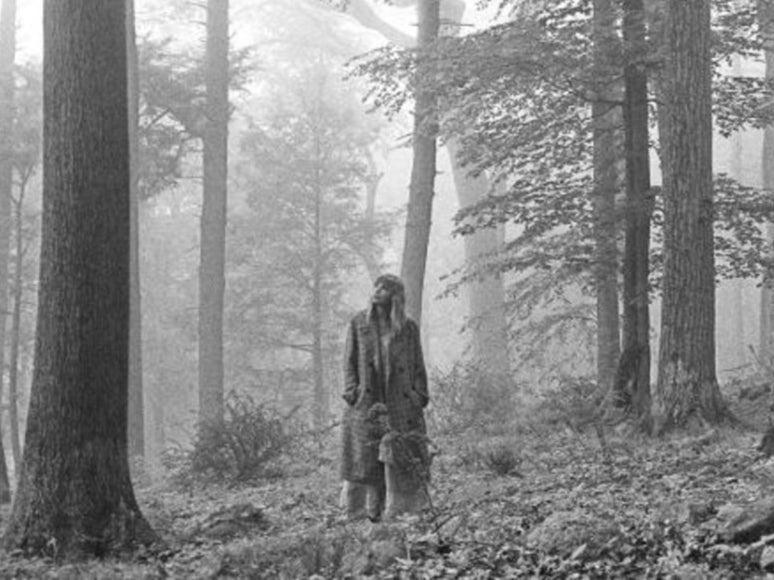
Swift’s inability to look beyond herself is affecting the music, too. One of the biggest roadblocks of 2024's The Tortured Poets Department was how reliant it was on the lore of its own creator, while last year's The Life of a Showgirl is her most solipsistic record yet. The problem is not that Swift draws on her own life to create her art. The issue is that she now appears unable to see that life in the context of anything other than herself. Perhaps the most frustrating thing about this is that she’s proven on numerous occasions that she is more than capable of constructing narratives of great depth: from the masterful “Cardigan”, “August” and “Betty” trilogy from 2020’s Folklore, in which she fleshed out a tale of infidelity, regret and longing, to “Clara Bow” and “The Last Great American Dynasty”.
Along the way, though, this inquisitive and observational eye has turned exclusively inward. Take Showgirl’s lead single "The Fate of Ophelia". The Swift of Folklore would have done her due diligence in accurately representing the nuances and complexities of Shakespeare’s doomed heroine. The Swift of Showgirl, however, fails to look beyond her personal and professional identity – and the marketing power attached – in order to do that character justice. The tragic story of Ophelia becomes a mere costume Swift dons to further mythologise (and commodify) her romance with American football star Travis Kelce.
Such navel-gazing affected the entirety of Showgirl, a record that has nevertheless become one of the biggest records of Swift’s career. While Swift was never a trend-chaser, frequently eschewing Top 40 fads in favour of thoughtful songwriting and smart production, her insularity is now isolating her. She no longer feels part of a wider cultural conversation involving other musicians, literature, history, film or visual art. What does casting a host of famous faces you appeared with on a chat show say about anything?

Swift is often an exceptional songwriter, and, as the Eras Tour demonstrated, a brilliant pop star. It’s why such hollow creativity is so exasperating. As one friend of mine recently suggested, imagine if Swift had returned to the calibre of storytelling of Folklore and written a concept album about Ophelia, tapping into her ability to capture emotional specificities with narrative detail. Likewise, she could easily adopt the archival approach Beyoncé took on Renaissance and Cowboy Carter, utilising her wit and intellect to explore her pop lineage.
Instead, Swift’s sole point of reference has become herself. Alone at the pinnacle of pop supremacy and consumed by her evidence board of easter eggs, she has lost her once-tenacious grip on the pen she used to expertly wield. The result is not only a lack of quality music, but, worst of all, a glut of boring art. Someone of Swift’s talents can do better. As it stands, she seems to have forgotten that there’s more to being a showgirl than simply existing in the spotlight.
Join our commenting forum
Join thought-provoking conversations, follow other Independent readers and see their replies
Comments
Bookmark popover
Removed from bookmarks