What are the charges made against Reeves in relation to the Budget?
The chancellor may be hapless, desperately unpopular, and in danger of dragging down the entire government – but she has one thing on her side, says Chris Blackhurst


ChancellorRachel Reeves is under fire like never before.
She faces a three–pronged attack: from the Tories, who claim she misled the markets and are calling for an investigation by the Financial Conduct Authority; from the Lib Dems, who want the chancellor hauled before the Commons to explain herself; and from Reform UK, who are demanding that the Whitehall ethics tsar, Laurie Magnus, subject her to intense scrutiny.
Ordinarily, it would be tempting to say this is it. This really is enough when it comes to the hapless and desperately unpopular Reeves – she is in danger of dragging down the entire government, and must go. But Reeves has already proved to be nothing if not a survivor. Ever since she introduced her first Budget, containing the shock of a hike in employers’ national insurance and other tax-raising measures, she has withstood brickbats galore.
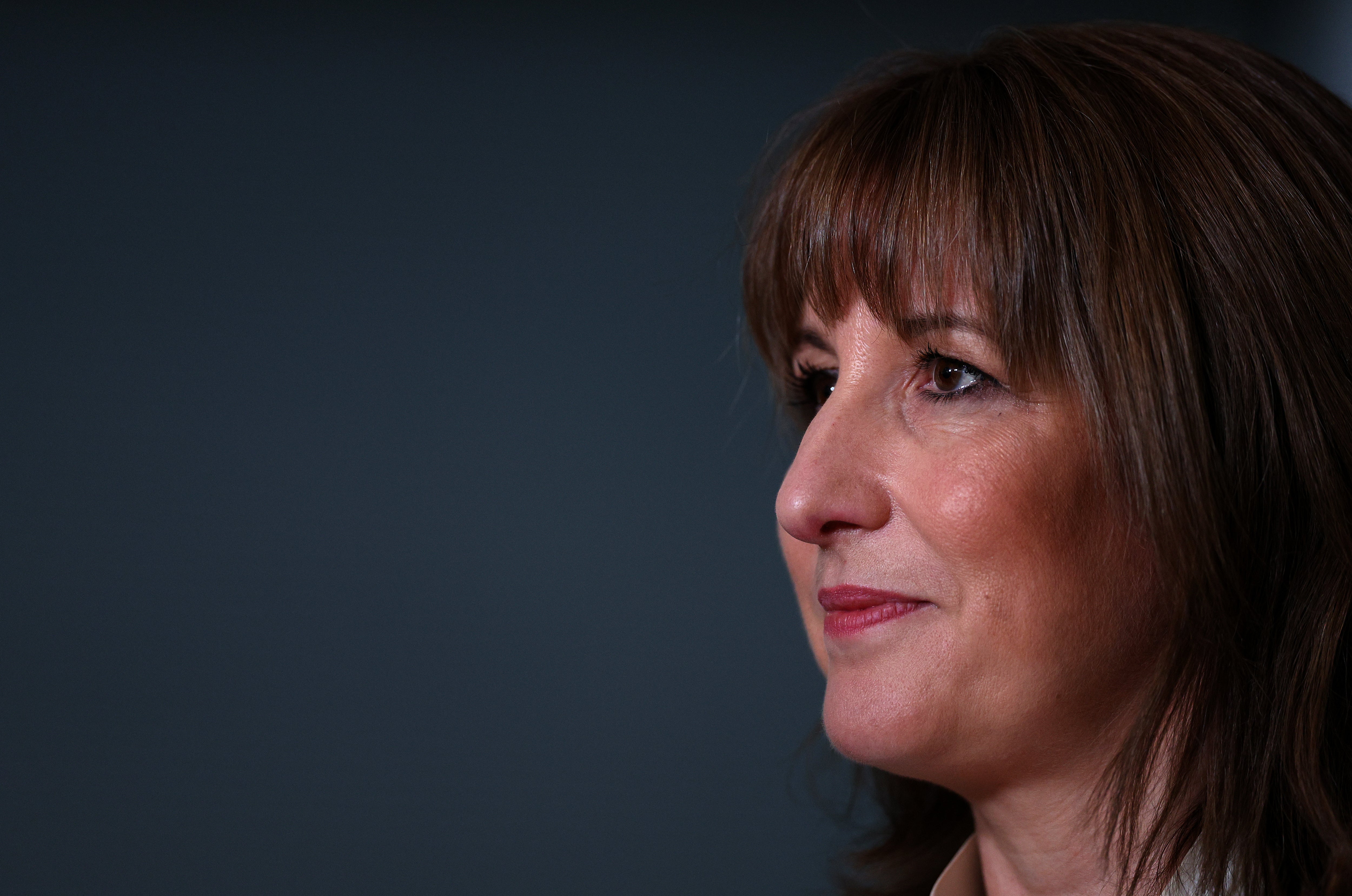
Crucially, Keir Starmer has leapt to her defence. The cynical theory is that he must; without her taking the rap, the prime minister is exposed. If Reeves goes, Starmer is next.
The way things are heading, that may happen anyway: they could both depart together, or in short order, one after the other, such are their low personal approval ratings. Equally, Reeves does not act alone. She may be chancellor, but Starmer is her boss, and is overseeing all her moves, as are her fellow ministers.
Here, though, she may be vulnerable. Cabinet members seem prepared, at least anonymously, to admit they were unsighted as to the true state of the public finances, and unaware that the Office for Budget Responsibility (OBR) was painting a rosier picture than Reeves was encouraging everyone to believe.
Reeves knew, and yet she went ahead with that strange, unprecedented, doom-laden speech in the run-up to last week’s Budget, in which she warned that the country was in financial crisis and we all must do our bit. In other words, expect rises in taxes for working people, specifically those that were protected in the Labour manifesto – VAT, income tax and employees’ national insurance. It came after months of speculation about the budgetary horrors in store, little of which was denied, and much of which seemed well-informed. Things were bad, very bad.
Except we now know that they weren’t. Not so dreadful, anyway. For this, we have to thank the OBR for releasing its correspondence with Reeves and her team. That, too, is without precedent – but justified by the cack-handed nature of the build-up to the Budget. Reeves, then, only has herself to blame. She deceived us; she went ahead and imposed her increases anyway, although not directly on those three sacrosanct taxes. Nevertheless, we were duped – all to enable her to hand out more in benefits, and shore up her own position and that of Starmer within the party. She should resign. No question.
But she chose her words carefully. It’s possible to be legalistic about it and forensically pick your way through what exactly she said, concluding that while she was not as transparent as she could have been, she did not technically lie. She was, to use that well-worn phrase, economical with the actualité.
Starmer, a lawyer by background, and with years of peddling convoluted case arguments, can see that. In theory, she did nothing wrong. She is in the clear.
That may be so, but it ignores perception. This is Reeves and Starmer’s problem. The prevailing view is that she was not being honest, and in politics – especially with today’s social media – perception is reality. They ought to realise that, but neither gives the impression of knowing how to play to the crowd or win friends. They try to create a positive image, but too often it is lacking.
Starmer and Reeves stand in contrast to a modern-day politician who is brilliant at putting impression before truth – someone who does not let fact obstruct their message. That person, of course, is Donald Trump. In some respects, we should be grateful that they are not Trumpian – if it were a fiscal matter like this, the US president would do whatever he pleased. But we are stuck with a pair who twist and turn, while the US have a leader who is a broad-brush bully (although, where it concerns his association with Jeffrey Epstein, even Trump falls back on legal hair-splitting).
It is quite likely, then, that each of the three attacks will fail. The stain, though, remains.
There is, however, one unexpected prop for Reeves, and by extension, Starmer, in all of this, and it is one that may prove crucial as she fends off the braying mob: the markets approve of her Budget.
The City does not look back; it isn’t interested, which is where this controversy lies. For investors, it is all about the future. Who said what and when does not concern them – you can’t make money from the past. What matters is what lies ahead, and here the Budget was not as terrible as it might have been, despite the warnings we were led to believe. The UK economy may not be in as abject a state as is widely thought.
Those are reasons to cheer. The markets are on Reeves’s side. Without them, she would be lost; with them, she is difficult to dislodge.
Join our commenting forum
Join thought-provoking conversations, follow other Independent readers and see their replies
Comments
Bookmark popover
Removed from bookmarks