Welcome to ‘Groundhog Britain’, a place where absolutely nothing can ever get done
A bombshell report on Britain’s snail-paced nuclear programme chimes with a wider story of a country where everything, no matter how much time and money is thrown at it, seems to be stuck in a frozen doom loop, says James Moore


One reason for the soaring cost of our energy bills is that the government is forcing us all to shell out for its vision of a new generation of nuclear power plants.
Trouble is, Britain has become the world’s most expensive place to build the things, according to John Fingleton, the former boss of the Office for Fair Trading, who was commissioned by prime minister Keir Starmer to conduct a review.
His report lambasts “systematic regulatory failure” and “fragmented oversight” from as many as eight watchdogs, leaving each project without a single lead and prone to any number of objections, blockages and general bureaucratic tangles.
Reading the report, it’s a wonder we’ve got as far as we have with Hinkley Point in Somerset and Sizewell in Suffolk, which won’t come online until the next decade but have already incurred grotesque levels of expense.
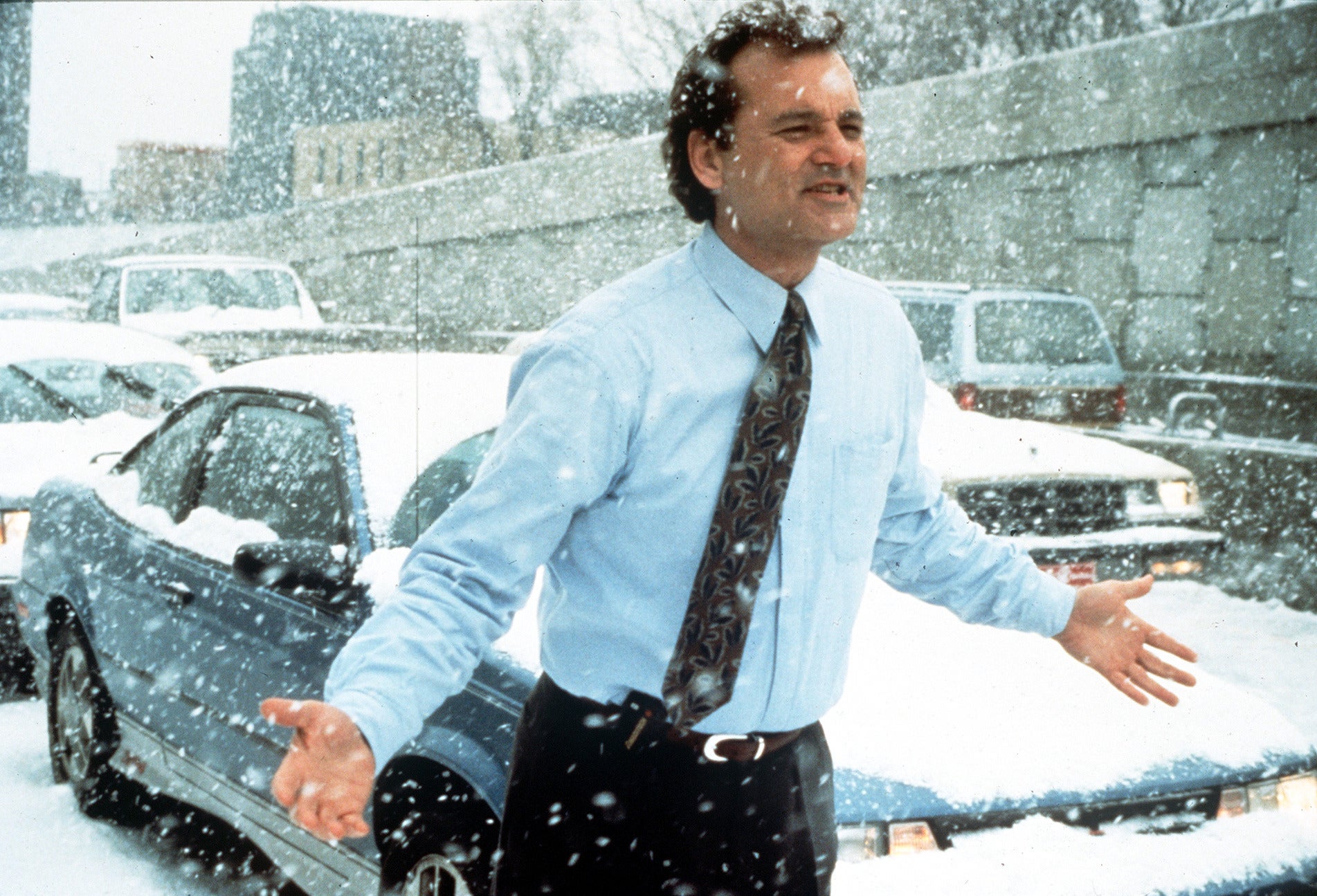
All that, remember, is before the inevitable cost over-runs endemic to British infrastructure projects. If we had all day, we could point to each of the litany of Great British projects that come in years overdue and tens of billions of pounds over budget, if they come in at all. What is clear is that this country has become a sort of ‘Groundhog Britain’, where no matter how much time and money is poured into a big project, it start each day exactly as unfinished as it began the last.
That it is so hard to get things done in a state as heavily centralised as the UK seems counter-intuitive. It is, partly because the civil servants and politicians responsible for the process of centralisation like nothing better than to devolve powers – and especially accountability – to quangos that inevitably gum things up.
They all require input, they all suffer from similar flaws. Surprise, surprise, the impact assessments completed prior to Hinkley and Sizewell getting the go ahead like make War & Peace look like a short story written by Raymond Carver.
Thus the costs balloon, far surpassing what, say, French or Korean bill payers have to pony up for the exact same reactors (it is orders of magnitude less in the latter case).
There is a rather wonderful Substack by Nick Maini on what might seem like the unrelated subject of Hammersmith Bridge, and why it has been closed to traffic since 2019. Part of the reason is the sheer number of bodies that require input and can block or delay things but seem incapable of getting anything moving. There is no incentive to say “let’s do it” when solutions are proposed but its a different matter when it comes to frustrating them.
It is not dissimilar with a nuclear power plant, except that it might be even worse because, of course, we are talking about nuclear power, which makes some politicians, and their voters, very nervous. Theresa May was, for example, a noted Hinkley sceptic. I’m not taking a pop at May here. They make me nervous too.
But the report maintains that the “conservative and costly decisions” that have been taken are “not proportionate to the actual risk being managed” by the battery of regulators.
Fingleton, for example, argues that limitations on exposure to radiation at a nuclear plant are stricter than in a dentist’s or a doctor’s office. "Motorways wouldn't be very useful if we all drove at five miles an hour but that's sort of what we're doing in nuclear safety,” he said in a broadcast interview.
I confess I’ve blown hot and cold over nuclear power. It’s proponents bang on about its cleanliness and its safety. But Fukushima, Chernobyl, Three-Mile Island. No we don’t have earthquakes like the one that de-railed Fukushima in Japan. Nor do we have Soviet era regulation and safety standards (Chernobyl).
But while the near meltdown at Three-Mile Island was the least serious of the three, watch the Netflix doc about the event - it currently boasts a 100 per cent score on Rotten Tomatoes - and I guarantee it will give you the chills.
That said, here’s the thing: we have the worst of all worlds at the moment. The government has firmly committed to nuclear and new plants are getting built without addressing the roadblocks that get in the way.
The report argues for the creation of a Commission for Nuclear Regulation with the authority to take fast, and final decisions regarding nuclear projects. So, another quango. But a big boy organisation, capable of getting things moving. Well, that’s the theory.
I confess, I wasn’t encouraged by Energy Secretary Ed Miliband’s fatuous statement in response: “This government is delivering a golden age of new nuclear as we drive for energy sovereignty and abundance. A crucial part of that is delivering the reforms we need to drive forward new nuclear in a safe, affordable way.”
Right now, we are in a golden age only for regulators, fudge, cost and political cowardice. If we are going nuclear, then the plight of bill-payers must be addressed. Regrettably, I fear that this report, like so many others, will fall into the Whitehall swamp that helped create the problems it highlights. It’s admirably clear-eyed. That could easily kill it.
So relax, regulators, your golden age of comfy salaries, over-stuffed pensions and time spent writing unspeakably turgid impact assessments is probably safe for now.
Join our commenting forum
Join thought-provoking conversations, follow other Independent readers and see their replies
Comments
Bookmark popover
Removed from bookmarks