Reeves’s £15bn child benefit ‘giveaway’ is a gift the public won’t like
Labour’s new Budget is set to lift the two-child benefit cap – a popular move in parliament, says Sean O’Grady, but one that may unsettle voters already squeezed by the cost of living crisis


It is now only a fortnight or so since, reportedly, four people in No 10 with appropriate authority, briefed journalists, extraordinarily, that there were active plots against Sir Keir Starmer’s leadership, and that those involved in such conspiracies should be aware that if they tried to oust him, he’d fight back and stand to be leader again.
A Wagnerian Götterdämmerung would then ensue. Or, as they say on the football terraces, “come and have a go if you think you’re hard enough”. One of the fabled four mentioned health secretary Wes Streeting by name, at which point Downing Street lost all control of its story.
It came to nothing – so far. But Starmer and Rachel Reeves, very much in this together, know that their parliamentary party is restive, as well it might be, with all those bright youngsters elected in unlikely ex-Tory strongholds, staring at only a few years in the Commons – a pleasant sojourn before returning to their previous lives. The fear of losing your job concentrates the mind, whether you’re a publican or a parliamentarian.
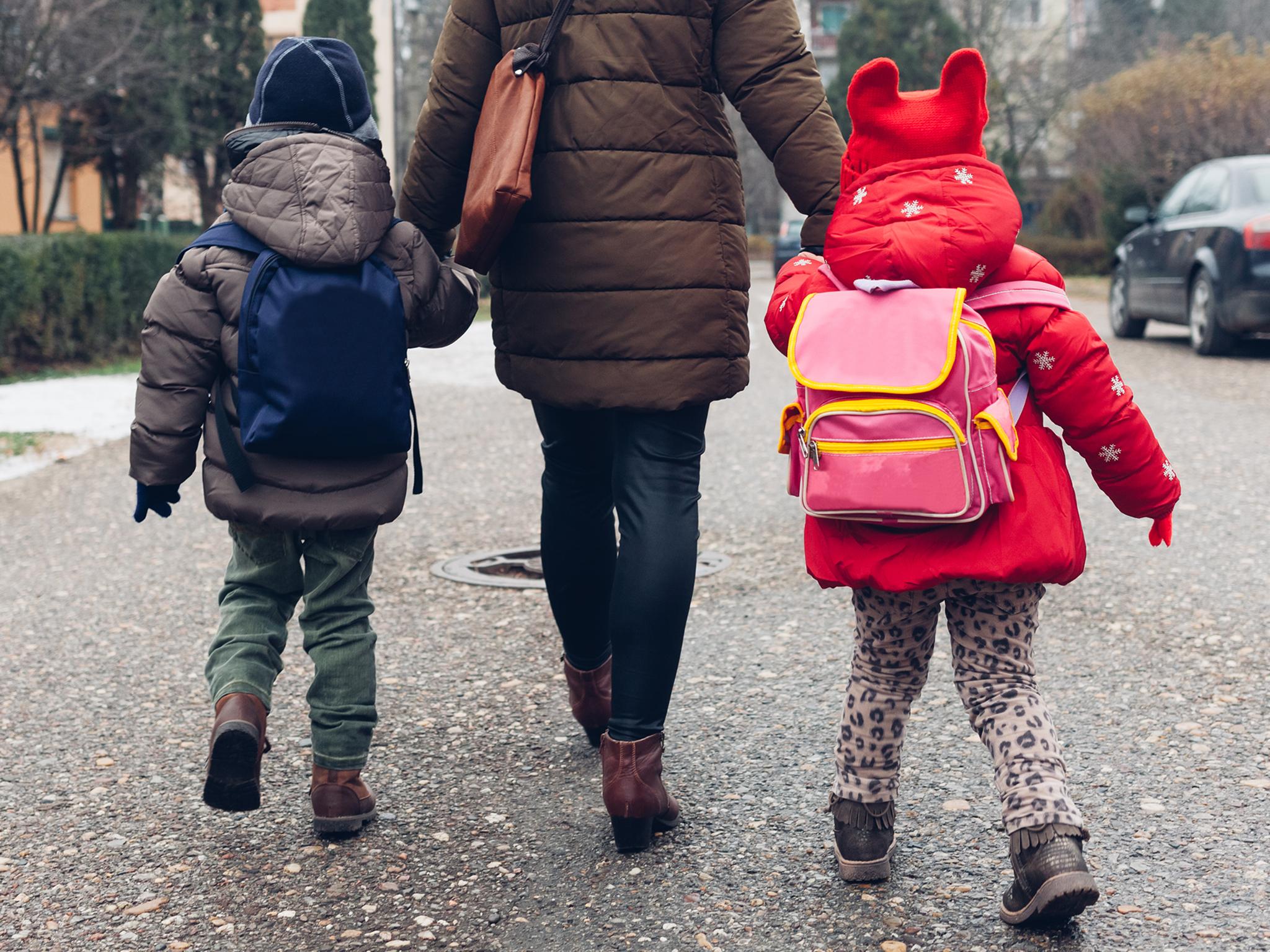
So they will have to give Labour MPs something to cheer them up, something that will say, “this is what a Labour government is for”. That something, of course, is lifting the two-child benefit cap. It will, so the experts say, help lift between 350,000 and 630,000 out of hardship immediately, depending on the design of the policy and the definition of “poverty” chosen. In all, some 1.6 million children could benefit.
You can almost hear the thunderous cheers on the benches behind Ms Reeves as she makes her landmark announcement. It will be all the sweeter because it is a direct reversal of a Tory cut proposed by George Osborne and implemented by chancellor Philip Hammond in 2017.
So the chancellor will, of necessity, deliver an old-fashioned Labour values “Robin Hood” budget. She will present this as a “Labour values” Budget. She will take from the rich – higher rates of council tax on expensive homes – and give to the poor. New higher rates of council tax, trimming middle-class pension tax-breaks, and a pay-per-mile charge for electric cars will go towards ending child poverty.
At last, Labour MPs may feel they have achieved something in politics – a battle honour to be treasured alongside their victory in the guerrilla war against welfare reform earlier in the year, and the partial restoration of the winter fuel allowance.
The problem is that Reeves will be delivering a Robin Hood Budget at a time when the general public doesn’t really want one. What’s been described in the press as a “£15bn giveaway” (£3bn a year for expanding child benefit) will be seen as unjust, and indeed unpopular.
The argument, still deployed by the Conservatives, is that families who choose to have lots of children shouldn’t expect to get £3,500 extra for each of them – and for the rest of the country to subsidise them. As the shadow chancellor, Mel Stride, puts it, some element of personal responsibility has to be involved in such decisions.
One newspaper recently suggested that some families would be £20,000 a year better off after Reeves’s changes, though the parents would have to be going a bit far for such a bonanza. The undercurrent, sad to say, is a traditional one – the “undeserving” poor, feckless and randy, breeding at the state’s expense. In some quarters, a racial slur will be added in (perhaps why Reform UK, which supports the policy for natalist reasons, seeks to limit it to “British citizens”).
So, while Reeves and Starmer will shore up their positions in the party, and a leadership challenge to the PM (which would also mean a new chancellor) will be averted for a time, the Budget may land badly with voters, still suffering the endless cost of living crisis, and lacking sympathy for families who choose to have too many children – as they would see it.
It would be a shock to see Labour’s poll ratings edge closer to 10 per cent than their current dismal 16 per cent, itself unprecedented. The Tories, in other words, knew what they were doing when they put the child benefit cap on – creating a useful political “dividing line” – and with Kemi Badenoch and Stride sticking to the policy, they’ll be able to make political capital from it all over again.
Those who see eradicating child poverty, and poverty generally, as a step towards a more equal and just society have already defected to the Greens and the Liberal Democrats, while those weary of tax hikes may, perhaps, reconsider returning to their old allegiance, the Tories, who are becoming more adept at presenting themselves as the only fiscally responsible party. The Tory argument that overly generous benefits blunt the incentive to work or to get a better job will undoubtedly resonate with some.
As for the debate on child poverty, it’s an important one, but some argue that simply increasing benefits may not be the best way to alleviate it, even if it is quick and efficient.
That’s partly because it may indeed make it harder to “make work pay,” and so maroon families in a low-income trap. You’re improving the situation in terms of child poverty stats – but in a way that is artificial, because there’s no sense of real organic momentum in an economy with more well-paid jobs, prospects, and rising living standards.
Arguably, also, as former boss of the Institute for Fiscal Studies Paul Johnson says, the money might be better spent on schemes such as Sure Start and local council children’s social services, which have been badly underfunded for years. But, as Reeves and Starmer used to say – still say, to be fair – there’s no substitute for strong economic growth. As they’re both about to find out.
Join our commenting forum
Join thought-provoking conversations, follow other Independent readers and see their replies
Comments
Bookmark popover
Removed from bookmarks