At this brutal time for the monarchy, King Charles must convince us he cares
The royal family’s instinct is always to carry on regardless. But in an age that demands visible empathy, stoicism will no longer suffice, says Catherine Pepinster


If you look at the Court Circular, the official record of past royal engagements, for Thursday 20 February, you would have no sense of the crisis engulfing the royal family over the former Prince Andrew.
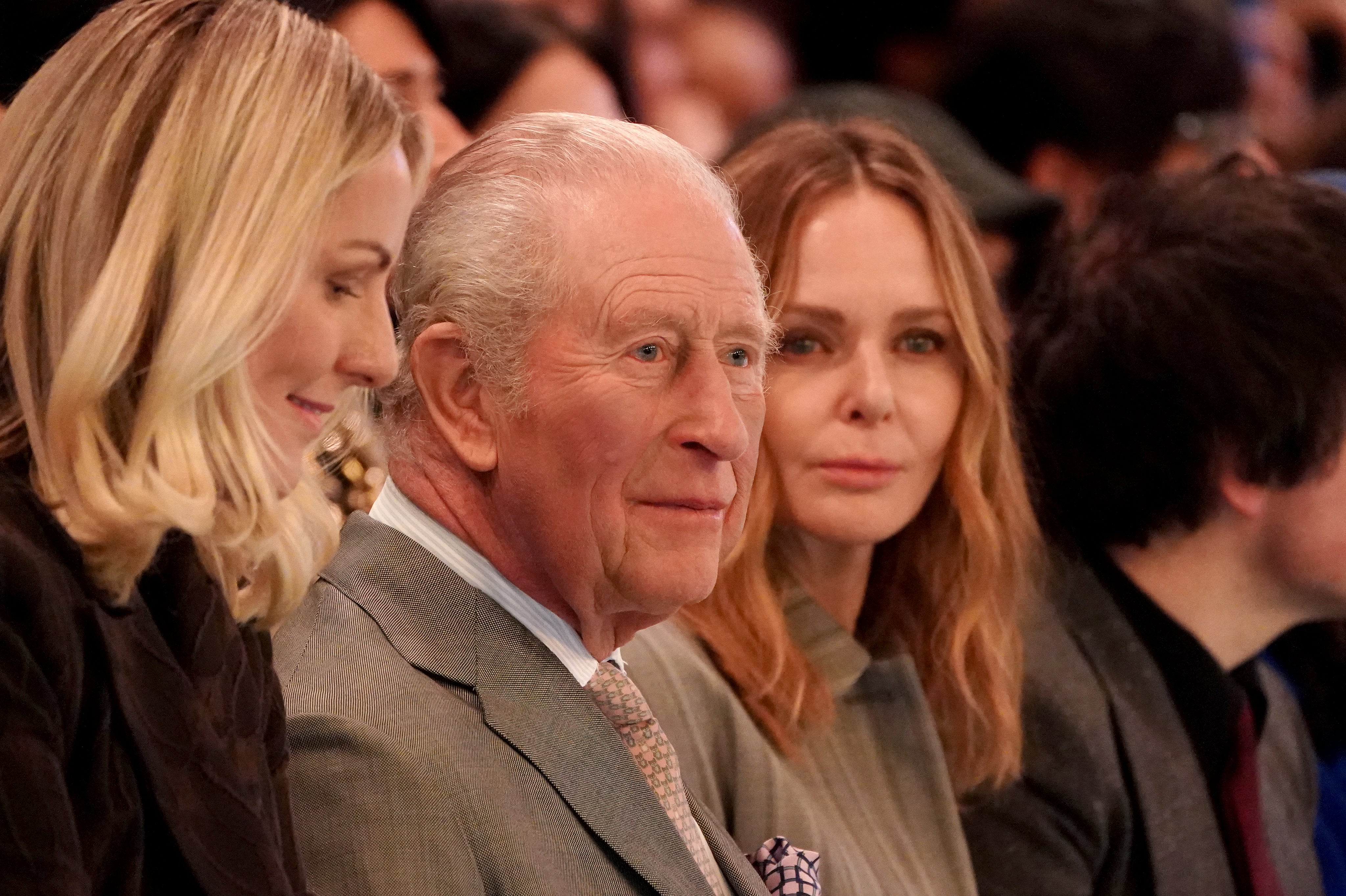
While Andrew Mountbatten-Windsor was being held in a police station, the King was meeting the new ambassadors of Spain and El Salvador, before heading off to open London Fashion Week. Queen Camilla was also busy with the fashion world, talking to Dame Anna Wintour, while the Princess Royal was in West Yorkshire doing her bit for British clothing, visiting a textile factory. And while her brother spent his 66th birthday in police custody, Anne took a look at life behind bars on a visit to Leeds prison.
If the day of Andrew’s arrest could be described as having the theme of Carry On Regardless for his relatives, then it was entirely deliberate. As the King’s statement said: “My family and I will continue in our duty and service to you all.. The message was clear – the show would go on.
This view of the purpose of the monarchy has shaped the House of Windsor for generations, and is something that those who stay within it like to think differentiates them from those who leave.
Edward VIII wasn’t one for a life of constant attention to duty when he was Prince of Wales, and he cleared off with his new wife, Mrs Wallis Simpson, so soon after he succeeded to the throne that he didn’t even have a coronation. Prince Harry and Meghan Markle now have a life of polo, awards ceremonies and Netflix documentaries rather than visits to Wigan and Pontefract. The then Prince Andrew appeared regularly in the Court Circular, but we now know his time was also spent at parties, upsetting both royal staff and people he met on his trade envoy travels with his boorish behaviour. The enemy within, you might call it. His brothers, Charles and Edward, and his sister, Anne, meanwhile, were on course to follow in the footsteps of their grandfather, George VI, and mother, Elizabeth II, with their byword of duty.
But this notion of the House of Windsor, together with its motto of “never complain, never explain”, and its underlying philosophy of understated Christianity – after all, the monarch is head of the Church of England – is no longer enough. The idea of leadership has shifted, and so have public expectations.
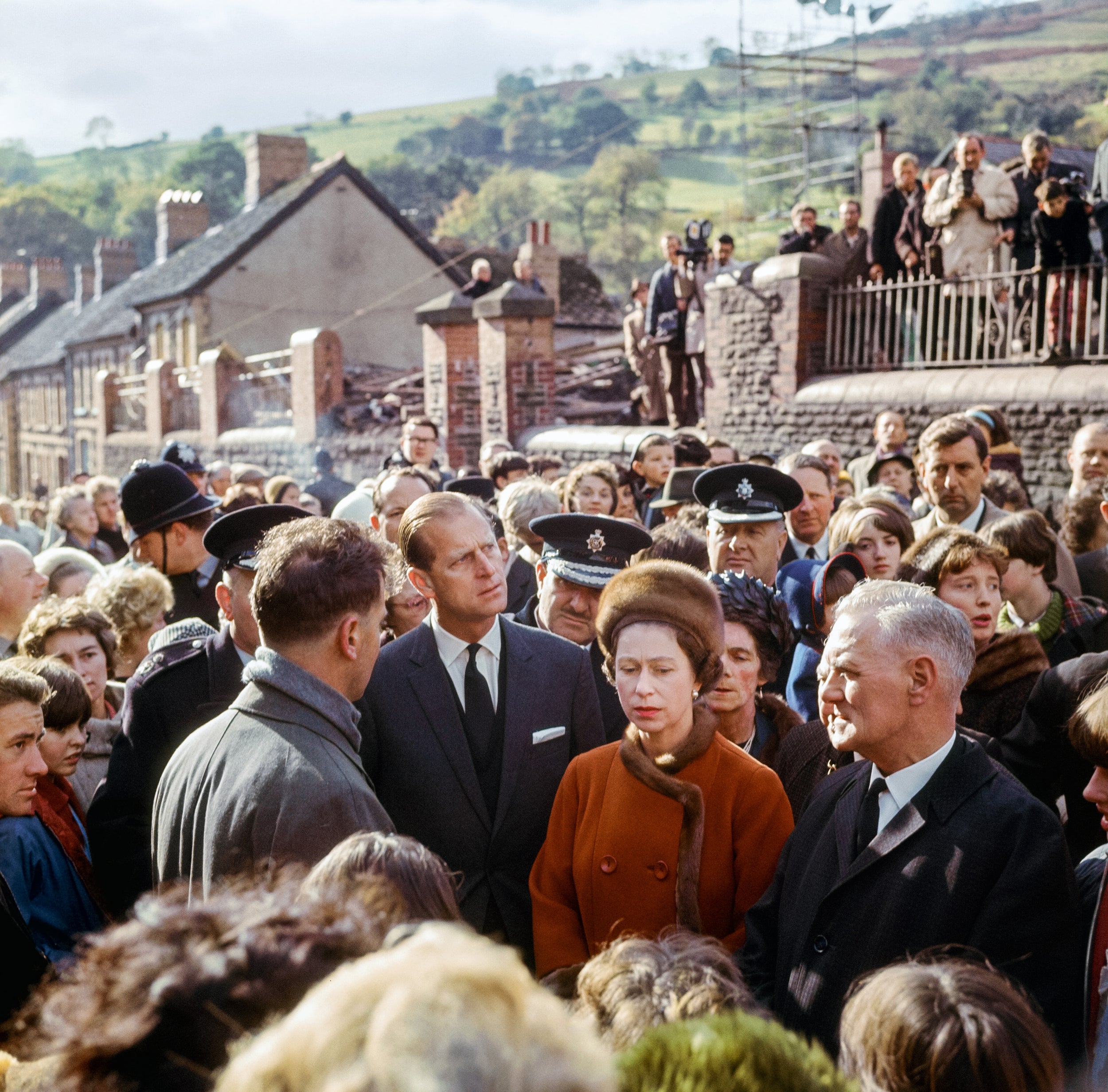
There were already signs that the public expected something more from the monarch during the reign of Elizabeth II. In 1966, a colliery spoil tip collapsed and a landslide engulfed the south Wales village of Aberfan, killing 116 children and 28 adults. It took Elizabeth II over a week to visit the devastated community, and she showed little emotion. Later, she intimated that she was worried about getting in the way of the rescue services, but her lack of empathy was criticised.
There seemed a similar reserve in her response to the death of Diana, Princess of Wales, in 1997, when she took five days to return to the capital, only deciding to address the nation after the “Show Us You Care, Ma’am” headlines in the tabloids and intense public pressure.
There are signs that the royal family has learnt this lesson in the era of emoting. The Princess of Wales’s film, in which she talked about her cancer diagnosis, and footage of the King opening his get-well cards after announcing he has cancer, were ways of showing that they speak human. The monarchy, in other words, has begun to perform empathy as well as duty.
It took years for the royal family to act regarding Andrew Mountbatten-Windsor. Now, as the police get involved, the King will have to decide whether his statement about duty is enough, or whether the new royal approach will require him to speak to the nation.
For the time being, he can say that he must not interfere with the police inquiry and the legal process. But there will come a time when those are over, and then people may well demand more from Charles: Show Us You Care, Sir. It could well determine not only how his reign is remembered, but the future of the monarchy itself.
Join our commenting forum
Join thought-provoking conversations, follow other Independent readers and see their replies
Comments
Bookmark popover
Removed from bookmarks