The royal family is built to survive disaster, but Andrew’s disgrace will rattle it as never before
The speed at which the royal family severed the cord with the former Prince Andrew shows they are cutting out the rot, says Anne McElvoy. Whether this is enough to halt the damage is another matter


On his 66th birthday, Andrew Mountbatten-Windsor faced total humiliation when police cars drew up at his Norfolk bolthole. This wasn’t the security cavalcade he has been accustomed to since childhood: instead, the officers had come to issue an arrest warrant and search his property.
The stern and swift reaction from his brother, King Charles, was that justice must take its course. All assistance would be made available to allow for a “full, fair and proper process” to be carried out.
That in itself is remarkable. In both tone and gravitas, the palace quickly aligned with Keir Starmer’s assertion that “no one is above the law” and that legal protocol “has to apply in this case in the same way it would in any other case”. The translation is that there should be no divergence in how parliament and the monarchy handle the former prince.
The royal family is often on the ropes. The clash between the demands of the public role and an internal culture that prefers intense privacy has led to implosions, notably the tensions that followed the death of Diana. But it is also an institution built for survival – and one in which the heavy head that wears the crown is the principal figure to be defended. This, in turn, has produced a rapid professionalisation of “comms” and advice streams across both Charles’s and William’s operations.
But the unwinding of the story of a giddy prince, now re-established as a royal outcast and potentially facing charges relating to the grave abuse of public office in his financial networking with the late paedophile Jeffrey Epstein, does cause new (and still unpredictable) difficulties in the fraught relationship between the palace and the public.
The problem is that today’s arrest will inexorably lead to the next level of inquiry about the sordid allegations that the then Prince Andrew was reliant on Epstein in a trade of favours – from sharing market-sensitive information on British banks and companies to Epstein’s provision of sexual partners, after the prince’s divorce from Sarah Ferguson in 1996.
Factually, the most damaging allegations remain those that were made by the late Virginia Giuffre – one of the women who, as teenagers, were groomed for sex and trafficked by Epstein and Ghislaine Maxwell – who took her own life in April last year after a gradual collapse in her mental health.
Mountbatten-Windsor has issued multiple denials over allegations that he had sexual encounters with Giuffre. He settled out of court with her in a civil claim, alleged to have cost several million, but he did not admit liability: he argued that this settlement had been demanded of him by the late Queen and her key advisers in a clumsy attempt to clear up the matter in his mother’s later years. The funds, around £12m, were reportedly provided as a “loan” to the then prince.
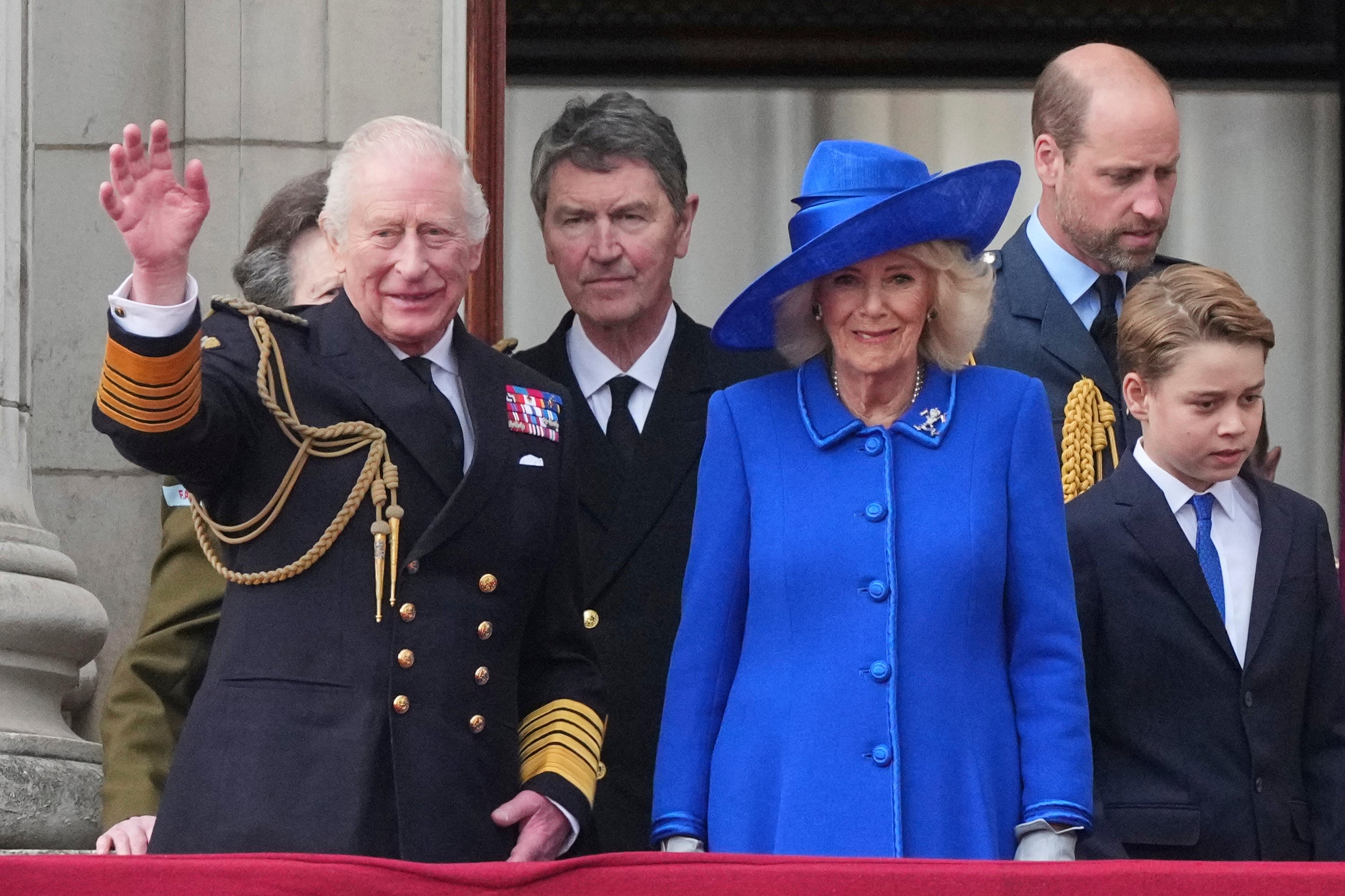
Some very awkward questions remain for today’s royals, even as they have issued statements remembering Epstein’s victims. One suspects that the “lessons learnt” period will shortly be upon us. The family has started to talk more (albeit belatedly) about the impact on the real victims of all this – countless abused girls and women. Queen Camilla has a long history of working to end violence against women and girls, and has spoken candidly about her own and her friends’ experience of abuse in an effort to raise awareness of a dark and often hidden subject.
The professionalisation of the royal family’s communications is another reason why the information disseminated to trusted sources, and the tone of these statements, changed so sharply once the scale of the revelations contained in the Epstein files became clear.
The mood has shifted from painting Mountbatten-Windsor simply as a “difficult brother” whose health is fragile and who requires protection as part of a code of loyalty in the inner family. When senior courtiers now allow it to be understood that the King – and Prince William – have tried unsuccessfully to advise the former prince on wiser courses of action, from the disastrous Emily Maitlis interview onwards, the message is clear. No more so than when he was sent to Norfolk, avoiding the association of Windsor with any arrest scene.
I suspect that Mountbatten-Windsor is now the figure on whom the palace believes any public reckoning, and subsequent disgrace, will fall. A “wicked uncle” figure, in royal history down the centuries, has often caused public embarrassment but never inflicted fatal damage on the central royal brand. And many ordinary families know what it is to have a foolish, wanton or downright repulsive relative – and have faced the problem of knowing when to cut them off.
What’s more, by delivering a guarantee – unusually quickly by palace standards – that the King is determined that the monarchy play its constitutional role as the “fountain of justice” on which the law and due process rests, despite his personal sorrow at the development, he has also made clear that his brother’s actions are now a matter for the police and the courts, with no special protection due to him by dint of birth.
However bad the details might be that emerge from the Pandora’s box of misdoings, placing the former prince in the category of outcast will insulate the King – and his heirs – from the fallout and allow the succession and reinvention of the crown to continue. That, at any rate, is the calculation. So, at least according to the theory, the damage control has been minutely planned.
Real life has a habit of delivering full-body shocks to the best-laid plans. But the message from the only royal who matters in troubled times – the King – is that his brother deserves to face justice. And on that, at least, a lot of the country will agree.
Anne McElvoy is the host of the ‘Politics at Sam and Anne’s’ podcast for Politico
Bookmark popover
Removed from bookmarks