Dr Dolphin, call off these strikes
Editorial: With the NHS under pressures not seen since the once-in-a-century Covid pandemic, the BMA’s refusal to reconsider the timing of its industrial action is dangerous and wrong
There is no “good” time to go on strike in the National Health Service, and certainly not during its now routine winter crisis – which is growing particularly acute now because of the “flunami”.
Strikes are meant to cause disruption. But there is surely a balance to be struck in such a vital public service as the NHS, and where it is primarily patients, not politicians, who will experience the pain of missed appointments, treatment and operations.
The right to strike, even in the NHS, is a fundamental one, and needs to be respected, but to abuse it in the way now being planned by the resident doctors brings them and their cause – which is not without merit – into disrepute. In such cases as this, public support is crucial to success, and it has been steadily eroding during years of seemingly incessant strike action.
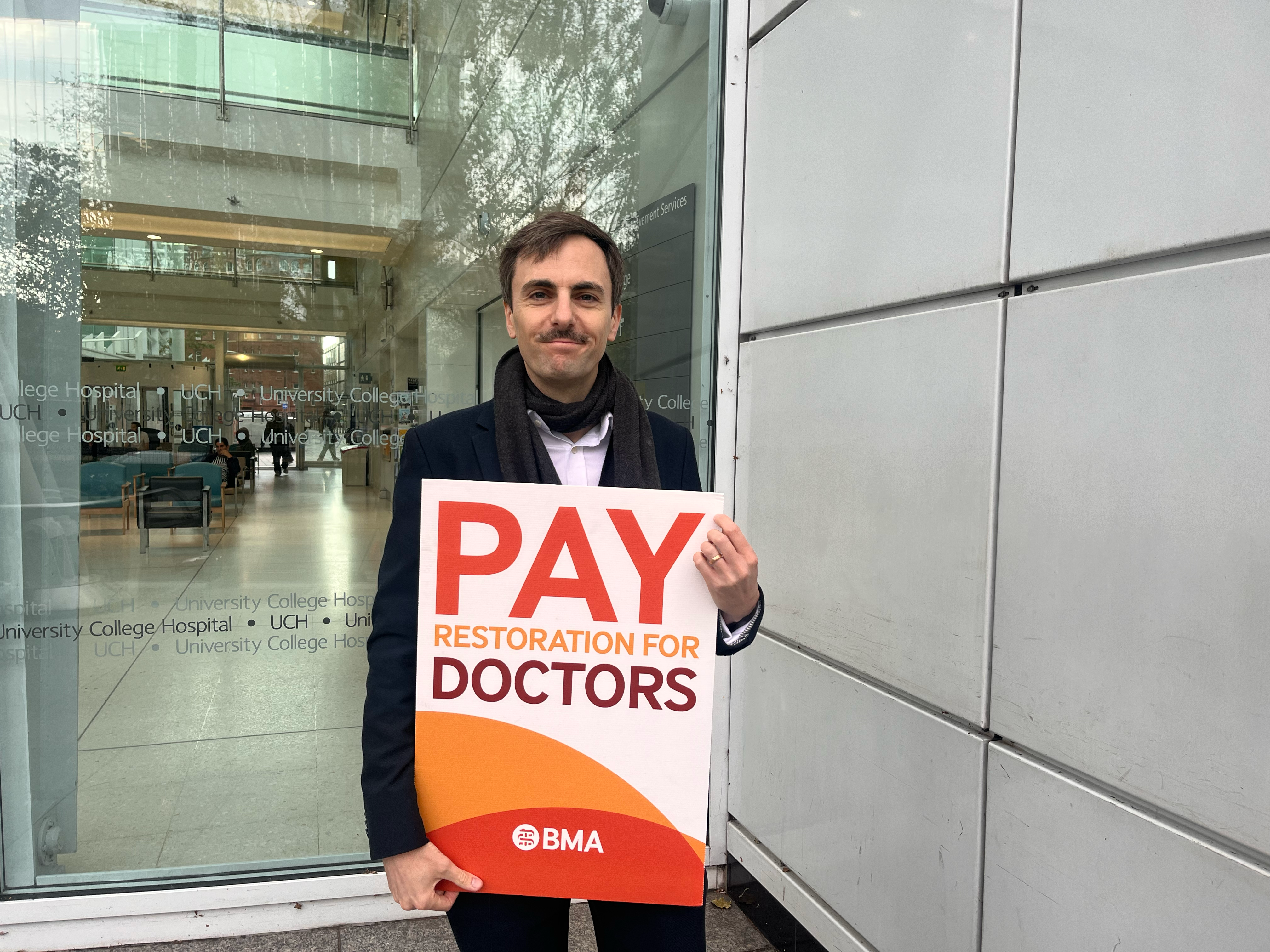
In the case of the resident doctors, the arrival of a Labour government, increased investment in the NHS, improved prospects for promotion into consultancy, and a very substantial pay rise seem to have made little difference to their attitude. To many facing even greater hardships because of the cost of living crisis, and who have to rely on the NHS – the great majority of the population – this latest wave of strike action isn’t going to attract much sympathy.
Yet the chair of the Council of the British Medical Association, Dr Tom Dolphin, shows dangerous complacency about this. While his members consider an improved offer on jobs and training from the government, he refuses to reconsider the timing of the strike. This is adding chaos and uncertainty to an already overstretched NHS, yet he tells The Independent: “The NHS is already struggling all the time … We are strained, and that’s been going on since the summer. So it’s not just a winter crisis, it’s genuinely year-round.”
True enough in a sense – but that is only part of the picture. Hospitals are now plainly under pressures not seen since the once-in-a-century Covid pandemic, and the danger to patient safety is real. It is facile to pretend otherwise.
The chief of the NHS Providers association, covering all branches of the running of the health service, warns that: “The volume of 999 calls, the number of patients being admitted to hospital is huge – this feels like a moment you need all of your workforce pulling together, with all hands on deck to look after a huge number of patients.”
Hospitalisations from the complications of flu are spiking in an unprecedented fashion, and health secretary Wes Streeting says that he is “genuinely fearful” about what might lie ahead. Even discounting for the fact that he has a vested interest in the doctors postponing their action (which he is prepared to facilitate), there can be no doubt that Mr Streeting is right: this is a moment of genuine jeopardy. Lives may be at risk, and patient welfare will surely suffer.
Dr Dolphin pleads that senior doctors will cover for their more junior colleagues and that rescheduling non-urgent, planned care will relieve the strain.
Some of that may be true, and it is a tribute to much-maligned NHS managers that they have grown so adept at adjusting for strikes that they can minimise the impact in most situations. However, the crisis in the wards driven by the so-called “super flu” means that this is not even a normal situation for this time of year.
It is an extraordinary situation, and it calls on the resident doctors – who are diligent, compassionate professionals – to reconsider what they are about to inflict on those in their care. It would not be surprising to see many resident doctors refuse this particular call on their solidarity.
For the rest of the country not in hospital, awaiting an operation or otherwise directly involved in the dispute, there are also steps that can be taken to ease the burden on the NHS, help save lives and, indeed, protect ourselves during the flu pandemic. Vaccination is a safe and well-established method for mitigating the worst effects of a flu infection, and there is always a duty to others not to expose them to the virus.
That means staying at home when ill, if possible, and wearing a mask when out so as to safeguard more vulnerable people. The same simple precautions against an easily transmitted airborne virus that we became used to during the Covid pandemic can be deployed again, though with less stringency. Once again, our NHS needs all the help it can get.
Join our commenting forum
Join thought-provoking conversations, follow other Independent readers and see their replies
Comments
Bookmark popover
Removed from bookmarks