Of course I’m raising my kids to be duplicitous little Traitors – lying is a vital life skill!
If there’s one thing life – and the BBC’s hit gameshow – have taught me, it’s that inflexible truth-tellers never get anywhere, says Charlotte Cripps. Wouldn’t you rather your loved ones finished first?


I’m definitely Team Traitor.
The hit BBC show is midway through series four, and you can give me the cutthroat Rachel, or cheeky chappy Stephen any day over a Faithful. Rachel, a 42-year-old head of communications from County Down, says she’ll do anything to win, and signed herself up to an ex-FBI agent’s online classes to learn how to read people like a true pro, while, Stephen, 32, a cyber security consultant, prides himself on having a good poker face and thinks his Scottish lilt will make people warm to him. It’s ingenious.
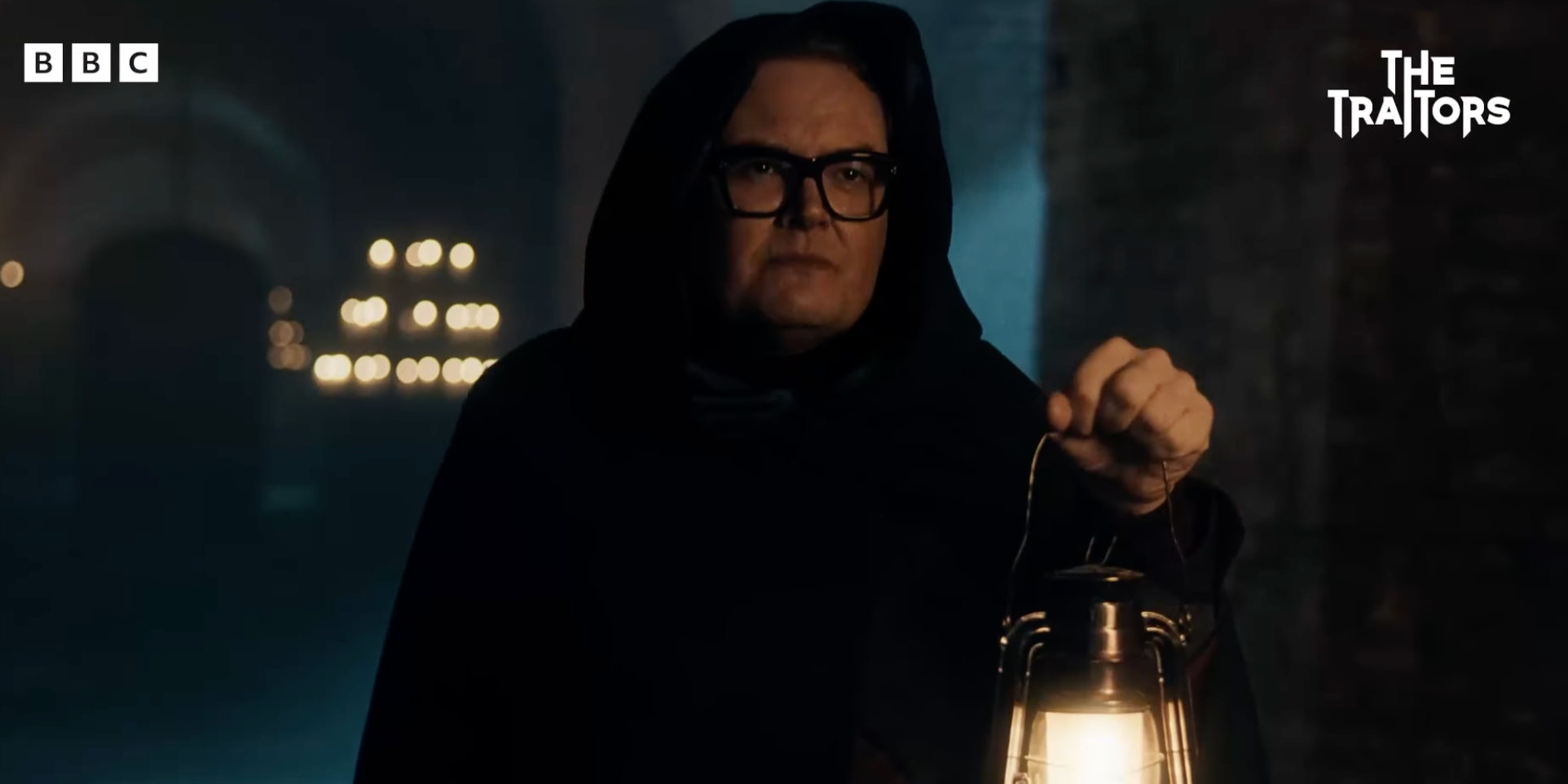
Alan Carr, who won The Celebrity Traitors in late 2025, was lauded by viewers and critics as a national treasure after the final, with some calling him the “best UK Traitor” so far, in terms of entertainment value. From our sofas, we cheer on the duplicity, treachery and scheming in the hit BBC show – and it goes way beyond the contestants.
That’s why I think raising my own little Traitors is a no-brainer. According to numerous studies, around 95 per cent of adolescents admit to lying to parents, often to avoid trouble, embarrassment or punishment, or to gain autonomy. It’s also a necessary developmental step in forming their own identity – and a perfectly normal part of growing up. Good.
And children who can lie convincingly by the age of four show higher executive function and social-emotional intelligence, according to research.
Researchers from the University of California found that adults were only able to distinguish truth from lies 54 per cent of the time in children up to the age of 15 in a report published in the journal Law and Human Behaviour in 2016. Researchers at the University of Toronto in 2018 found evidence that learning how to lie can actually improve cognitive skills in preschool-aged children.
Of course, we all want an honest society – and while I don’t tolerate “normal lying” in my children, strategic lying is a whole different kettle of fish.
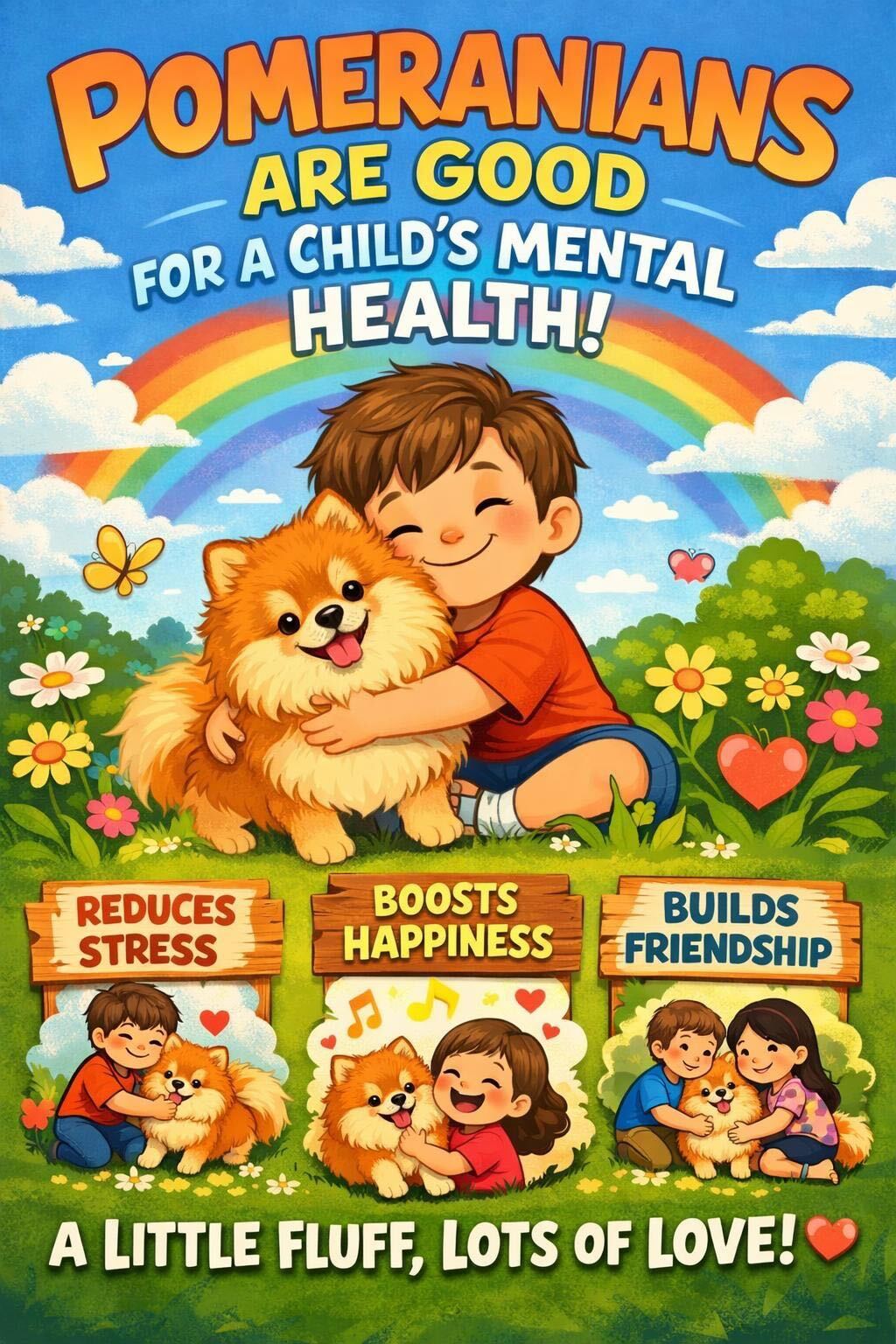
Only last week, my children, Lola, nine, and Liberty, seven, tried to trick me into buying them a £3,000 Pomeranian from Nottinghamshire they’d found online by showing me a poster that said, “Pomeranians are good for a child’s mental health!”
Lola had got ChatGPT to create it – commendable Traitor behaviour. I later discovered they were also in the throes of trying to take it a step further by working out a way to make me think I had been commissioned to write about it – by somehow intercepting my emails – which they hoped would mean we’d get a free dog.
Liberty is ingenious at deceiving me with her iPad usage, pretending to be asleep and hiding the device under her own turtle. I only learnt about what was really going on when her sister Lola told me. Lola, meanwhile, has a clever ruse at her best friend’s house which, they recently boasted, involves them hiding all their clothes at pick-up time so Lola doesn’t have to leave. I’d never have guessed.
Then there is “Nutella-gate”: Lola admitted that she used to scoop the chocolate out of the jar with a spoon and hide it behind the toaster, then pretend she was feeding her toy cat with a spoon if I walked in. If I asked her why the chocolate spread was so low, she’d look at me calmly and say: “No idea.”
And when she didn’t want to wear certain clothes with cute animal prints that I’d bought her, she’d tell me they were too small for her, without a flicker of hesitation.
Lying to get ahead is an absolutely vital life skill. I want my children to be able to downplay weaknesses when attending job interviews (probably conducted by AI). Or to spare other people’s feelings, by thanking the person who gave them a plush Peppa Pig toy for Christmas, and pretending to like it, when they are well over the brand, and have moved on to K-Pop Demon Hunters.
So many times, I’ve actively encouraged my children to lie, telling people that we are busy when I don’t want to host a playdate. Most of us need to tell white lies to survive relationships and the world – or we’d fall flat on our faces.
The truth is that we need the villain archetype for emotional balance. And for children learning the art of deception, there is no better place to study it than on The Traitors.
Join our commenting forum
Join thought-provoking conversations, follow other Independent readers and see their replies
Comments
Bookmark popover
Removed from bookmarks