I count myself lucky to have worked for Andreas Whittam Smith
Andrew Marr, who edited The Independent in the 1990s, pays tribute to the paper’s ‘surprisingly mischievous’ founder, who believed it was journalism’s job to cause trouble, offend the mighty – and have a lot of fun while doing so


A good journalistic career is about lucky breaks as well as hard graft. I got mine courtesy of a man with a port-wine nose, expensively cut suits, a Garrick club tie and a surprisingly mischievous schoolboy grin.
Much has been made in obituaries of Andreas Whittam Smith of the role luck played in his life and the launching of The Independent newspaper. Lucky to be City editor at The Daily Telegraph as it was clear that the paper was in deep financial trouble and yet there was money to be invested in journalism. Lucky to be hiring journalists and making the numbers add up just at the time Rupert Murdoch was breaking the print unions, and seeing an exodus of experienced, talented journalists from The Times. Lucky to be riding the wave of entrepreneurial vigour as the Thatcherite bust turned to boom.
But all of this is to miss the central point. Many people could have been lucky in newspaper journalism in 1986. Only Andreas had the vision, energy and courage to do what nobody else could and, with Matthew Symonds and Stephen Glover, launch the first new quality broadsheet newspaper since early Victorian times.
He is regularly described as bishop-like, or episcopal. He was indeed the son of a vicar and eventually became the first church estates commissioner. He could be high-minded to the point of sounding a tad pompous – but, again, this is to mistake him. Andreas had a streak of genuine mischief and a belief that it was journalism’s job to cause trouble, offend the mighty, and have a lot of fun while doing so.
When I got a tap on the shoulder from the great Tony Bevins, who would become political editor of the still-unnamed newspaper, I was told a key part of the plan was to boycott and therefore break the old political lobby, a tight, secretive club that benefited No 10 at the expense of everybody else… except perhaps those lobby reporters who could loftily suggest to their editors they have been personally talking to the prime minister. I was warned by more than one political correspondent to have nothing to do with this anarchic newcomer.
But, under Bevins, we did it. There were shouted confrontations with colleagues, and the atmosphere in the press gallery became at times deeply unpleasant. But by attributing what was said privately to the person who had said it – Bernard Ingham, Margaret Thatcher’s press secretary – we slowly made the old system impossible, and brought a little daylight into old Westminster.
Andreas was passionate about this. As with boycotting royal coverage, he couldn’t see an apple cart without wanting to kick it over. But perhaps his greatest achievement was to create an atmosphere of liberty and experimentation for journalists, including some of the greatest writers of that time. Everything was possible. Standards were high, salaries were moderate, and hard, competitive work was demanded. Newspapers could be less tribal, less predictable, less lazy: make it new, do it afresh.
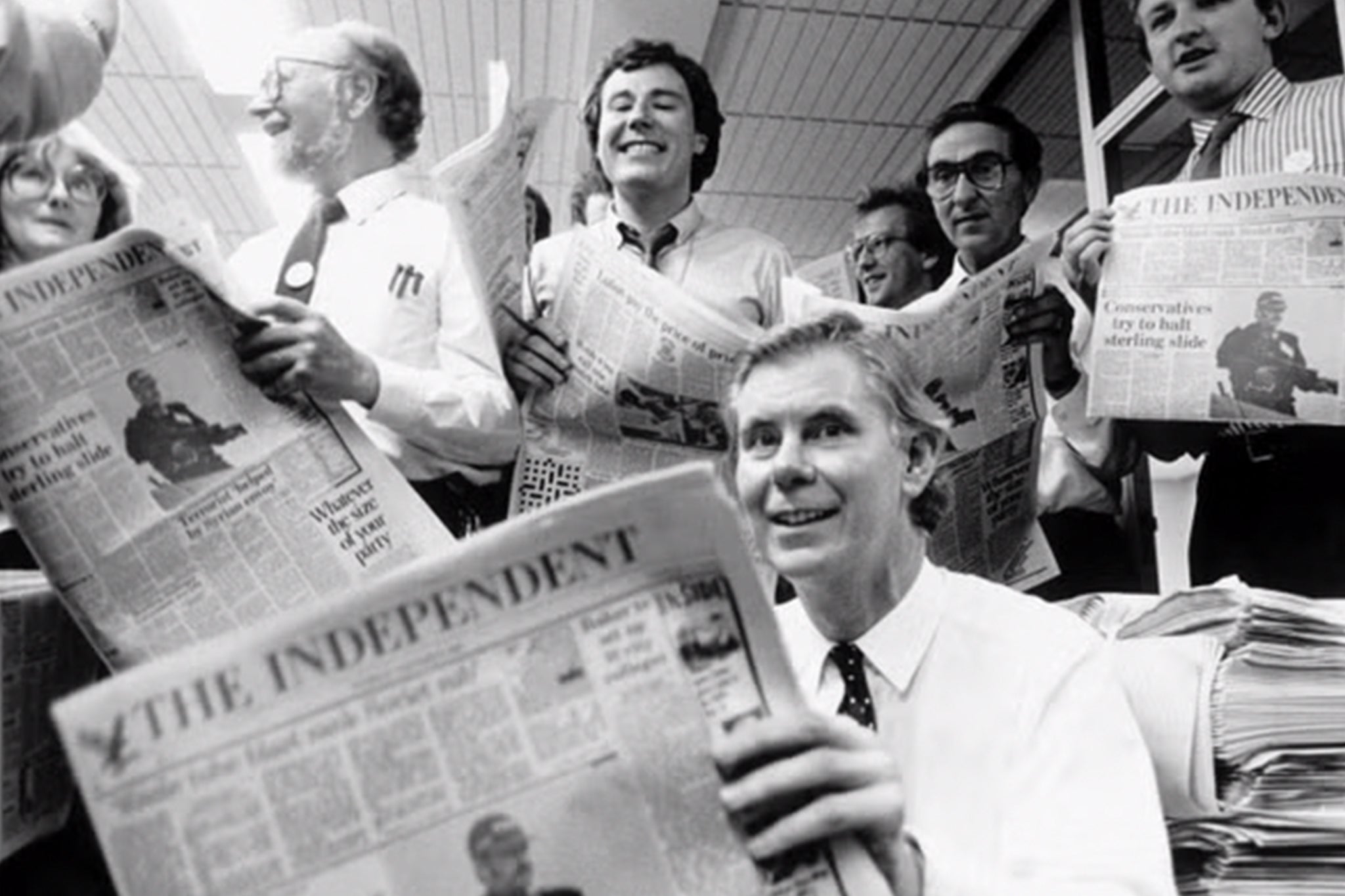
Within a few years, the walls closed in. The intense commercial pressures, including predatory pricing by The Times, were matched by in-house mistakes, such as launching a Sunday newspaper against another optimistic upstart.
But I will never forget that smell of freedom. I’ll never forget sitting in dishevelled groups of recent friends on unlikely floral sofas in the barely furnished City Road offices, hotly debating what our line should be on monetarism, Israel or the Soviet threat to the German plain. I will never forget Andreas’s leaping eyebrows and giggle when it seemed everything was going to work just fine.
It may only have lasted a short period, but for me and many more, it will always be the golden age. And we have one man to thank.
Andrew Marr is editor-at-large of The New Statesman and hosts ‘Tonight with Andrew Marr’ on LBC radio
Join our commenting forum
Join thought-provoking conversations, follow other Independent readers and see their replies
Comments
Bookmark popover
Removed from bookmarks