Nine passport mistakes that could grind your travel plans to a halt ... and some may surprise you
Even seemingly innocuous errors could mean the end of your vacation
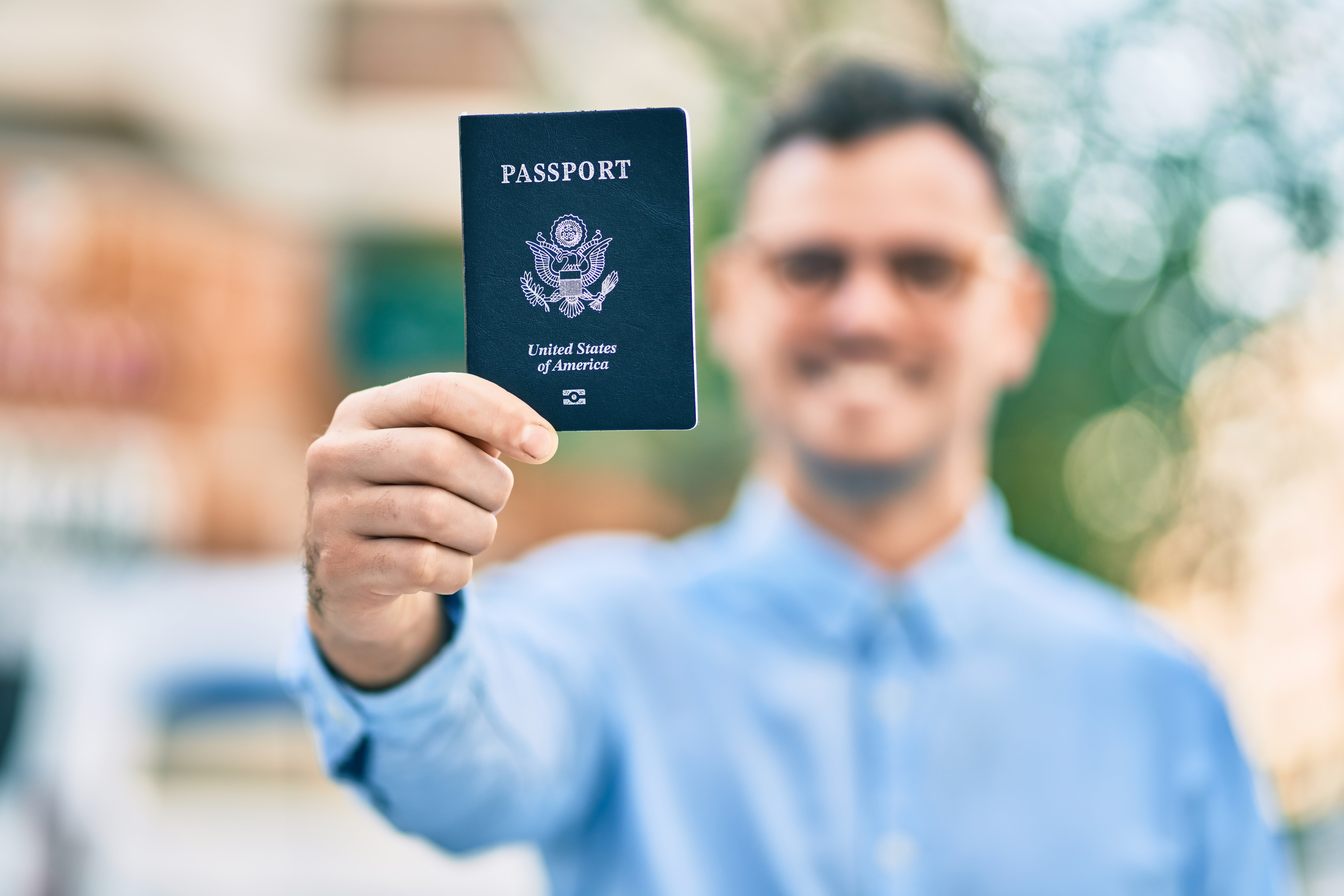
Arriving at an airport without your passport is an obvious way to ruin your vacation abroad.
But as we reveal here, even if you do remember it, there may be a seemingly innocuous error lurking within the document that denies you boarding or results in you being turned back at a country’s border.
Pay close attention to the advice below to ensure hiccup-free travel.
1. Not having enough validity left
Many Americans mistakenly assume their passport is valid for travel right up to the expiration date.


.jpeg?quality=75&width=230&crop=3%3A2%2Csmart&auto=webp)
In fact, most countries require that your passport has at least six months of validity beyond your date of entry or departure.
The U.S. State Department warns that some airlines will deny boarding if this requirement is not met.
2. Having too few blank pages
Some countries, warns the U.S. State Department, require two to four blank visa or stamp pages. And be warned, immigration officials don’t accept nearly blank pages.
African, Asian and Middle Eastern countries are particularly strict about this requirement and airlines may deny boarding if it’s not met.
If your passport needs more blank pages it must be renewed, as visa/stamp pages cannot be added on.
Pro tip: Travel a lot? You can apply for a passport with extra pages by selecting the option for “large book” during the application process.
3. Damage you didn’t realize counts as “damage”
You’d be surprised how easily a U.S. passport can be invalidated, so keep it safe and sound.
Damage that could deny you entry to a foreign country includes water damage (including mold and stains), a significant tear, unofficial markings on the data page, missing visa pages (torn out, ripped, or cut), a hole punch, or even a bite mark.
Normal wear and tear is acceptable, however, and this includes bending from the passport being carried in your back pocket and the fanning of the visa pages after lots of opening and closing, according to the U.S. State Department.
A damaged passport must be replaced.
4. Name mismatch with your airline ticket
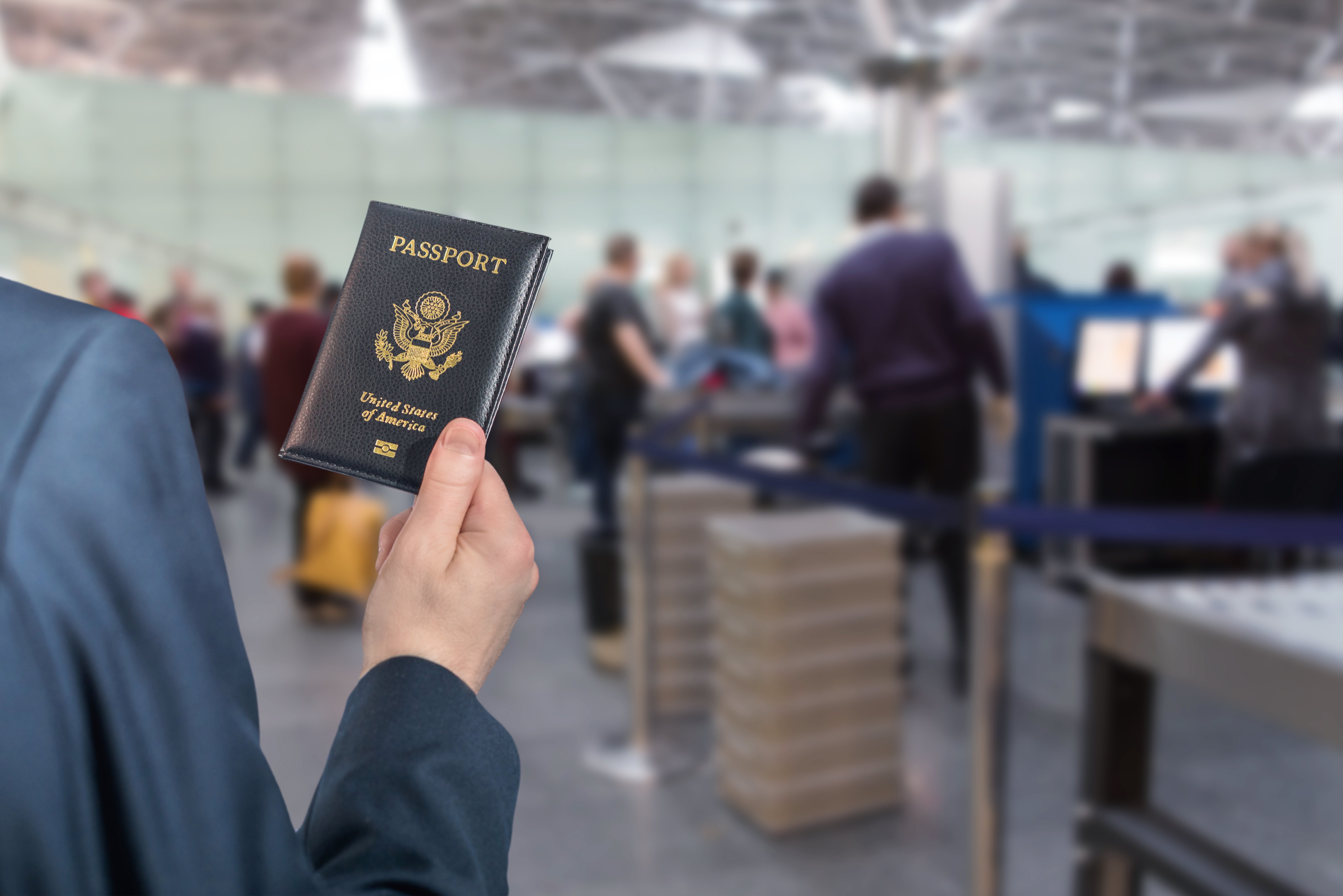
Your ticket name and passport name must match exactly, so be careful that you book your ticket using the name as it appears on your passport.
For example, if the passport says John A. Smith, the ticket shouldn’t be booked as John Adam Smith, as that could trigger denied boarding for an international flight.
This issue arises most often after marriage, divorce or a legal name change.
5. Middle-name mismatch with a previous passport
Be extra careful with middle names when applying for a new passport, as some travelers have faced immigration difficulties — particularly in countries with strict entry controls —because a middle name that was on their old passport didn’t appear on their new one.
This was probably because they didn’t enter it when renewing.
However, this inconsistency can be flagged by border-control computer systems.
6. Forgetting that some countries require visas for Americans
The American passport is powerful, but many countries still require a visa for visiting U.S. citizens, such as Brazil, China, India and Vietnam.
Turning up even with a valid passport does not override the absence of a required visa.
7. Not realizing you need an onward or return ticket
Americans can be denied boarding, or face difficulties at immigration desks if they cannot show tickets for onward or return travel.
Airlines can be sensitive to this as they’re fined if they transport passengers who are then refused entry.
8. Assuming a passport card works for international flights
The U.S. passport card is a wallet-sized plastic passport with no visa pages that proves U.S. citizenship and identity and is for land and sea crossings to Canada, Mexico, Bermuda, and Caribbean countries.
But the U.S. State Department warns that it is not valid for international travel to any other country.
9. Waiting too long to renew
Plan ahead. It routinely takes four to six weeks for a new passport ($130) to be issued from the date the application is received.
Even an extra-cost expedited passport ($60 more) can take two to three weeks.
Join our commenting forum
Join thought-provoking conversations, follow other Independent readers and see their replies
Comments
Bookmark popover
Removed from bookmarks