India’s women’s ice hockey team showed me why winter in Ladakh is so special
Inspired by the Winter Olympics, Rashmi Narayan remembers her trip to Ladakh, the high-altitude world where she was transfixed not only by the stunning mountains, but by watching locals play ice hockey in Leh, on the frozen expanse of Karzu Pond

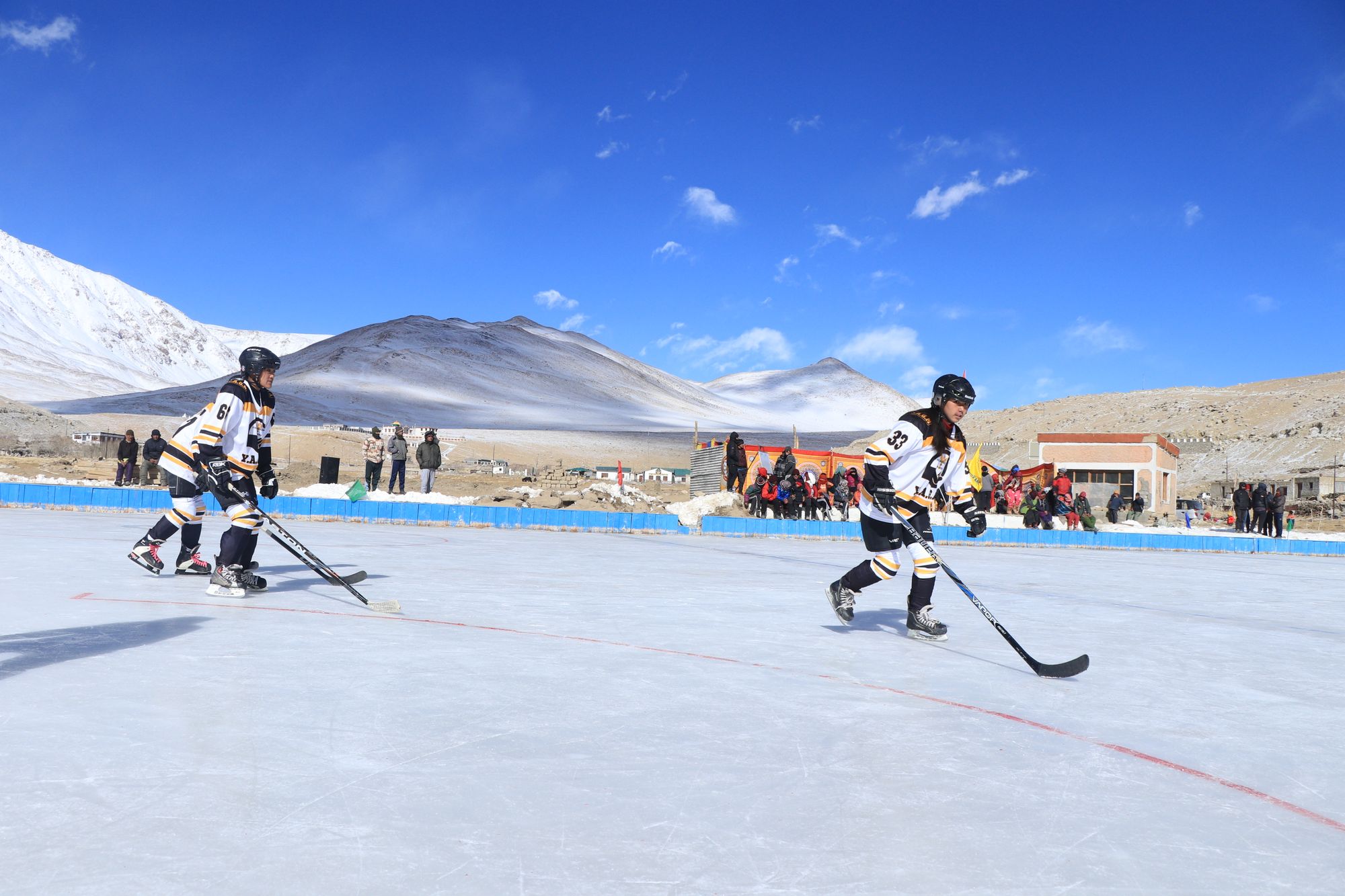
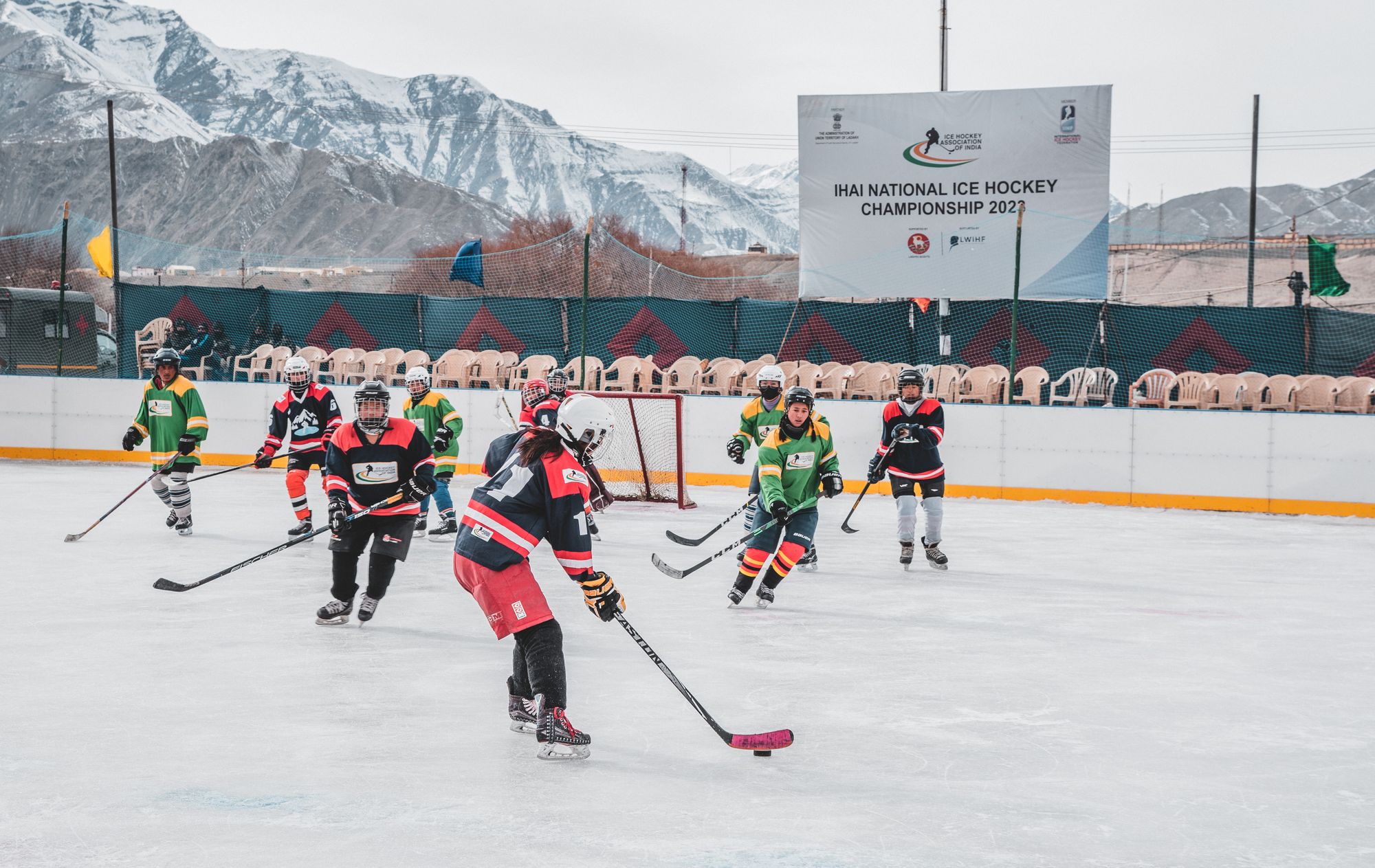
“Ice was always a part of our lives, especially during our long winters, and we are all very outdoorsy,” Dr Noor Jahan, the goalkeeper of the Indian Women’s Ice Hockey Team, tells me. When she’s not on ice, she works actively towards preserving centuries-old Buddhist Thangka paintings as she holds a PhD in art conservation.
“I've been playing ice hockey since I was a teenager. As children growing up in the neighbourhood of Skara, Leh, we used to love sliding downhill on small sledges.”
The relentless rain in the UK this winter has left my friends seeking winter sun in Malta or skiing in the Dolomites. I found myself wishing that I were back in Ladakh instead.
Growing up in the modern metropolis of Bangalore, known for its technology and craft beer, exploring this high-altitude world last winter felt surreal. Ladakh translates to The Land of High Passes, and for years I had imagined it as a place of prayer flags, monasteries and stark Himalayan beauty. But the reality felt far more layered than I had pictured.
 US hockey captain Knight admits she was more nervous about marriage proposal than Olympic final
 USA win ice hockey gold medal grudge match against bitter rivals Canada
 Now is the perfect time to discover India’s most underrated city
 The Leela Palace Jaipur hotel review: Colourful opulence that’s a true escape from the city
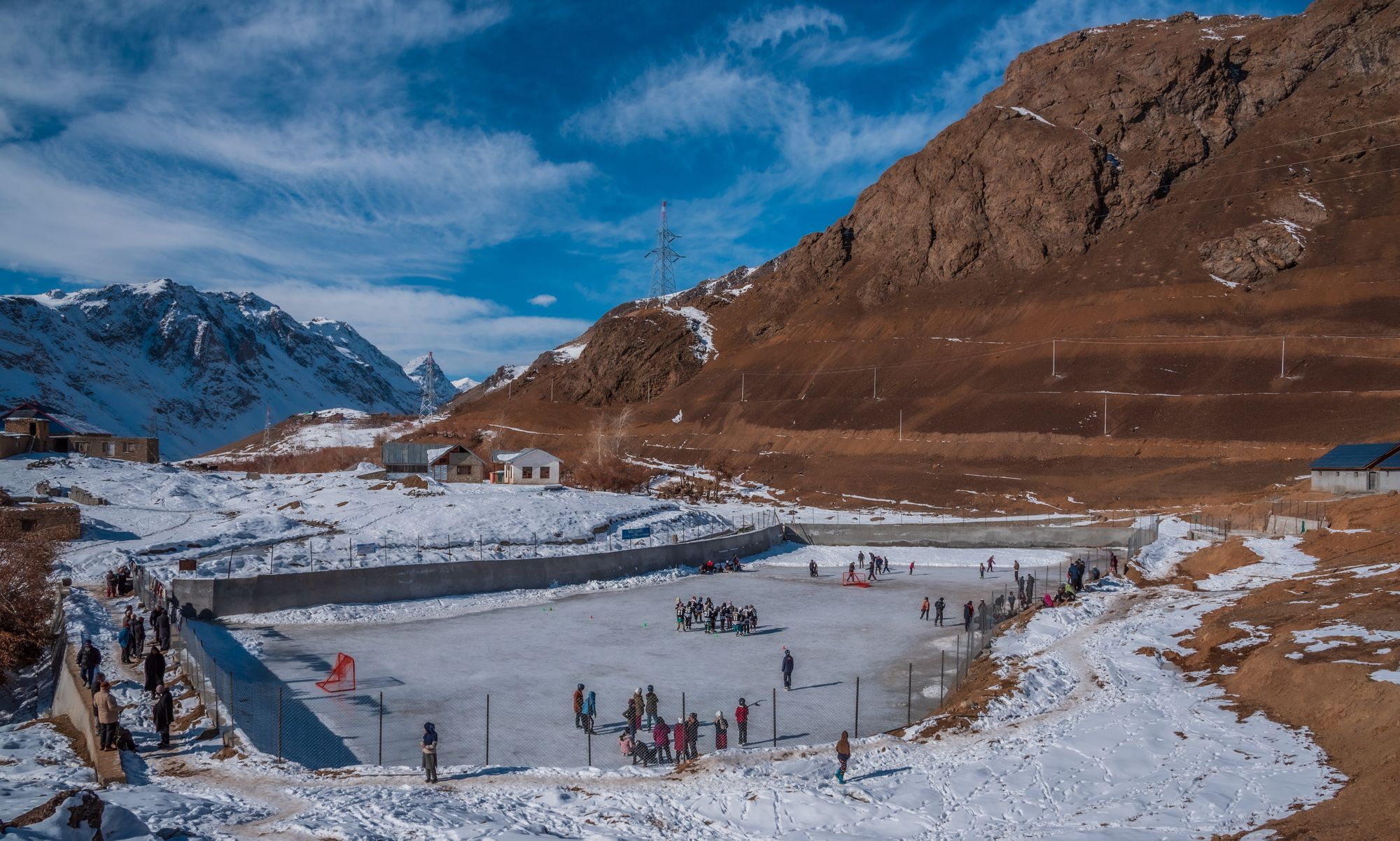
Many travellers head to Ladakh for winter treks such as the Chadar over the frozen Zanskar River. I was here to visit Hemis National Park in the hope of spotting the elusive snow leopard. Despite the stunning mountains around me, it was watching locals play ice hockey in Leh, on the frozen expanse of Karzu Pond that felt most extraordinary.
Walking through the labyrinth of narrow lanes in Leh, past communal ovens baking traditional khambir bread, I arrive at Shesrig Ladakh, a conservation studio dedicated to preserving centuries-old Buddhist Thangka paintings. Its founder is none other than Noor, who greets me with a cup of tea and shows me the paintings she and her team work hard to restore.
As a child, she moved from sledging to skating, though mostly watching boys take to the ice. Her cousin, who played ice hockey, became her greatest inspiration. Skates were rarely available in her size, so she borrowed from him what she could.
Read more: Why the Middle East’s female rock climbing community is on the rise
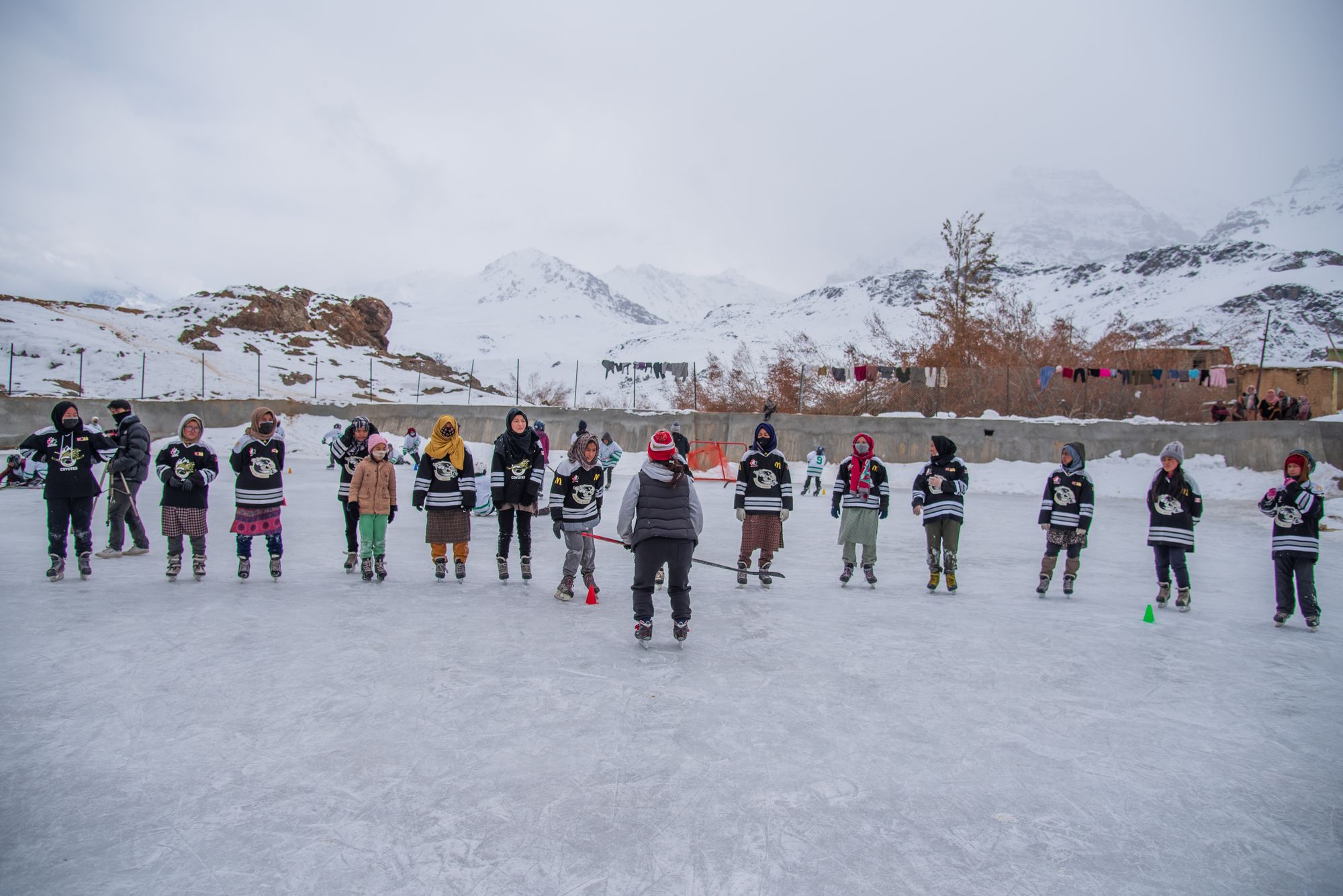
“One day I got these makeshift skates that maybe belonged to somebody. It was a figure skate, but with the Army gumboot and an iron plate at the bottom. So that was my first pair of skates and I was thrilled as [they were] mine. I would go to my village reservoir and play with everyone. Eventually, I went to Ladakh Winter Sports Club, and then I took up proper coaching there.”
Her path forward was challenging as equipment was scarce and expensive. Most ice hockey gear is not manufactured in India and must be imported at high cost, often carried back by friends travelling from abroad. So much of what Noor used for years was borrowed or handed down. Even as opportunities grew, including participation in national tournaments, access to basic sporting gear remained one of the greatest barriers.
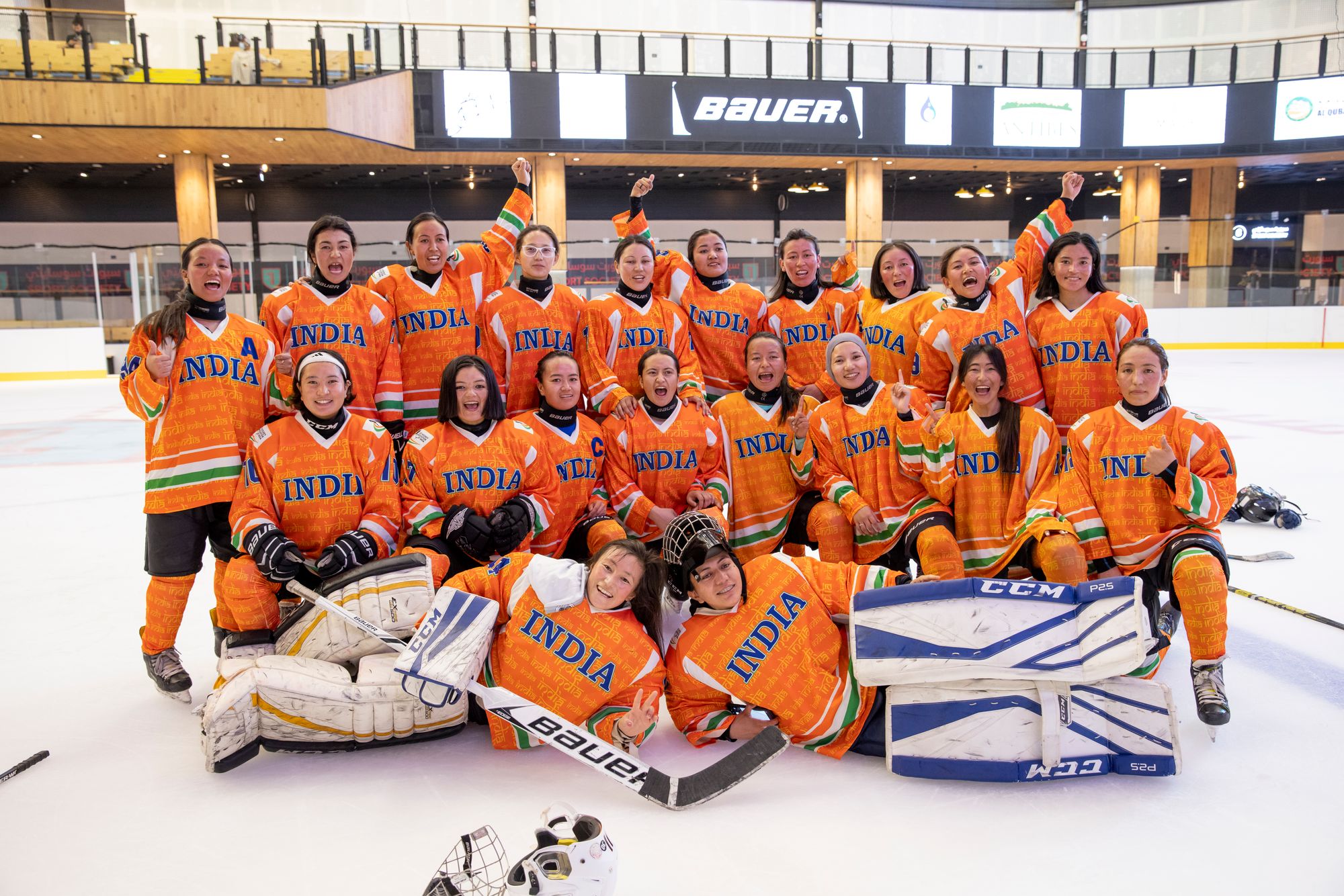
Noor, together with her fellow ice hockey players, formed the Ladakh Women’s Ice Hockey Foundation in the winter of 2015. They began by carving out their own ice rinks on frozen ponds, rotating shifts and borrowing rented gear from the men, often swallowed by oversized clothing that never quite fit. From those improvised beginnings, they now coach young girls in villages across India, paving a path for women to pursue ice hockey as a serious career. They may not have made it to the Winter Olympics yet but they have grown stronger after winning the bronze medal at the 2025 IIHF Women's Asia Cup.
At Thiksey Monastery, southwest of Leh, I spoke with monk Chamba Norfil to understand how people adapt during winter. “In Ladakh, despite the challenges we face such as extreme weather, water shortages and a dwindling population, we live in harmony,” he says.
Debunking the common myths associated with monks as saintly figures, he adds: “Yes, we pray, but we also enjoy cricket, hockey and play football together. Whatever we do, we embrace the present. When we use cell phones even for an hour, our brain gets very tired and we start experiencing headaches.”
The best part about living here? “There are fewer crowds, less noise and all we wish for is to have a happy life. My advice to travellers who come here seeking meditation is try to stay present. After all, meditation isn’t about sitting in a quiet place in front of the mountains, it is about introspection, being fully at peace despite the chaos that surrounds you.”
Read more: Following the footsteps of an 1890s alpinist in the Dolomites
His words stay with me long after I leave the monastery and feel like an overture to everything that follows. I quickly realise that life here doesn’t go into hibernation during winter and the season also shapes more than sport. In Leh, smaller businesses are working to educate travellers about the origins of pashmina, one of the region’s most valued materials. At the all-women run LENA, co-founder Sonam Angmo explains the local connection.
She says: “Most don’t know that the source of pashmina is from Ladakh. They often think it’s from Kashmir. Our pashmina goats are from the high plateaus of Changthang here in Ladakh and we are doing our best to keep this beautiful craft alive for future generations to enjoy.”
Sonam also shows me something special; what seems like an ornate woven fabric is actually ancestry. “You see these lines here? To us they may seem like a mere design but they’re actually marks of identification. This is called yuth and is unique to Ladakh.”



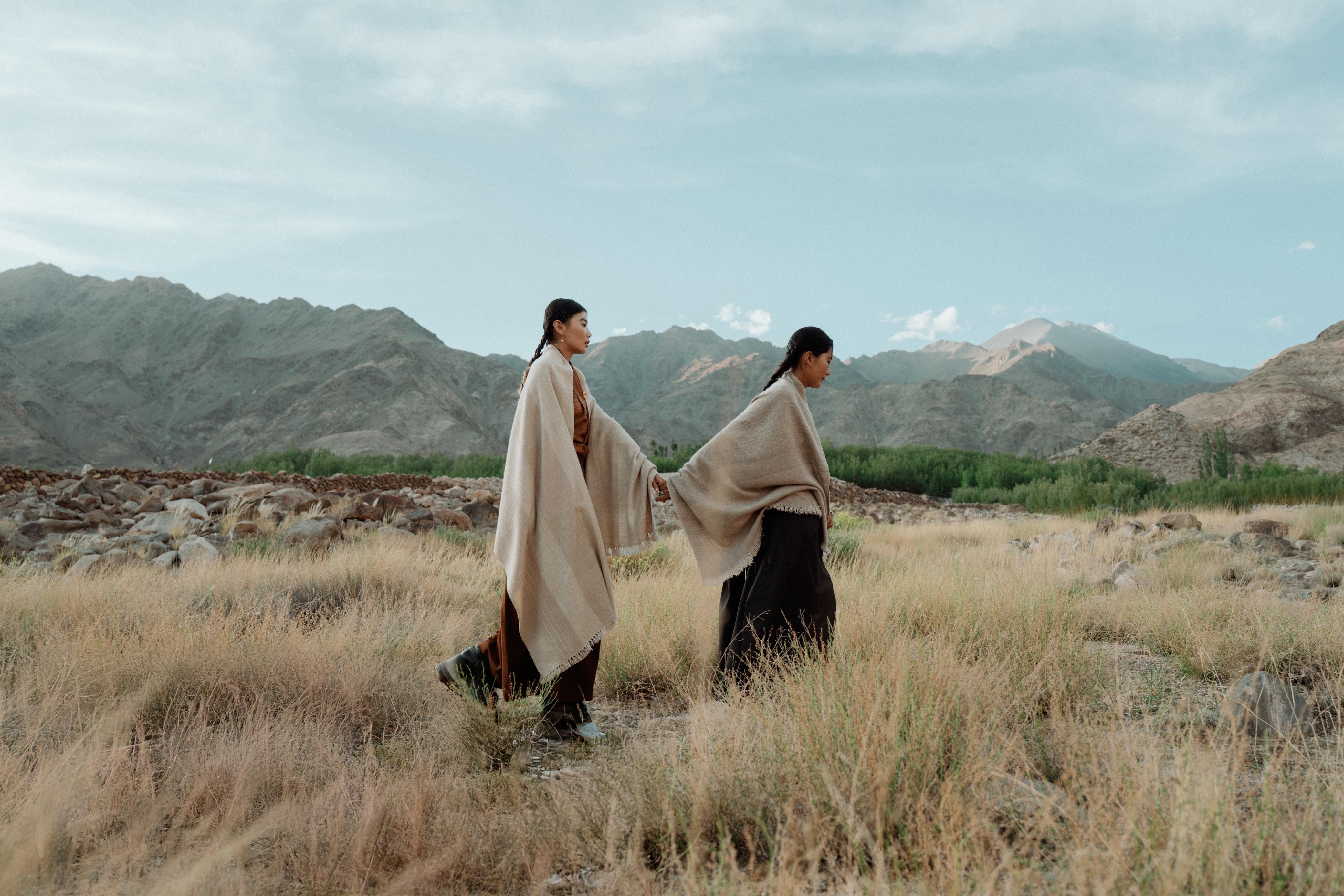
Yuth goes back to ancient nomadic tribes of the Changthang region who used to trade wool and carry saddle bags of similar colours. As each had a unique design pertaining to their respective family, passed down through generations, if the bags got mixed up, one could easily identify which bag belonged to which family through the family’s mark which is woven into the cloth.
I arrived thinking I understood Ladakh but I left realising how little I knew. Beyond the familiar imagery of monasteries and mountains lies a state where ice hockey is played on frozen ponds, art is preserved in small studios, and ancestral weaving techniques and patterns are all a part of the same ecosystem. The Winter Olympics may be drawing to a close, but here, winter tells a completely different story of life in this part of India.
How to do it
Return flights from London Heathrow to Leh via New Delhi with Air India start from £785. While the city centre of Leh is walkable, fixed-price taxis (around £5 return) are reliable for short trips to monasteries in Alchi, Thiksey and Hemis.
Where to stay
The Grand Dragon is in the city centre, open throughout the year and offers panoramic views of the mountains.
If you find yourself in Ladakh between May and September, unwind in one of the houses from Shakti Himalaya in the villages of Nimoo and Thiksey.
Read more: Meet the women running remote refuges in the wilds of the French Alps
Join our commenting forum
Join thought-provoking conversations, follow other Independent readers and see their replies
Comments
Bookmark popover
Removed from bookmarks