Stick or twist: What next for England after humiliating Ireland defeat?
Ireland secured a record away win over England for a second straight harrowing Six Nations loss, leaving Steve Borthwick with existential questions to ponder
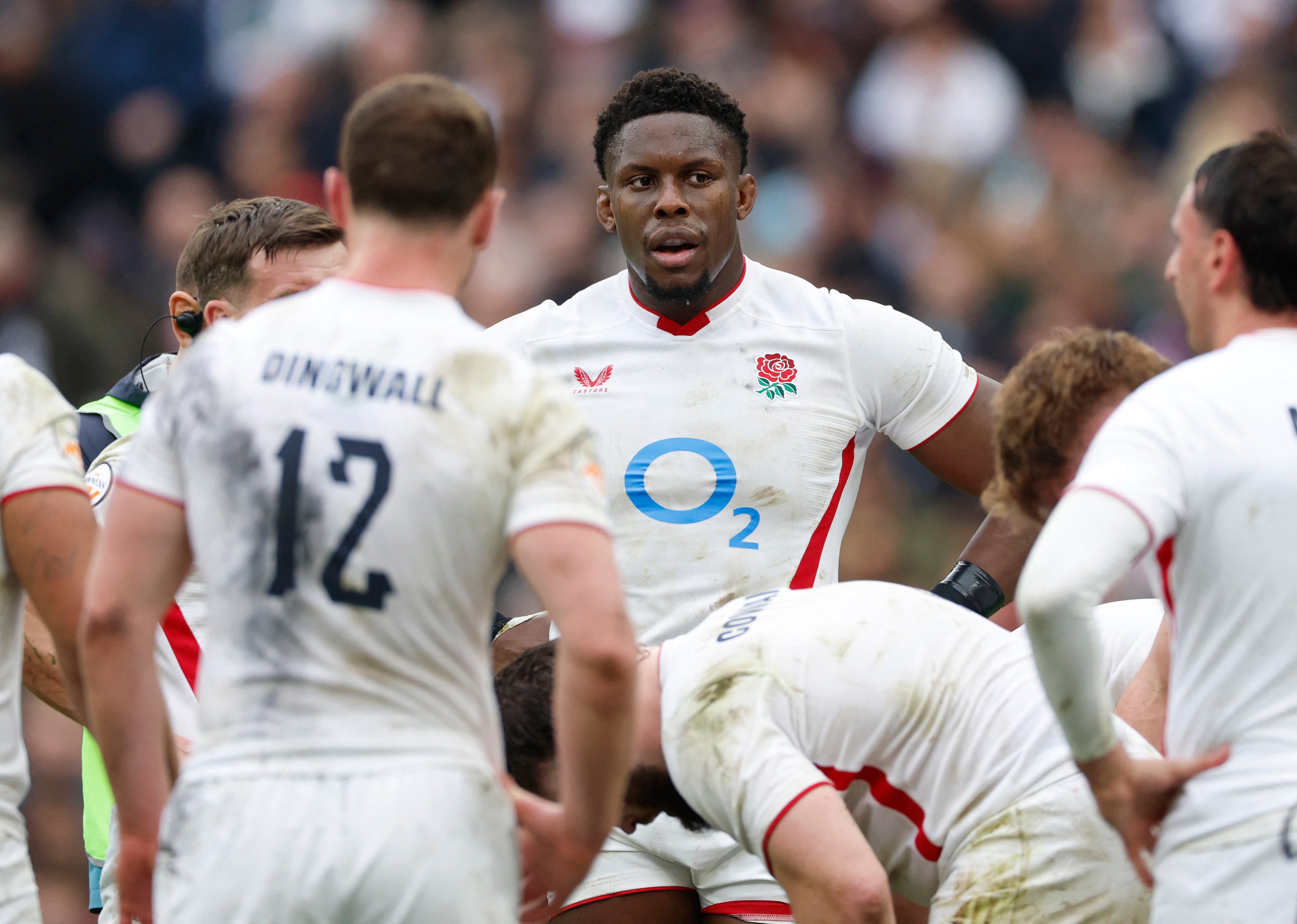
One abject defeat could be considered unfortunate but two in as many weeks...? If England could feasibly write off the 31-20 loss to Scotland at Murrayfield as just a bad day at the office, especially given the amount of credit they built up during the 12 straight wins that preceded it, the 42-21 humiliation that followed against Ireland on home soil suddenly raises serious questions about the direction of this team.
England’s recent Calcutta Cup record is decidedly dicey, particularly away from home, so, while the mental block in place against the Scots will need to be overcome eventually, the Edinburgh embarrassment was at least somewhat explicable. When a record home defeat to Ireland follows seven days later at Twickenham, a place that had been a fortress for more than a year, with all the same issues plus a couple of additional ones for good measure, the questions start to become existential.
England were 17-0 down to Scotland after 15 minutes and allowed Ireland to put up 22 points before troubling the scorers themselves. Funnily enough, at Test level, you can’t give teams a three or four-score head-start and expect to come back.
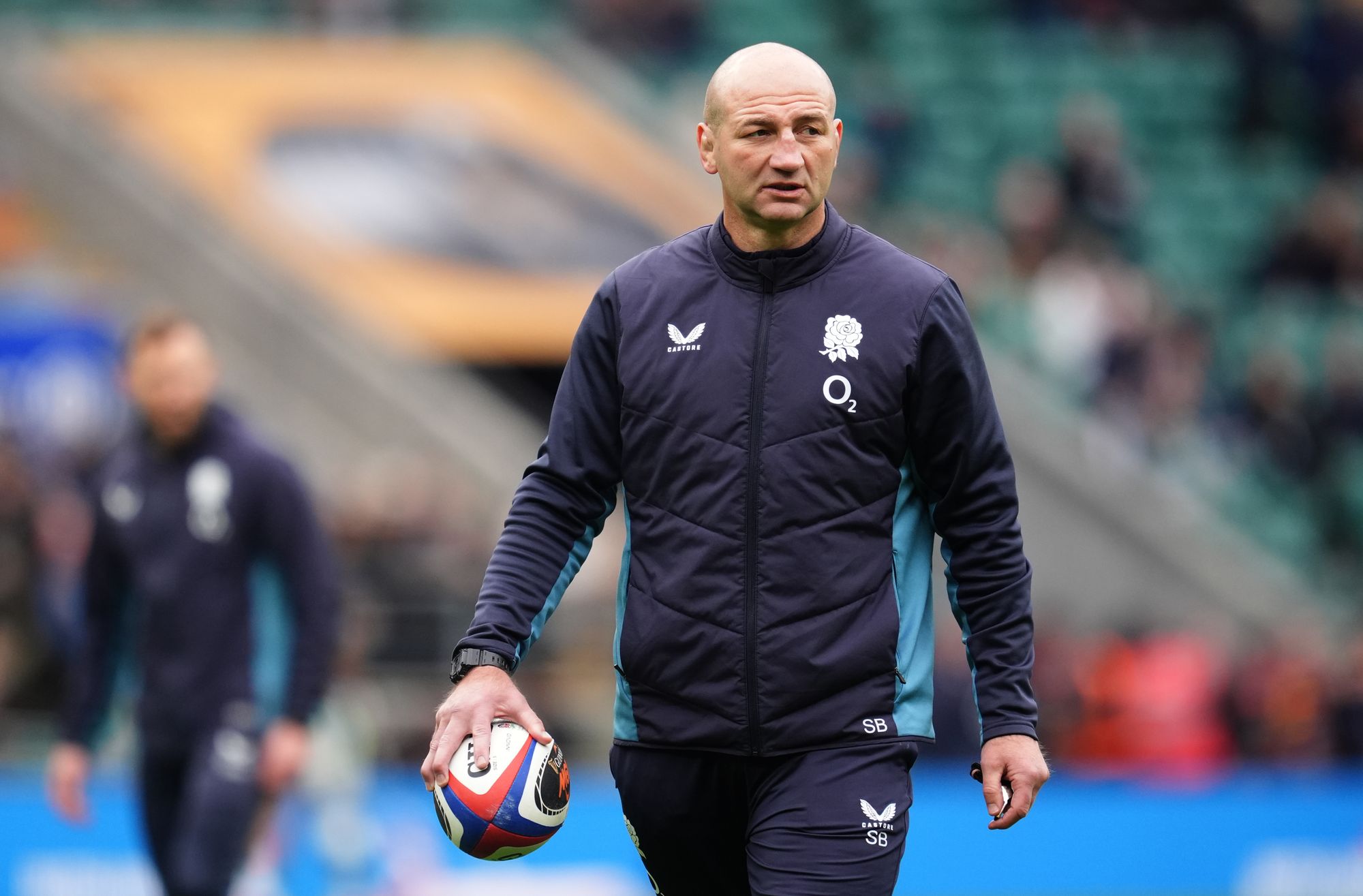
“What do you do? Two weeks in a row conceding so many points in the first 15 minutes,” said a clearly frustrated Ellis Genge to BBC Sport after the Ireland loss. “There is a mountain to climb after that and everyone has to take a look at themselves.
Warming to his theme, the always honest prop allowed his anger to build. “No one knows what the answer is right now or we would have sorted it out,” he added. “It opened up scar tissue from last week, we have to be better at managing that period and stop turning the ball over.”
In his press conference, Borthwick agreed with his front rower about the slow starts costing England dearly.
“This team has been very, very good for a quite a long time in games that are tight, even if we go a score or two down, being very strong in that second half and always finding a way to win that second half,” explained the head coach.
“Unfortunately for two weeks now we have given ourselves a mountain to climb, given the opposition too many points and we have not got scoreboard presence.”
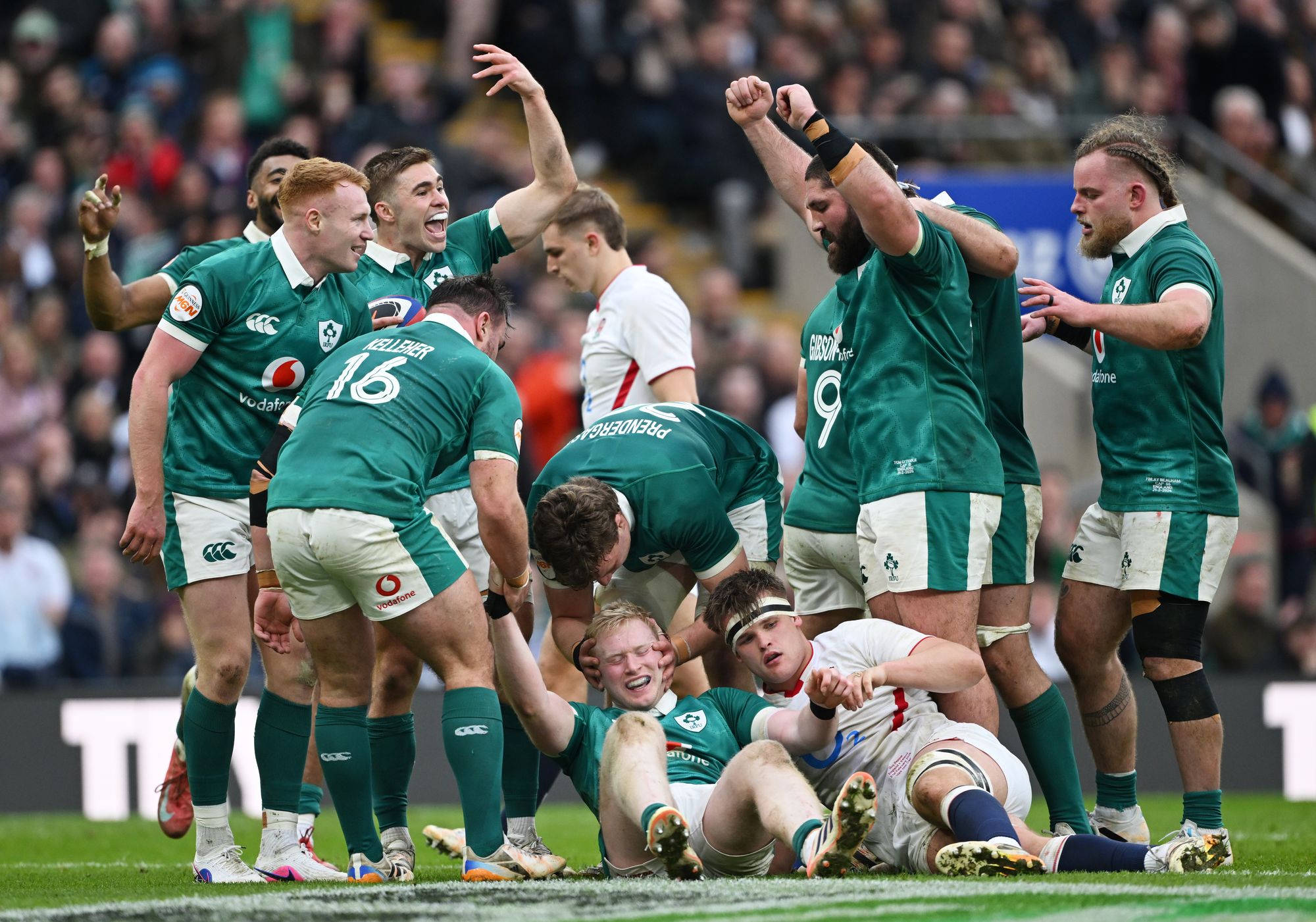
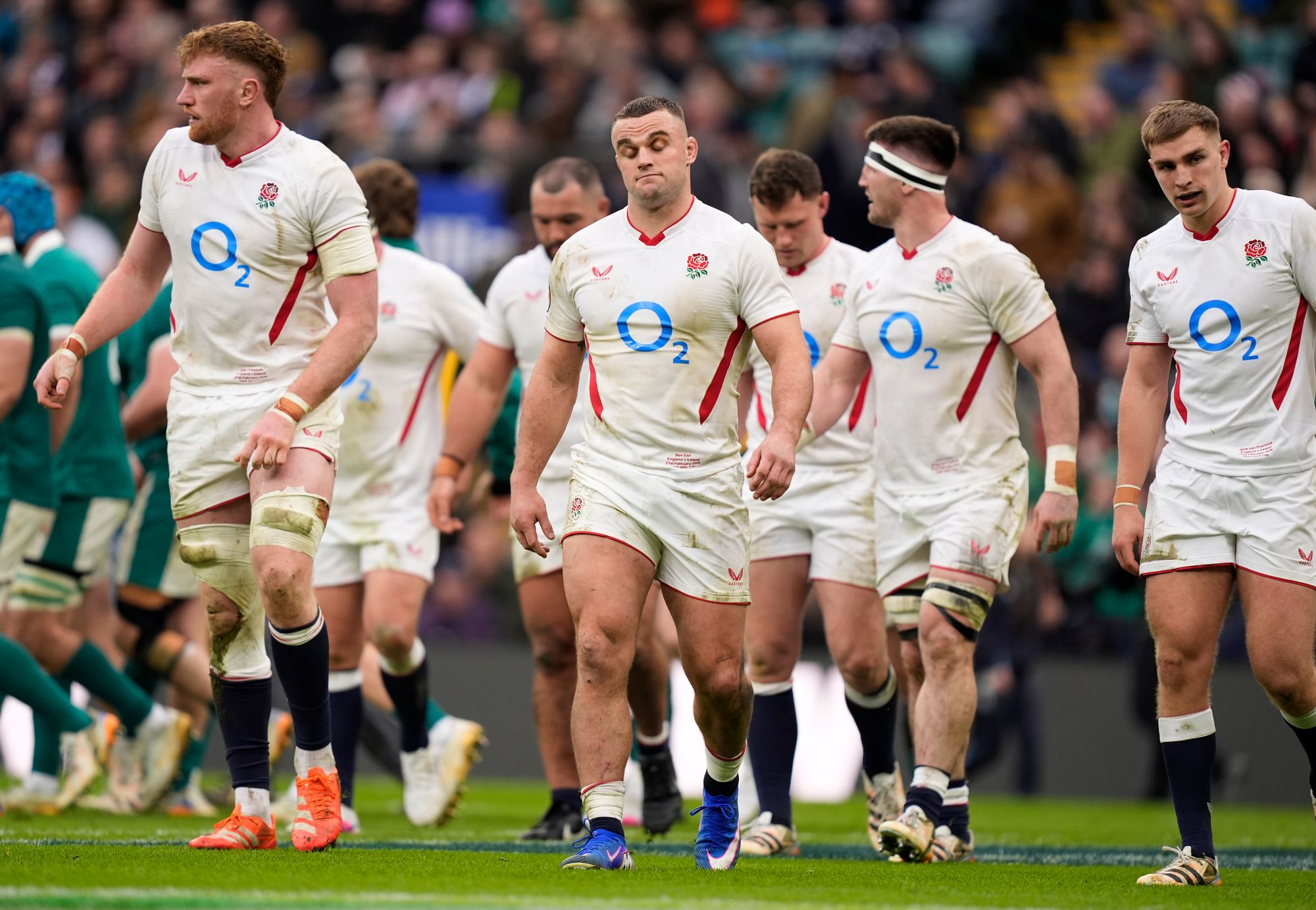
Falling behind on the scoreboard was far from England’s only issue across the two games. The profligacy when in attacking areas was stark. Against Ireland, they entered the 22 on 12 occasions but averaged a paltry 1.75 points per visit. They made 14 handling errors having committed 11 against Scotland the week before and a number of those came within five metres of the opponents’ line.
England’s scrum has been an absolute weapon, dominating both the Irish and Scottish packs, but that is a rare bright spot. The lineout was solid enough in Edinburgh but struggled early on at Twickenham, twice being lost on their own throw and causing Borthwick to remove starting hooker Luke Cowan-Dickie after just 29 minutes, bringing Jamie George on in his place.
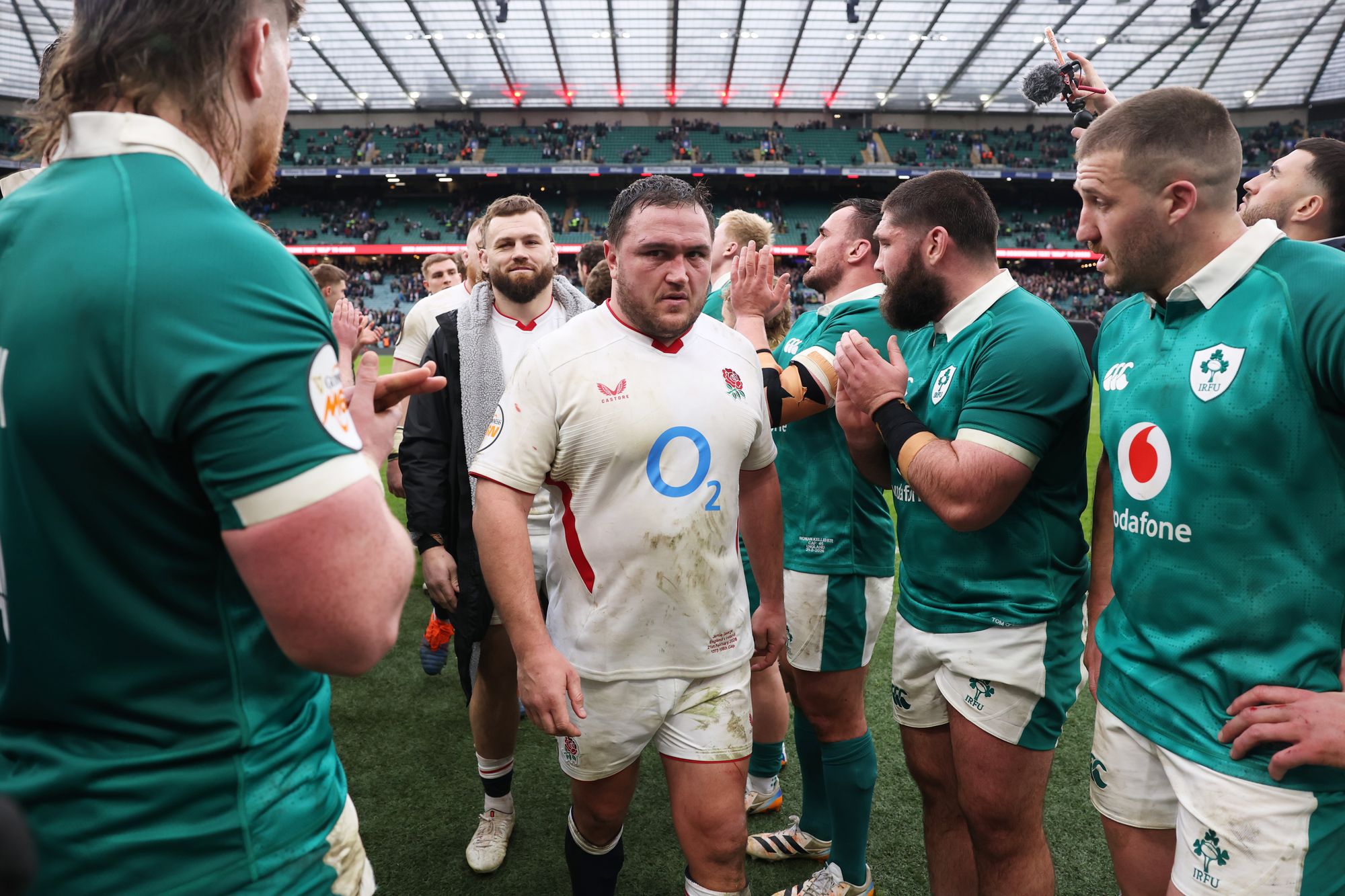
The back row, with its enviable depth, has been a real source of pride over the past year but, while Ben Earl’s carrying has been consistently impressive, all four flankers will surely be disappointed with their performances. Henry Pollock and Tom Curry started in place of Sam Underhill and Guy Pepper on Saturday but England’s breakdown effort simply dropped off a cliff. Borthwick’s side lost 10 rucks, compared to Ireland’s two, having lost five seven days prior.
Allied with the 24 turnovers conceded, up from 19 the previous week, possession was constantly squandered. If not at the breakdown, then through handling errors. No wonder England couldn’t apply the scoreboard pressure their coach so craved.
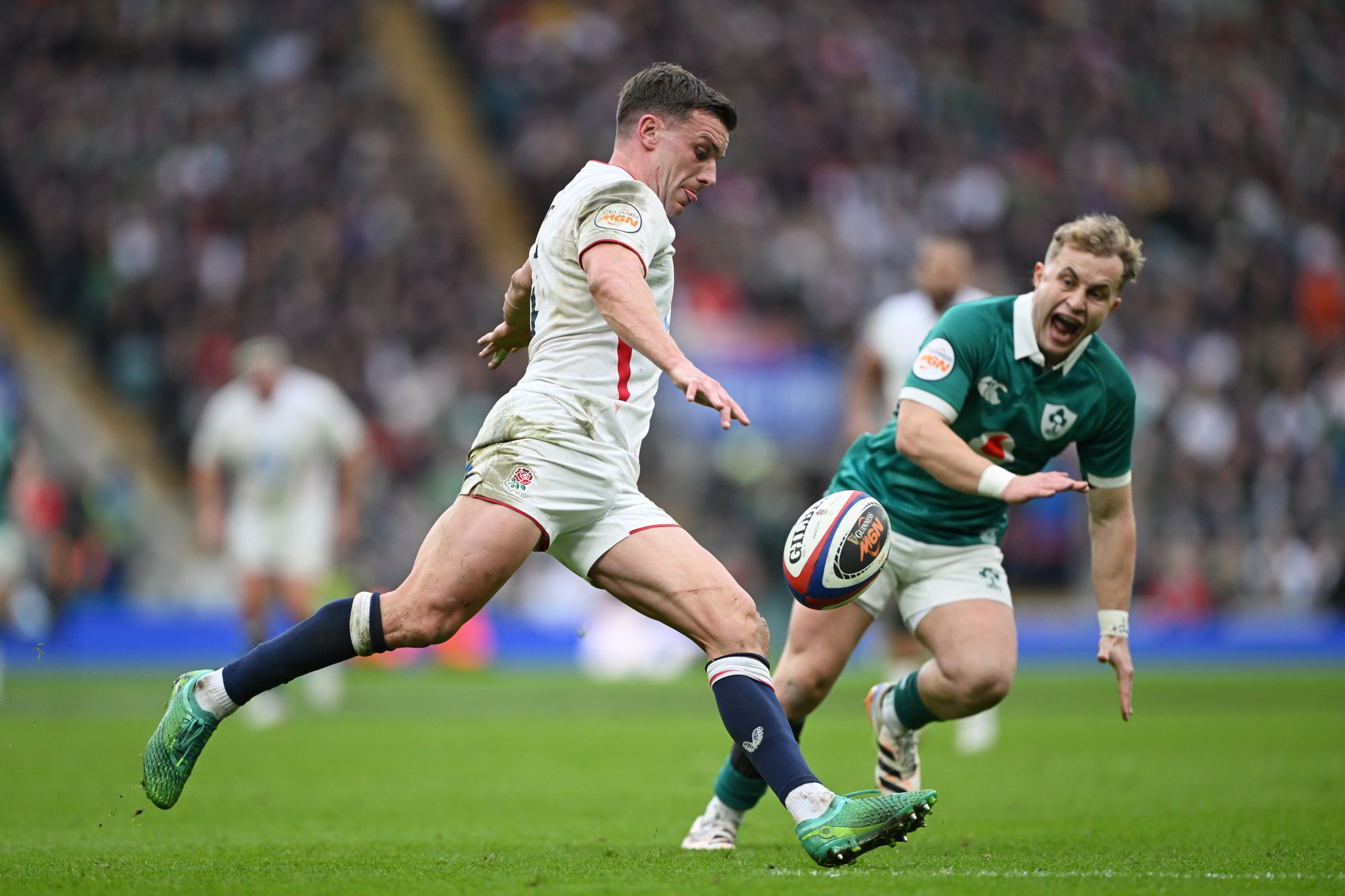
George Ford also struggled for the second week running and, uncharacteristically missed touch from a penalty on two separate occasions. Fin Smith has long been touted as England No 10 of the future and although Borthwick refused to be drawn on dropping Ford for the younger man, the temptation to do so when heading to Rome to face Italy in a fortnight’s time will surely be too strong.
The positivity that came from the thrashing of Wales on the opening weekend, taking the winning streak to 12 matches, feels a long time ago now.
“It’s brutal, professional sport because if you get five per cent wrong it’s gone,” said Genge. “We probably believed the hype from the first week too much. We can’t let the noise in now.”
So what can England do? And what will Borthwick be prepared to do? This defeat has to be a line in the sand but how?
The head coach was keen not to throw the baby out with the bathwater after the Scotland loss and resisted the temptation to make too many changes – opting for just three. The logic was, presumably, not to suggest any panic and give the players who didn’t deliver their best at Murrayfield an opportunity to right that.
He simply cannot afford to take the same approach again – it is time to twist rather than stick once again.
George will surely start ahead of Cowan-Dickie in Rome but, given how impressive the scrum has been, the rest of the front five should remain. Earl has arguably been England’s player of the championship so far and his place will be in no danger but the rest of the back-row spots are open. Will Borthwick diverge from his preferred Underhill-Pepper or Curry-Pollock combinations?
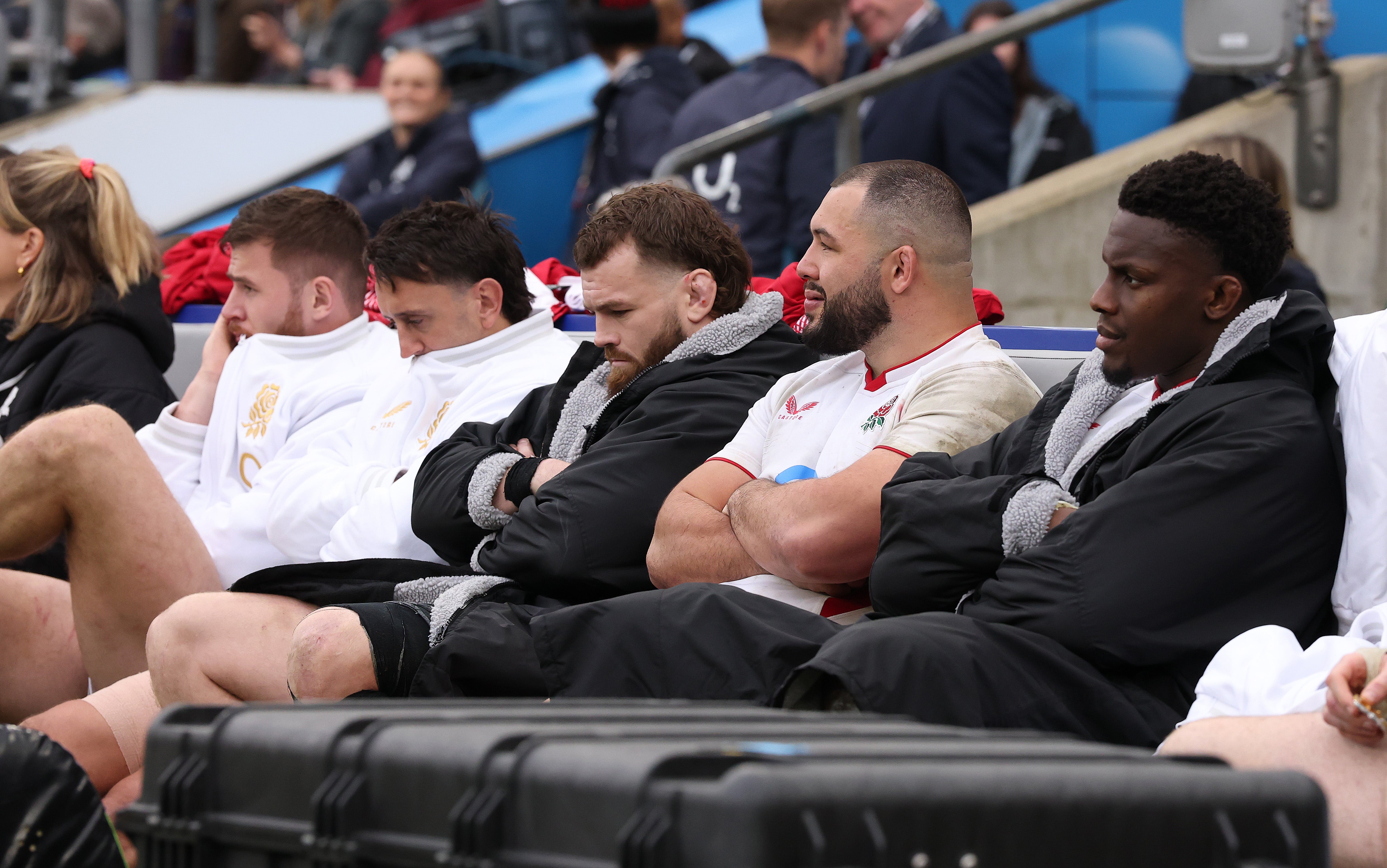
Alex Mitchell went off with a soft-tissue injury after just 23 minutes against Ireland and while there was no immediate diagnosis after the match, a Jack van Poortvliet start may be a necessity.
The Ford-Smith debate will rage over the next two weeks, while the gaping holes that appeared between England’s midfield and wide defenders, which Stuart McCloskey gleefully strode through time and again, were not much of an advert for the Fraser Dingwall-Ollie Lawrence centre partnership. Scotland got round the edge of the England defence, Ireland marched through the middle.
Could Tommy Freeman switch back inside to No 13 and will Max Ojomoh be given a shot? Tom Roebuck will surely return out wide after Borthwick suggested he wasn’t quite ready for three games in a row, while Henry Arundell looks like he may be on borrowed time.
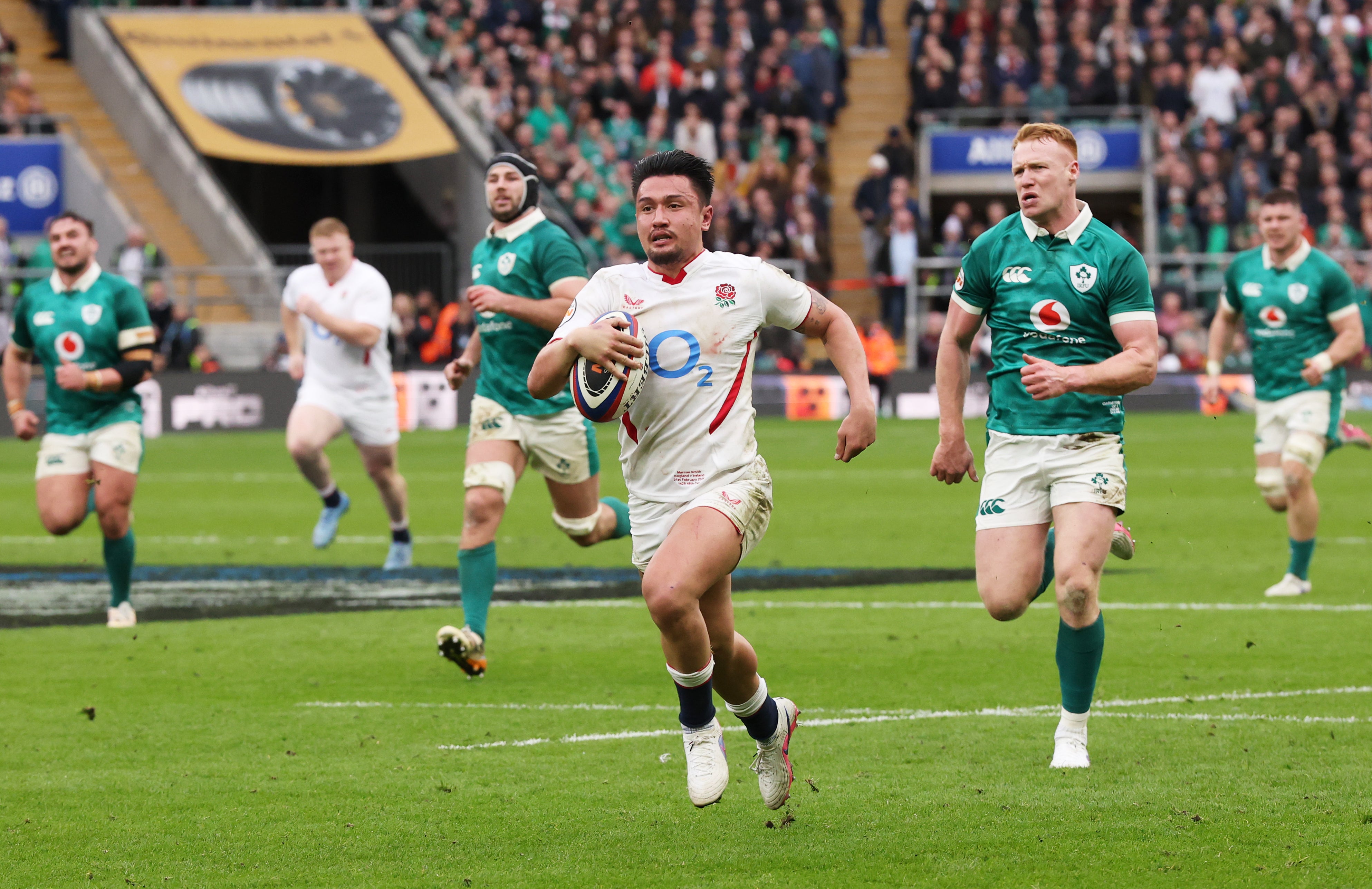
Freddie Steward was hooked before half-time so a full-back switch could also be incoming. Would Borthwick back Marcus Smith in the No 15 jersey from the start? Or perhaps George Furbank will be fit enough to take back the shirt that looked like his for the long term in the not too distant past.
There’s certainly plenty to ponder for the coach ahead of match where Italy will surely smell blood and fancy their chances of a first-ever victory over England.
When asked if he would interrogate his own systems following these back-to-back chastening defeats, Borthwick delivered a curt response. “We do that every day,” he insisted. “That’s the answer. We do that every day.”
That is almost certainly the case but now is the time for those reflections to lead to tangible change – and improvements. Because if two debilitating defeats send up the warning flare, three could yet lead to something truly seismic.
Join our commenting forum
Join thought-provoking conversations, follow other Independent readers and see their replies
Comments
Bookmark popover
Removed from bookmarks