Australia announces royal commission into Bondi shooting after weeks of pressure
Anthony Albanese defends backflipping on demands for royal commission
Australian prime minister Anthony Albanese announced a royal commission into the deadly shooting at Bondi Beach last month, following weeks of mounting pressure to launch the highest form of public inquiry.
The attack, launched by a father and son, targeted a Jewish event and left 15 people dead and dozens wounded.
Mr Albanese told a press conference on Thursday a royal commission was the best way forward in the investigation.
Since the attack in December, the prime minister had been facing growing calls from families of the victims, Jewish community groups, and members of his Labor party to announce a royal commission.
He sidestepped the decision for weeks, arguing that reforms of gun ownership and hate speech laws and measures to tackle antisemitism were the quickest way to go about addressing the issue.
He gave in on Thursday, saying he had taken “the time to reflect” and meet with Jewish community groups.
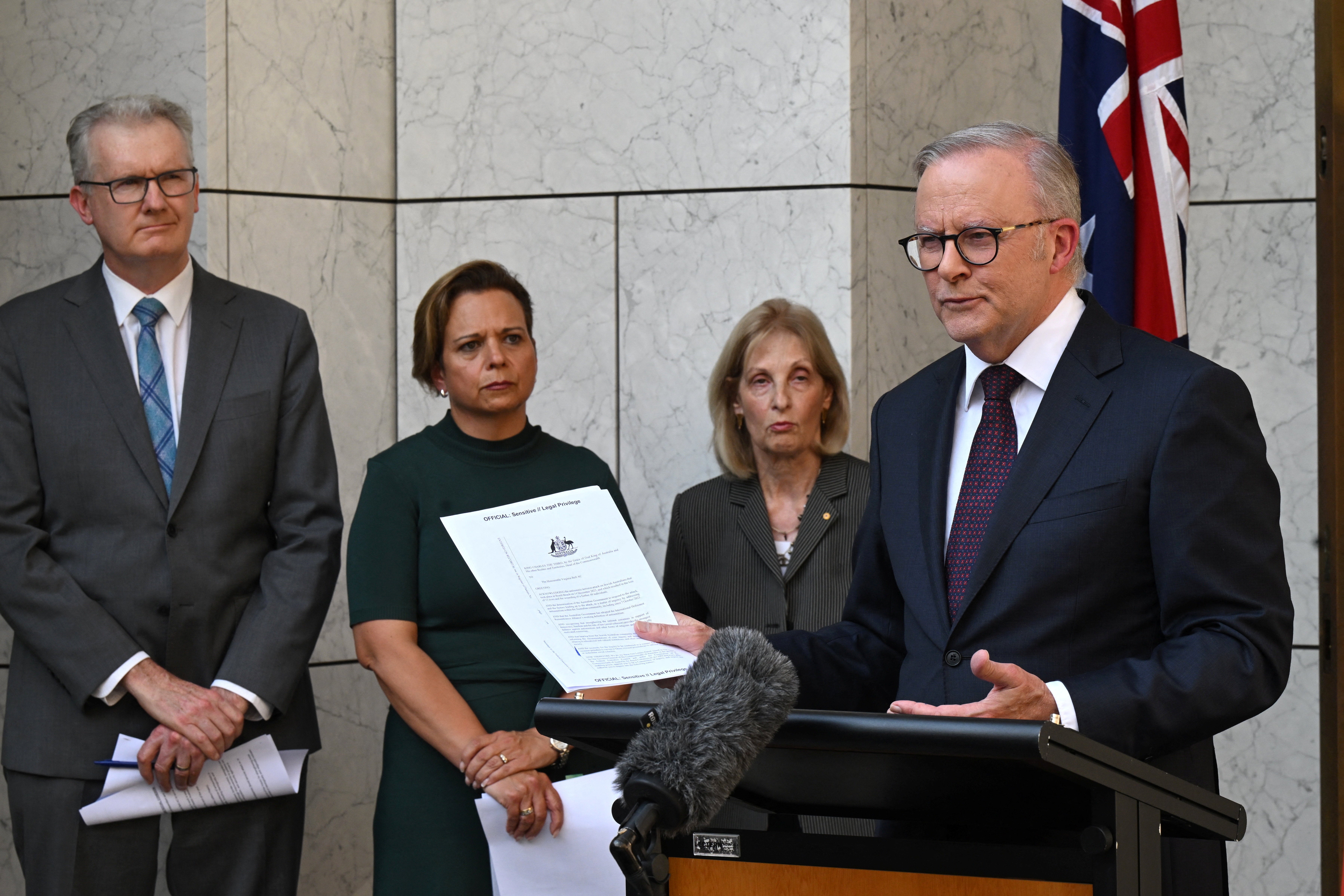
The commission will be led by former High Court judge Virginia Bell, Mr Albanese told reporters in Canberra. She will present a report by December 2026 and “this won't be a drawn-out process”, he added.
Mr Albanese had earlier noted that a royal commission inquiry was a lengthy process that had taken years previously.
The commission will investigate the nature and prevalence of antisemitism in the country, make recommendations about how law enforcement should respond to antisemitism, examine the circumstances of the attack, and propose measures to strengthen social cohesion.
Following Mr Albanese’s announcement, the New South Wales government said it was proceeding with its plan to establish a state-based royal commission into the attack.
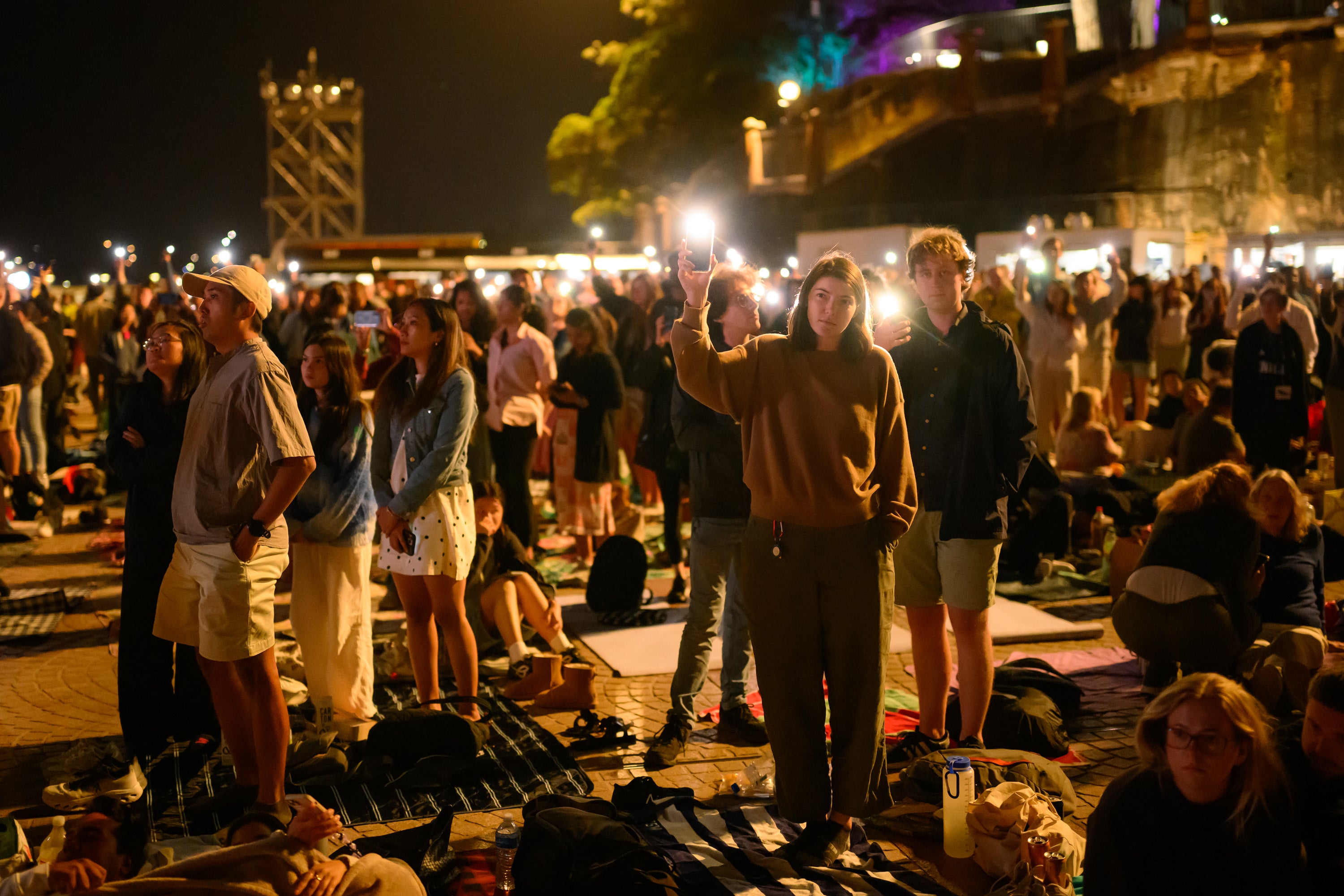
Premier Chris Minns said the state would "fully cooperate" with the federal inquiry.
“We will continue to work closely with the Jewish community on matters arising from the Bondi terrorist attack and remain open to further inquiries that focus on the NSW government responses," Mr Minns said.
The national representative body of the Jewish community in Australia said it was a moment of “relief” for their people.
Daniel Aghion, president of the Executive Council of Australian Jewry, said they had been calling for an investigation into antisemitism for years. “Our expectation is that when you look at the prevalence of antisemitism and the circumstances leading up to Bondi, you must look at how we got to where we are. That means we've got to look at the...disturbing escalation of antisemitism over the last two years," he said.
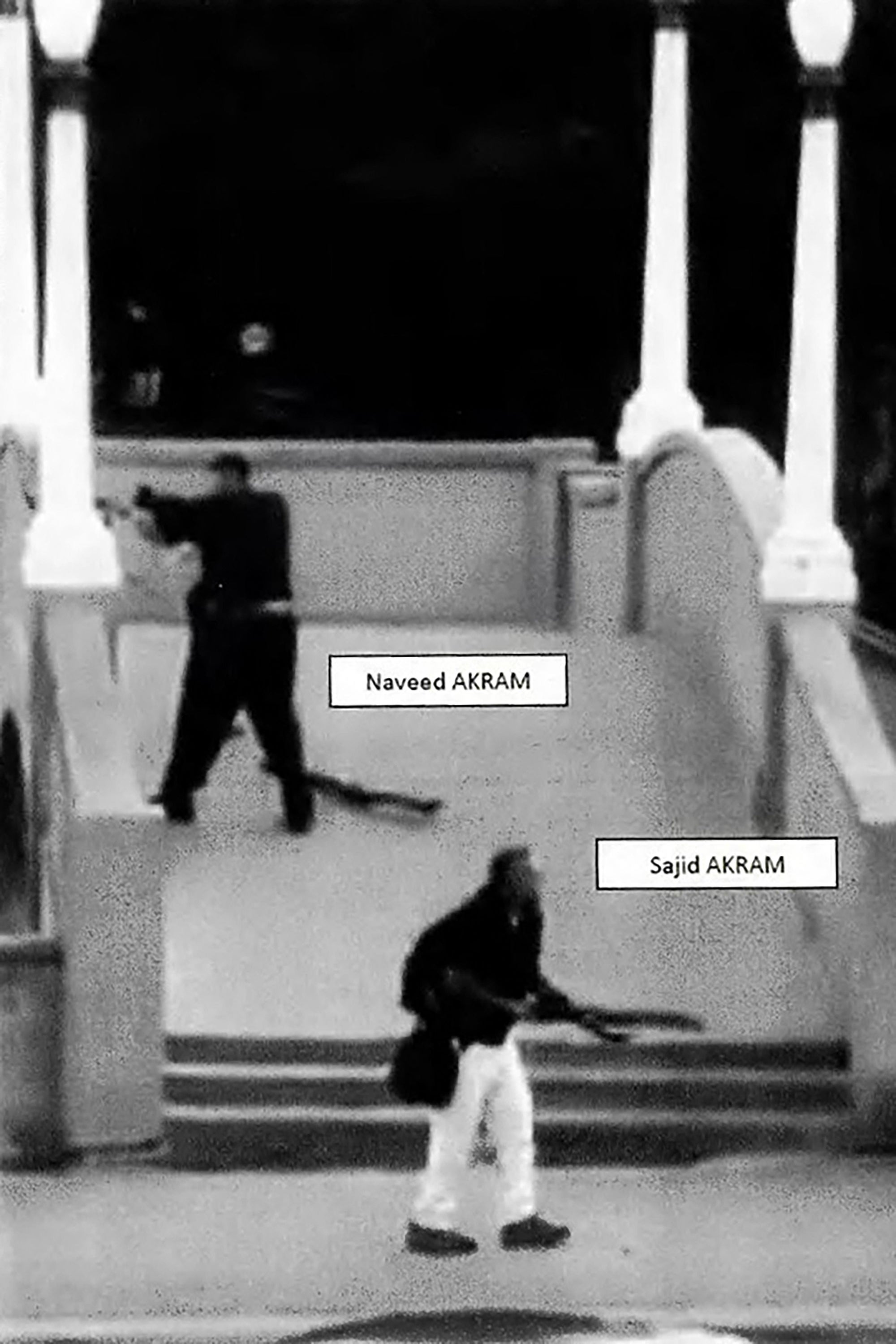
Mr Albanese confirmed that the commission would have a national focus and involve people outside of New South Wales.
“This was an antisemitic terrorist attack, aimed at Jewish Australians, inspired by ISIS, the deadliest that has ever occurred on Australian soil," said Mr Albanese, referring to the Islamic State group.
The surviving suspect, Naveed Akram, 24, faces dozens of criminal charges including murder and terrorism.
He is yet to enter a plea. His father, Sajid Akram, was shot dead by police during the attack.
Mr Albanese had already launched an investigation into Australia's security and law enforcement agencies after the shooting, which he said would now become a part of the royal commission.
The prime minister also plans to enact a legislative agenda in response to the attack that includes tightening Australia's already stringent gun laws and criminalising the words of so-called “hate preachers” that his government says frequently fall below the bar for prosecution.
Bookmark popover
Removed from bookmarks