Trump officials have met with Canadian separatist group that wants to break off from rest of country, report says
The group says it has met with ‘very, very senior people,’ according to the report
Trump administration officials have reportedly held several secret meetings with far-right Canadian separatists who want to break free from the rest of the country.
U.S. officials met with leaders of the Alberta Prosperity Project, a fringe right-wing group of separatists who want the oil-rich western province to become independent, three times in Washington since last April, sources told the Financial Times.
News of the stealthy meetings comes at a time of especially high tensions between the U.S. and its northern neighbor. During a speech in Davos at the World Economic Forum, Canadian Prime Minister Mark Carney spoke of a “rupture” in the world order, in what appeared to be a veiled attack on the trade and foreign policies of President Donald Trump – but without mentioning him by name.
Current tensions have only helped the separatists, who are trying to capitalize on the friction, according to the report.
“The U.S. is extremely enthusiastic about a free and independent Alberta,” the group’s legal counsel, Jeff Rath, told the FT after attending the meetings.
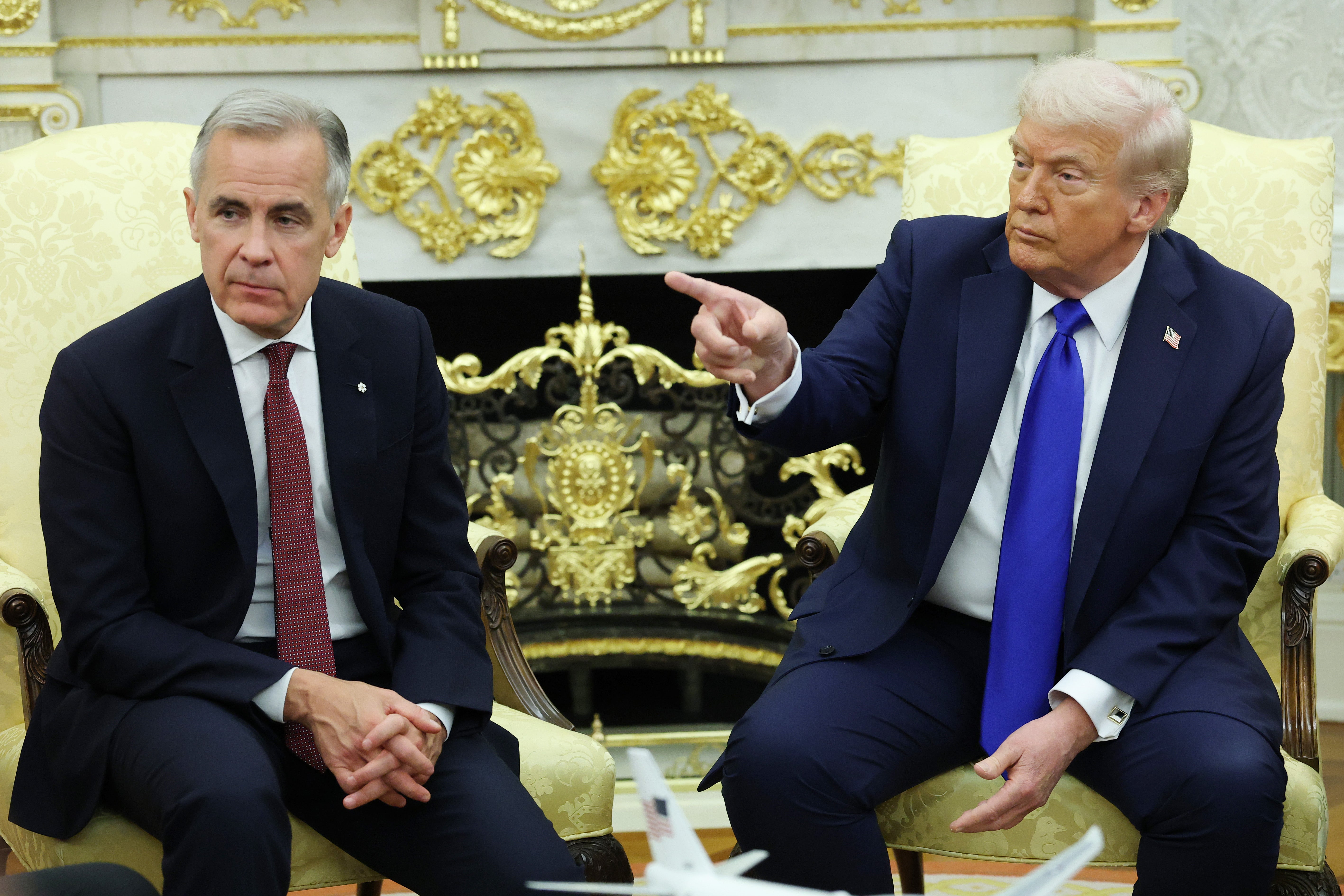
“We’re meeting very, very senior people leaving our meetings to go directly to the Oval Office,” he claimed.
The group hopes to have another meeting in Washington next month to ask for a $500 billion credit facility, which would help fund the province if an independence referendum passes. However, a referendum has not yet been called.
Both the White House and State Department told the FT that no commitments were made to the group during these meetings.
“Administration officials meet with a number of civil society groups. No such support, or any other commitments, was conveyed,” a White House spokesperson said.
A person familiar with Treasury Secretary Scott Bessent’s thinking told the outlet that he and his team were unaware of any credit facility request, and did not plan to engage on the issue.
Carlo Dade, Director of International Policy at the School of Public Policy at the University of Calgary, reportedly described the separatist group as “attention seekers.”
“The Americans are more than happy to continue to play Canadians off each other,” Dade said.
News of the meetings comes after Bessent sparked excitement amongst Alberta separatists last week when he described the oil-rich province as “a natural partner for the U.S.” during an interview with right-wing streaming channel Real America’s Voice.
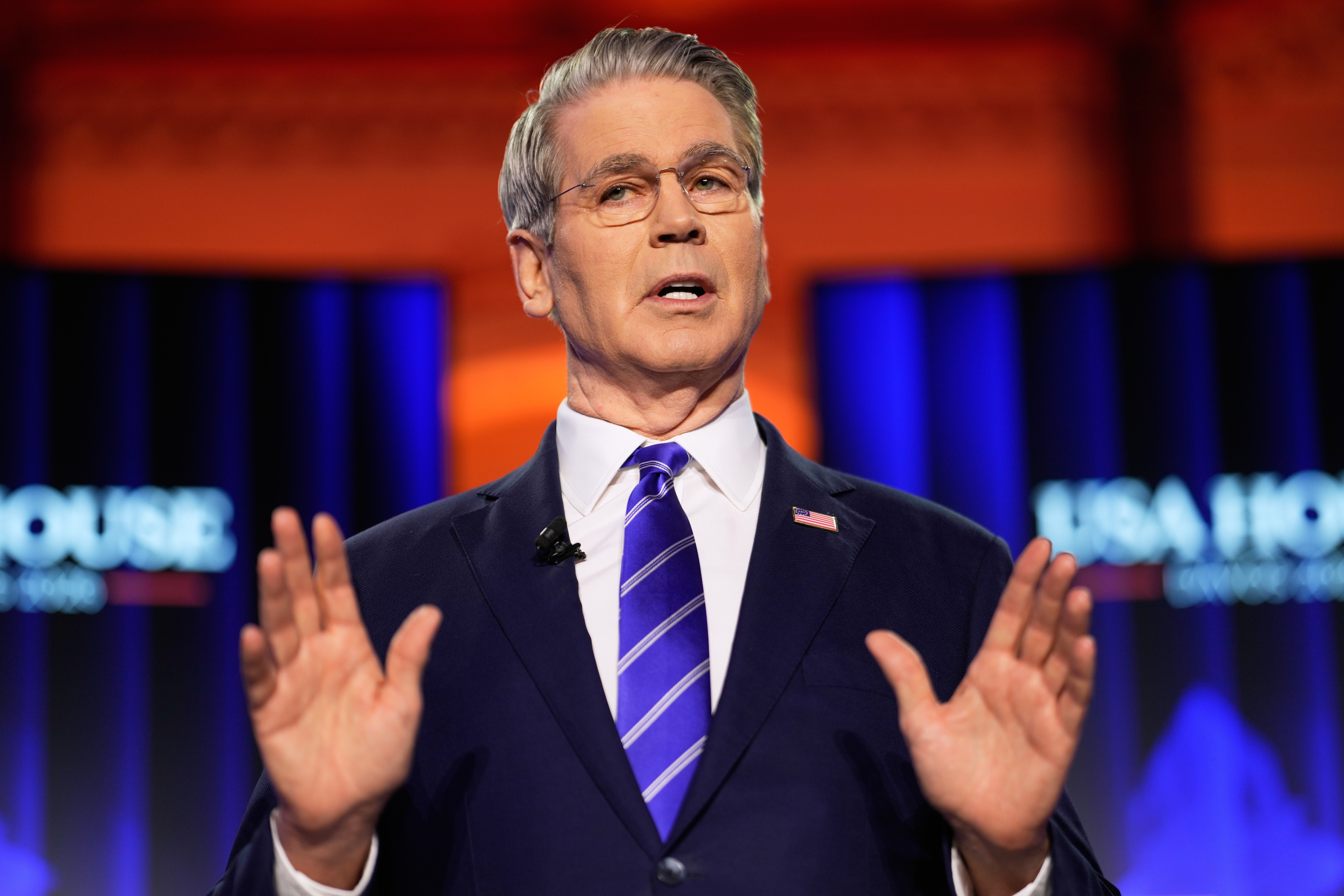
“The Albertans are very independent people,” Bessent said. “[There is a] rumor that they may have a referendum on whether they want to stay in Canada or not.”
The Alberta Prosperity Project is looking to get 177,000 signatures to bring an independence petition to the legislature before May. The group declined to say how many signatures it currently has.
“The overwhelming majority of Albertans are not interested in becoming a U.S. state,” a spokesperson for Alberta’s premier Danielle Smith.
Meanwhile, an Alberta Forever Canada counter-petition opposing independence received 438,568 signatures by a deadline last year.
Tensions have been high between the U.S. and Canada in recent months. Last weekend, Trump threatened to impose a 100 percent tariff on goods imported from Canada if the country went ahead with a trade deal with Beijing, even as Carney has said Canada has no interest in negotiating a comprehensive deal with Beijing.
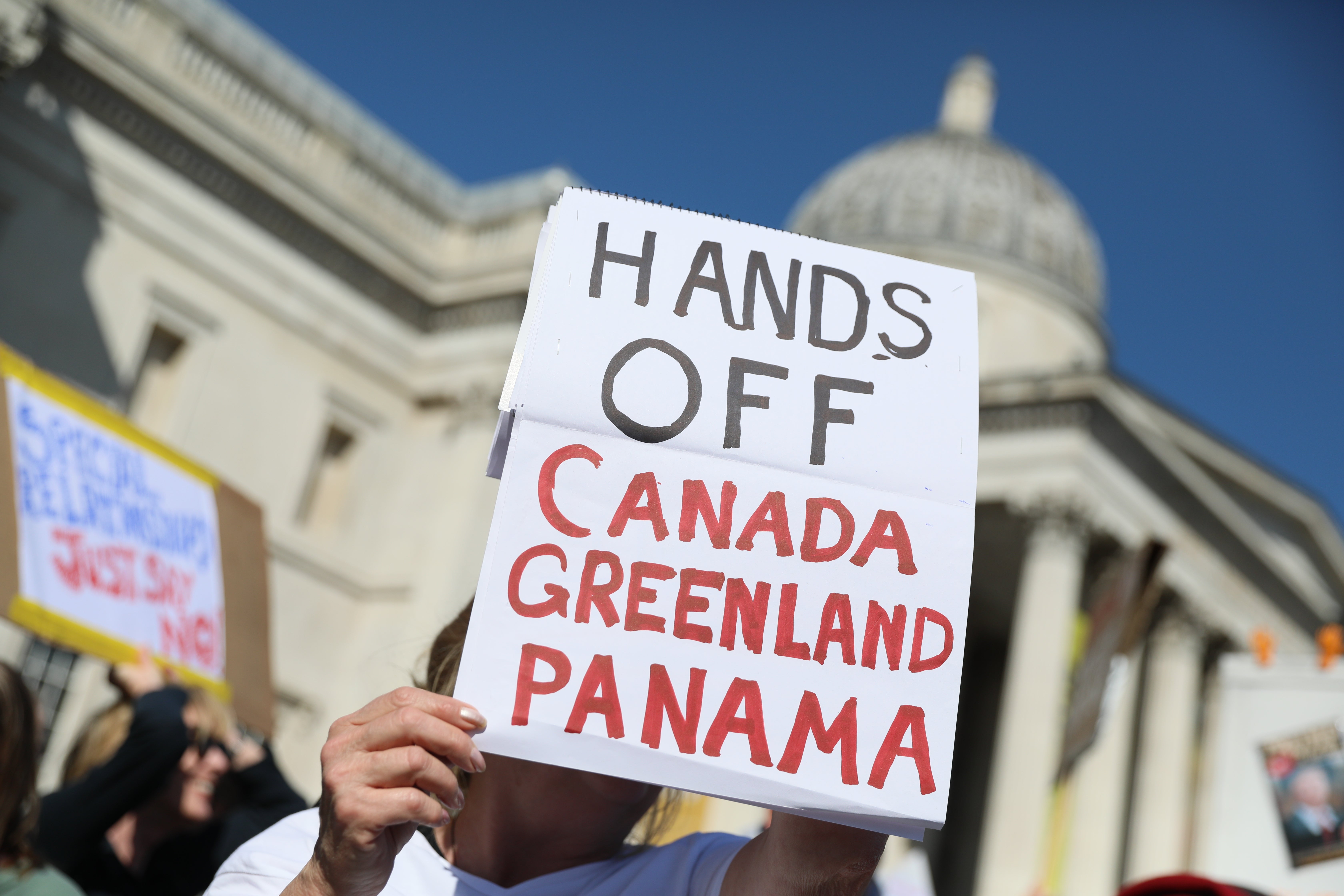
Trump’s push to acquire Greenland, which is a semi-autonomous territory of Denmark, alarmed Canada, which shares a 1,864-mile maritime border with the territory. The president has also repeatedly needled Canada over its sovereignty, suggesting that it become the 51st state of the United States.
He also shared an AI-generated image on social media last week showing a map of the U.S. that included Canada, Venezuela, Greenland and Cuba as part of U.S. territory.
Meanwhile, on Tuesday, the U.S. said it may change its decades-old North American Aerospace Defense Command deal with Canada, should its government backtrack on the purchase of 88 Lockheed Martin F-35 fighter jets.
The U.S. Ambassador to Canada, Pete Hoekstra, warned that if Canada bought fewer fighter jets, the U.S. would “fill those gaps” in security concerns.
That could mean the U.S. would need to purchase more F-35 fighter jets for its own use and use them to intervene in Canadian airspace more frequently.
Under the current NORAD agreement, the U.S. and Canada can operate in each other’s airspace to track or intercept threats. However, Hoekstra suggested U.S. intervention would go even further, should the fighter jet deal change, ultimately requiring new terms to the Cold War-era agreement.
Hoekstra’s comments come months after the Canadian government indicated it was “reviewing” the terms of the fighter jet deal after finding the program to be costlier than expected.
Join our commenting forum
Join thought-provoking conversations, follow other Independent readers and see their replies
Comments
Bookmark popover
Removed from bookmarks