ICE is using Border Patrol mobile facial recognition technology to speed up arrests
The tool has been used more than 100,000 times so far, according to a new report
Immigration and Customs Enforcement officers are deploying mobile facial recognition technology to speed up arrests amid President Donald Trump’s immigration crackdown, according to a new report.
In recent months, ICE personnel have used a government-created app called Mobile Fortify in order to ascertain the identity of potential detainees, The Wall Street Journal reported.
It’s been hailed as a powerful new tool by administration officials, while privacy advocates and Democratic lawmakers have decried it as a form of unchecked government overreach.
The app allows agents to snap a photo of a suspect’s face with their phone and quickly pull up the person’s name, location, social media history — and sometimes their immigration status.
“Mobile Fortify is a lawful law-enforcement tool developed under the Trump Administration to support accurate identity and immigration-status verification during enforcement operations,” a spokeswoman for the Department of Homeland Security, ICE’s parent agency, said in a statement.
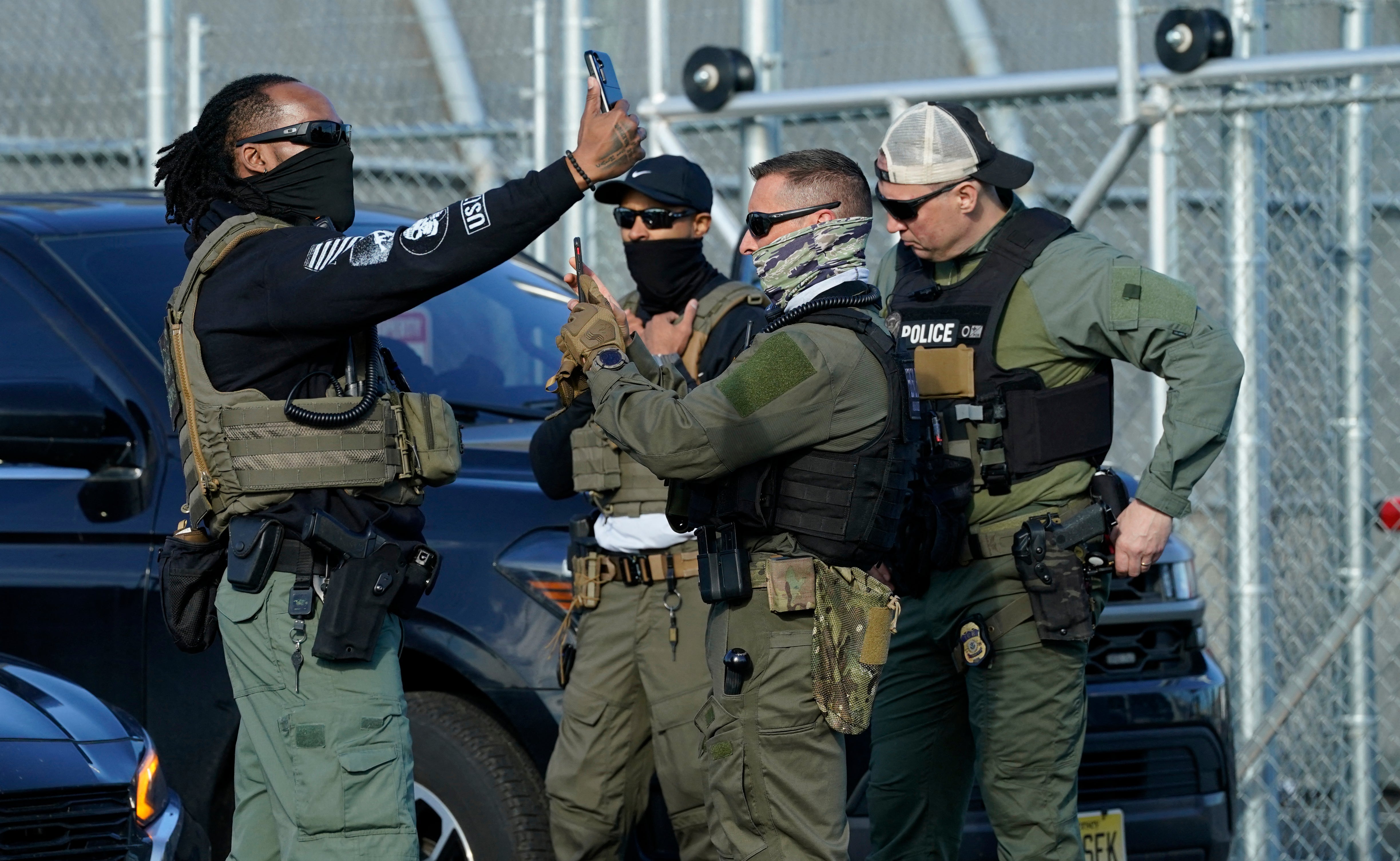
Agency officials said that the app has been used over 100,000 times so far, helping speed up arrests and leading to fewer instances of people with legal status being detained.
Mobile Fortify was developed by U.S. Customs and Border Protection during President Joe Biden’s term, adapting technology already in use at U.S. ports of entry. Initially, it was only used by Border Patrol agents operating near the southern border.
But its use has expanded under Trump, who has vowed to undertake the largest deportation program in American history. And, now that Congress has allocated an additional $75 billion to ICE — making it the most-funded law enforcement agency in the nation — it has the bandwidth to experiment with and broadly implement new technologies.
The Journal noted that, in recent months, ICE has also moved forward with a contract for a technological tool that can be used to scan a person’s eyes, and hired AI companies to find immigrants.
“President Trump’s core promise to the American people was to remove criminal and public-safety threats in large numbers, and these technologies provide federal law enforcement tools to make that challenge more manageable,” Chad Wolf, chairman of homeland security and immigration at the America First Policy Institute and a former acting Homeland Security secretary during Trump’s first term, said.
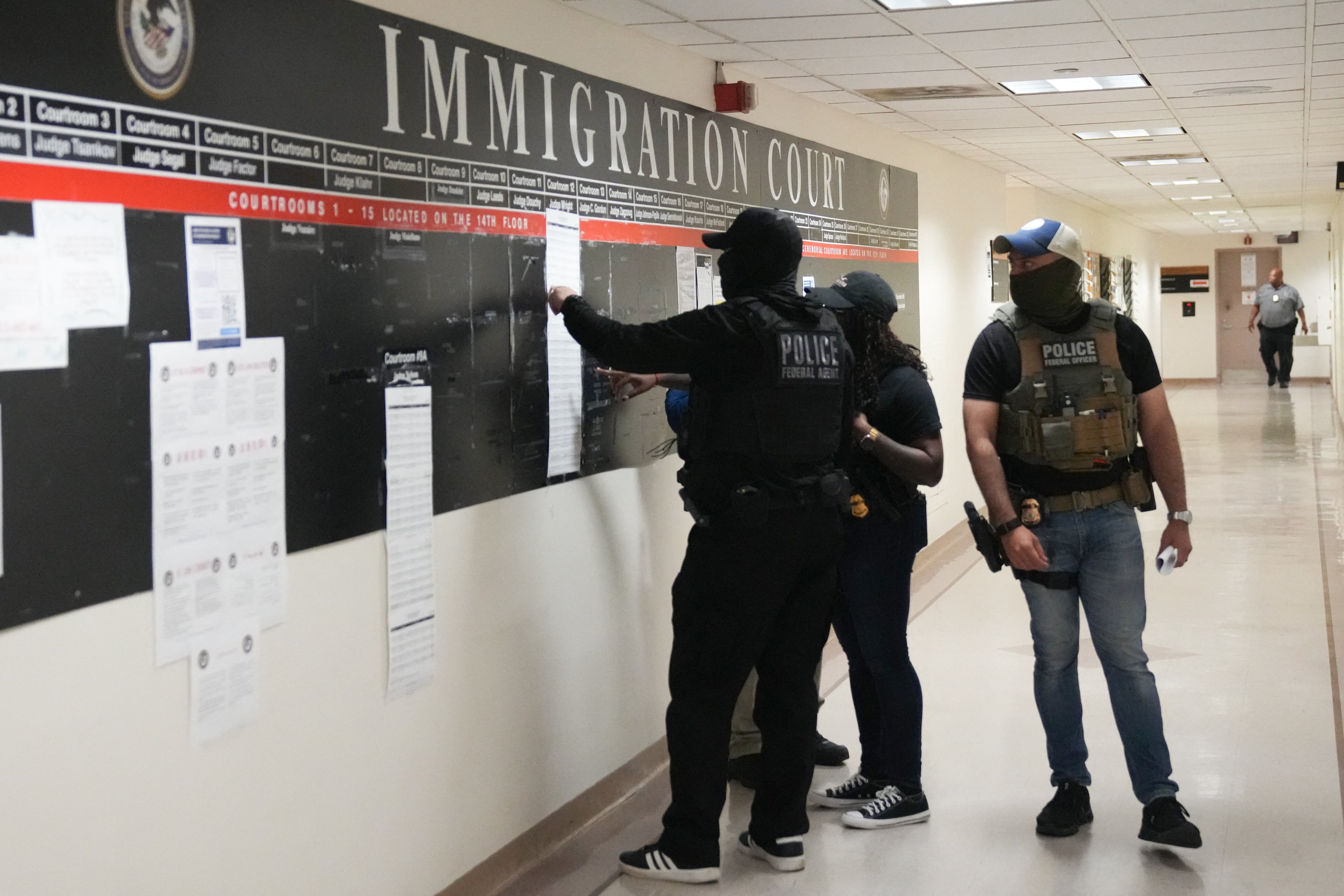
A Journal reporter witnessed the app in action during a July enforcement operation in Lake Worth, Florida.
ICE officers took photos of two men from Guatemala who had been stopped by a state trooper. Mobile Fortify indicated that one of the men had been handed a notice to appear in court.
“We have a new app—it’s facial recognition,” the officer said. “If they’ve ever been arrested before and we have their photo in one of our databases…we’ll get a hit.”
The app has access to multiple criminal databases as well as publicly available information, such as an individual’s social media activity.
A DHS spokesperson said that the app does not “access open-source material, scrape social media or rely on publicly available data,” adding that “its use is governed by established legal authorities and formal privacy oversight, which set strict limits on data access, use, and retention.”

Privacy advocates, however, warn that the technology’s broad use could enable mass data collection without proper oversight.
“It can be used to point at people in the street, people in cars, and scan their facial prints without their consent,” Kate Voigt, a senior policy counsel at the American Civil Liberties Union, told the newspaper.
“The Mobile Fortify program represents a dangerous expansion in the government use of face recognition in American life and would fundamentally reorient the relationship between the authorities and individuals in this country if it is allowed to continue,” Jay Stanley, an ACLU senior policy analyst wrote in November. “It must not be.”
A DHS spokeswoman pushed back against this concern, stating that the app is “lawfully used nationwide in accordance with all applicable legal authorities.”
Democratic members of Congress have also taken issue with ICE’s use of Mobile Fortify. In November, Senators Ed Markey, Chris Van Hollen, Bernie Sanders and Adam Schiff demanded that the agency stop using the app, claiming it “creates serious privacy and civil liberties risks.”
In the past, similar tools have also triggered controversy.
During Biden’s term, migrants seeking to enter the country lawfully were asked to make appointments using an app called CBP One, which mandated that they upload a photo of themselves.
Immigration advocates and some attorneys complained that the app often failed to recognize people with darker skin tones, with Haitian migrants, in particular, finding it difficult to use.
According to a December AP-NORC poll, 38 percent of Americans approve of Trump’s handling of immigration, down from 49 percent in March.
Join our commenting forum
Join thought-provoking conversations, follow other Independent readers and see their replies
Comments
Bookmark popover
Removed from bookmarks