FBI refuses to share evidence about Alex Pretti’s killing at hands of fed agents with Minnesota investigators
Officials warn against Justice Department’s ‘concerning and unprecedented’ refusal to support local authorities
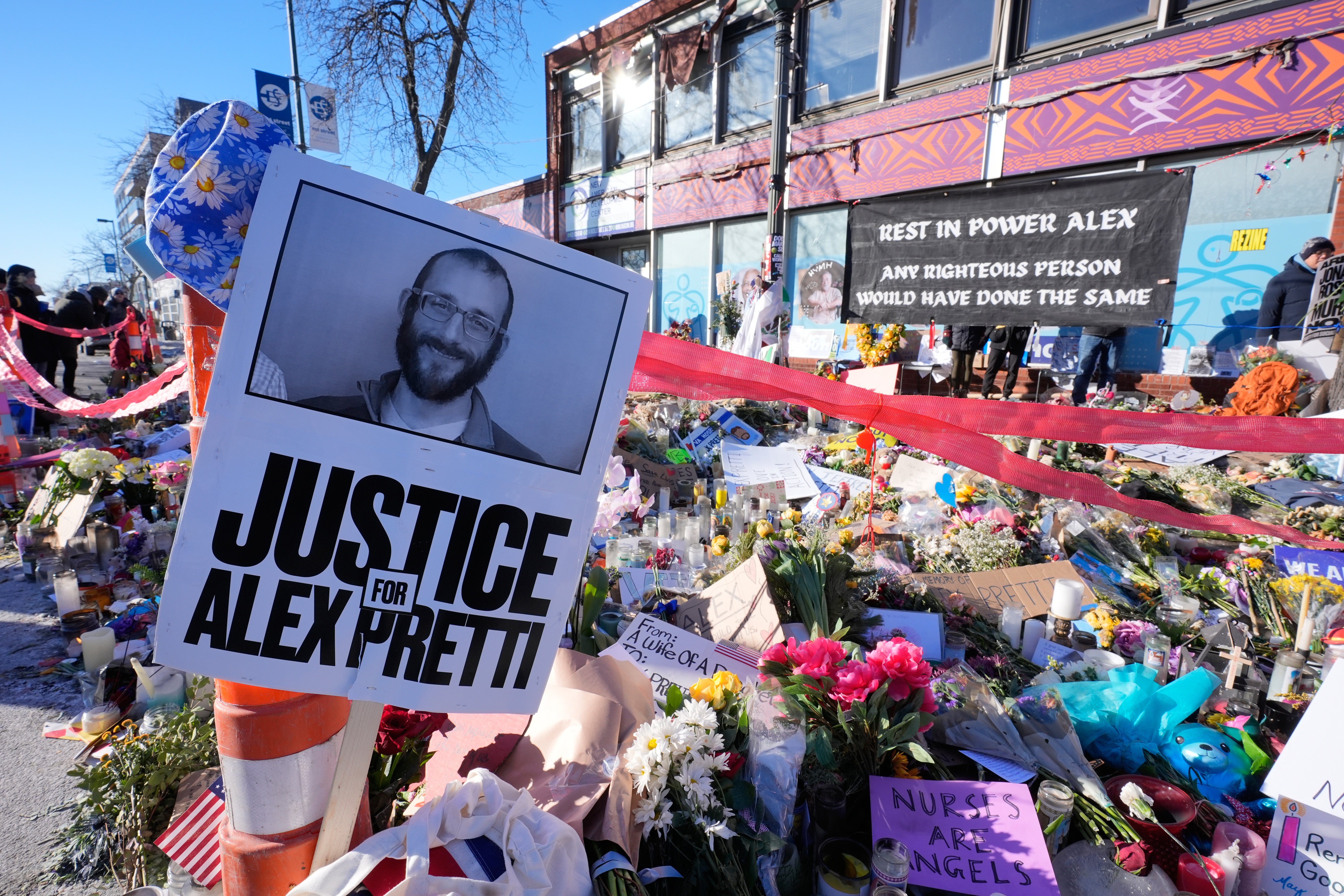
The FBI will not share information with Minnesota authorities investigating the killing of Alex Pretti, who was fatally shot by federal officers during the Trump administration’s surge into Minneapolis last month.
The Minnesota Bureau of Criminal Apprehension said Monday it formally received notice from the bureau that it will not provide the state agency with “access to any information or evidence that it has collected” in connection with Pretti’s death.
“While this lack of cooperation is concerning and unprecedented, the BCA is committed to thorough, independent and transparent investigations of these incidents, even if hampered by a lack of access to key information and evidence,” Superintendent Drew Evans said in a statement.
“Our agency has committed to the FBI and Department of Justice that should its stance change we remain willing to share information that we have obtained with that agency and would welcome a joint investigation,” he added. “We will continue to pursue all legal avenues to gain access to relevant information and evidence.”
The FBI’s decision to withhold evidence from Minnesota authorities follows a similar decision in the case of Renee Good, another Minnesota resident who was fatally shot by an Immigration and Customs Enforcement officer last month.
A spokesperson for the FBI declined to comment but referred The Independent to remarks from Deputy Attorney General Todd Blanche, who previously announced that the Department of Justice had opened a “standard” investigation into the case.
Hours after the Pretti’s killing, Minnesota law enforcement agencies sued to block Homeland Security officials from destroying or altering any evidence from the scene, and a federal judge appointed by Donald Trump granted the order later that night.
But earlier this month, the judge said inflammatory statements by top administration officials and a potentially compromised crime scene were not enough to block federal law enforcement agencies from handling evidence, for now.
Though the administration has repeatedly rebuffed attempts for local authorities to investigate the killings, the Justice Department has opened a federal civil rights investigation into Pretti’s death. Blanche has sought to downplay the Justice Department’s inquiry, describing it as a “standard investigation by the FBI.”
Homeland Security is separately reviewing the case.
Administration officials “decided the day Mr. Pretti was killed that the federal officers who shot him did nothing wrong,” District Judge Eric C. Tostrud, a Trump-appointee, wrote this month.
On X, White House deputy chief of staff for policy Stephen Miller baselessly labeled Pretti a “domestic terrorist” who “tried to assassinate federal law enforcement.” Homeland Security Secretary Kristi Noem said Pretti “committed an act of domestic terrorism” and intended to “inflict maximum damage on individuals and to kill law enforcement.”
“These statements are troubling,” Tostrud wrote. “They reflect, not a genuine interest in learning the truth, but snap judgments informed by speculation and motivated by political partisanship.”
Miller later claimed that the statements were based on reports from Customs and Border Protection personnel “on the ground.”
Last week, Trump administration’s top immigration enforcement officials testified that such characterizations did not come from them or anyone who reports to them.
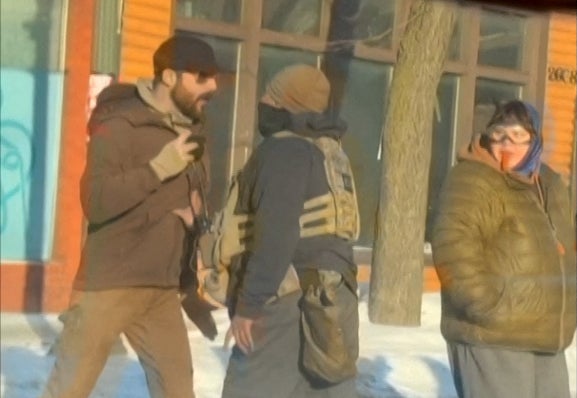
Hennepin County Attorney Mary Moriarty has also demanded evidence in the killings of Pretti and Good from Homeland Security and the Department of Justice, and the state has launched a website to collect evidence from the public.
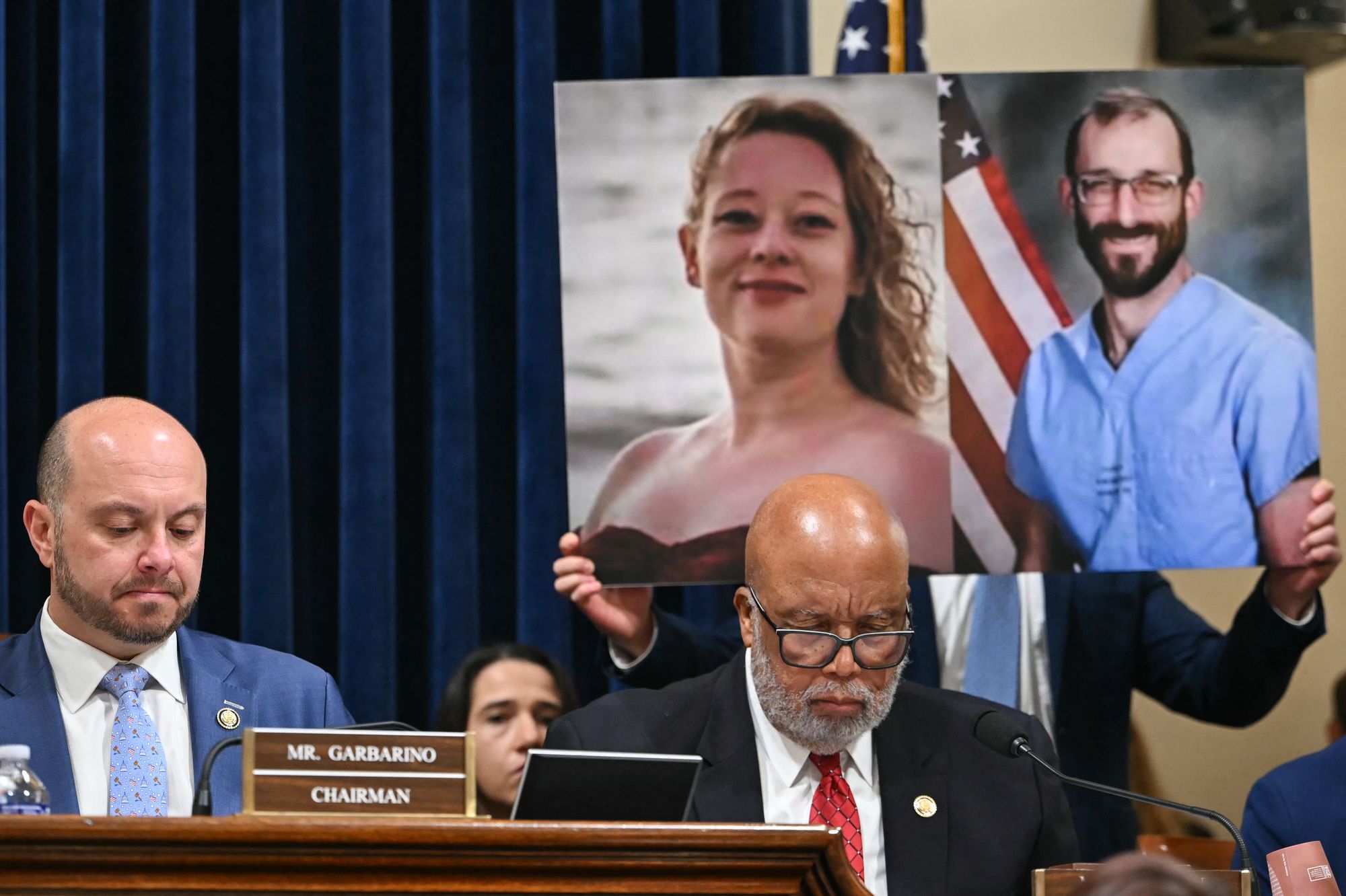
Pretti’s family, meanwhile, has urged the FBI and Minnesota authorities to jointly investigate the death of the 37-year-old intensive care unit nurse.
“Justice and accountability requires a thorough and impartial investigation to establish the facts,” the family said in a statement. “A truly joint state and federal investigation would be a welcome development.”
An initial investigation into Pretti’s killing was led by Homeland Security Investigations, the agency’s investigative arm, which is required to “preserve all evidence collected, including physical evidence collected by other federal entities, which are then properly transferred” to homeland custody, according to a sworn declaration in court documents from Mark Zito, the agency’s Special Agent in Charge for the St. Paul office.
All evidence was “collected and transported back to the FBI Minneapolis Field Office,” according to a sworn statement from an FBI official whose name is redacted in court filings.
That evidence includes body-worn camera footage, which has been “preserved,” according to Jeffrey Egerton, the executive director for the Investigative Operations Directorate within Customs and Border Protection’s Office of Professional Responsibility.
“There’s a lot of other video, there’s body-cam video that’s all being looked at, and until all that evidence is evaluated, I can’t jump to a conclusion” about the case, Customs and Border Protection commissioner Rodney Scott testified to the Senate Homeland Security committee last week.
“I would ask America to do the same thing, but I am committed to transparency, to making sure all the information we have is made public when it’s appropriate,” he said.
Border Patrol agents were filmed shooting 10 rounds at Pretti after tackling him to the ground January 24, two weeks after an ICE officer fatally shot Good.
Their deaths have fueled outrage against the Trump administration’s weeks-long surge of immigration officers into Minnesota, where agents have been accused of brutally targeting immigrants and citizens alike during protests and violent arrests.
White House border czar Tom Homan, who was deployed to the state in the wake of Pretti’s killing and the apparent removal of Border Patrol “commander-at-large” Greg Bovino, announced last week that “a small footprint of personnel” will remain in the state to supervise the transfer of “full command and control” of immigration enforcement back to the ICE field office in Minneapolis.
Join our commenting forum
Join thought-provoking conversations, follow other Independent readers and see their replies
Comments
Bookmark popover
Removed from bookmarks