Trump-appointed judge rips Stephen Miller for ‘troubling’ statements about Alex Pretti in shooting evidence ruling
Federal judge slams administration’s ‘snap judgments’ but ends his court order blocking DHS from handling evidence
A federal judge appointed by Donald Trump scolded top administration officials for their “troubling” statements about Alex Pretti in the immediate aftermath of his fatal shooting by two federal immigration officers in Minneapolis.
But, Minnesota District Judge Eric C. Tostrud said inflammatory statements and a potentially compromised crime scene are not enough to block federal law enforcement agencies from handling evidence, for now.
Hours after last month’s shooting, Minnesota officials sued to block Homeland Security from “destroying or altering” any evidence, and Tostrud granted a temporary restraining order later that night.
His order on Monday night dissolves the order, but with reservations.
Officers appeared to mishandle Pretti’s alleged firearm, which the president and administration officials posted to social media shortly after he was killed, and comments from Miller and Homeland Security officials were politically motivated “snap judgments,” the judge wrote.
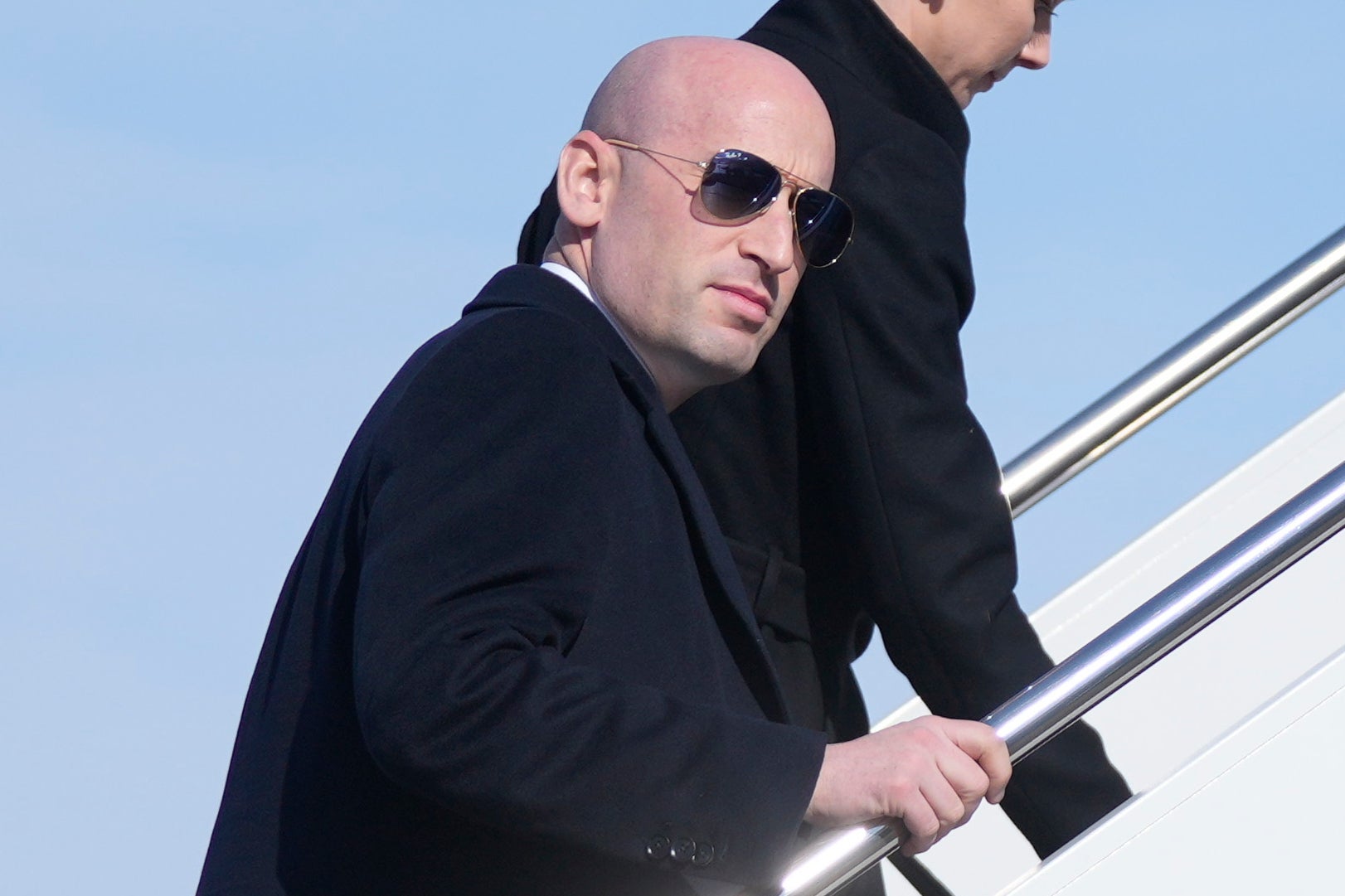
Following the shooting, administration officials “decided the day Mr. Pretti was killed that the federal officers who shot him did nothing wrong,” Tostrud wrote.
On X, Miller baselessly labeled Pretti a “domestic terrorist” who “tried to assassinate federal law enforcement.” A post on X from Homeland Security said Pretti’s death “looks like a situation where an individual wanted to do maximum damage and massacre law enforcement,” later echoed by Secretary Kristi Noem.
“These statements are troubling,” Tostrud wrote. “They reflect, not a genuine interest in learning the truth, but snap judgments informed by speculation and motivated by political partisanship.”
But Minnesota law enforcement agencies who sued to block DHS from handling the case did not show that those statements reflect any “intent to destroy or spoliate evidence related to the investigation,” according to the judge.
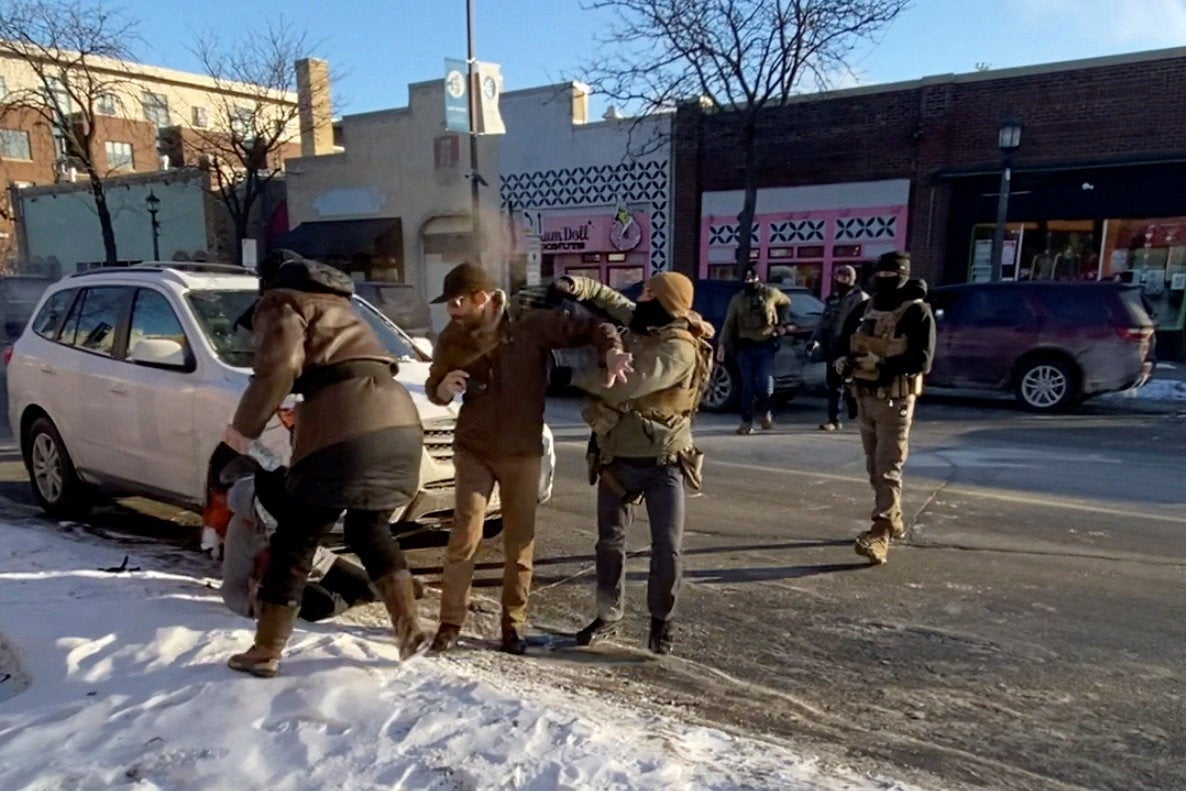
Tostrud also said some evidence was likely damaged or lost in the immediate aftermath when state and local law enforcement were blocked from the scene.
But the judge attributed any potentially compromised evidence to a “volatile” crowd that “overran” the scene.
“The record here shows the loss or spoliation more likely resulted from exigent circumstances, not from Defendants’ substandard evidence-gathering or preservation activities,” he wrote.
Any concerns about officers’ “mishandling” of a firearm recovered from the scene “do not weigh substantially in favor of a broader preservation order,” according to the judge.
“Without knowing more, it is difficult to determine whether Defendants’ mishandling of the firearm might show that further spoliation or other evidence-preservation misbehaviors are likely,” he added.
The initial investigation was led Homeland Security Investigations, which is required to “preserve all evidence collected, including physical evidence collected by other federal entities, which are then properly transferred” to homeland custody, according to a sworn declaration from Mark Zito, the agency’s Special Agent in Charge for the St. Paul office.
All evidence “was collected and transported back to the FBI Minneapolis Field Office,” according to a sworn statement from an FBI official whose name is redacted in court filings.
That evidence includes body-worn camera footage, which has been “preserved,” according to Jeffrey Egerton, the executive director for the Investigative Operations Directorate within Customs and Border Protection’s Office of Professional Responsibility.
Last week, the Department of Justice announced it was opening a federal civil rights investigation into the shooting, which will remain separate from Homeland Security’s internal probe.
The Justice Department declined to investigate an Immigration and Customs Enforcement officer’s shooting of Renee Good, who was killed January 7.
On Monday, the Hennepin County Attorney’s Office submitted formal demands for evidence as part of its investigation into Good’s killing, including firearms and spent casings, videos, medical records and other documents.
The government was given a deadline of February 17 to respond.
“I expect the federal government to provide the requested information, documents and physical items to our office,” Hennepin County Attorney Mary Moriarty said in a statement Monday. “The federal government has been clear that they are not conducting an investigation into Renee Good’s death. But we are.”
During a hearing last week, Assistant U.S. Attorney Friedrich Siekert said that any state requests for evidence in a potential criminal investigation against the agents who opened fire on Pretti would only be available through standard public records requests — and only after “the conclusion of all federal matters.”
Join our commenting forum
Join thought-provoking conversations, follow other Independent readers and see their replies
Comments
Bookmark popover
Removed from bookmarks