Why Trump snubbed Venezuela opposition leader Machado after she beat him to Nobel Peace Prize
A White House source said Machado would be president of Venezuela if she had turned down the Nobel Peace Prize in favor of Trump
Venezuelan opposition leader Maria Corina Machado has spent months trying to gain Donald Trump’s favor - but the U.S. president looks set to leave her in the lurch.
Machado, who led a successful election campaign against deposed Venezuelan leader Nicolas Maduro in 2024 despite being barred from holding public office, has often been touted as the leader with the greatest popular legitimacy to lead the South American country.
But Trump, who was beaten by Machado to the Nobel Peace Prize in December, has openly opposed the 58-year-old from Caracas taking the reigns in Venezuela. Machado has remained in Norway since being awarded the prize in October, but has said she wants to return following Maduro’s removal.
“I think it would be very tough for her to be the leader,” Trump said on Saturday, hours after Maduro had been seized by U.S. forces in an overnight raid. “She doesn’t have the support within, or the respect within, the country. She’s a very nice woman, but she doesn’t have the respect.”
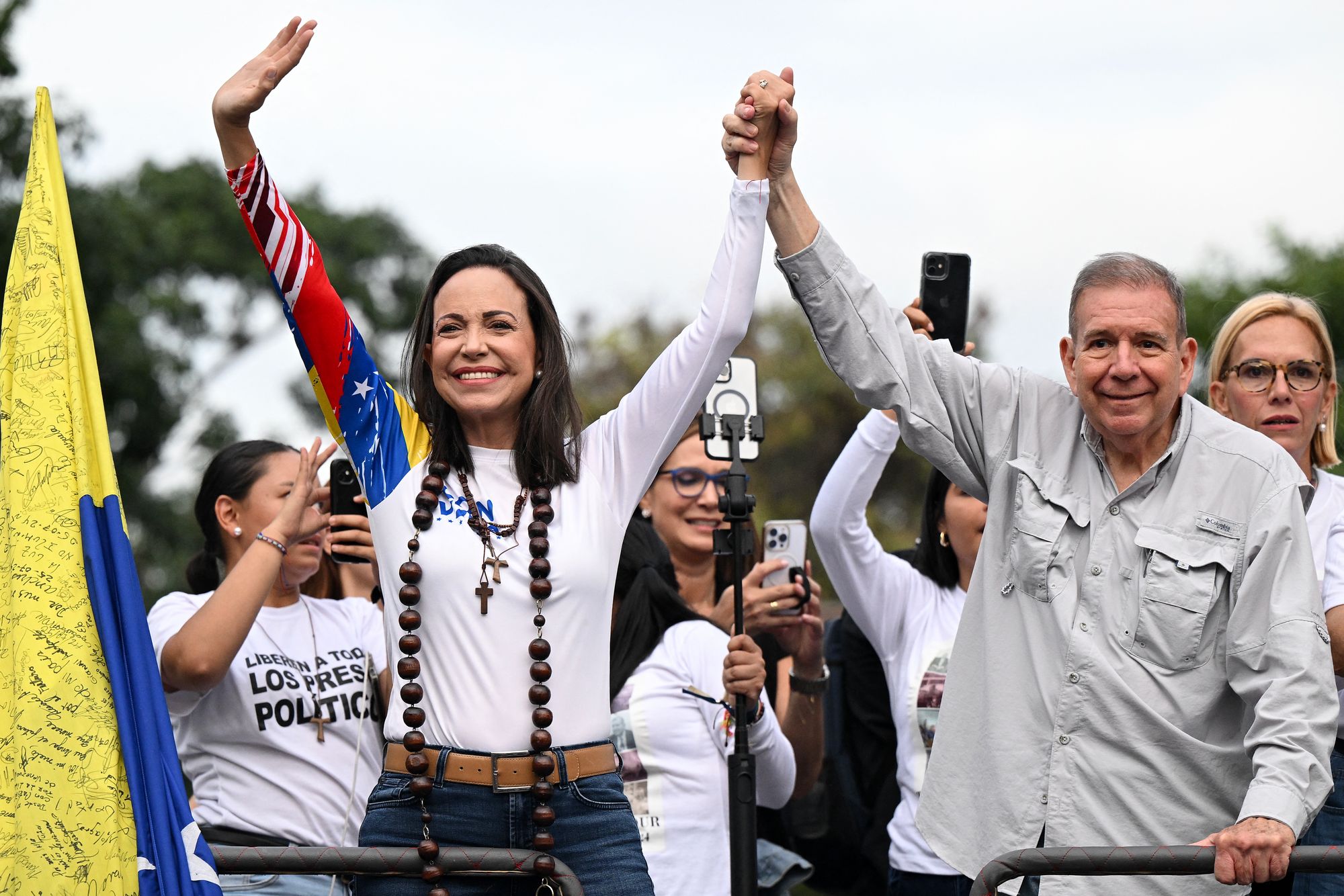
Two White House sources told The Washington Post that the President had lost interest in supporting Machado after her decision to accept the Nobel Peace Prize. Machado dedicated the award to Trump after her win, but by accepting it in the first place she was guilty of the “ultimate sin”, one said.
“If she had turned it down and said, ‘I can’t accept it because it’s Donald Trump’s,’ she’d be the president of Venezuela today,” they added.
Machado has, however, said she would share the prize with Trump, despite not offering to give him the prize outright.
“It hasn’t happened yet,” she told Fox News, “but I certainly would love to be able to personally tell him that we believe, the Venezuelan people, because this is a prize of the Venezuelan people, certainly want to give it to him, and share it with him.”
Trump’s remarks prompted surprise among Machado’s camp, a person close to the team told the Post. One opposition figure told the outlet that the comments were difficult to hear, but “in every transition, you have to swallow some bitter pills.”
But even before Maduro was removed from power, all had not been well between Machado and the White House, reports suggest.
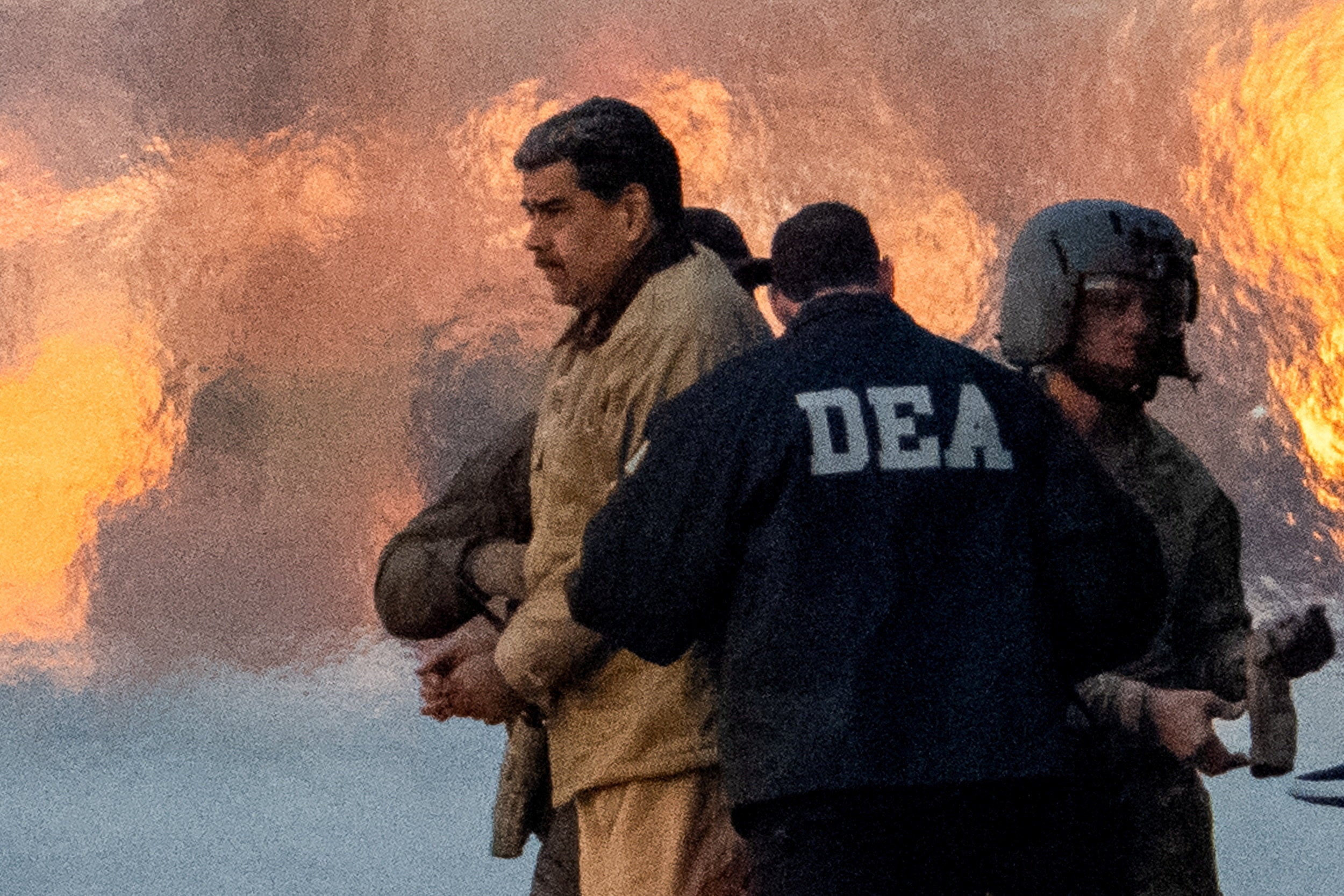
According to The New York Times, Secretary of State Marco Rubio had argued against backing the Venezuelan opposition, arguing it would further destabilise the country and mean a larger military presence would be necessary in the country. This view was supported by classified C.I.A. intelligence, a person familiar with the document told the outlet.
The Wall Street Journal also revealed that a C.I.A. intelligence assessment had determined that Maduro’s key allies, including Delcy Rodriguez, who was sworn in as president on Monday, would be the best positioned to lead a temporary government in Caracas and maintain short-term stability.
The analysis reportedly influenced Trump’s decision to back Rodriguez instead of Machado, who it is believed would not command the support of the country’s armed forces and other elites.
Machado and Edmundo González, her stand-in candidate who won more than two-thirds of the vote in the 2024 election, would struggle to gain legitimacy and would face significant resistance from pro-regime security services, drug-trafficking groups and political opponents, the report argued.
Senior U.S. officials are also said to have grown increasingly frustrated with Machado over the past year, finding her recent claims that the Maduro regime was weakened and nearing collapse to be inaccurate, and becoming increasingly sceptical about her ability to overthrow the government.
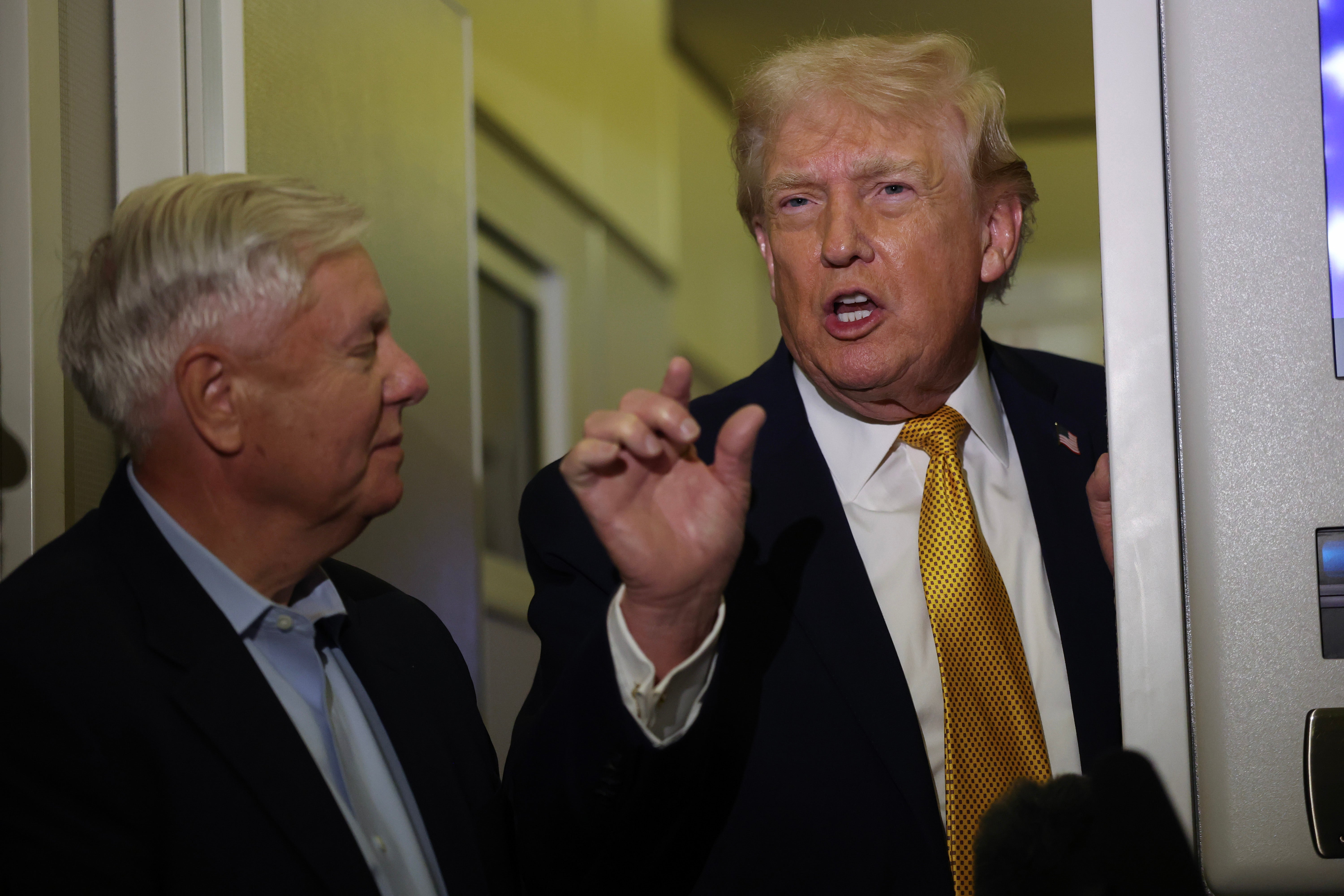
The apparent decline in the relationship between the White House and Machado reportedly began almost immediately after Trump took office for the second time last January.
Ahead of a visit to Caracas, Trump envoy Richard Grenell requested an in-person meeting with Machado. The opposition leader reportedly refused to meet Grenell, arranging instead a phone call, setting the precedent for a relationship which would deteriorate over the next year.
Grenell grew frustrated with Machado’s absence of a concrete plan on how to put González into office, it is claimed. In turn, Machado was said to have been upset at Grenell’s failure to strongly denounce the Maduro regime as illegitimate.
Trump and Rubio are now focused on working with interim president Delcy Rodriguez, the Maduro ally and former vice president who was sworn in as president on Monday.
The comings days, a leader among the opposition said, will determine whether Rodriguez will continue Maduro-style governance or carry out a “soft transition” to a more U.S.-friendly Venezuelan government by replacing hardliners.
Join our commenting forum
Join thought-provoking conversations, follow other Independent readers and see their replies
Comments
Bookmark popover
Removed from bookmarks