Trump administration extends a rare ‘thank you’ to media after Venezuela military action
Secretary of State Marco Rubio has publicly credited media outlets for withholding reports on last Saturday's strike in Venezuela
In a rare turn of events, the Trump administration extended an unexpected "thank you" to news organisations following a US military action in Venezuela.
Secretary of State Marco Rubio publicly credited media outlets for withholding reports on last Saturday's strike, which led to the capture of Venezuelan President Nicolás Maduro, thereby preventing the mission from being jeopardised.
Rubio's acknowledgement stands in stark contrast to the administration's often-strained relationship with the press. Defense Secretary Pete Hegseth, for instance, has frequently cited a deep mistrust of journalists' ability to handle sensitive information responsibly, a stance that underpins his restrictive new press rules for Pentagon reporters.
These rules have prompted most mainstream news organisations to withdraw their correspondents from the Pentagon rather than comply.
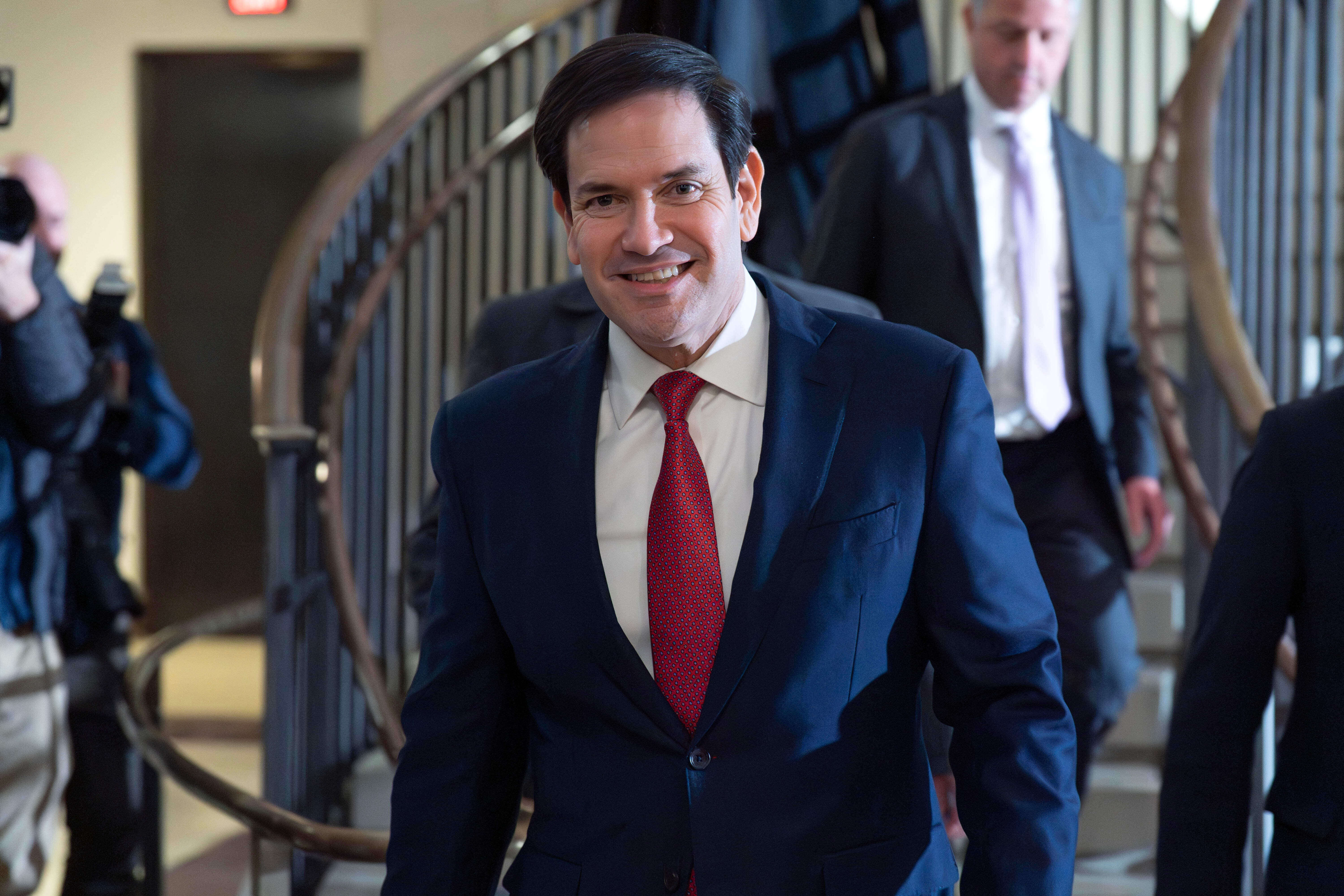
Speaking on ABC's This Week on Sunday, Rubio explained that information about the mission was withheld from Congress due to concerns it "will leak. It's as simple as that."
However, he stressed that operational security was the primary driver. "Frankly, a number of media outlets had gotten leaks that this was coming and held it for that very reason," Rubio stated. "And we thank them for doing that or lives could have been lost. American lives."
Reports from Semafor, citing sources familiar with communications between the administration and news organisations, indicated that both The New York Times and The Washington Post had prior knowledge of the raid but chose not to report on it to avoid endangering US military personnel.
Representatives for both outlets declined to comment when approached by The Associated Press on Monday.
Dana Priest, a veteran national security reporter for the Post and now a University of Maryland lecturer, affirmed that withholding information on a planned mission for such reasons is standard practice for news organisations.
She noted that even post-mission, the Post has consulted government authorities regarding whether revealing certain details could pose a risk. An example cited was The Atlantic magazine editor Jeffrey Goldberg, who, after inadvertently receiving information about a military attack in Yemen via a text chain from Hegseth, delayed reporting until US personnel were safe and the information thoroughly verified.
Most Americans learned of the Venezuela attack in the early hours of Saturday when President Donald Trump announced its completion on his Truth Social platform.
While The Associated Press did not have advance notice of the operation, its journalists in Venezuela reported explosions more than two hours before Trump's announcement, though US involvement was not confirmed until his post.
The complexities of reporting sensitive information are further highlighted by Hegseth's defence of his Pentagon rules. He told Fox News last year that "we have expectations that you're not soliciting classified or sensitive information." The Times has since filed a lawsuit challenging these rules.
Decisions on whether to publish information that could endanger lives or a mission often involve high-level discussions between editors and government officials.
However, Priest underscored that in a country with press freedom, the ultimate decision rests with the news organisation. She recalled President John F. Kennedy persuading Times editors not to report on the Bay of Pigs invasion, a decision a later Times editor, Bill Keller, said Kennedy regretted, believing earlier reporting might have averted the fiasco.
Priest emphasised that many mainstream journalists covering military and national security issues possess extensive experience in handling sensitive information.
She drew a distinction between reporting information that could genuinely endanger individuals and that which might merely embarrass an administration.
"The reporters are not going to be deterred by a ridiculously broad censorship edict by the Trump administration," Priest asserted. "They're going to dig in and work even harder. Their mission is not to curry favour with the Trump administration. It's to report information to the public."
Join our commenting forum
Join thought-provoking conversations, follow other Independent readers and see their replies
Comments
Bookmark popover
Removed from bookmarks