Hurricane Melissa: Fuel queues for days, diseases spreading and thousands homeless one month on from devastation
‘It’s like everything was cut with blades,’ says a Red Cross official about the wasteland left in the wake of the ‘storm of the century’. Maira Butt reports on the situation
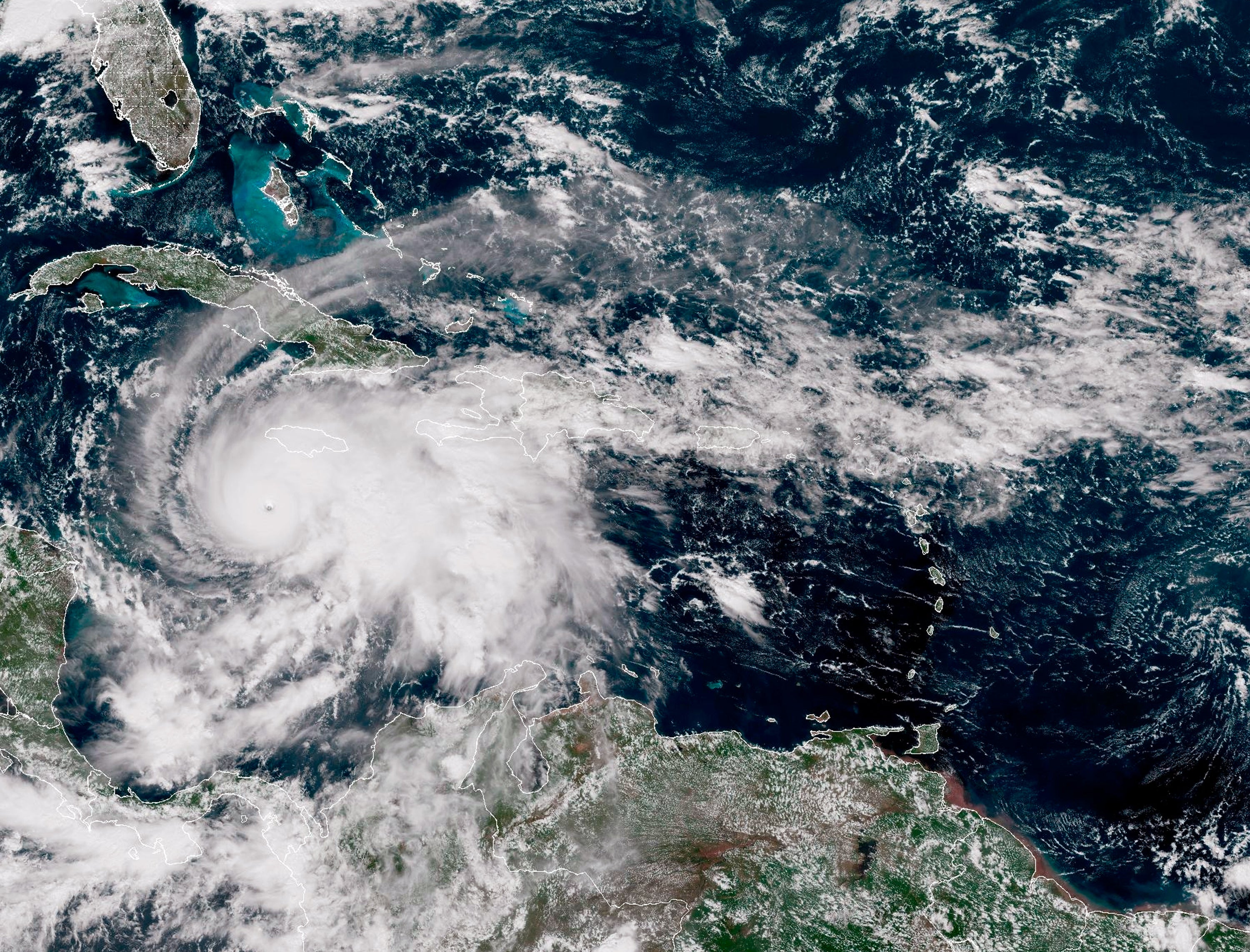
Millions are still struggling in the aftermath of Hurricane Melissa, one month after the category 5 storm devastated the Caribbean.
At least 106 people died when the record-breaking tropical cyclone ripped through the region, leaving at least $10bn worth of damage in its wake.
The UN estimates that some six million people were impacted by flooding and 185mph winds after the “storm of the century”, made landfall at the end of October. At least 735,000 people were evacuated in Cuba alone.
One month on, despite international efforts to help, agencies have told The Independent the situation on the ground is still catastrophic.
In Cuba, queues for fuel now last for days, food is scarce, and only 40 per cent of the country has electricity, with even major cities only getting between four and six hours per day, according to the International Federation for the Red Cross (IFRC). Fuel and power shortages are leading to severely disrupted lives, with people unable to refrigerate food.
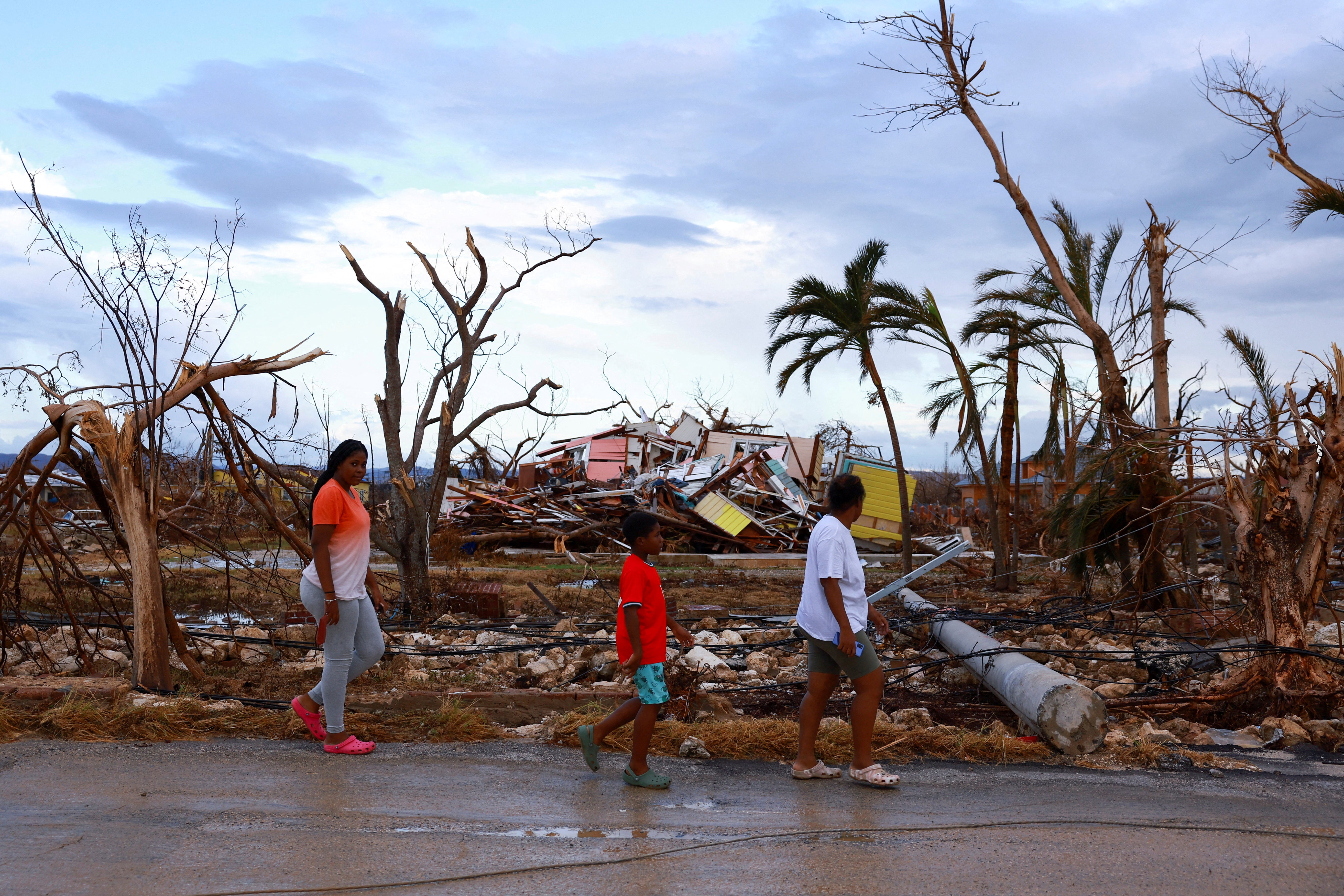
Water shortages and viral diseases have spread like wildfire, Nicolas Segura, the IFRC’s disaster risk management coordinator for Cuba, Haiti and the Dominican Republic, says.
There are 700 new cases of chikungunya every day, with over 50,000 people hospitalised with the condition caused by mosquitoes in the aftermath of the disaster.
“The sea penetrated almost 100m to 200m in some places,” Segura explains. “Their houses were fully flooded and there is now an outbreak of arboviral diseases. There is zika, dengue, chikungunya.”
The Red Cross operated through the eye of the hurricane as it made landfall on 29 October in Cuba. Segura describes scenes of utter destruction, including mighty trees snapped like branches and concrete houses flattened. “It’s like everything was cut with blades,” he says.
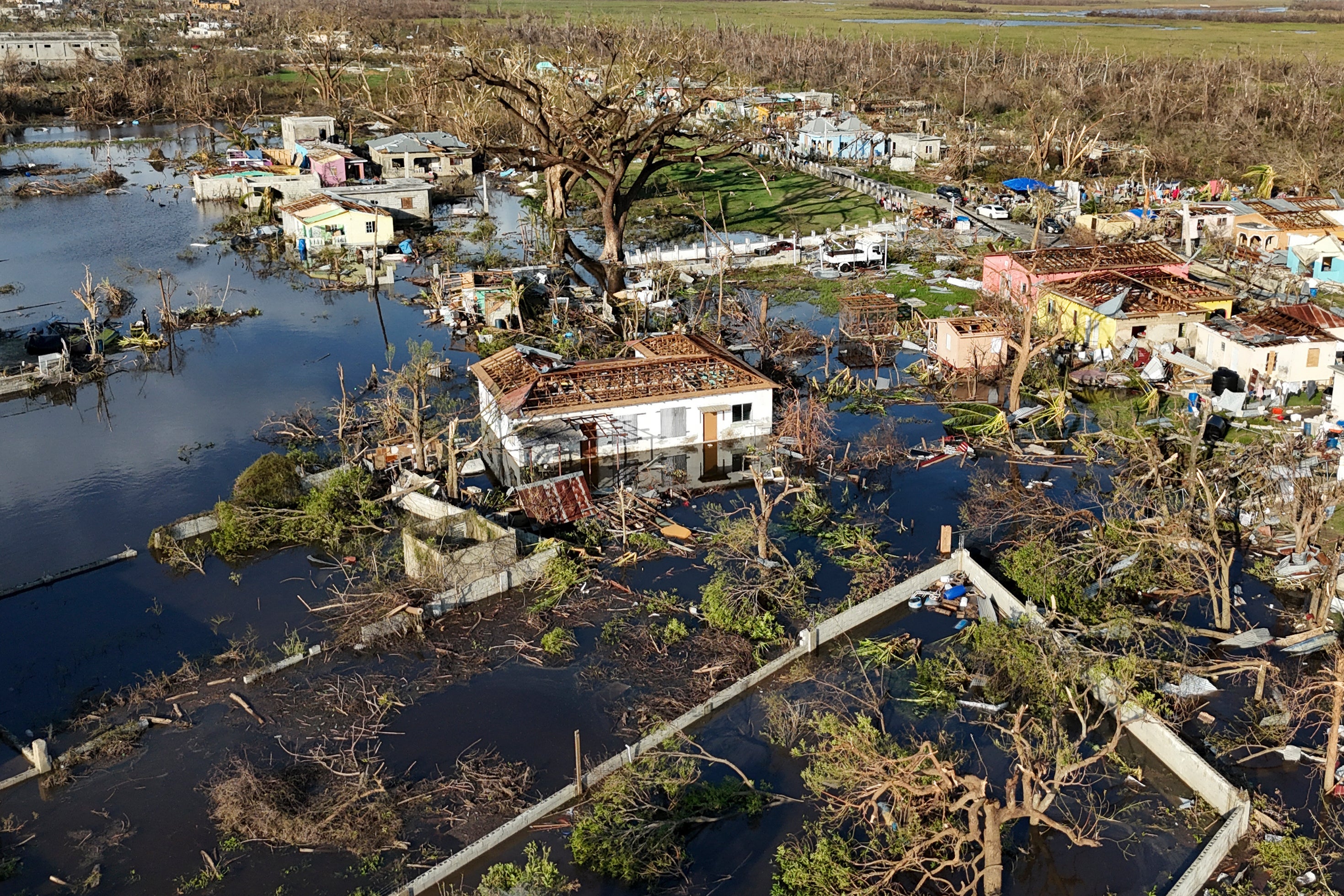
Over 53,000 people have been unable to return to their homes, according to the United Nations, including 7,500 living in official shelters.
Segura says his teams are reaching 1,500 families, amounting to 5,050 individuals. But the number of people in need is over two million. Having launched a fundraising appeal to help 100,000 people for £15m, only 16 per cent of the necessary financial support has been raised. Sanctions are crippling the country, complicating matters further.
The mental health of children has also been affected. “You can see the fear in their eyes when they tell you about the noise of the wind,” he says. While psychosocial support and mental health activities have been provided for many young people, many are still struggling.
“One 13-year-old told me that he felt guilty all the time for what had happened,” Segura continues. “He couldn’t explain why, but he said: ‘I don’t know why it happened, but I know it was my fault.’ It’s amazing how a few hours can leave such a lasting impact.”
.jpeg)
In Jamaica, experts have suggested that rebuilding and reconstruction could take over a decade, with over $10bn worth of damage wrought on the Caribbean island. At least 45 people were killed, and thousands have reportedly been left homeless.
“Some of them only had the shirts on their backs,” Kemsha Swaby, a national response coordinator for Project Hope, says. Over 40 per cent of Jamaica’s health system was left with some damage, she adds.
“When you drive along the road, on cell towers the metal has completely been twisted up, concrete light poles have just been smashed on the ground,” she describes. “There are wooden light poles completely cracked. Lush parts of Jamaica look like winter in the UK, as if all the leaves have fallen off.”
Some people were forced to beg in the aftermath of the disaster.
“While Jamaica has had issues with poverty in some places over the years, you don’t usually drive around and see people just with their hand out asking for water, asking for tarps, anything that you have so that they can try to survive,” Swabe explains. “In the immediate aftermath, that was the reality.”
Diseases have been rampant on the island too, with some people dying in the days following Melissa making landfall.
“It’s not just the wind and water damage, but the hurricane also triggered post-disaster public health emergencies, including a leptospirosis outbreak, which has been linked to contaminated floodwaters,” Swabe explains.
“This is now responsible for confirmed cases and deaths in the weeks after the hurricane made landfall. Some tried to repair their houses and stepped on nails, and we’ve also had at least one or two confirmed deaths from tetanus.”
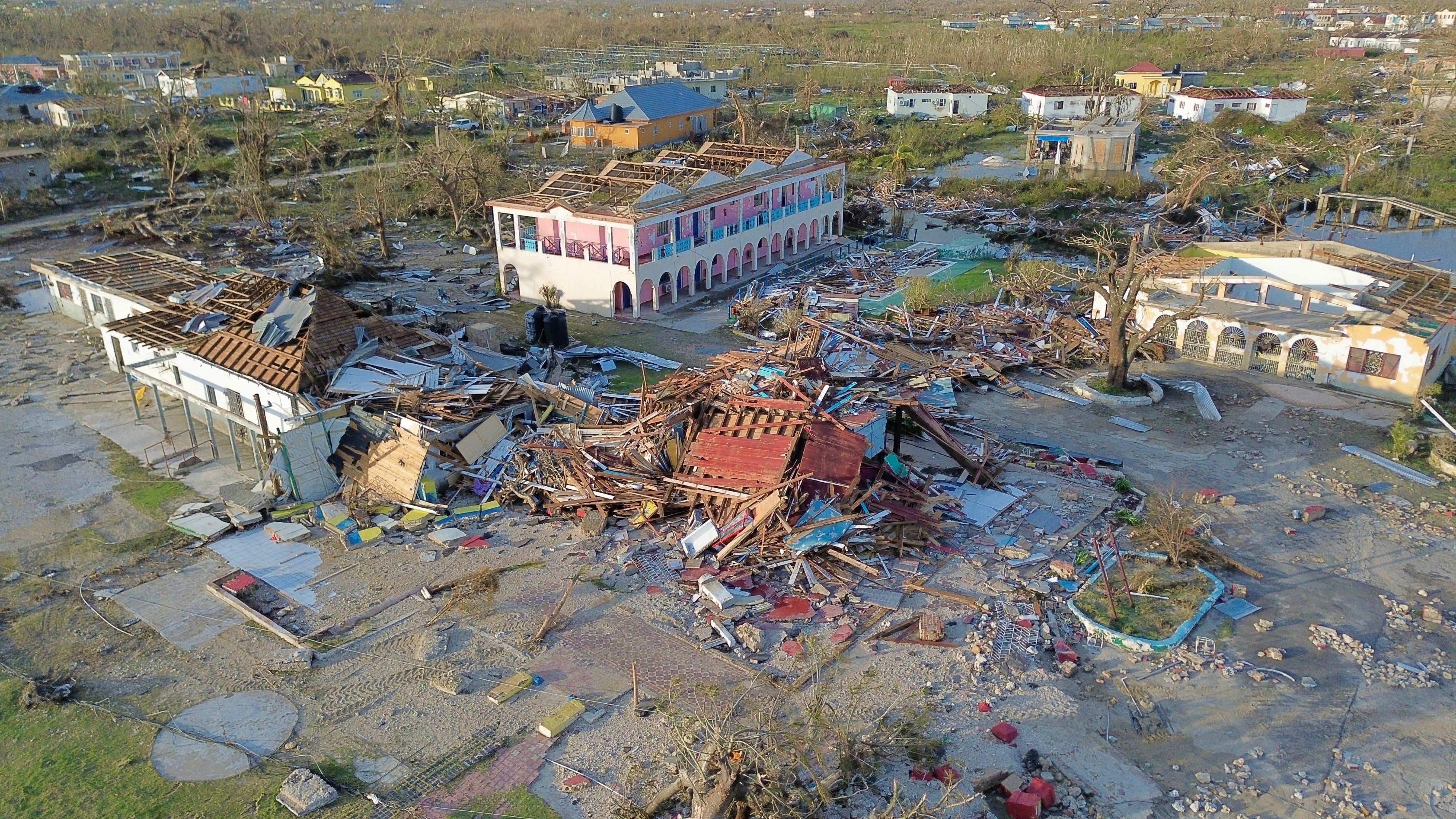
At least 43 people were also killed in Haiti, where flooding was caused by the outer bands of the storm.
Segura says that a spirit of “solidarity” and resilience has helped keep people strong. But international support is needed.
“Changing someone’s life is about giving them dignity,” he says. “People are eager to lead, they are eager to support each other. But they also need support in turn. They want to show the world who they really are, because they are incredible people.”
Join our commenting forum
Join thought-provoking conversations, follow other Independent readers and see their replies
Comments
Bookmark popover
Removed from bookmarks