Grieving father calls for Scotland to pursue driving licence reform
Alan Knox launched his campaign following the death of his son, Lewis, who was among three teenagers from Lochaber who died in a collision on the A830
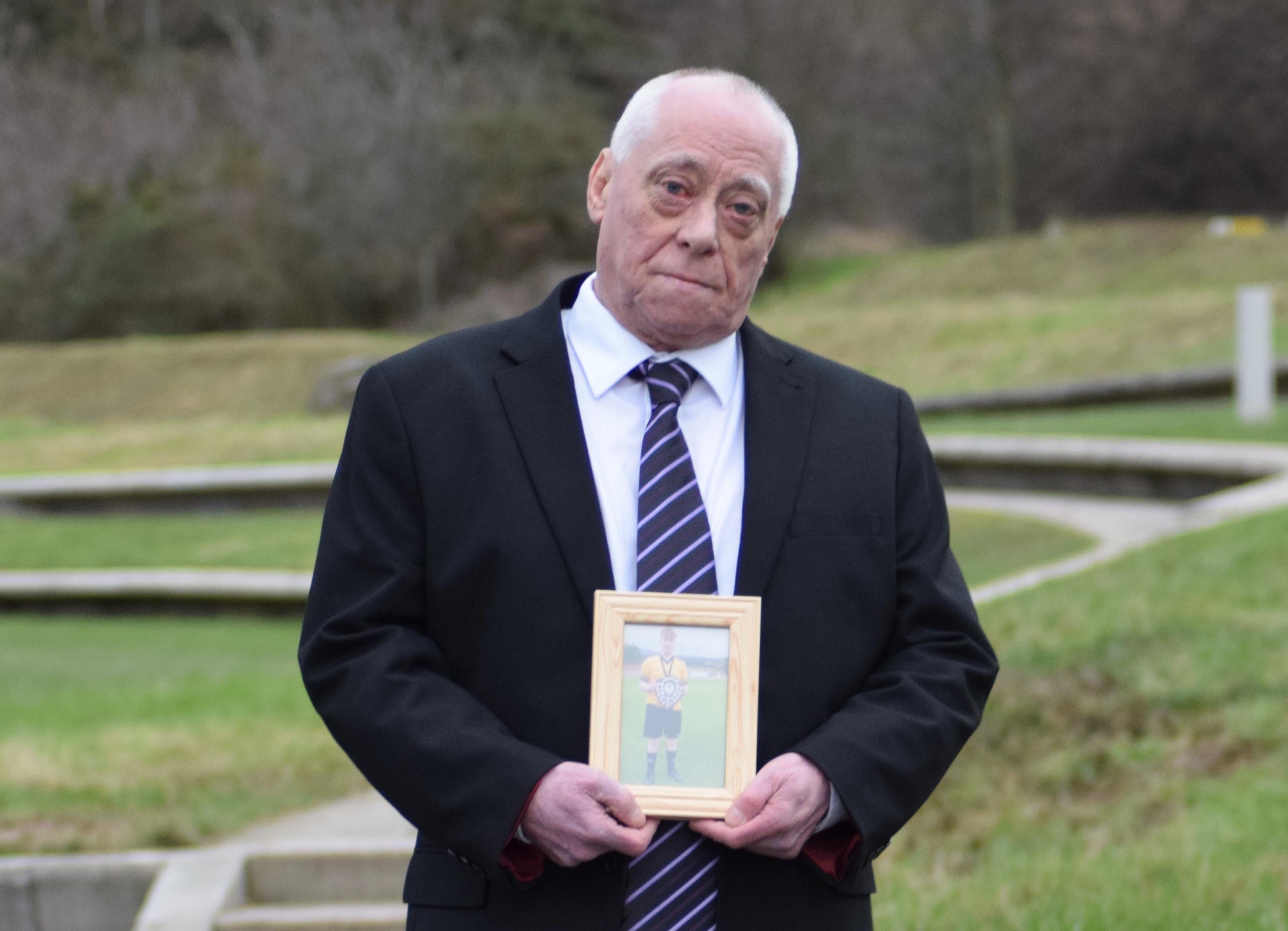
A grieving father, whose son was one of three teenagers tragically killed in a car crash, is urgently appealing to Westminster to grant Scotland the authority to implement graduated driving licences. Alan Knox is pushing for the UK Government to extend the same opportunity to Scotland as it has to Northern Ireland, which is set to introduce the new licensing system later this year.
Mr Knox, a paramedic, launched his campaign following the death of his son, Lewis, last year. Lewis, a player for Fort William Shinty Club, was among three teenagers from Lochaber who died in a collision on the A830 road between Mallaig and Arisaig in the Highlands.
Northern Ireland’s infrastructure minister, Liz Kimmins, has hailed the upcoming change, due from October 2026, as the "most significant reform to driver licensing and testing in almost 70 years". Announcing the scheme earlier this year, she stated: "These changes are aimed at young drivers who are sadly most likely to be killed or seriously injured on our roads."
Mr Knox has already raised the critical issue with Scottish Transport Secretary Fiona Hyslop, who has echoed his call for the UK Government to "give Scotland the powers needed to pilot graduated driving licences". Ms Hyslop added that such measures could "help save young lives and cut serious injuries" on the roads.
The campaigning father highlighted the widespread impact of such tragedies, saying: "Too many families across the UK have suffered the unutterable pain of losing a child on the road." He pointed to international evidence, asserting: "The international evidence clearly shows that graduated driving licensing works, reducing the prospect of fatal collisions involving young people."
Mr Knox questioned the disparity, adding: "As Northern Ireland takes forward a pilot, I would urge the UK Government to give Scotland the same opportunity. It is not clear why the devolved administration at Holyrood isn’t being afforded a chance to pursue reform in this area."
Mr Knox advocates for several specific measures, including a ban on newly qualified drivers carrying young passengers for six months after passing their test, believing this could alleviate peer pressure. He also supports fitting black box devices to new drivers’ cars to monitor speed and driving style, alongside temporary restrictions on late-night driving.
He explained his rationale: "Young people are not taught to drive at speed in adverse driving conditions like ice and snow and at night-time on rural roads. A car full of excited friends can be highly distracting to those who lack experience behind the wheel."
He concluded: "It makes sense to place reasonable limits on new drivers. Plates to advise other road users, limits on late night driving and passenger numbers, a no alcohol rule, and other measures can reduce fatal mistakes." Citing international examples, he noted: "Systems in other countries speak for themselves. Canada witnessed a more than 80% reduction in deaths in 16 to 19-year-old drivers after it brought in graduated driving licences. Similar reductions have been observed in New Zealand and Australia."
However, a Department for Transport spokeswoman indicated a different approach from the UK Government. She stated: "We want to keep young people safe while supporting their access to work, education and social opportunities."
She clarified the department’s stance: "That’s why we’re not introducing blanket restrictions on new drivers, such as limits on passengers or night‑time driving. Instead, we’re focusing on better preparation before the test, including consulting on a minimum learning period." The department confirmed it is currently consulting on a minimum learning period to allow young people more time to develop essential driving skills.
Join our commenting forum
Join thought-provoking conversations, follow other Independent readers and see their replies
Comments
Bookmark popover
Removed from bookmarks