‘I was 14 when I was abducted and trafficked into a paedophile ring’
Leon Towers was 14 when he fled into the Cumbrian night and into the hands of traffickers. He tells Harriette Boucher how a lifetime of silence began – and why he’s determined no child is left unseen again
Leon Towers grew up without ever knowing what it meant to be loved. Born in 1975, he was six weeks old when he was found in his cot beside his father’s body. His mother was arrested for the death, and by the time it was discovered that his father had taken his own life, Leon had already been placed in foster care.
That brief beginning was the last time he would see anything resembling a home. From there, the system meant to protect him delivered something else entirely.
In the foster home he grew up in, under rules he felt were designed to crush him, Leon spent the first 14 years of his life in torment: beaten, psychologically tortured, and told that his mother had murdered his father. When he was just eight-years-old, he was forced to spend 14 hours standing naked in the freezing coal shed as a punishment for taking a piece of bread without asking.
He was forbidden from speaking and would go the whole weekend without saying a single word, desperate for the school week to roll around out of fear he would eventually lose his voice altogether.
Every mirror in the house was draped with towels so he couldn’t see his own reflection; his foster parents would tell him it was because he was ugly. Each morning on his walk to school, Leon would be forced to fix his hair in wing mirror windows, with no other way to see what he looked like. Leon became a child nobody wanted to hear or see.
It was an era when sweeping public sector cuts introduced by the Thatcher government, combined with a surge in demand for social services, left local authorities unable to keep up. An already underfunded and poorly supervised care system meant vulnerable children easily fell through the cracks and were failed by those meant to protect them.
“I was held captive there, I couldn't escape… I was just living in this torture, this prison, this hell, and I couldn't escape it,” he told The Independent.
Donate here or text SAFE to 70577 to give £10 to Missing People – enough for one child to get help.

The Independent is aiming to raise £165,000 to help launch SafeCall – a free new service that will provide children in crisis with confidential support, guidance and a route to safety. Around 70,000 children go missing each year in the UK.
As one of those children, Leon believed he would be better off missing than staying in care, even if it meant he might be killed. One night, he slipped away into the Cumbrian dark.
When a man approached him on a park bench offering somewhere to stay, Leon thought he was finally being shown kindness. In reality, it was the beginning of unimaginable horrors.
He was abducted and taken to London four days later, where he was trafficked into a paedophile ring. He was told he had to keep moving to avoid being returned to foster care. Over the next three months, he was taken to 17 homes across the country.
He stayed no more than a week in each place, raped by older men before being moved on to the next house where the abuse would be repeated.
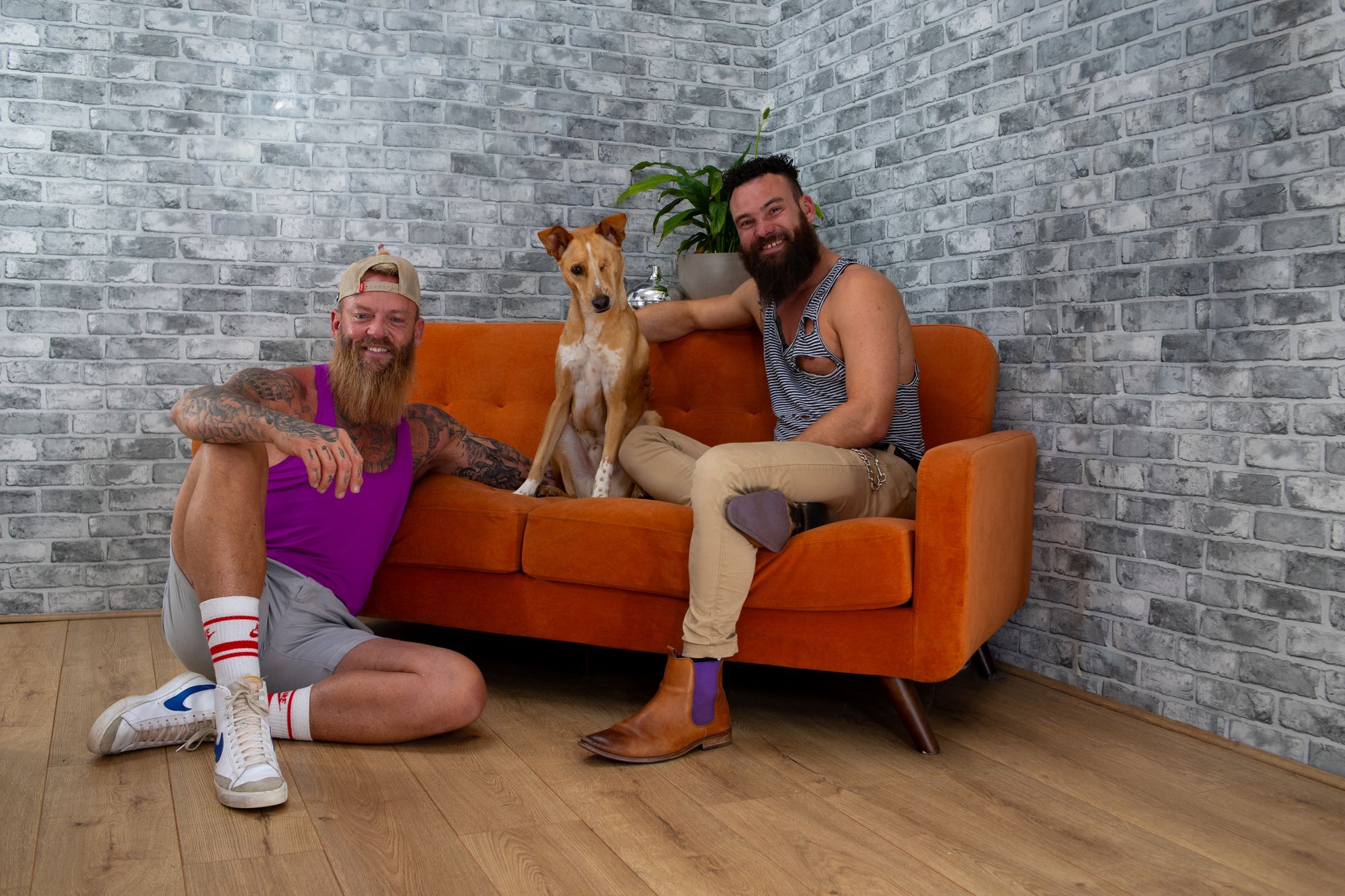
Nearly three decades later, Leon remembers every place he stayed. They were never homes; they were flats with a bed and sometimes a couch, rented for that sole purpose.
Too young to understand what sex was, he believed these men were his friends. He was taken to nightclubs and made to feel like a celebrity. His abusers bought him clothes and played him tapes in the car between houses to make it feel like a “holiday”.
Even when he was pushed against a wall and suffocated, or when a married man with children told him he would be killed if he ever spoke about the rapes, Leon still felt, in a distorted way, that he was being cared about for the first time.
He did not realise he had been raped until he was 29.
He later discovered that the man who kidnapped him went on to murder someone who had previously taken him to London and subjected him to the same abuse.
After three months, Leon escaped and stayed with another boy in the same trafficking network. A few days later, he placed his trust in adults again and went to a police station for help, certain this would be a turning point.
“When I escaped that paedophile ring, I went to the police station... It was about five o'clock. It was pitch black, it was pouring down with rain, and I was drenched to the skin. I went into a police station in Newcastle, and I said, ‘My name is Leon, and I think you're looking for me’.
“They basically said, ‘I haven't got a clue who you are. You've come to the wrong place, you need to go to social services. You better be quick, it shuts at half five.’”
The panic of running through an unfamiliar city in the dark to find social services before closing time has never left him.
“I'd already been away a few days before I went to the police. I was having to eat out with dust bins. I remember eating a half-eaten burger out of a bin because I was starving.
“I had nowhere to go. I only had the clothes I was standing in. I'm 14. I'm terrified that they're gonna find me again and catch me, and I just didn't know what to do.”
Banging on the doors of social services in torrential rain, Leon was let in and placed in care for the night. The next day, he was taken back to his original foster home. For the first time, he wasn’t scared of his carers. A few days later, he left again and was moved into residential care full-time.
He spent the next two years trying to obliterate every memory: stealing cars, shoplifting, taking drugs.
His turning point came at 18, when he became a father for the first time.
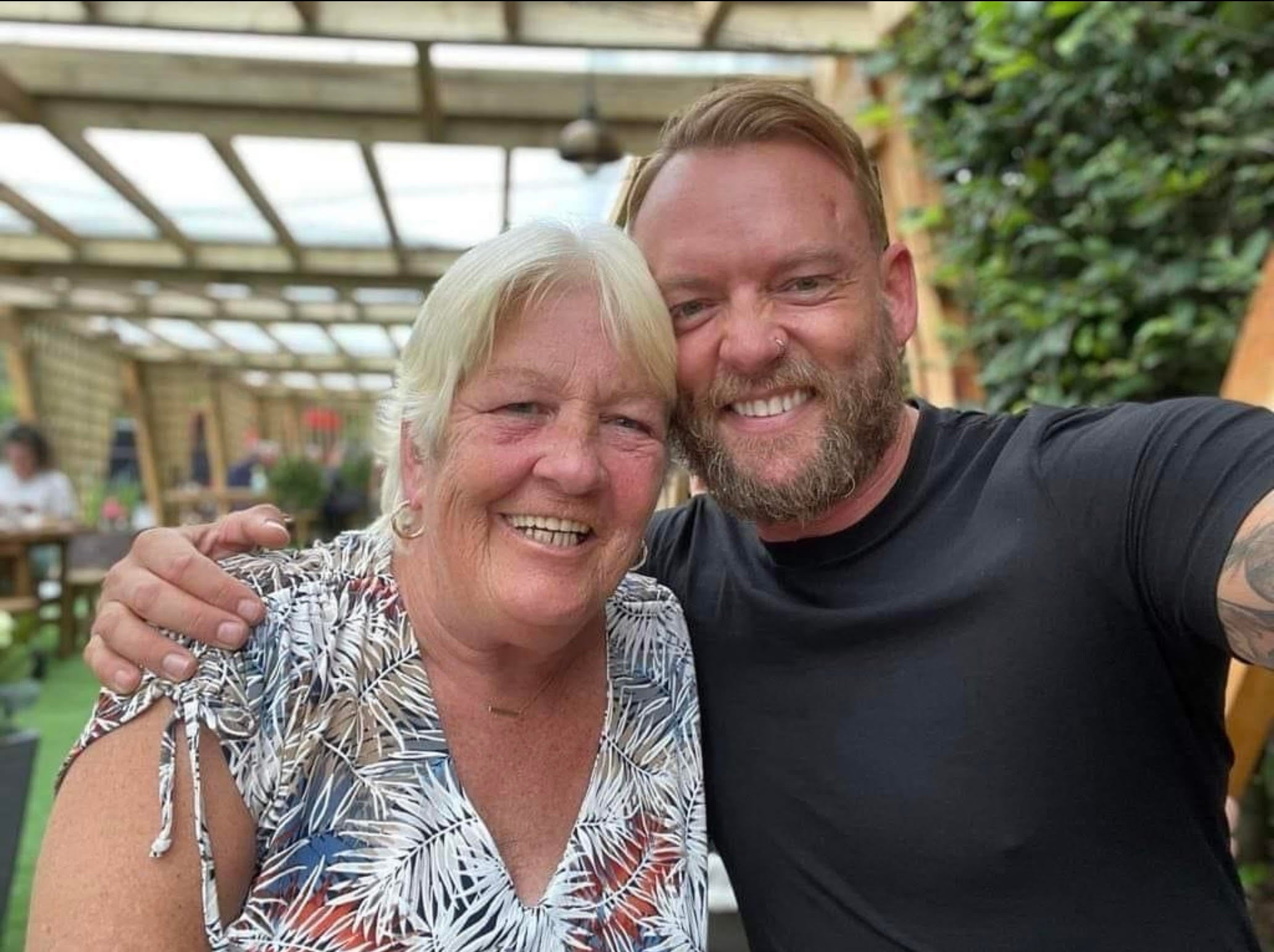
In 2009, he wrote Leon: A Lost Childhood, a book about his life. His mother, Audrey, bought it that year and read it without knowing her son had written it. Terrified that he wanted nothing to do with her, she had never dared get in touch.
As a child, Leon convinced himself she was Audrey Hepburn, an idea sparked after watching Breakfast at Tiffany’s.
“In my head, I built this story that she was in Hollywood making movies, and when she made enough money, she was going to come back and get me,” he said. “That's what kept me going through all of that trauma.”
He was always sure he would get a birthday card from her on his eighteenth birthday. When nothing arrived, it was the most upset he had ever been about her absence.
After posting an appeal on Facebook for information about his father, he learned that his father had abused his mother and sold her to men to be gang raped to pay off his gambling debt.
In March 2020, Leon messaged her. “I'm so sorry for what you went through and what you've been through, and I'm reaching out to you to say I never knew any of this. I've always loved you, you're my mum. I always wanted to find you, but I didn't think you were looking for me.”
She replied within three minutes. They spoke every day until meeting in person that May.
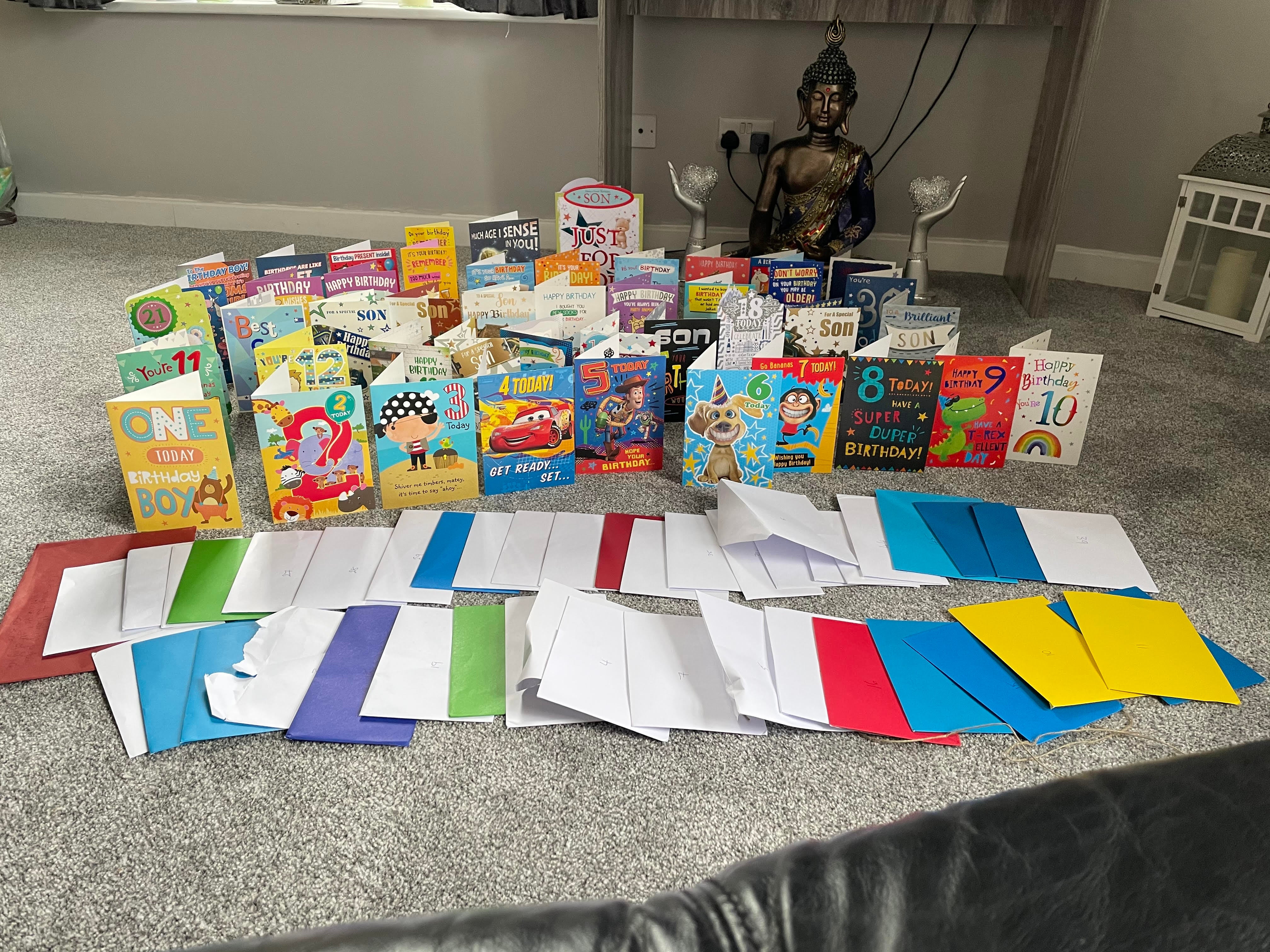
On his 45th birthday, she sent him 45 birthday cards.
“We've spoken every day ever since, and it's five years later… We're a massive part of each other's lives.”
Leon is now a fierce advocate for children. He runs a YouTube channel, Let’s Talk Trauma TV, discussing issues including child sex trafficking, domestic and sexual abuse. Next July, he will front a series investigating 10 unsolved cases of children disappearing from care homes.
“Somebody needs to be their voice... being brought up in the care system [I realised] that when people go missing, nobody's actively looking for them.”
A soon-to-be ambassador for Missing People, Leon says it is vital to break the cycle of children going missing and reminds people that no child disappears without a reason.
Please donate now to The Independent and Missing People’s SafeCall campaign, which aims to raise £165,000 to create a free, nationwide service helping vulnerable children find safety and support.
For advice, support and options if you or someone you love goes missing, text or call the charity Missing People on 116 000. It’s free, confidential and non-judgemental. Or visit www.missingpeople.org.uk/get-help
If you are experiencing feelings of distress, or are struggling to cope, you can speak to the Samaritans, in confidence, on 116 123 (UK and ROI), email jo@samaritans.org, or visit the Samaritans website to find details of your nearest branch. If you are based in the USA, and you or someone you know needs mental health assistance right now, call or text 988, or visit 988lifeline.org to access online chat from the 988 Suicide and Crisis Lifeline. This is a free, confidential crisis hotline that is available to everyone 24 hours a day, seven days a week. If you are in another country, you can go to www.befrienders.org to find a helpline near you.
If you are a child and you need help because something has happened to you, you can call Childline free of charge on 0800 1111. You can also call the NSPCC if you are an adult and you are worried about a child, on 0808 800 5000. The National Association for People Abused in Childhood (Napac) offers support for adults on 0808 801 0331.
Bookmark popover
Removed from bookmarks