The Independent's journalism is supported by our readers. When you purchase through links on our site, we may earn commission.
Breakthrough breast cancer vaccine raises hopes of eradicating disease
A breast cancer vaccine targeting a key protein showed strong immune responses in over 75 percent of its trial participants
A breakthrough breast cancer vaccine has completed Phase one trials, with over 75 percent of participants showing a strong immune response, raising hopes it could help eradicate the disease by 2030.
The vaccine, developed by Anixa Biosciences and the Cleveland Clinic, targets alpha‑lactalbumin, a milk protein linked to aggressive triple-negative breast cancer, to help prevent and treat the disease. That form of cancer is known as the most deadly.
During the first phase of the trial, 35 women, many with triple-negative breast cancer or a genetic risk, received the vaccine. Blood tests showed that more than 75 percent developed a strong immune response, indicated by antibodies on their white blood cells. That improved response can help a person’s immune system identify and destroy cancerous cells.
Side effects of the vaccine were limited to mild injection‑site irritation.
Dr. Amit Kumar, Anixa’s CEO, called the findings “very exciting” in an interview with the New York Post.
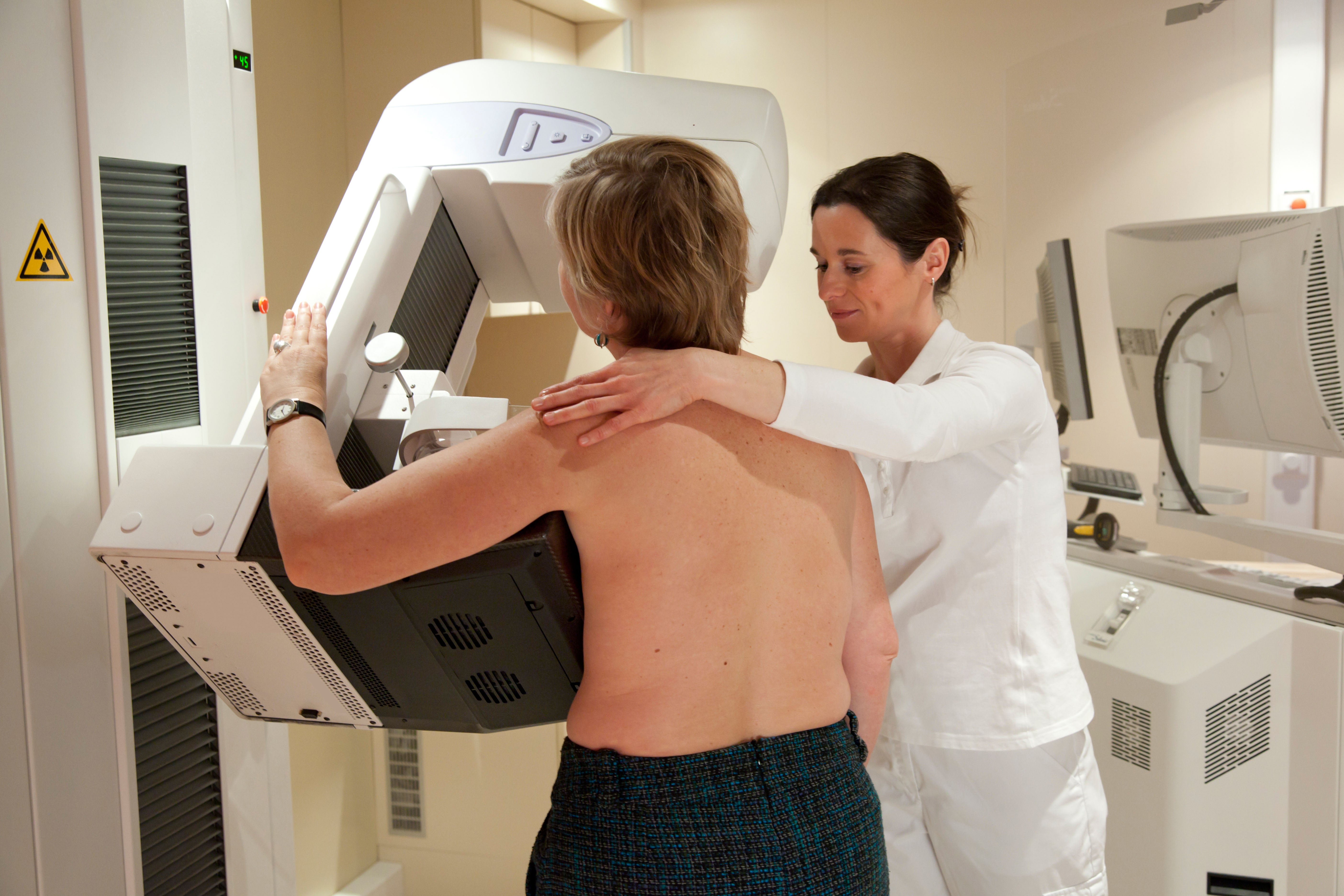


“It’s a very new mechanism and we think that if this works and is able to prevent cancer, then we can perhaps eliminate breast cancer as a disease, just like we’ve done for polio and various other infectious diseases,” Kumar told the outlet.
Phase two is scheduled for next year and will test a larger group of participants and expand testing to additional types of breast cancer.
Unlike vaccines for infections, cancer vaccines face challenges because cancer originates from the body's own cells, making it harder for the immune system to distinguish them. Past attempts often targeted proteins found in both cancerous and healthy tissues, sometimes causing harmful immune responses.
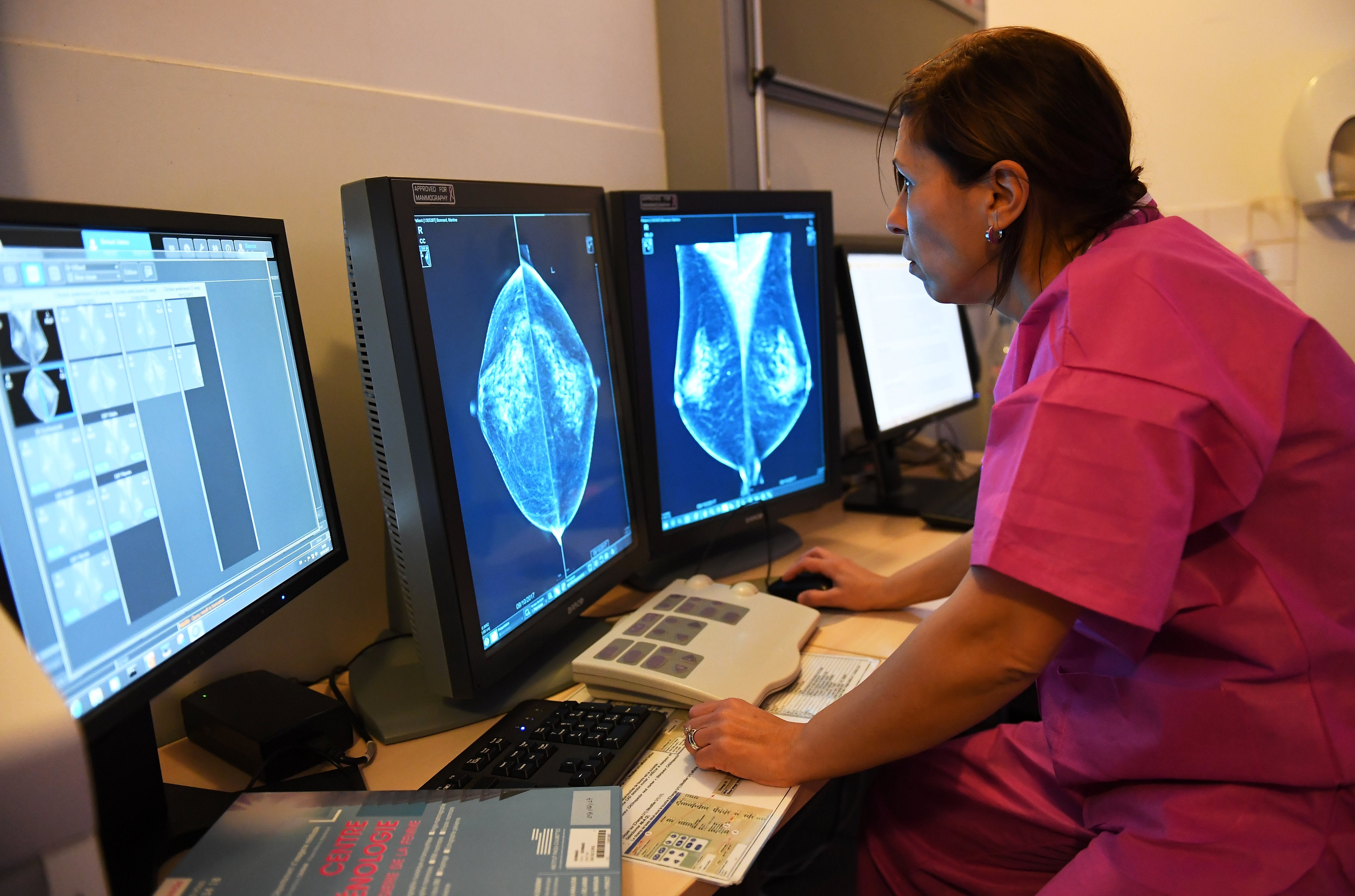
Breast cancer cells often contain alpha-lactalbumin, a protein normally only present during pregnancy and breastfeeding. A Cleveland Clinic scientist proposed targeting it in women not planning to have more children 20 years ago, leading to the current vaccine trial.
The US Department of Defense funded the study, but future progress may be affected by budget cuts. Researchers plan to present their results to the agency this year.
Join our commenting forum
Join thought-provoking conversations, follow other Independent readers and see their replies
Comments
Bookmark popover
Removed from bookmarks