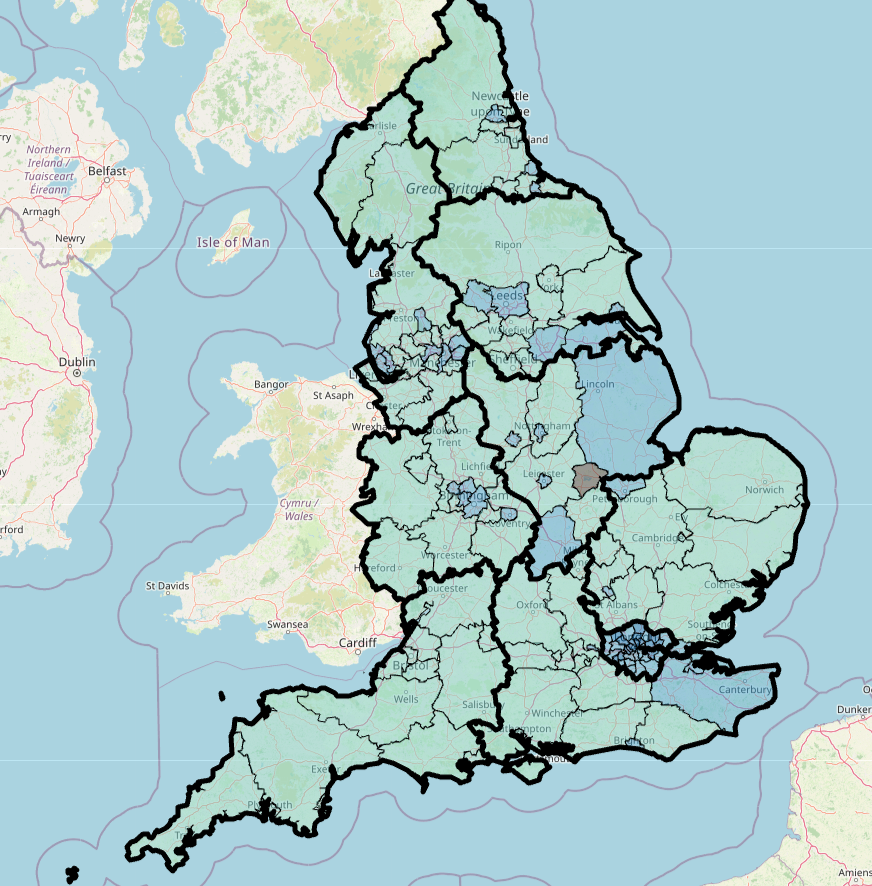
Mapped: Areas of England with the lowest MMR vaccine rates
All London boroughs have a vaccination rate below 80 per cent, according to UKHSA data of five-year-olds receiving both MMR vaccines
Measles is one of the most contagious diseases known to affect humans, but significant pockets of London and other major cities in England have dangerously low vaccination rates.
The World Health Organization (WHO) recommends at least 95 per cent of children should receive vaccine doses for each illness to achieve herd immunity. Yet, no area of England has achieved a vaccination rate over 95 per cent in children aged five with two MMR jabs.
All London boroughs have a vaccination rate below 80 per cent. Figures published last August by the UK Health Security Agency (UKHSA) showed just 64.3 per cent of five-year-olds in Enfield had received both doses of the MMR vaccine in 2024/25 – one of the lowest rates in the country.
In neighbouring borough Haringey, 65 per cent were vaccinated and in Hackney just 58.3 per cent of five-year-olds had received both doses. That means one in two children are at risk of catching measles.
It comes as a measles outbreak in north-east London has left some children needing hospital treatment. The UKHSA previously reported 34 laboratory-confirmed measles cases in Enfield from January 1 to February 9, while more than 60 suspected cases of measles have been reported by seven schools and a nursery in Enfield.
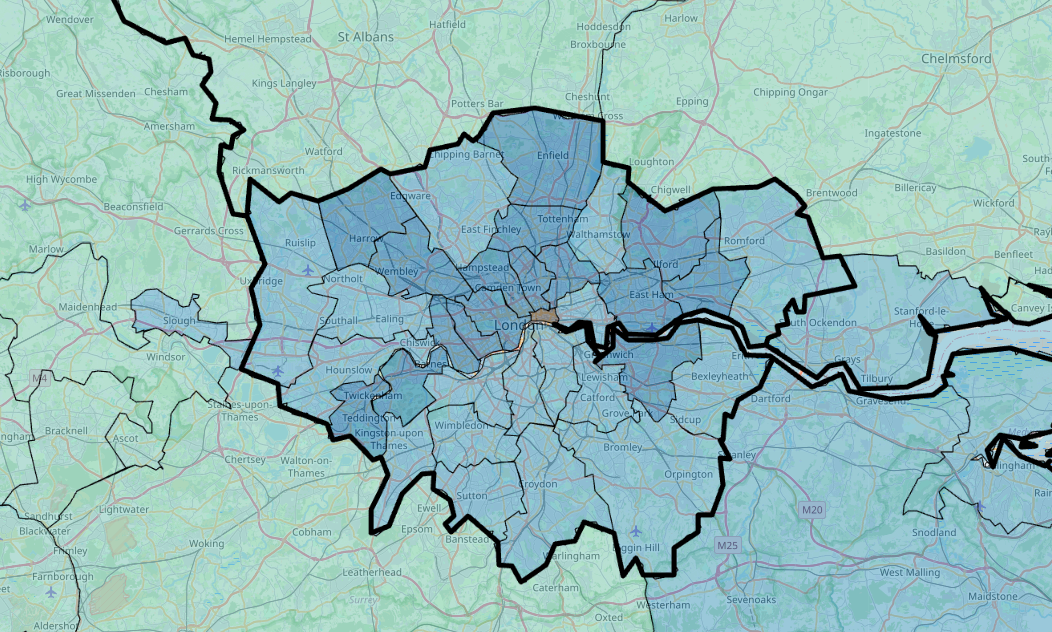
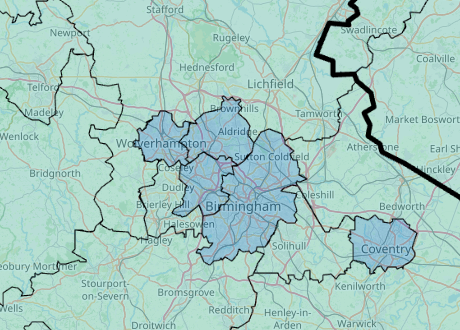
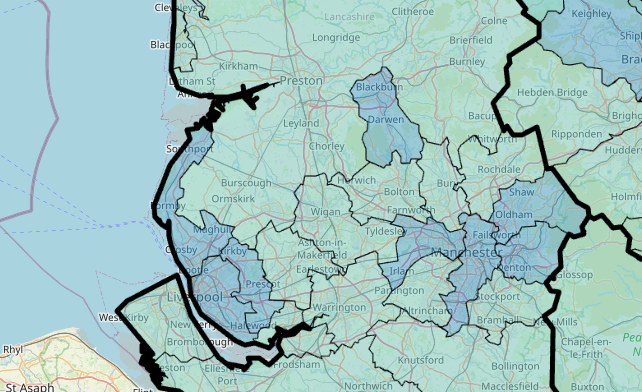
While London has some of the lowest vaccination rates in the country, cities including Birmingham (75.5 per cent), Coventry (78.9 per cent), Nottingham (71.7 per cent), Liverpool (75.5 per cent) and Manchester (74.5 per cent) also have poor vaccination rates for five-year-olds who have received two doses.
However, data showing the number of two-year-olds who have received one dose of the MMR jab reveals there are just 11 locations in England that have achieved vaccination rates above 95 per cent. This includes West Berkshire (95.3 per cent), Derbyshire (95.5 per cent), Barnsley (95.2 per cent) and Cumberland (95.9 per cent).
A rash, fever, runny nose, cough and conjunctivitis are common symptoms of measles, but it can trigger serious complications such as ear infections, encephalitis (swelling of the brain), blindness, breathing problems or pneumonia.
The MMR vaccine, which protects against measles, mumps and rubella, is now being replaced by the MMRV vaccine which also protects children against varicella, more commonly known as chickenpox.
From 2021 to 2023, the UK had previously held the status of having eliminated measles. But the WHO confirmed that measles transmission was "re-established" in the UK in 2024 after vaccination rates plateaued and cases surged.
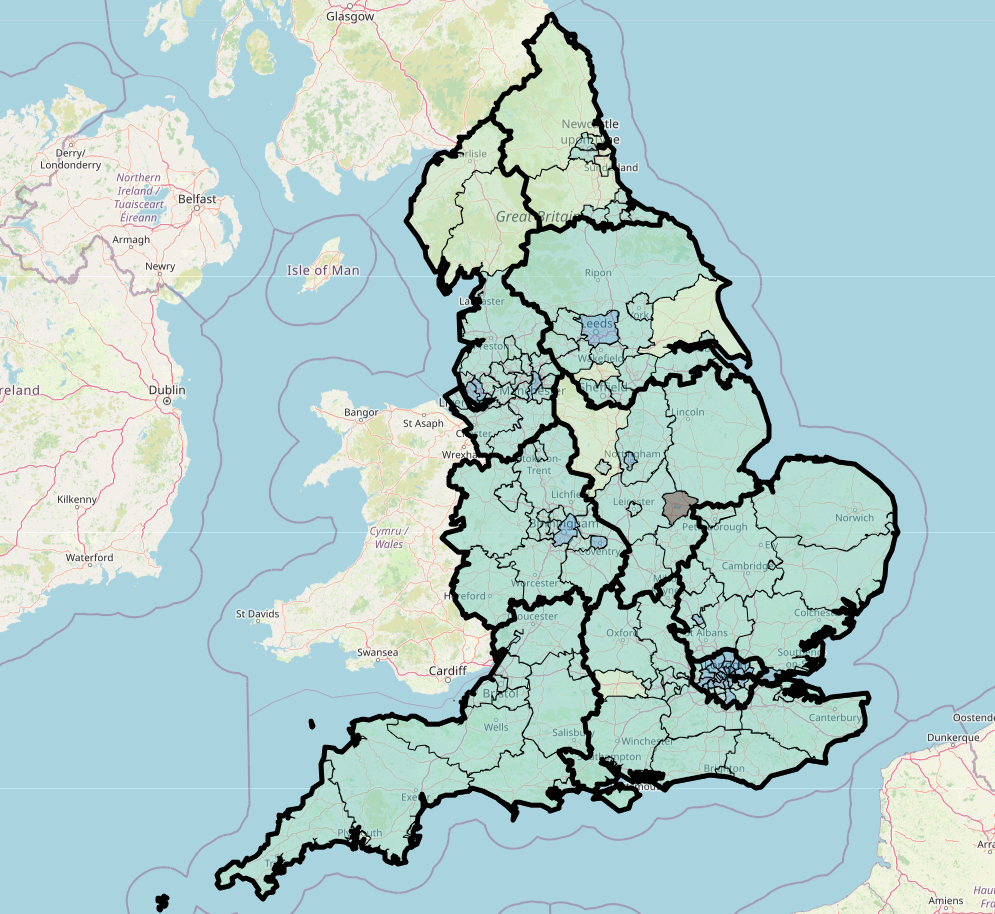
Since 1 January 2026, there have been 96 laboratory confirmed measles cases reported in England, according to the UKHSA. Of these cases, 64 per cent have been in London and 26 per cent in the West Midlands - both of which have some of the lowest MMR vaccination rates.
Stuart Neil, professor of Virology at King’s College London told the Independent: “There are several reasons for this vaccine hesitancy, in some communities it’s for cultural reasons; the rise of anti-vaccine disinformation; or a drop in coverage of the pandemic when kids were less likely to see the doctor for routine vaccinations.”
“The measles vaccine is highly effective but unless you vaccinate more than 90 per cent or so, you really can’t keep it from spreading to those in the population who are unvaccinated,” he added.
Paul Hunter, professor in medicine at the University of East Anglia, told the Independent, vaccines are the best way of preventing further spread of measles, over isolation.
“Measles is said to be the most infectious virus that affects humans, what we call non-pharmaceutical interventions have some value, but they don't prevent spread in non-immune populations,” he explained.
He added that babies under one cannot get the MMR jab and so are at a higher risk if there is no herd immunity.
“It's difficult to protect the very young, and so you rely on herd immunity, which if you're in Enfield, there's not a lot of herd immunity to go around, and it's the younger babies that can get the most severe disease outcomes,” prof Hunter added.
Join our commenting forum
Join thought-provoking conversations, follow other Independent readers and see their replies
Comments
Bookmark popover
Removed from bookmarks