Experts sound alarm on further measles outbreaks due to low vaccination rates
Just 64.3 per cent of five-year-olds in Enfield had received both doses of the MMR vaccine in 2024/25 – one of the lowest rates in the country
A measles outbreak in parts of London, which has left some children needing hospital treatment, is at risk of spreading further due to low vaccination rates, scientists have warned.
Measles is one of the most contagious diseases known to affect humans, but as vaccine rates, particularly in UK cities, have dramatically fallen, the risk of outbreaks has increased.
The UK Health Security Agency (UKHSA) said the outbreak in schools and nurseries in north-east London had left some children needing hospital treatment. The agency had previously reported 34 laboratory-confirmed measles cases in Enfield from 1 January to 9 February, while more than 60 suspected cases of measles have been reported by seven schools and a nursery in Enfield.
The World Health Organisation recommends that at least 95 per cent of children should receive vaccine doses for each illness to achieve herd immunity. But uptake of the MMR vaccine, which helps protect against measles, mumps and rubella, is at record lows.
In areas such as Hackney, just 65.3 per cent of two-year-olds have received their MMR jab and just 64.3 per cent of five-year-olds in Enfield had received both doses of the vaccine in 2024/25 – one of the lowest rates in the country.
That means almost one in two children is susceptible to measles in these inner-city pockets, warned Ian Jones, professor of biomedical sciences at Reading University.
“Most of the inner cities have been below the advised vaccination rate for some time now. There is no possibility of it suddenly becoming a national epidemic, but that's because most of the population is covered by vaccinations or previous infections. But in these clustered communities there is certainly an issue,” Prof Jones told The Independent.
Since 1 January 2026, there have been 96 laboratory confirmed measles cases reported in England, according to UKHSA; 64 per cent of these cases have been in London and 26 per cent in the West Midlands.
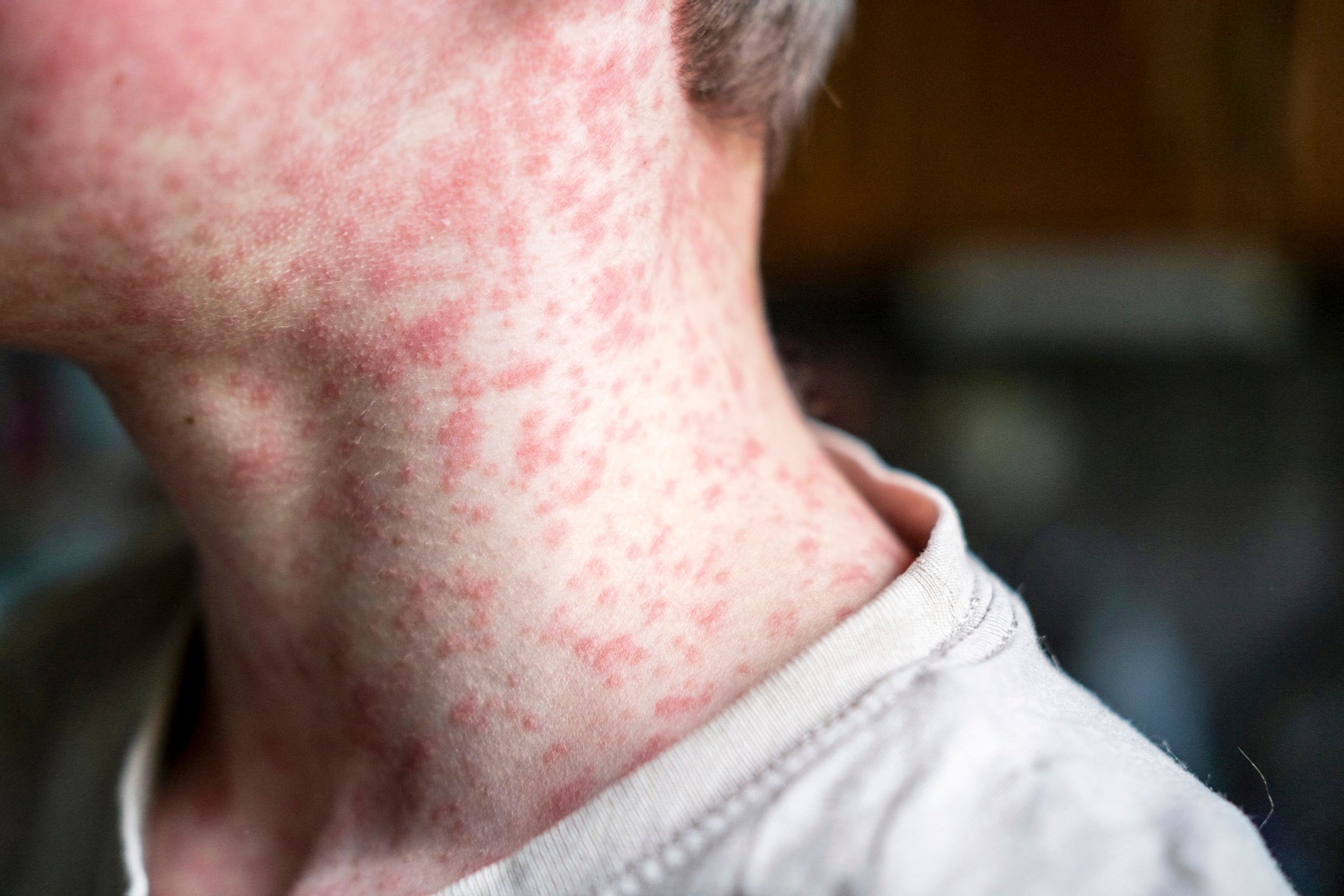
A rash, fever, runny nose, cough and conjunctivitis are common symptoms of measles, but it can trigger serious complications such as ear infections, encephalitis (swelling of the brain), blindness, breathing problems or pneumonia.
“Although very few kids will die of measles, it can make them very sick, and those that are in particular risk are those which are already malnourished or have some other infection because measles infects the immune cells meaning they are actually susceptible to further infections,” Prof Jones said.
Enfield Council warned in a letter to parents that unvaccinated pupils identified as close contacts of people with measles could be excluded from school for 21 days, in accordance to national guidelines.
Keith Neal, emeritus professor of the epidemiology of infectious disease at University of Nottingham believes the 21 day rule would be a “serious issue for some parents” but encourages them to get their children vaccinated.
He warned that measles will “spread anywhere” there are susceptible unvaccinated people and will continue to do so until vaccination rates increase.
“The measles vaccine is highly effective but unless you vaccinate more than 90 per cent or so, you really can’t keep it from spreading to those in the population who are unvaccinated,” Stuart Neil professor of virology at King’s College London toldThe Independent.
He warned that children under one year of age cannot have the measles vaccine and rely on herd immunity to protect them against the virus – meaning babies can be at a greater risk of infection.
UKHSA also warned there is a risk of further outbreaks due to lower levels of vaccination coverage in London.
Dr Vanessa Saliba, consultant epidemiologist at UKHSA: “Our latest data shows we are now seeing a big measles outbreak in north east London, mostly affecting unvaccinated children under 10 in schools and nurseries, with some being hospitalised. Measles is a nasty illness for any child, but for some it can lead to long term complications and tragically death but is so easily preventable with two doses of the MMRV vaccine.
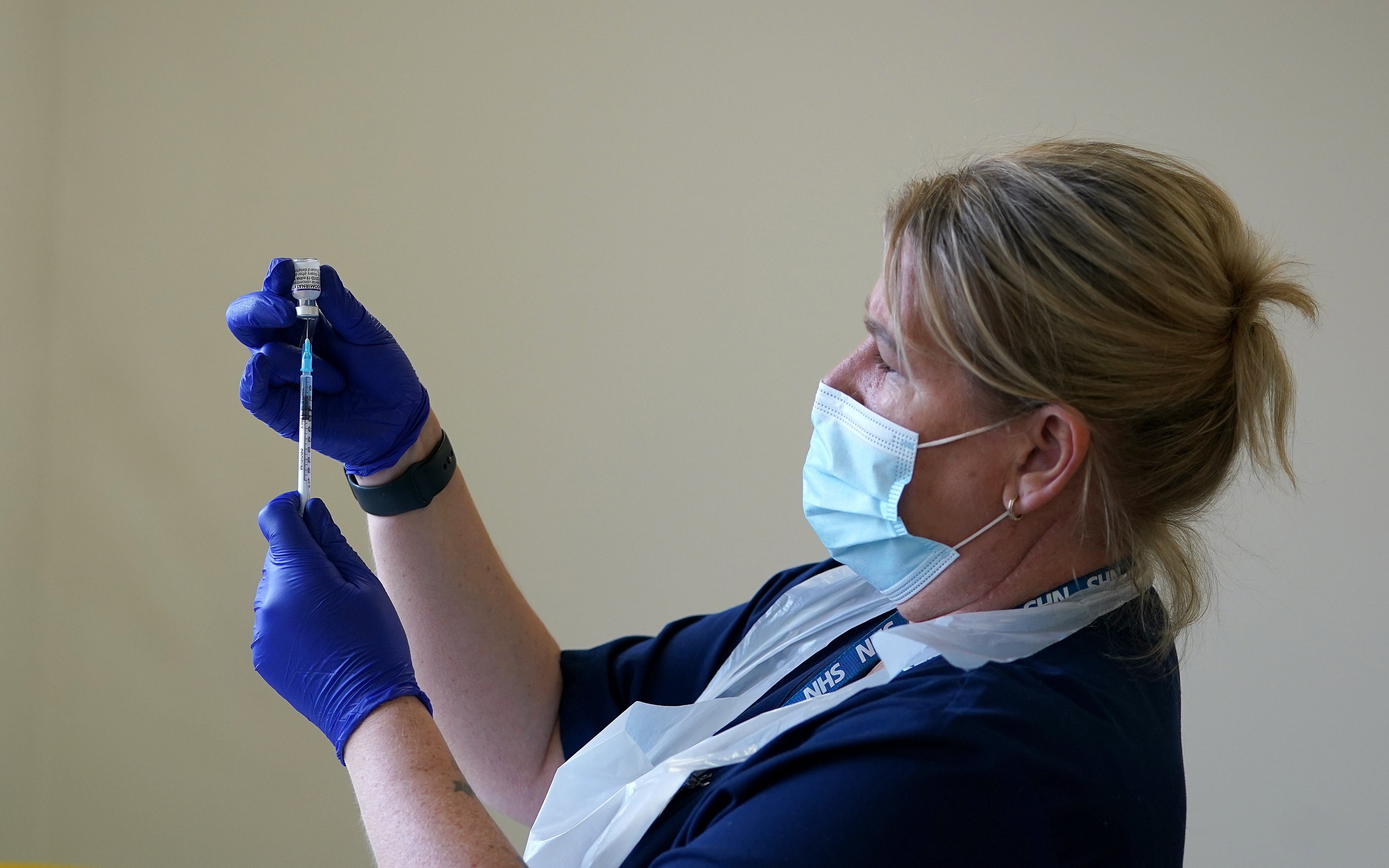
“If your child has missed any of their doses it’s important to catch up as soon as possible, giving them vital protection against this highly contagious disease, but also helping to protect more vulnerable children around them who are too young or unable to have the vaccine due to a health condition.
“With Easter holidays fast approaching, it is a timely reminder to families travelling overseas to ensure all family members, especially children, are vaccinated, as measles is widespread in some countries with close links to the UK and there are ongoing outbreaks in parts of Europe.”
Join our commenting forum
Join thought-provoking conversations, follow other Independent readers and see their replies
Comments
Bookmark popover
Removed from bookmarks