FDA approves beetroot red food dye in latest MAHA push
The administration has asked companies to phase out artificial food dyes tied to behavioral problems in kids
The U.S. Food and Drug Administration has approved beetroot red food dye – the next step in Health Secretary Robert F. Kennedy, Jr.’s push to remove synthetic, petroleum-based dyes from America’s food supply.
The reddish dye is a new color option, which the International Association of Color Manufacturers says could be used for yogurt, ice cream, salad dressings, meat products, soft drinks, and candies.
The agency has also approved and expanded the use of spirulina extract, an existing blueish green color made from blue-green algae that is used in chewing gum, frosting, cereal, condiments, beverages and dairy products.
The changes are being made to address concerns about health impacts from synthetic dyes, which have been associated with behavioral problems in children.
Previous research from the state of California and its schools has shown the synthetic dyes may cause or worsen hyperactivity in some children.
Kennedy called the latest move “real progress.”
“We are making it easier for companies to move away from petroleum-based synthetic colors and adopt safer, naturally derived alternatives,” he said. “This momentum advances our broader effort to help Americans eat real food and Make America Healthy Again.”
The announcements bring the total number of new food color options approved by the administration up to six, including gardenia blue, galdieria extract blue, butterfly pea flower extract and calcium phosphate.
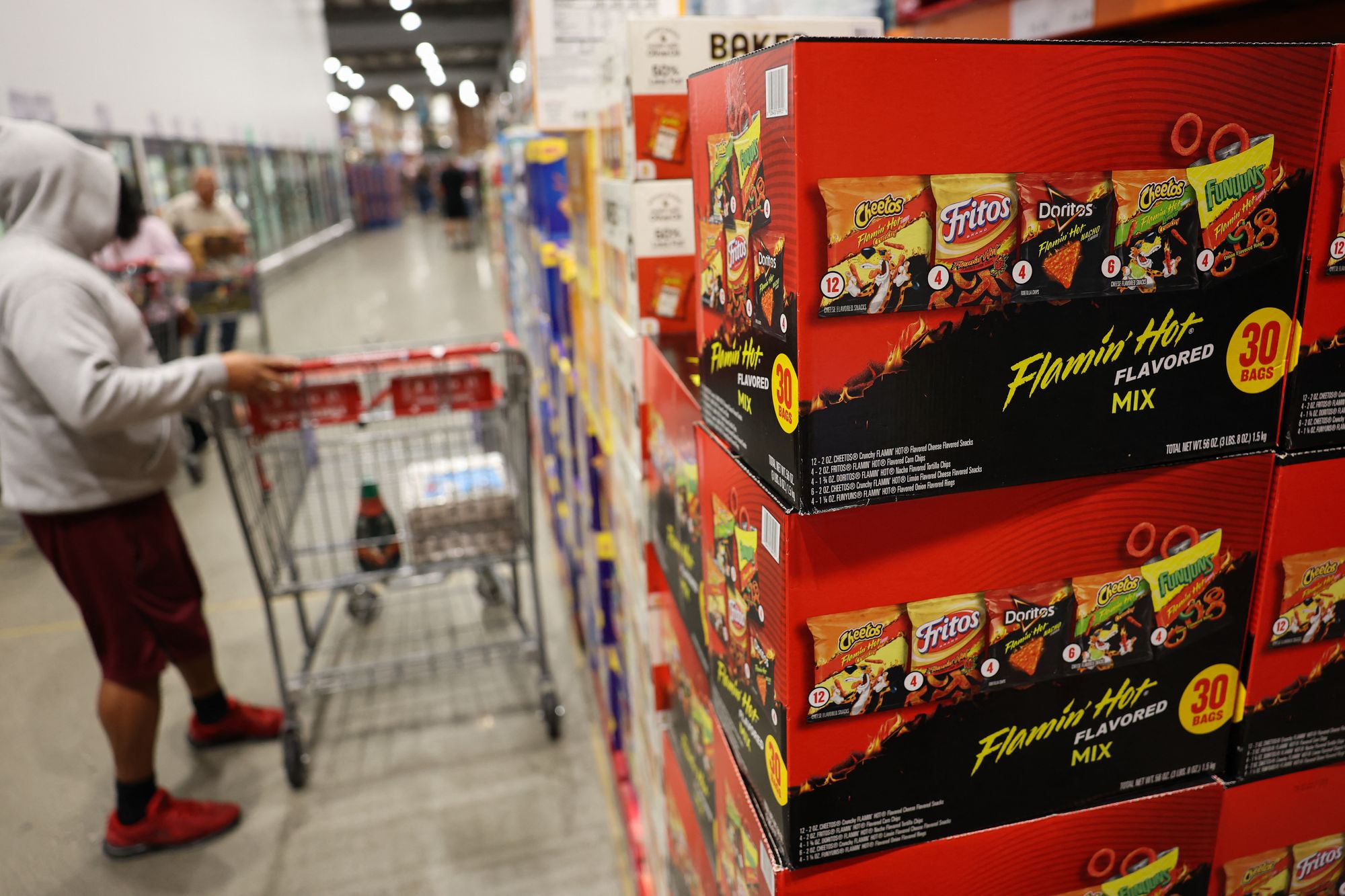
Researchers said in June that synthetic dyes were found in one in five packaged food and drink products in the U.S., but the National Confectioners Association said the findings had “major gaps” not supported by data.
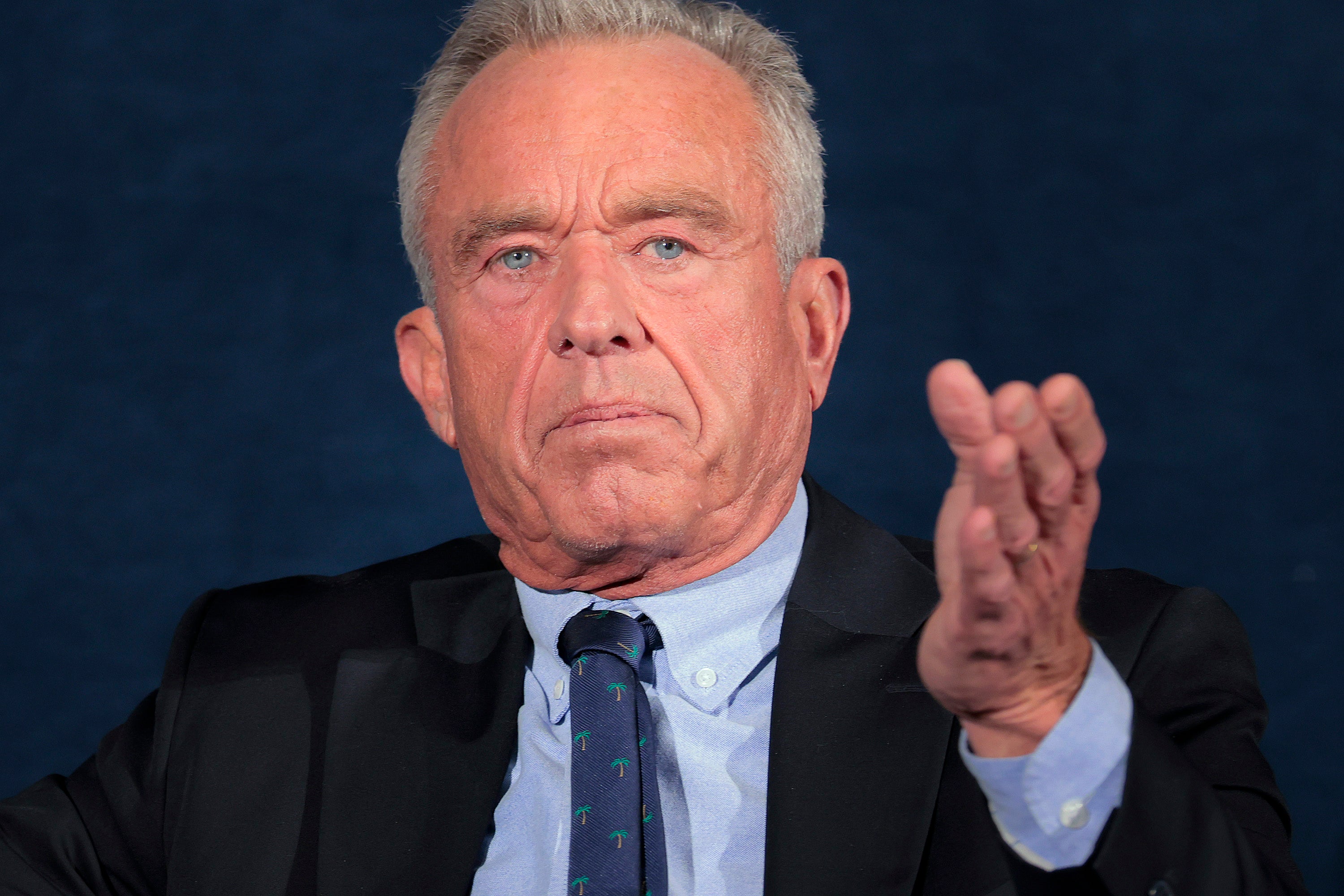
Kennedy and Trump health officials first announced the push against synthetic dyes in the spring of last year, asking the food industry to voluntarily phase out their use.
Since then, candy maker Mars Wrigley North America announced that M&Ms and Skittles would have options with no synthetic dyes this year and PepsiCo, Inc., has completed its pledge to make new Cheetos and Doritos products completely colorless.
Kraft Heinz, General Mills The Hershey Company, McCormick & Co., J.M. Smucker and Nestlé USA have made their own commitments.
The FDA also announced this week that companies could be able to claim products contain “no artificial colors” when they do not have petroleum-based colors – instead of no added color whatsoever.
“We are working diligently to facilitate industry’s phase out of petroleum-based colors and speed up authorizations for colors that are derived from alternative sources,” Deputy Commissioner for Human Foods Kyle Diamantas said.
Experts have said shifting the industry fully away from synthetic dyes could take up to three or four years.
"It's not like there's 150 million pounds of beet juice sitting around waiting on the off chance the whole market may convert," Paul Manning, the CEO of the colors marketing company Sensient, told The Associated Press last April. "Tens of millions of pounds of these products need to be grown, pulled out of the ground, extracted."
Join our commenting forum
Join thought-provoking conversations, follow other Independent readers and see their replies
Comments
Bookmark popover
Removed from bookmarks