I’m a personal finance expert and even I don’t know what to do about my student loan of £100k
Having built his career on answering questions about money, Gabriel Nussbaum is still struggling to make sense of the student loan he signed up to at eighteen. So what does that mean for the rest of us?


I spend my life teaching people about money. Credit cards, ISAs, investing, debt. I have built a career around making financial decisions feel clear and achievable. But there is one product I have held for nearly a decade, one that takes hundreds of pounds from me every single month, and I genuinely have no idea what to do about it.
My student loan balance today sits at £43,679.57. I am on Plan 2. My wife is on the same plan. Between us, before either of us has turned 30, we are carrying over £100,000 in student debt. That number, by the way, is still going up.
I understand compound interest. I understand marginal tax rates, repayment thresholds, the difference between RPI and CPI. I have explained all of these things to my audience of millions of people. And I still cannot tell you whether I should overpay my student loan, invest the money instead, or simply never think about it again. If that does not tell you something is deeply wrong with this system, I don’t know what will.
I went to a good school. At good schools in England, there is no real conversation about whether you go to university. The conversations are about where you will go.
Apprenticeships were barely mentioned. Alternative paths were not celebrated. If you had academic ability and did not apply, it quietly felt like failure, like you had let everyone down. So my friends and I all signed up - at a cost of £9,000 a year.
.png?quality=75&width=230&crop=3%3A2%2Csmart&auto=webp)

I borrowed £36,750 over four years studying Mechanical Engineering at Imperial College London. I knew the fee. I knew vaguely it was written off after 30 years. That was genuinely the extent of my financial education on how this system worked.
Nobody explained that interest starts accruing from the day the first payment lands, before you have sat in a single lecture. Nobody mentioned that the rate is RPI plus up to 3%, and that at its peak, that meant an interest rate above 8% back at the height of inflation. There was not one lesson on the contract we were signing. We were just told: “You will earn it back”... “It’s worth it”... “Trust us.”
By the time I graduated in 2020, before I had made a single meaningful repayment, my balance had already climbed from £36,750 to £42,504. That is nearly £6,000 in interest, added quietly while I was still in lectures and before I had earned a penny.
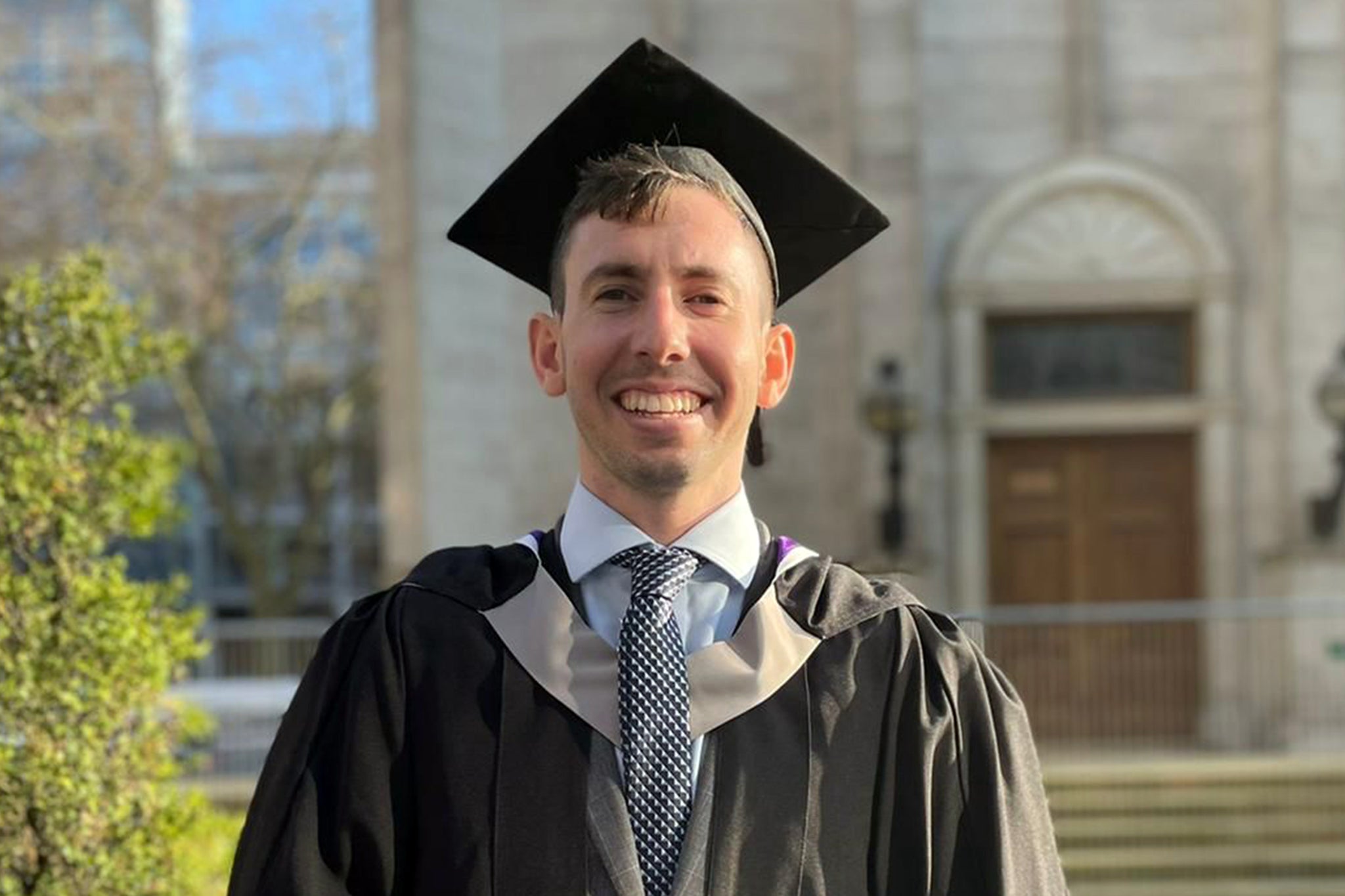
Then came the other half of the promise. I had a first class degree from one of the country's most demanding universities in one of its most demanding subjects. I applied to 30 or 40 graduate schemes and got one offer (I would consider myself lucky).
My starting salary was £36,000; great, by graduate standards, and I was grateful for it. But within a few years nobody was asking about my degree. Meanwhile, my friends who had done apprenticeships were debt-free, with three years of earnings already behind them, with equivalent qualifications in hand. And they were starting to look less like people who had missed out, and more like people who had quietly figured something out that the rest of us hadn't.
As my salary grew, something else happened that I was completely unprepared for. Once you cross £50,270, you are paying 40% income tax, 2% National Insurance, and 9% student loan repayment simultaneously. That is 51%. More than half of every additional pound you earn is gone before you see it. This is the reward the system designed for people who did everything they were told to do. This is what investing in yourself looks like in 2026.
And here is the part that keeps me up at night. Unless you are earning well above £65,000, your balance is almost certainly still growing faster than you are clearing it. I am paying hundreds of pounds a month and my loan is barely moving. The middle earners, the teachers, the engineers, the nurses, the ones the whole promise was supposedly built for, pay the most, for the longest, and often never clear it at all.
So back to my own personal circumstances. Between my wife and I we are at around £100,000. It’s still climbing as I write this.
This is the psychological cost that never appears in any policy document. It is not just the monthly repayment that breaks you. It is logging in and watching the number rise despite making payments. It is calculating your net worth and feeling like you are starting from a hole you did not fully understand you were digging. It is the way it changes how you think about risk, about changing jobs, about whether a pay rise is even worth pushing for when you know the majority of every extra pound is already allocated to go somewhere else. For a system designed to expand opportunity, it generates a remarkable amount of quiet dread.
Every year I ask myself whether I should just attempt to pay it off by overpaying each month. At a 6-8% interest, I would clear almost any other debt without hesitation. But this one sits differently. Keir Starmer promised to abolish tuition fees entirely when he was running for Labour leader. He did not. There is constant noise about changes to the system, about interest rate caps, about threshold updates. So I leave it. We are told most people never fully repay anyway, and that logic has embedded itself in my thinking even as I watch the number climb month after month.
What makes this harder to stomach is that the terms we signed up to are not even the terms we are living with. Graduates were told that repayment thresholds would rise with inflation each year. They have been frozen. The interest rate is calculated on RPI, a measure the government has largely abandoned for its own purposes because it runs higher than CPI. If a private lender changed your repayment conditions after you had signed the contract, we would call it mis-selling. When the government does it, Rachel Reeves calls the system "fair and reasonable."

I keep coming back to one thought. I did A level Further Maths, Physics and Economics. I have spent years immersed in personal finance. I did not fully understand what I was signing at eighteen, and I cannot fully make sense of it now. So what chance did anyone else have? What chance does any 18 year old have, sitting in a school hall being told this is just what you do next, armed with nothing but the vague reassurance that this pathway will work out.
We were eighteen when we signed. The least that those in power can do now is stop quietly changing the terms, stop charging an above inflation premium that guarantees middle earners repay far more than they ever borrowed, and stop insulting an entire generation by calling it fair.
Because right now, the honest message to young people is this. Work hard. Go to university. Earn well. And you will still spend the next thirty years wondering if you made the right call.
I have built a career on answering financial questions. I cannot answer this one.
Join our commenting forum
Join thought-provoking conversations, follow other Independent readers and see their replies
Comments
Bookmark popover
Removed from bookmarks