Mind the ‘Mounjaro gap’: How the rich have just got a lot thinner
As new research shows weight loss jabs are more likely to be used by women on high incomes than those who need it in deprived areas, Radhika Sanghani looks at how a life-changing and saving medication is deepening the class divide


When Kelly Todd, 46, entered secondary care for weight management on the NHS four years ago, she quickly realised it would take her years rather than months to the weight-loss drugs she needed.
She decided to go private, spending £189-£299 a month, whilst remaining within the NHS system. When the NHS made GLP-1 drugs like Mounjaro available last year to those with a BMI over 40 and four weight-related comorbidities, Todd was finally given a referral. But nine months on, she’s still waiting to access the medication.
“I still don’t have clarity on when I’ll be seen. From first approaching my GP to enquire about GLP-1 access on the NHS to now, I’ve effectively been waiting over four years. Given the length of time I’ve already spent within the NHS pathway, it did not feel realistic to wait indefinitely without support.”
Todd isn’t alone. New research shows that weight loss jabs are more likely to be used by middle-class women in their thirties and forties, than those in the most deprived areas.
The Health Foundation, working with weight-loss drug provider Voy, analysed private prescriptions for GLP-1 drugs like Mounjaro and Wegovy and discovered that 79 per cent are for women spending hundreds of pounds each month.



It also found that people in the most deprived areas were a third less likely to be taking the jabs, and tended to be much heavier when they started the medication – creating a stark class divide with real health implications.
“This is a phenomenon we’re very familiar with in public health,” says Kate Pickett, professor of epidemiology at York University. “It’s called intervention-generated inequality. Quite often, when a public health intervention is implemented, it’s preferentially taken up by those who are middle-class and wealthy.
“Sometimes that’s because it’s easier for them, they have more education to understand why it’s needed, or more capacity or time. The problem is that even when you’re improving the health of the population, you’re also creating bigger inequalities.”
NICE stated last year that GLP-1 drugs like Mounjaro would be available to anyone with a BMI over 35, and one weight-related comorbidity. But as that applies to 3.4 million people in the country, NHS England made the unusual step of adjusting the rollout so only 220,000 people would be able to access the drug in the next three years, rising to the threshold of a BMI over 40, and four or more comorbidities.
The problem is that due to availability constraints, not everyone will automatically receive the drug, leaving them with only one other option: to go private, where weight-loss jabs can cost £144-£324 a month.
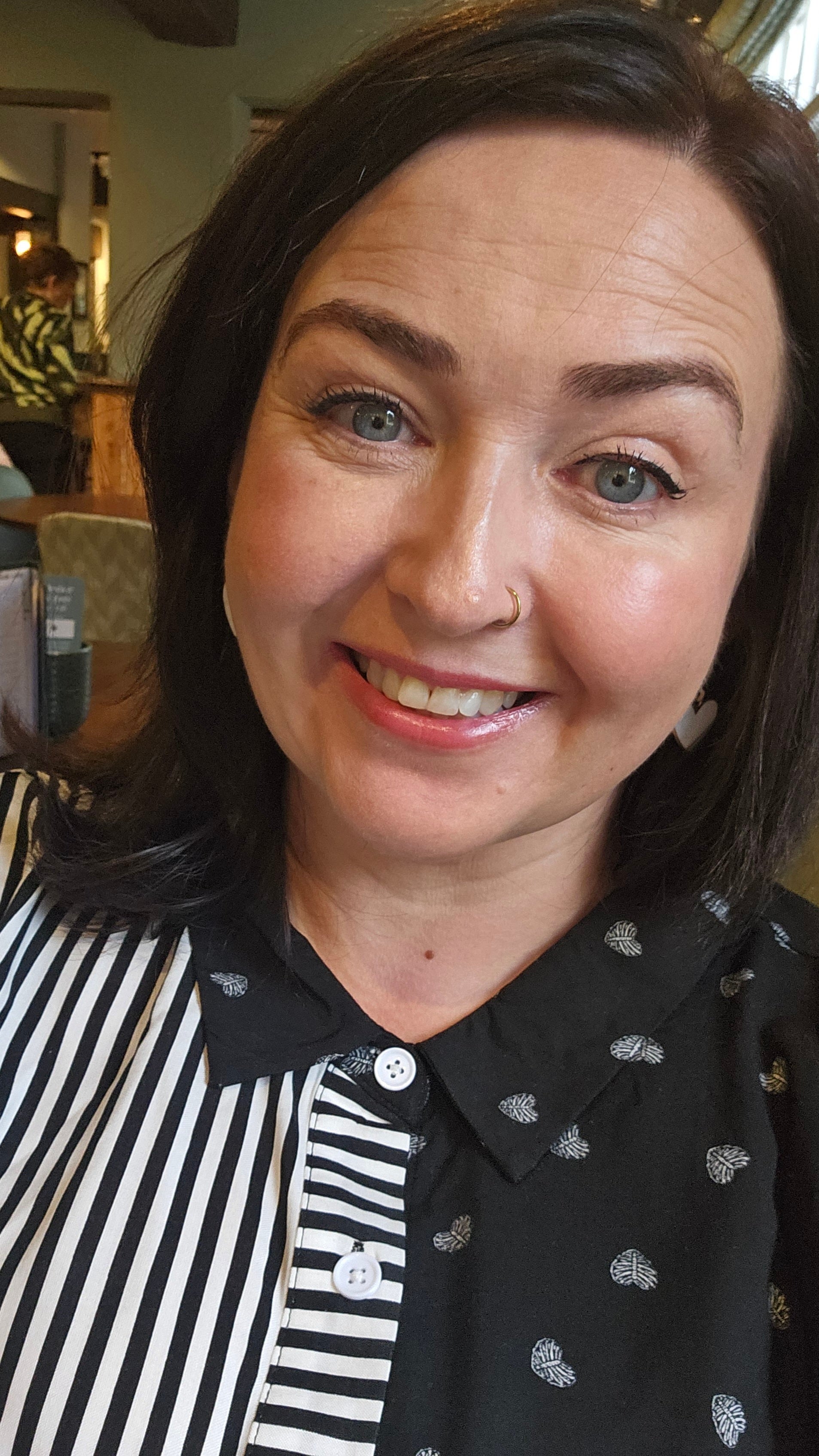
“My decision to do that was health-led rather than convenience-led, and I am very aware that not everyone is in a position to self-fund treatment,” says Kelly Todd, who had to leave her job due to her health. “That disparity is a significant part of the wider access issue. That is why it can feel like a lottery. Eligibility does not automatically mean access.
“Funding the medication privately has not been a small or easy expense. It has required considerable lifestyle adjustments and prioritising long-term health over other areas of spending. If the NHS were able to prescribe it, it would make a meaningful financial difference. At present, continuing privately is a conscious choice to invest in my health, but it does come with sacrifice.”
Dr Charlotte Refsum, Director of Health Policy at the Tony Blair Institute for Global Change, believes the current Mounjaro rollout “risks entrenching health inequality”. “At the moment, those with the deepest pockets can buy better health and better life chances, while others are left behind. That runs directly counter to the founding principle of the NHS – that care should be based on need, not ability to pay.”
But there are multiple issues at play, not just the class health divide: there’s also a concern that the “Mounjaro gap” will take us back to a time where being thin was associated with status and wealth. To a moment where, as Kate Moss once famously said, “nothing tastes as good as skinny feels”.
“We’d moved on from that with the body positivity movement,” says Pickett, author of The Good Society And How We Make It. “But people are worried the needle is swinging back again, that class-related differences in body shape will become entrenched” – where “you can never be too rich or too thin”.
“I know there are private providers micro-dosing these drugs,” she adds, pointing out that the threshold privately lowers to anyone with a BMI of 30 and over. “They’re no longer being used by those who are clinically obese but are being purchased by people who don’t have a medical need for them, but an aesthetic desire.”
Field is more optimistic – wondering if “being thin will be seen as less desirable once it is easier to achieve” due to the jabs – but she is concerned about weight-loss drugs deepening life expectancy gaps with both class and gender.
“We know these drugs have a big impact on the health outcomes of those who take them,” explains Field. “We already have a 20-year gap in healthy life expectancy between the richest and poorest. The government wants to half this. But when we see these trends playing out in the private sector, it’s difficult to see how they’ll achieve that ambition.”
At the moment, those with the deepest pockets can buy better health and better life chances, while others are left behind.
She also points out that only 21 per cent of private prescriptions are for men, which isn’t surprising considering women have more “health-seeking behaviour” than men – one of the reasons why, on average, women live four years longer than their male counterparts.
But to her, the biggest issue is the NHS trying to medicate a condition that is completely preventable. “If the government is serious about addressing health inequalities, then population-level interventions – like restriction of advertising and pricing of health foods – are the fairest ways to ensure everyone gets this.”
Pickett agrees, explaining that in our “obesogenic” world, those most in need can’t be blamed for not taking up interventions like Mounjaro. “If you live in areas of food desert or you’re reliant on food aid, you’re not getting the kind of nutritious diets or access to food and gyms you need. It’s complex and nuanced – not a simple answer like those in need aren’t interested.”
Both she and Field are calling for more research into uptake and patterns with weight-loss drugs, so the next rollout can really reach those who need it most.
Dr Refsum wants the NHS to go even further. “If we’re serious about prevention, we should be aiming to offer anti-obesity medications to adults with a BMI of 27 and over, with no major contraindications, over the next two years. That would mean rolling them out to an estimated 14.7 million people — not just the small proportion who can currently access them.
"The NHS also needs to move faster to keep pace with major medical advances that can dramatically improve outcomes and prevent long-term illness. The answer is to think boldly about widening access — from digital-first support to offering treatment at the point patients need additional help — so these innovations narrow health inequalities rather than deepen them.”
Join our commenting forum
Join thought-provoking conversations, follow other Independent readers and see their replies
Comments
Bookmark popover
Removed from bookmarks