I have the same health condition as Trump. Here’s what you probably don’t know about it
President Donald Trump was diagnosed with chronic venous insufficiency last summer - a vascular condition that is commonly seen in older adults. But The Independent’s Julia Musto has been living with the condition for most of her 32 years


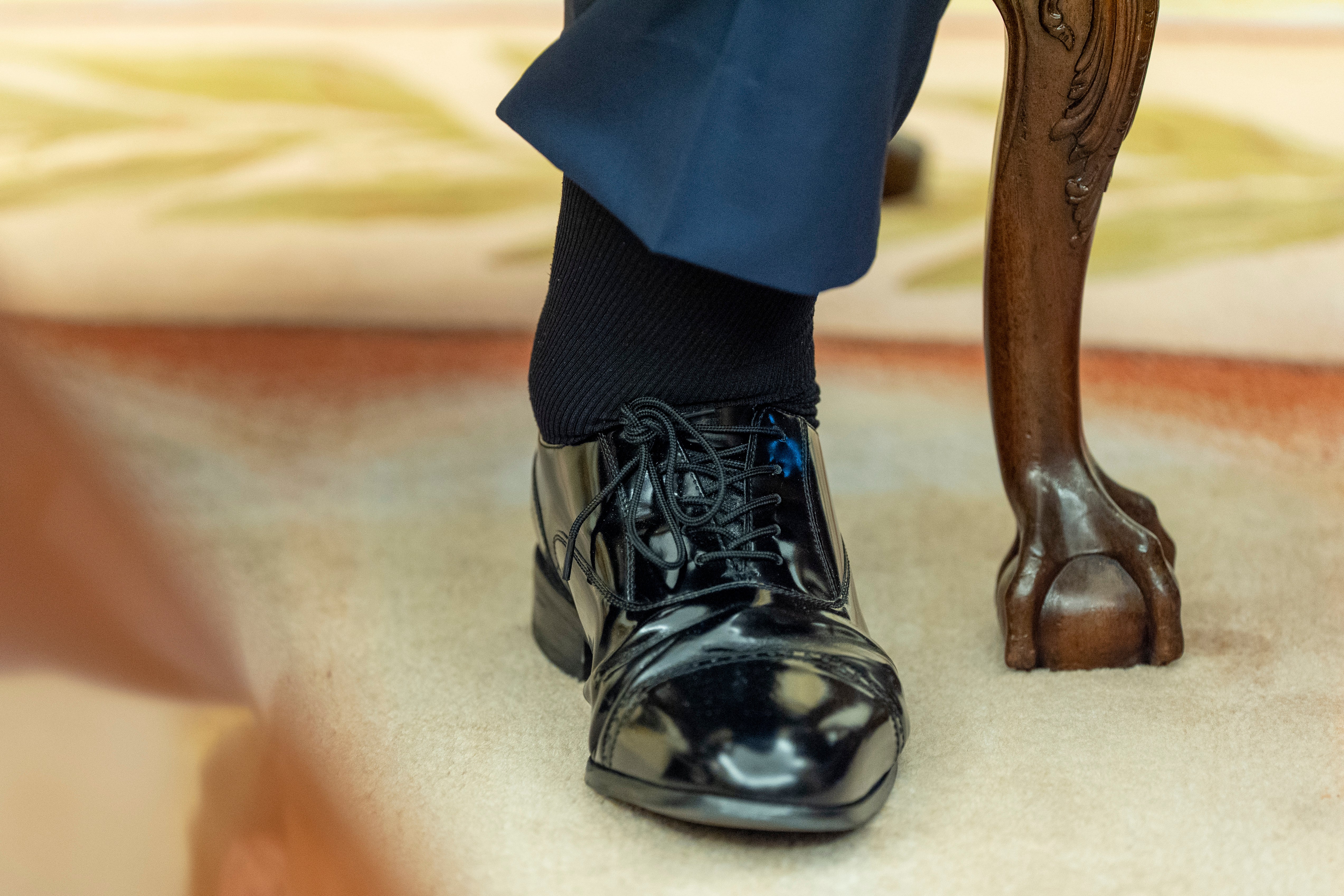
When photos of President Donald Trump’s swollen hands and ankles went viral last summer, I couldn’t help but see my own.
The president was diagnosed with chronic venous insufficiency: a common vascular condition that mainly affects older adults. Tens of millions of Americans - or around one in four people - live with the affliction, the majority of whom are over the age of 50.
Venous insufficiency means that a person’s veins are weak, impacting blood flow in the legs that can lead to high blood pressure, swelling and even ulcers. The president is affected by mild swelling in his lower legs due to the condition, according to his physician Dr. Sean Barbabella.
But at 32 years old, I’m one of the five percent of adults between the ages of 18 and 65 plagued by the condition - and its one that’s followed me since I was a teenager.
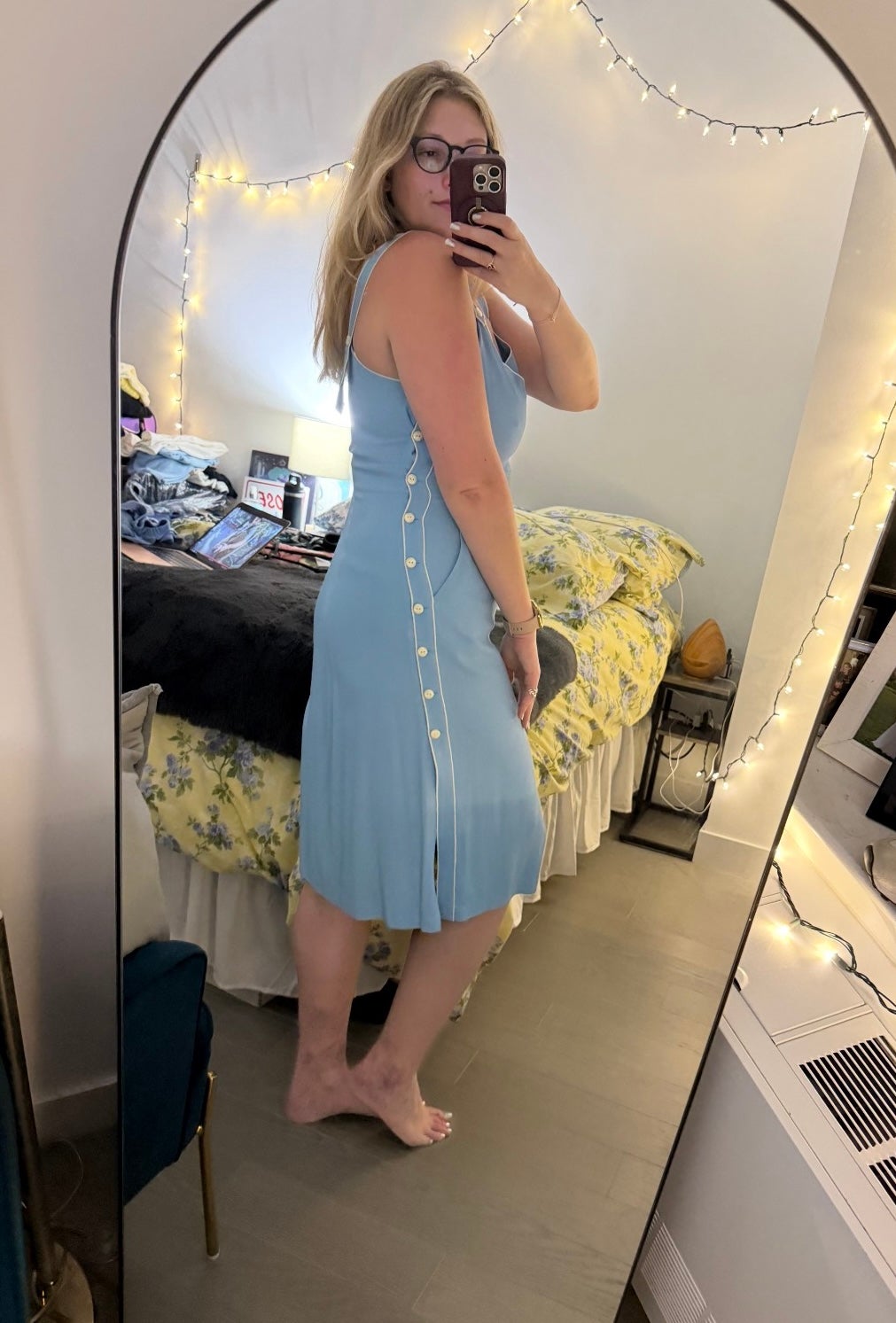
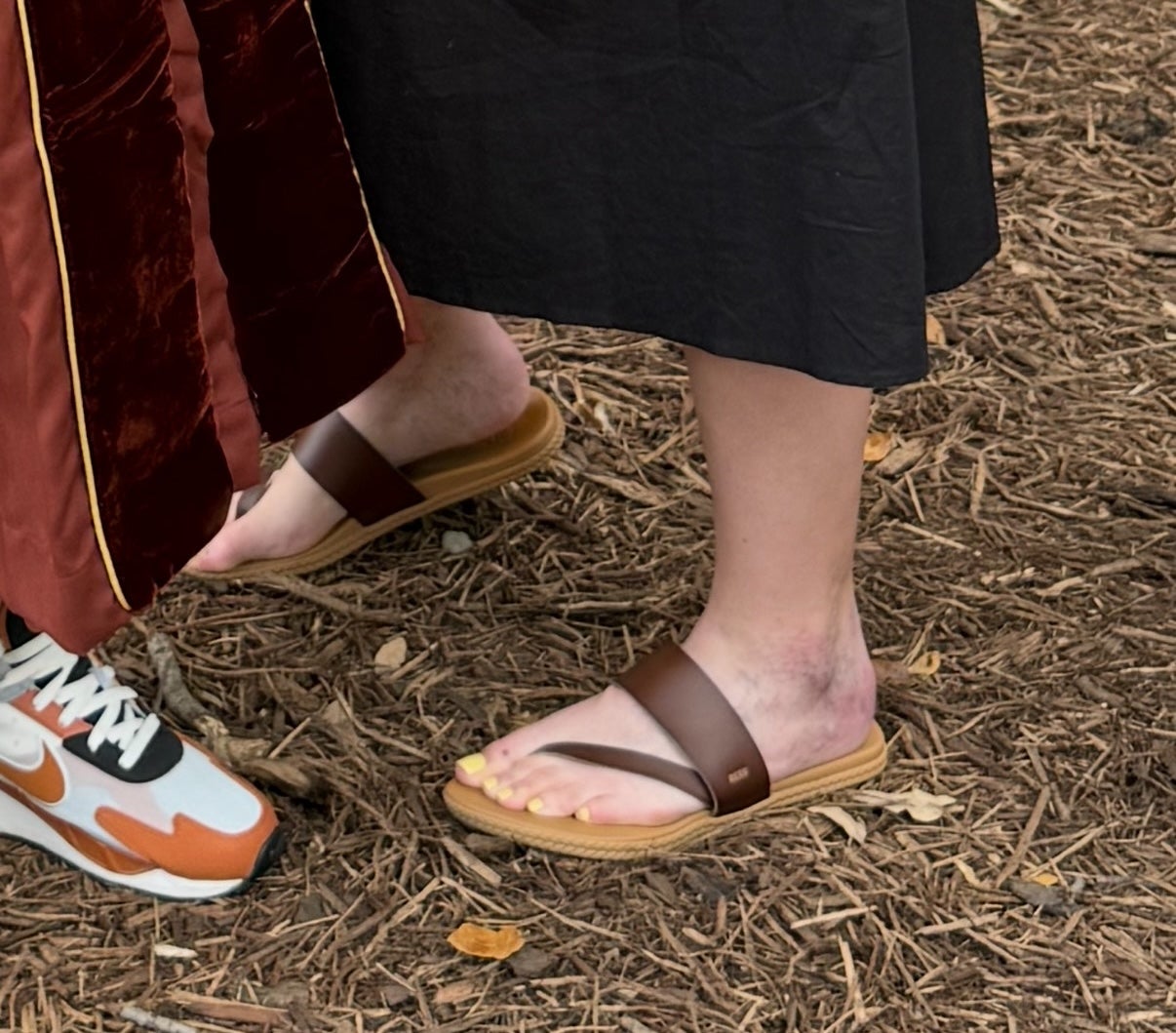
Mostly, it just causes me embarrassment with red, purple and blue veins crawling up my feet, ankles and legs. When I was growing up, my dermatologist at first thought the small patches of red lines on the insides of my ankles were spider bites. Unfortunately, they weren’t - and they never went away.

Over time, my veins have only gotten larger and more noticeable, first affecting the insides of my legs and then working their way to the outside. The veins on my feet and outer ankles mimic purple bruising.
The condition has gotten worse over the course of the last decade, making it harder to hide in photos and on first dates.
I even considered getting tattoos - and some of those with spider and varicose veins have embraced the ink. But doing that can damage veins, leading to bleeding or infections, and don’t stop the underlying issues related to venous insufficiency, according to the Center for Vein Restoration. Also, my mom would kill me.
So, I have become an expert in camouflage on social media, using filters and blurring tools to cover up the worst of the visible veins.
Still, the reality is I have a genetic condition that deserves attention, and the best way to deal with venous insufficiency is to know as much about it as possible, experts say.
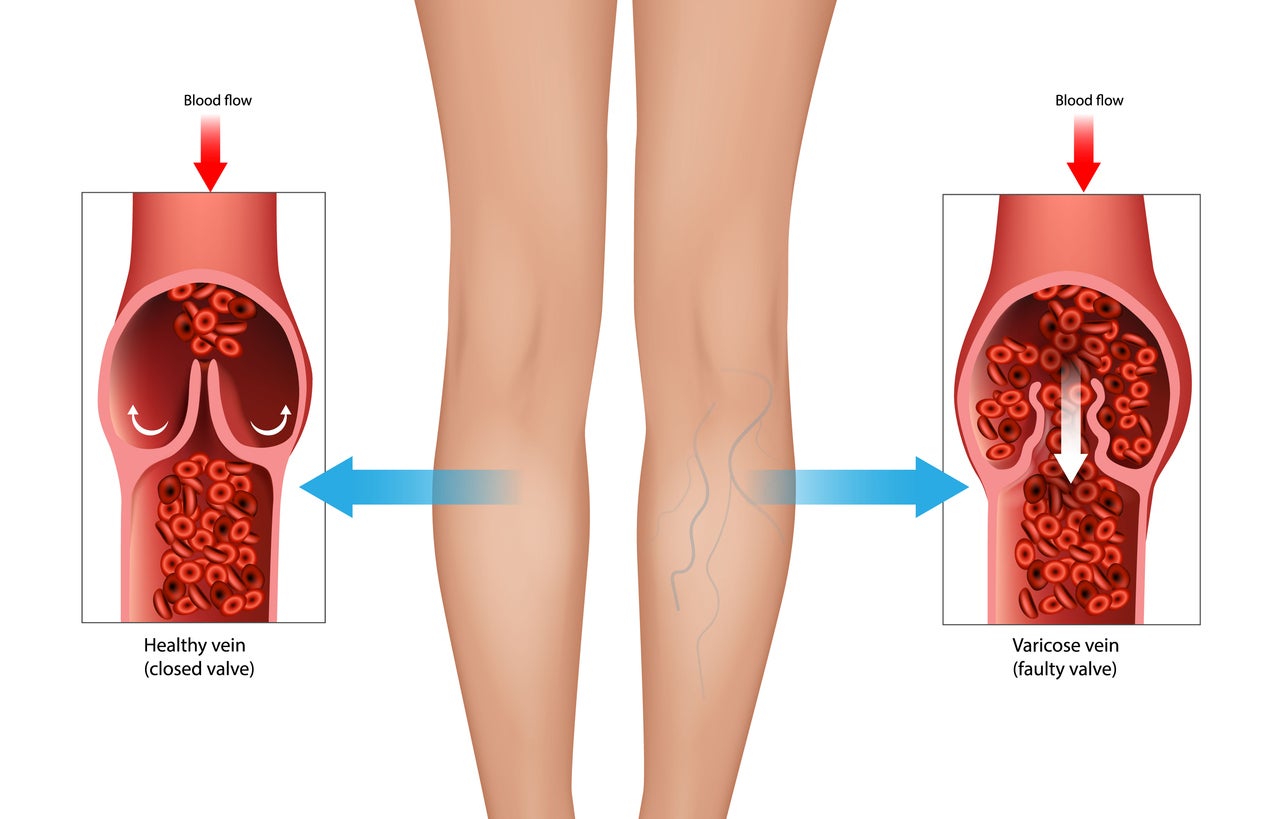
The condition occurs when the valves in your leg veins don’t function properly, causing the blood to pool in the limbs and slowing blood flow from the legs to the heart.
The result can often be pain, itchiness and swelling that leads to dry, fragile or flaky skin. In the most extreme cases, people may develop painful sores on their legs as their skin quality degrades.
People with venous insufficiency can also develop varicose or spider veins due to the damaged vein valves. Although not all people with venous insufficiency have them.
While cases of venous insufficiency are fairly rare in younger adults, Dr. Rob Attaran, an interventional cardiologist with the Heart and Vascular Center at Yale New Haven Health, told The Independent that he treated patients as young as 19 - and that women are at higher risk.
“If you’re a woman and you have one part with varicose veins, there’s probably an almost 50-50 chance you will have them, too,” he said. “In men, it’s a little bit lower - but it’s still pretty high.”
There are other aspects that can leave you at a higher risk, as well. Those factors include how often you move around, your genetic history, a history of obesity, being pregnant, smoking, developing deep vein thrombosis - a blood clot in a vein located deep in the body - and sleeping in a chair.
It’s unknown which risk factors might have led to the 79-year-old president’s chronic venous insufficiency, but White House Press Secretary Karoline Leavitt said in July that Trump underwent an evaluation from the White House medical unit in an “abundance of caution” after noticing the swelling.
“The president underwent a comprehensive examination, including diagnostic vascular studies,” she said, reading a memo from Barbabella. “Bilateral lower extremity venus doppler ultrasounds were performed and revealed chronic venus insufficiency, a benign and common condition.”
“All results were within normal limits,” Leavitt added.
Venous insufficiency cannot be cured or reversed, but it can be treated with lifestyle changes and medical procedures. The top choice is swearing compression socks or hose, which ease swelling, push blood back toward the heart and relieve any pain the patient may be experiencing.
But, that’s not the only option, Dr. Richard Meena, a vascular surgeon at Brown Surgical Associates, told The Independent.
“A lot of the advances have been kind of in catheter-based or minimally invasive procedures,” he said. “There’s heat and laser, as well as injectable solutions like foams and glues, with the idea that if you cause some sort of irritation within the vein itself that’s a little leaky, you might be able to shut it down so that more blood can go back to the heart and less will accumulate in the leg.”
There are also cosmetic solutions, to help reduce the sometimes intense appearance of the veins. Doctors can inject detergent-based medication called sclerosants into spider veins, or remove the veins with small needle pokes in an outpatient procedure known as microphlebectomy.
“All of these procedures are minimally invasive, where you walk in and walk out of the clinic with little to no downtime and you can enjoy your legs again,” Dr. Charles Leithead, a vascular surgeon with Ochsner Health, said.
And sometimes treating the symptoms may help the cosmetic side of venous insufficiency improve, Meena also noted.
I’ve often thought about trying those cosmetic treatments, of course. But they are costly, and often not covered by health insurance providers. New York City’s Metro Vein Centers prices some foam, catheter and laser treatments at more than $2,000 each time.
People may have to pay for them more than once. Even though the procedures may help veins to close, new veins can crop up later.
Until I make that decision, the experts suggest I remain active, wear compression socks and stay as healthy as I can.
Running is great for the condition, as well as getting up and moving as much as possible during the work day, Meena said. Getting up and taking a short walk every 30 minutes over the course of an eight-hour work day is enough to make a difference, according to Upstate University Hospital.
Ultimately, my biggest takeaway has been the importance of staying vigilant about regular check-up appointments with a primary care physician or vascular specialist.
Ignoring vein issues can lead to complications, and even clots or blockages in arteries in the lungs. Getting checked out is crucial to prevent venous insufficiency from getting worse, and each case is different.
“Everyone has their own medical journey, including with their veins,” said Meena.
Join our commenting forum
Join thought-provoking conversations, follow other Independent readers and see their replies
Comments
Bookmark popover
Removed from bookmarks