The best and worst barbecue foods for your health, according to the experts
Barbecues could be a golden opportunity to eat well – but most of us are getting it badly wrong. Hannah Twiggs grills the experts on what to avoid this summer, and what to serve instead

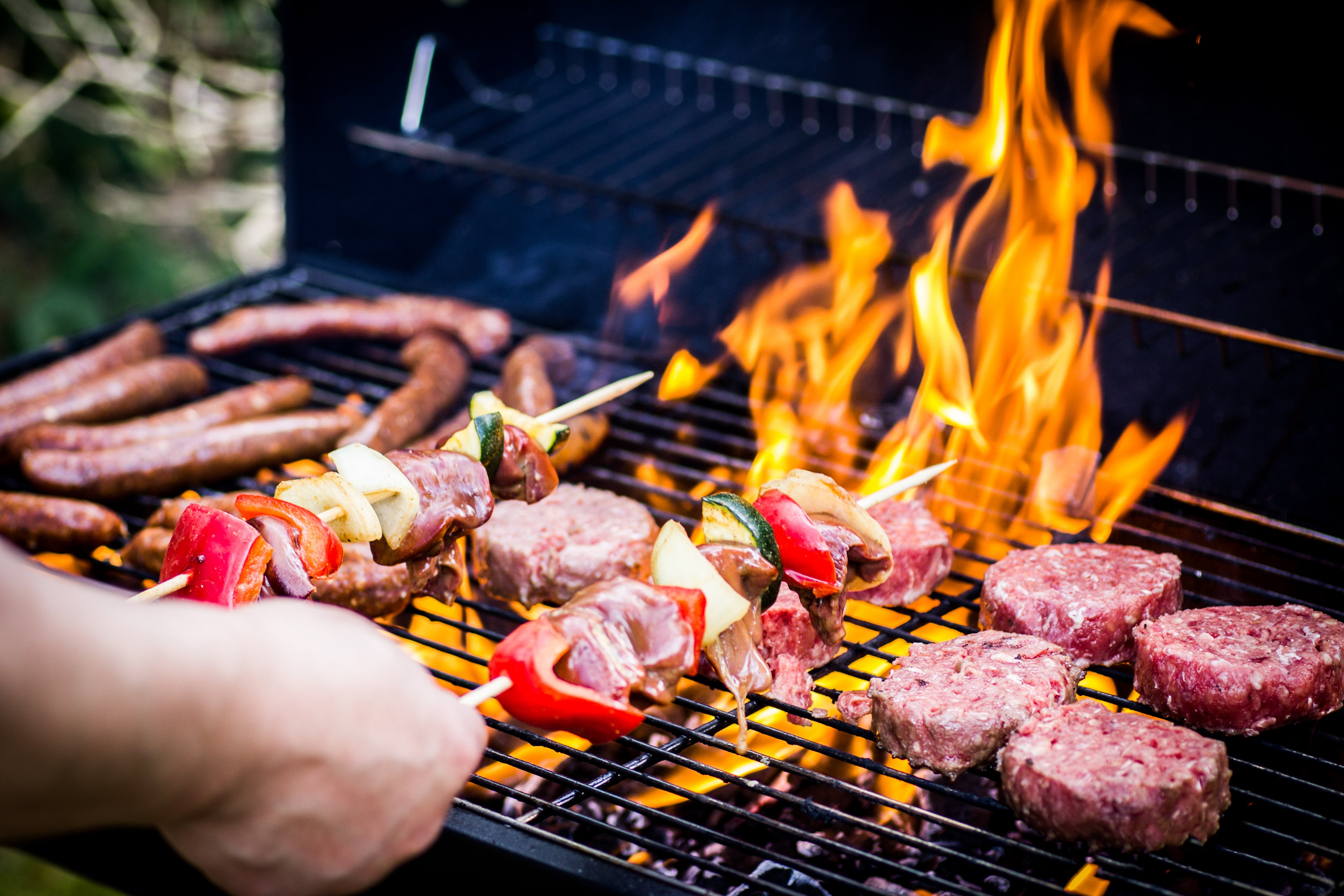
Barbecue season should be a golden time for health. You’re outside, cooking from scratch, eating slowly (ish) and enjoying yourself. The method is simple and fire-kissed. No deep-fat fryers or ultra-processed ready meals in sight. But the way most of us do barbecues? That’s a different story. Salty supermarket sausages. White bread buns. A plastic pot of coleslaw sweating in the sun. Possibly some scorched halloumi if someone’s feeling fancy.
What should be a wholesome, gut-friendly way of eating – grilled proteins, heaps of vegetables, fermented sides if we’re really doing it right – quickly turns into a bloated, beige pile of processed meat, saturated fat and sugar-laden sauces.
And it’s not just the waistband-tightening aftermath we should worry about. Experts warn that the typical British barbecue could be quietly sabotaging your gut, heart and long-term health – but it doesn’t have to be that way.
Why barbecues can be bad for your health
“It’s easy to exceed the recommended daily salt intake (6g for adults) in just one plate of barbecue food, with salt in processed meats like sausages and burgers (both meat and meat alternatives), bread rolls, shop-bought marinades, sauces and sides such as coleslaw and potato salads,” says Zoe Davies, senior nutrition projects officer at Action on Salt and Sugar.


She adds: “Consistently eating too much salt, which we often all are without realising, increases our risk of high blood pressure, heart disease and stroke. Early studies suggest high salt intake could also decrease certain health-promoting gut bacteria, however, there’s still more research to be done in this area.”
Reducing salt intake across the population, she says, could prevent thousands of premature deaths and ease pressure on the NHS.
Tracy Parker, senior dietitian at the British Heart Foundation, agrees that “some barbecue favourites, like processed meats and salty sauces, can add significant amounts of salt and saturated fat to your diet, which isn’t great news for our hearts. Over time, eating too much salt can increase your blood pressure, and too much saturated fat can raise your ‘bad’ cholesterol levels – both risk factors for heart attacks and strokes.”
From a cancer risk perspective, the type of food on the grill matters more than the flame itself. “When it comes to [the disease], what you eat is more important than how you cook it,” says Maxine Lenza, health information manager at Cancer Research UK. “But some things that are often cooked on barbecues, like processed and red meats, can increase the risk of bowel cancer, and eating foods high in fat, sugar and salt can make it harder to keep a healthy weight, which can also increase your risk.”
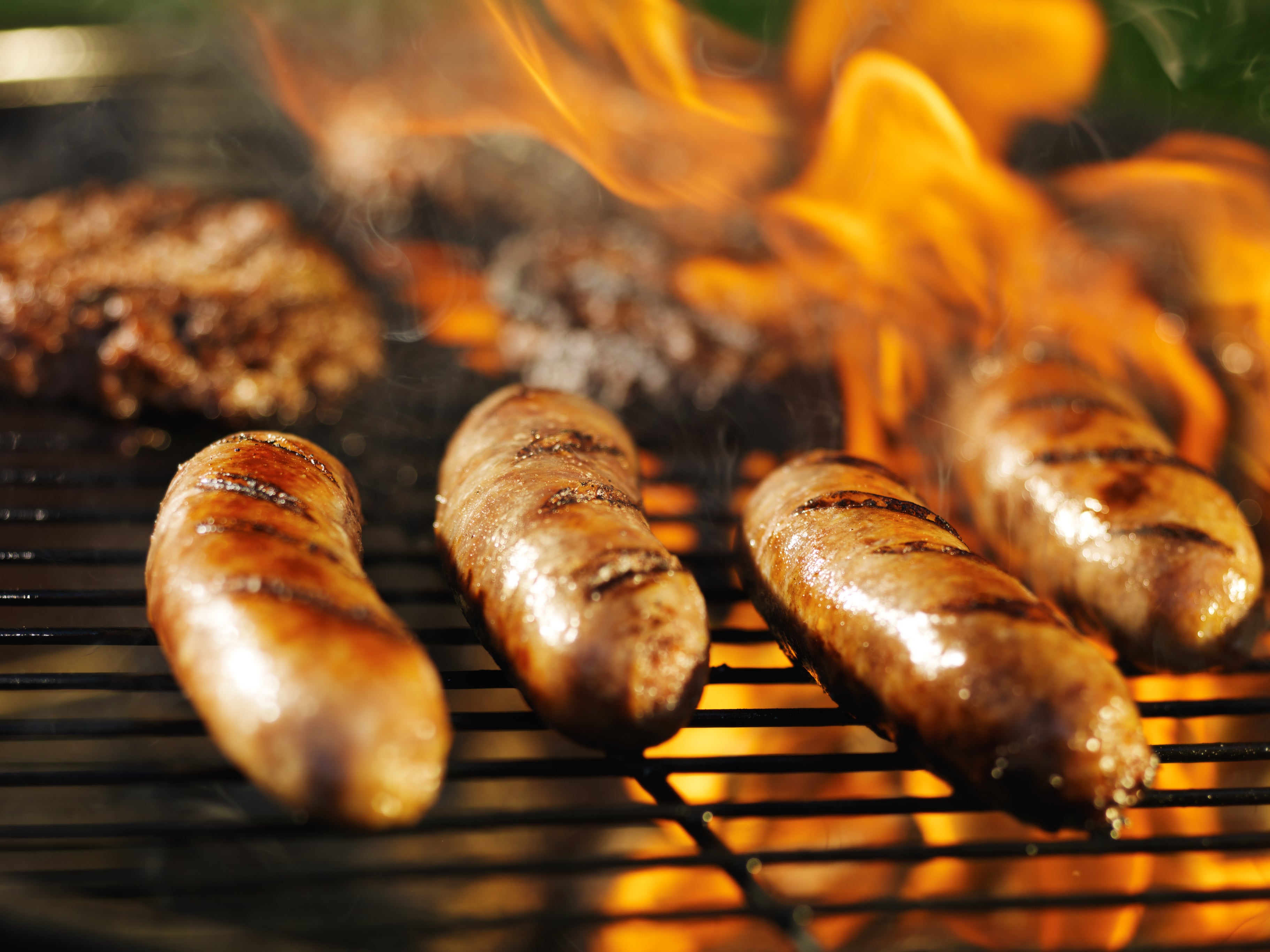
Tim Spector, professor of genetic epidemiology and co-founder of the ZOE health study, adds: “Processed and red meats, when eaten regularly, are linked to an increased risk of colon cancer and poorer gut health. It’s fine to enjoy them occasionally, but best to avoid having them often. They have pro-inflammatory effects on the gut and can increase the presence of unhelpful microbes, disrupting the balance of the microbiome.”
The point is clear: it’s not the barbecue that’s the problem. It’s what we’re putting on the grill.
But that doesn’t mean your barbecue is doomed. Here’s how to make it better – without sacrificing flavour.
Processed sausages, burgers and red meat
Cheap sausages, supermarket burgers and fatty steaks are some of the biggest offenders. They’re often ultra-processed, packed with salt and high in saturated fat. Many also contain nitrates or nitrites, which have been linked to increased risk of bowel cancer and cardiovascular disease.
“Your choice of meat is important,” says Spector. “Choose fish or white meat, like chicken or turkey, when you can. It’s best to only eat red and processed meats once in a while, but if you do, go for leaner cuts and chop off excess fat.”
Homemade burgers made from lean mince (beef, turkey, lamb or plant-based) are a huge improvement, both nutritionally and in flavour. Marinated chicken thighs are another great alternative – and more forgiving on the grill than chicken breast. You could also opt for fish, like salmon or mackerel, which are high in omega-3s and far lower in salt and saturated fat.
“To enjoy a healthier barbecue without compromising on flavour,” says Parker, “choose leaner cuts of meat, such as loin of pork instead of ribs, or lean steak rather than a fattier cut. Firm-textured fish, like salmon, tuna or mackerel, and meatier vegetables like mushrooms, aubergine, peppers and courgettes are also great alternatives.”
And if you’re cooking meat, how you prep it matters. “Evidence suggests that cooking meat on a BBQ can produce chemicals that are harmful to heart health,” says Spector. “One way to reduce the production of these compounds is by marinating the meat in something acidic. For instance, lemon juice works well with chicken, giving it extra flavour and helping retain moisture.”
Some barbecue favourites, like processed meats and salty sauces, can add significant amounts of salt and saturated fat to your diet, which isn’t great news for our hearts
Shop-bought sauces and sticky marinades
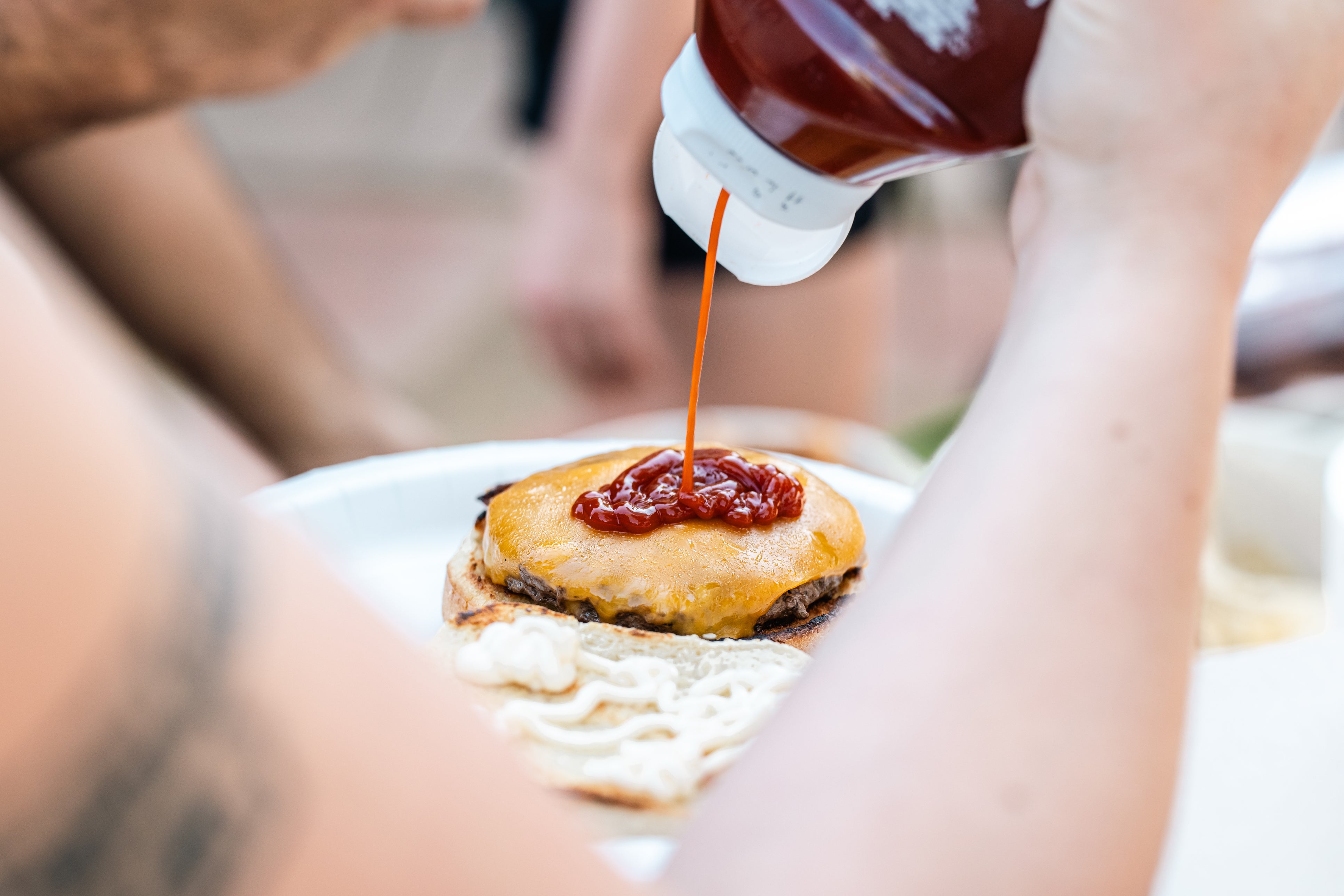
Barbecue sauce, ketchup and even some honey mustards can pack in alarming amounts of salt and sugar – often without tasting particularly complex or interesting. And because they’re slathered on top of already salty food, the totals add up fast.
“Salty and sweet BBQ sauces aren’t great for gut health, but because we tend to have them in smaller amounts, their effect on health will also be smaller,” says Spector. “However, if you want healthier condiments, try to find ones with ingredient lists that are low in salt and sugar. Alternatively, you could make your own.”
“Instead of shop-bought marinades and salad dressings, which are often high in salt,” Parker suggests, “try making your own with fresh herbs, citrus juices and spices to help keep salt levels low without missing out on flavour.”
Davies agrees: “Opt for lean, unprocessed meat, fish and vegetarian sources of protein, with home-made marinades using citrus, garlic, chilli and vinegar for a far better flavour.”
A total lack of veg
This is perhaps the biggest barbecue fail – and the easiest to fix.
“Most importantly, as far as gut health goes, make sure you include plenty of plants,” says Spector. “Make a fresh salad dressed with extra virgin olive oil, grill some vegetable skewers, or steam some mixed beans. These provide fibre and other healthy plant compounds to support your gut bacteria. Try to include as many different coloured plants as you can to get the maximum amount of healthy plant bioactives.”

Grill vegetables as eagerly as you grill meat. Courgettes, peppers, mushrooms, aubergines, asparagus and sweetcorn all take on beautiful char. Add wholegrains, legumes, herbs, seeds – anything that ups variety and fibre. The more colour, the better.
Too much alcohol
The classic British barbecue setup often includes a drink in one hand and a paper plate in the other. But alcohol paired with salty food, low fibre and heavy meats is a combination that can leave you bloated, tired and uncomfortable, and it’s not great for your gut either.
Enjoy a glass or two, but alternate with kombucha, sparkling water with citrus, or a wine spritzer. The point isn’t abstinence – it’s balance.
As Lenza reminds us: “If people are concerned about their cancer risk, there are other proven steps they can take too, such as not smoking, staying safe in the sun and drinking less alcohol.”
The barbecue, rebalanced
The takeaway? The grill isn’t the problem. In fact, it might be your greatest tool – simple, flavourful, social. With a little thought and a few tweaks, the classic British barbecue can become something that actually supports your health, rather than quietly undermining it.
Get the right ingredients on the grill and you’re laughing: grilled fish or spiced vegetable skewers, yoghurt-dressed slaw, fibre-packed sides and a plate full of colour. Your gut bacteria, heart and waistband will all be better off for it – and you don’t have to miss out on any of the fun.
So yes, you can still have your sausage. But maybe just the one. Wrapped in a flatbread. Next to a salad. And chased with something fermented.
Join our commenting forum
Join thought-provoking conversations, follow other Independent readers and see their replies
Comments
Bookmark popover
Removed from bookmarks